Rated 4.7 out of 5 stars
4.7 / 5


726,000+ customers
Free 60-Day Returns
1-Year Warranty
726,000+ customers
Free 60-Day Returns
1-Year Warranty
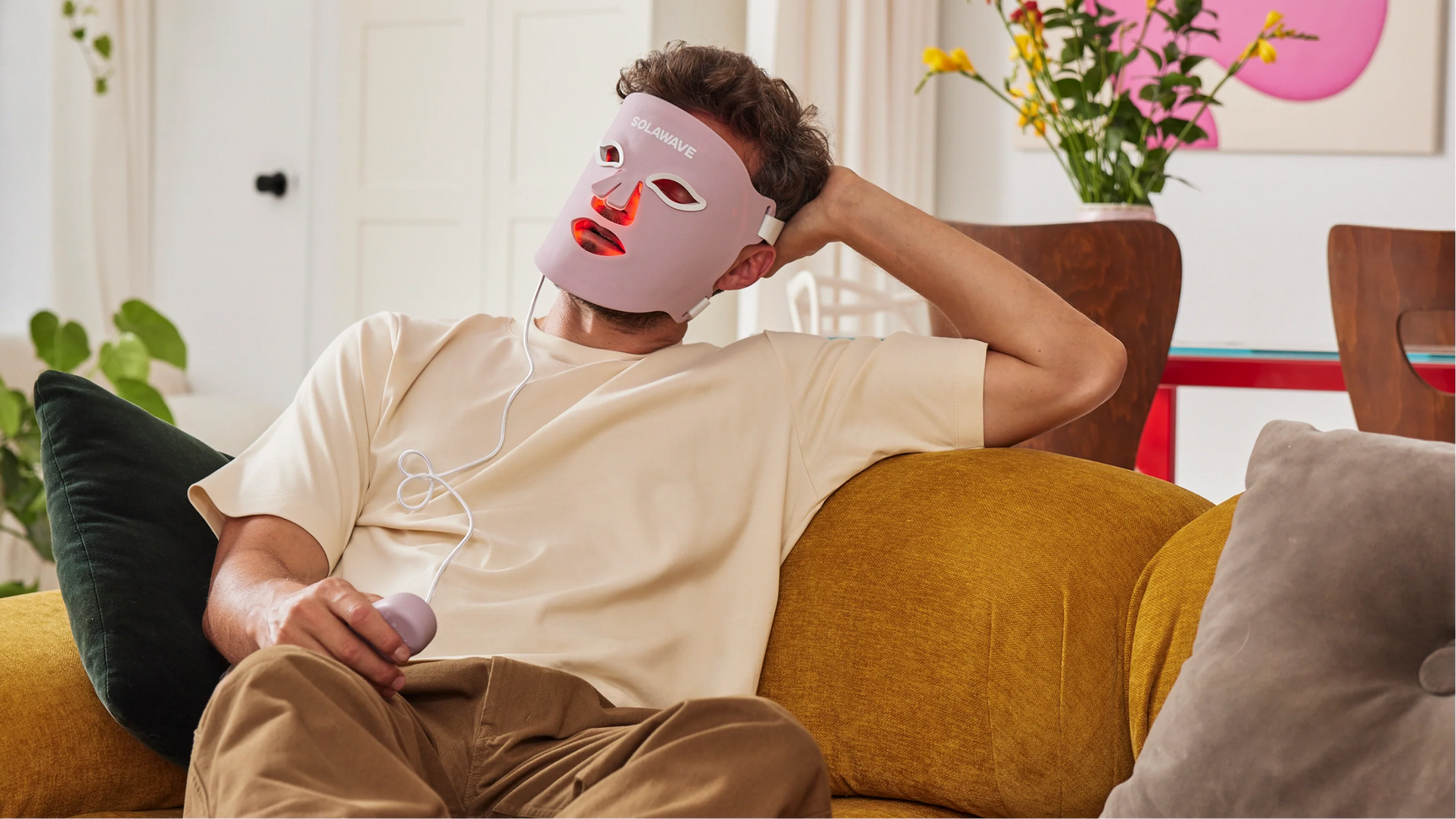
If you recently brought home a red light device, your first question is likely practical: how long should you keep it on your face? Skincare routines usually reward patience, but light therapy operates on precision. Using a device for too little time may yield subtle changes, while overusing it will not speed up your progress. At-home light therapy devices from Solawave and other trusted makers are engineered around specific exposure times to help skin look refreshed, radiant, and smooth. This guide explains how to find the right session length for your device, how many days a week to treat your skin, and how to build a routine that supports visible results over time.
For more guidance on building a consistent schedule, read how often to use red light therapy.
Quick Answer: Most at-home red light therapy facial sessions should last between 3 and 10 minutes per treatment area, performed 3 to 5 times per week. High-density close-contact masks deliver a complete cosmetic session in just 3 minutes, while larger panels placed farther away may take 10 to 15 minutes.
Light therapy relies on delivering a specific amount of light energy to the skin surface. Skincare professionals measure this energy delivery in joules per square centimeter. In cosmetic light therapy, skin responds best to a moderate, steady dose of light energy.
There is an optimal window of exposure. When skin receives too little light energy, the session may not provide noticeable cosmetic benefits. On the other hand, exposing your skin to excessive light energy does not produce faster or more dramatic improvements. Cells have a limit on how much light energy they can process during a single session. Once that limit is reached, extra time under the LEDs provides diminishing returns and may cause temporary dryness or mild surface redness.
For additional context, explore how red light therapy works.
Because of this balance, effective light therapy is about consistency rather than long treatment times. A brief, regular session keeps your skin on a steady schedule without pushing past the beneficial cosmetic threshold.
The exact time you need depends heavily on two factors: device irradiance and distance from your skin. Irradiance refers to the power output of the light reaching a given area, commonly measured in milliwatts per square centimeter.
Distance plays a massive role due to the physics of light dispersion. As light travels away from its source, its intensity drops significantly. A light source placed several inches away from your face loses a substantial portion of its usable energy before it ever reaches your skin.
Understanding how your device is designed will help you understand why session recommendations differ so widely across the skincare market.
For a closer look at treatment timing, read how long to do red light therapy on your face.
Not all red light tools work the same way. The shape, power density, and placement of your tool dictate your session length. Following manufacturer guidelines ensures you receive the intended visual benefits without unnecessary exposure.
| Device Category | Recommended Session Time | Typical Weekly Frequency | Optimal Placement |
|---|---|---|---|
| Wearable Full-Face Mask | 3 minutes per session | 3 to 5 times per week | Direct skin contact with straps secured |
| Targeted Skincare Wand | 3 minutes per zone (up to 12 min total) | 3 to 5 times per week | Glided slowly across hydrated skin |
| Targeted Spot Device | 3 minutes per blemish | Once daily per spot | Held directly over targeted area |
| Compact Handheld Mini | 3 minutes per zone (up to 12 min total) | 3 to 5 times per week | Circular motions on face or body |
| Tabletop Panel | 10 to 15 minutes per session | 3 to 5 times per week | Positioned 6 to 12 inches away |
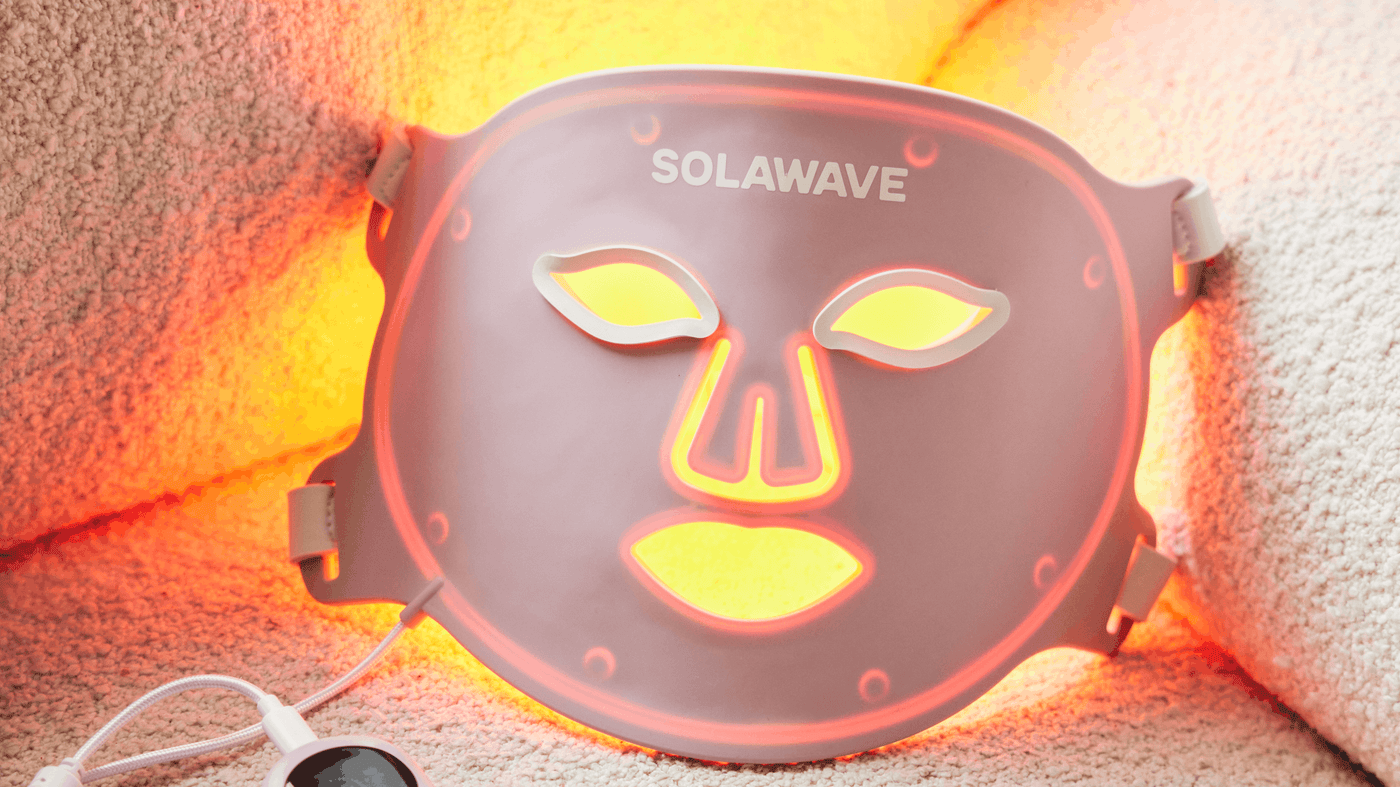
Wearable masks are one of the most efficient ways to treat the entire face at once. Advanced models feature high LED counts that sit close to the skin, distributing light across the forehead, cheeks, nose, and chin simultaneously.
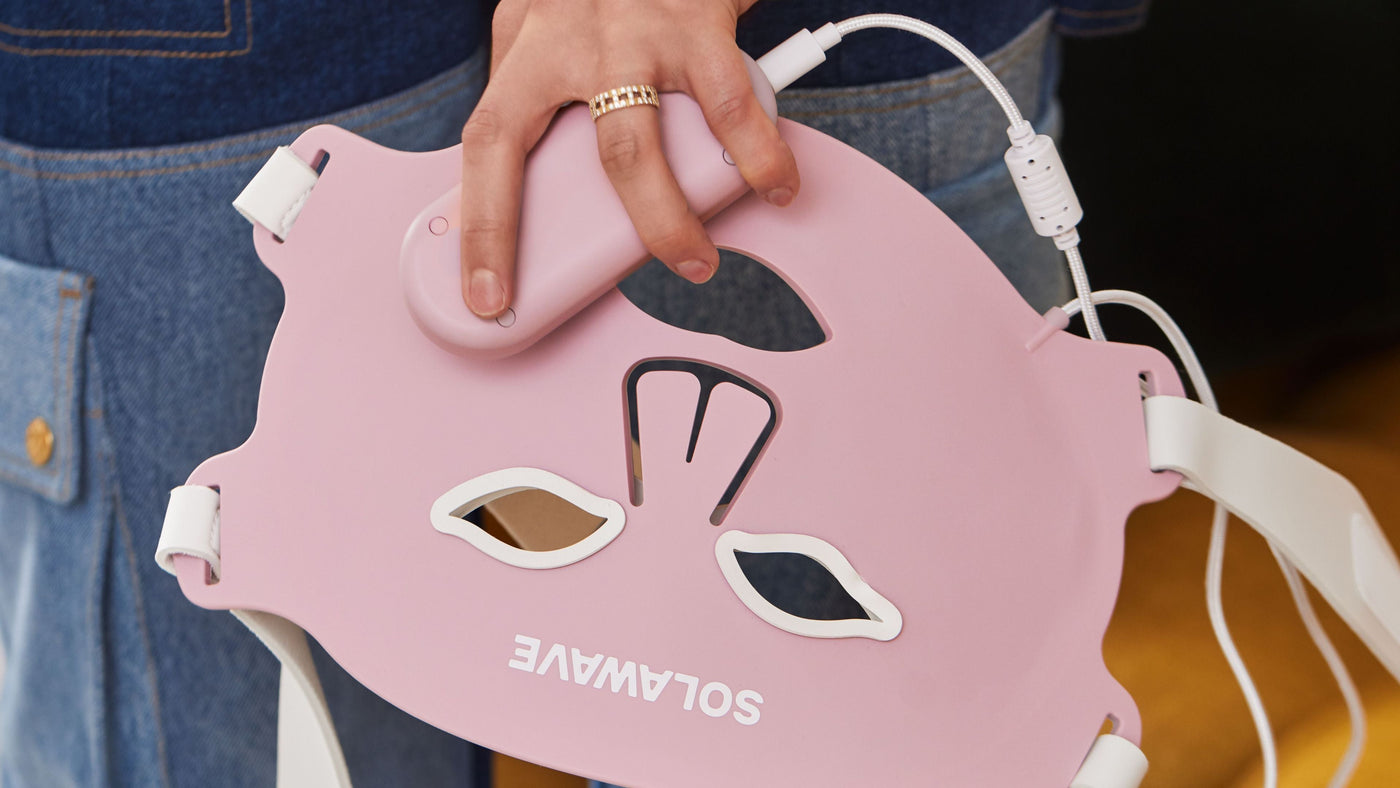
For example, the Wrinkle Retreat Pro LED Face Mask uses 320 LEDs across four distinct wavelengths: Amber (605nm), Red (630nm), Deep Red (660nm), and Near-Infrared (830nm). Because the mask rests directly against the skin, it delivers a complete session in just 3 minutes. An automatic shut-off timer turns the device off when the session concludes, removing any guesswork.
When using a full-face mask:
For more information about eye comfort during treatment, read whether to keep your eyes open or closed during red light therapy.
Handheld wands provide a customizable approach. They allow you to concentrate on specific facial zones such as the under-eye area, smile lines, forehead, or jawline.
The 4-in-1 Skincare Wand combines 630nm red light therapy with galvanic current, gentle facial massage, and therapeutic warmth. When using a wand:
Spot treatment devices are engineered to focus light on specific blemishes rather than the entire face. These tools often combine red light with blue light to target visible imperfections.
The Bye Acne: 3-Minute Pimple Spot Treatment is an FDA-cleared blue-and-red light acne device designed to target the look of blemishes and calm the appearance of redness. It pairs blue light (415nm) with red light (630nm). To use a spot device:
The skin surrounding the eyes is thinner and more delicate than the rest of the face. Specialized devices like the Radiant Renewal Eye Recovery Pro provide targeted light delivery to the orbital area using 80 LEDs across Amber, Red, Deep Red, and Near-Infrared wavelengths.
Like full-face masks, these targeted eye tools operate on a 3-minute cycle, 3 to 5 times per week. Always apply your eye cream beforehand, let it absorb, and ensure the protective eye inserts are installed properly before beginning.
For more under-eye routine ideas, read how red light therapy can refresh the look of dark circles.
Session length is only half of the equation; weekly frequency is just as critical for achieving visible skincare results.
Key Takeaway: For most at-home red light devices, the standard frequency is 3 to 5 sessions per week, with a limit of one session per day. Consistency over 4 to 8 weeks creates the best environment for skin to look refreshed and more radiant.
For tips tailored to reactive complexions, read red light therapy for sensitive skin.
When people enjoy the relaxing warmth of light therapy, they often wonder if doing a morning and evening session will deliver faster results. Skincare experts advise against this approach.
As established by the principles of light dosing, your skin cells reach a saturation point during a properly calibrated session. Once that exposure threshold is met, additional light on the same day cannot be processed effectively. Running back-to-back sessions or treating your face multiple times a day adds unnecessary exposure without improving your skin's visual appearance. Stick to one session per day, 3 to 5 days each week, and allow your skin time to rest between treatments.
At-home red light therapy delivers gradual, cumulative visual improvements. It is not an overnight fix. While many users report that their skin looks more refreshed and dewy after a few sessions, changes in the look of fine lines, overall texture, and skin tone typically develop over several weeks.
Individual skin types respond differently, and results vary from person to person. Maintaining your schedule over a minimum of 4 weeks is essential to evaluating how your skin responds.
Red light therapy is non-invasive, gentle, and free of harmful ultraviolet (UV) rays. However, more is not always better. Leaving a device on your skin longer than instructed or overusing high-output lights can create unwanted side effects.
For more information, read what to do if your skin feels irritated after using red light therapy.
If you exceed recommended treatment times, your skin may signal that it has received too much exposure:
If you ever notice dryness or irritation, pause treatments for a couple of days, focus on gentle barrier hydration, and resume at the recommended 3-minute or manufacturer-specified duration.
To ensure your light therapy sessions remain safe, comfortable, and beneficial, keep these guidelines in mind:
Getting the most out of your treatment time requires proper skin preparation and thoughtful topical pairing. Light waves travel best through clean, hydrated skin without heavy physical barriers.
Always start with a clean canvas. Makeup, physical sunscreens containing zinc oxide or titanium dioxide, and excess surface oils can reflect or scatter light waves, reducing the amount of light that reaches your skin.
Wash your face with a gentle formula such as the Pre- & Probiotic Hydrating Gel Cleanser. Massage it over wet skin for 30 to 60 seconds, rinse thoroughly with lukewarm water, and pat your face dry.
How you prep your skin depends on the device you are using:
Put on your device, ensure all safety eyewear is secured, and let the session run its course. Relax during the 3-minute mask treatment or enjoy the slow upward glides of your wand routine. Once the auto shut-off engages, your treatment is complete.
After your light session, support your skin barrier with daily hydration. You can mist your face with Pre- & Probiotic Refreshing Jelly Mist and apply Pre- & Probiotic Plumping Peptide Serum to leave skin looking supple and dewy.
Follow with your favorite daily moisturizer, like Pre- & Probiotic Nourishing Moisturizer. If you complete your session in the morning, always finish with a broad-spectrum sunscreen to protect your skin throughout the day.
If you enjoy sheet masks, you can apply a Hydrating Sheet Mask 1 to 2 times weekly for 10 to 20 minutes to give your skin an extra hydration boost after cleansing.
Pro Tip: Keep your light therapy tools clean to prevent product buildup. Use Light Therapy Device Cleaning Wipes or a damp cloth with 70% alcohol to wipe down your device while it is unplugged and turned off. Let it air dry completely before your next session.
To make your routine effortless, use this quick reference checklist whenever you sit down for a treatment:
By respecting these session lengths, you give your skin the exact light exposure it needs to look smoother, firmer, and visibly radiant over time.
Finding the right treatment duration is the key to unlocking the cosmetic potential of at-home red light therapy. Modern close-contact devices deliver targeted light efficiently, meaning you only need 3 to 10 minutes per session to support your skin's visual glow and texture. Sticking to a consistent schedule of 3 to 5 days per week provides the steady rhythm skin needs to look its best.
Bottom line: More time does not equal faster results; consistency within the recommended 3 to 10-minute window is what helps your skin look smooth, refreshed, and radiant.
If you are ready to find the ideal routine for your specific skin goals, take the skin quiz to explore our collection of FDA-cleared light therapy devices and nourishing topicals.
Most at-home light therapy devices are designed for use 3 to 5 times per week. While some users incorporate gentle devices daily, skin cells have a limit on how much light energy they can process at once. Sticking to 3 to 5 consistent sessions per week provides ample exposure to support a refreshed, radiant appearance while allowing skin time to rest.
Using an at-home close-contact mask or wand for 30 minutes pushes past the optimal cosmetic dosing window. Doing so will not accelerate results and may lead to temporary skin dryness, tightness, or mild surface redness. It is best to follow manufacturer guidelines and let automatic 3-minute or 10-minute timers conclude your treatment.
It depends on the device you are using. For wearable face and neck masks, you can apply compatible formulas like LightBoost Face & Neck Serum and Rich Cream before your session, ensuring they absorb fully first. For skincare wands, apply a hydrating activating serum beforehand to assist with glide. For spot treatments, treat bare, clean, dry skin first and apply topicals afterward.
Visual results develop gradually and vary by individual. Many people notice that their complexion looks more refreshed and radiant within the first 1 to 2 weeks of regular use. Noticeable improvements in the appearance of fine lines, skin tone, and overall texture generally become visible after 4 to 8 weeks of consistent treatments 3 to 5 times per week.
The statements on this website have not been evaluated by the FDA. The information provided on this site is not intended to diagnose, treat, cure, or prevent any disease and should not be construed as medical advice. Results may not be typical.
 Skincare Devices
 Skincare Devices