Rated 4.7 out of 5 stars
4.7 / 5


726,000+ customers
Free 60-Day Returns
1-Year Warranty
726,000+ customers
Free 60-Day Returns
1-Year Warranty
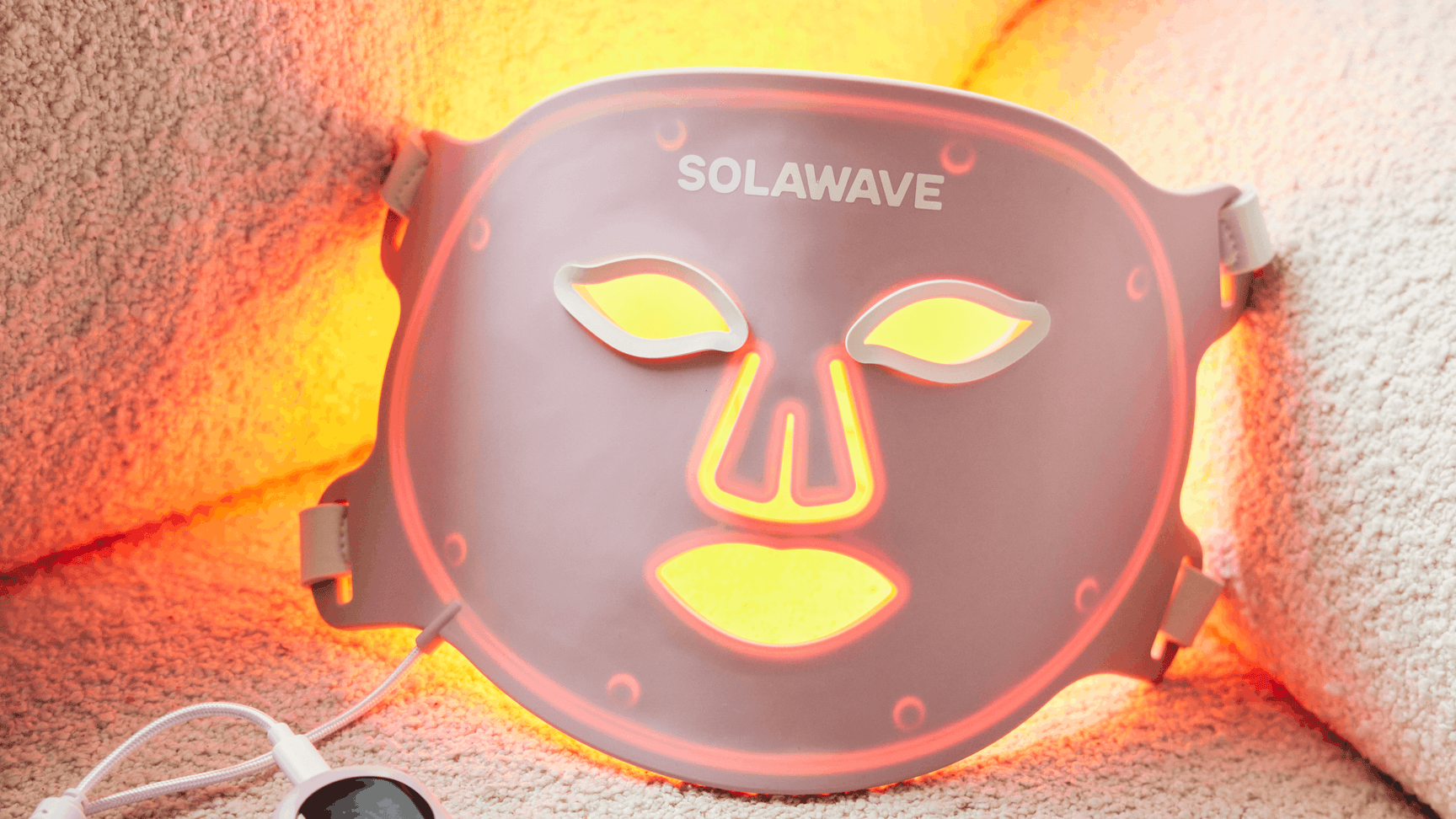
You can use red light therapy after Botox, but wait 24 to 48 hours before your first session. That short pause lets the neuromodulator settle before you add heat or increased circulation to the area. The same idea, a short wait keyed to the procedure, applies across most treatments, and once the window passes, light therapy becomes one of the better tools for supporting recovery.
One rule sits above everything below: your provider's instructions override this guide. Bring it to your follow-up appointment and confirm the window for your specific procedure and skin.
Ask your provider for the window that fits your procedure. The right timing depends on what you had done and how your skin responds, so your dermatologist or injector has the final say. The ranges below are what to expect going in.
After Botox, wait 24 to 48 hours, and after ablative laser or a deep peel, wait longer. Deeper, resurfacing procedures need the skin to close first, often five to fourteen days.
Once you are cleared, light therapy supports recovery. Start gentle, two or three sessions a week for the first two weeks, then return to the usual three to five.
Red light therapy works by increasing cellular energy production, which activates fibroblasts and supports repair. Several of those same pathways are active during post-procedure wound healing, which is why a dermatology review in the Journal of Clinical and Aesthetic Dermatology describes LED light decreasing inflammation, supporting fibroblast activity, and speeding healing.
The exception is the immediate window right after a procedure that breaks or resurfaces the skin, like microneedling, ablative laser, or a deeper peel. While the surface is actively healing, an at-home device waits until the skin has closed. How long depends on the procedure.
The wait windows below are starting points. Your skin gives the real signal. Before you put a mask back on after a resurfacing procedure, the surface should be closed and no longer weeping or scabbing, and any redness should have settled from raw to mild. If a treated area still feels tight, hot, or broken, give it another day. When the calendar and the skin disagree, trust the skin, and when you are unsure, wait for your provider to clear you. Starting a day late costs nothing. Starting a day early on open skin can set recovery back.
Wait window: none. Light therapy is compatible from the day you start a retinoid, and it can help the skin tolerate the early irritation phase. Apply the retinoid at night and run your light session in the morning or afternoon, or alternate nights. Do not layer them in the same session. If the retinoid is irritating your skin, ask your dermatologist how far apart to space the two. Solawave covers the pairing in its guide to retinol purging support.
Wait window: 24 to 72 hours, by depth. For superficial peels (glycolic, salicylic, lactic), most providers clear light therapy after 24 to 48 hours, once the surface is intact. For medium-depth peels, wait until the skin has fully re-epithelialized, usually five to seven days, then resume at a reduced cadence. For deep peels, follow your provider's protocol, often two to four weeks. Because the window shifts so much by depth, have your dermatologist confirm the exact timing for your peel.
Wait window: 24 to 72 hours, per your provider. These lasers leave the surface intact but create deep micro-injuries. Once cleared, light therapy may shorten the redness phase: in one post-laser erythema study, an LED array reduced erythema after fractional resurfacing. It may also help reduce post-inflammatory pigmentation, which is a higher risk in deeper skin tones. Your dermatologist can give you the exact day to resume based on the depth of your treatment. Solawave's guide to darker skin tones covers the Fitzpatrick considerations.
Wait window: longer, typically five to fourteen days. Ablative lasers remove the top layer of skin, which has to close before any device touches it. Do not count days on your own here, ask your dermatologist to confirm the surface has fully closed before your first session. Once you are cleared, light therapy can support the healing phase: a randomized wound-healing trial found LED photobiomodulation supported faster recovery after ablative fractional resurfacing. Start at a reduced cadence and build back up over a few weeks.
Wait window: 24 to 48 hours for standard microneedling, sometimes longer for deeper RF settings. Microneedling pairs well with light therapy in the recovery window, where it can calm redness and support faster healing of the micro-channels. Confirm the exact timing with your dermatologist, especially for deeper radiofrequency depths.
Wait window: 24 to 48 hours. Providers ask you to avoid heat, pressure, and vigorous activity right after injection so the neuromodulator settles into the target muscle. Because a mask gently warms the skin and increases blood flow, wait out the settling window. After that, light therapy does not interfere with the result and supports the surrounding skin. A hands-free mask is a good first device back, since it applies no direct pressure or massage. Ask your injector to confirm the neurotoxin has settled before you restart.
Wait window: 48 to 72 hours, per your provider. Filler creates initial swelling and small areas of inflammation. Wait until that settles before applying a mask, both for comfort and to avoid disturbing freshly placed product. Your provider can tell you when the swelling has gone down enough to resume.
Wait window: 24 to 72 hours, per your provider. For facial vascular lasers, a mask is usually cleared after 24 to 48 hours, then standard cadence resumes. Check the exact window with the provider who performed the treatment.
Wait window: same day or next day. These are surface-level, and many providers include LED light as part of the in-office protocol. If you are unsure, ask your esthetician or dermatologist before your next session.
Pre-procedure light therapy is less studied than post-procedure use, but the general idea holds: keeping your usual cadence in the weeks before a treatment supports a healthy baseline. The day before a major procedure, skip your session so your skin goes in calm.
When you ask your provider when you can resume, share the specifics so they can give you a real answer instead of general advice:
The device and its clearance: an FDA-cleared Class II mask, K252983 for the Solawave Wrinkle Retreat Pro.
The wavelengths: 605, 630, 660, and 830 nm.
The session and dose: three minutes at 65 mW/cm2.
Your cadence: three to five sessions a week, reduced for the first two weeks post-procedure.
That level of detail lets a provider give a window matched to your procedure and skin.
Light therapy is one of the few at-home tools that runs with your clinical care rather than against it. The Solawave device line is FDA-cleared, gentle, and built for the consistent cadence the recovery research is built on. The Wrinkle Retreat Pro delivers a three-minute session and a hands-free, pressure-free fit that suits the first sessions back, and the Neck & Chest Pro Mask extends the same support to the area below the jaw. FSA and HSA-eligible at checkout, backed by a 60-day return window and a 1-year warranty. Bring the specs above to your follow-up and let your provider set the exact timing.
Most providers recommend 24 to 48 hours. Heat and pressure in the first day can encourage the toxin to move from where it was placed, so wait out the settling window. After that, light therapy does not interfere with the result.
Yes, in the right window. Most providers clear a mask 24 to 48 hours after standard microneedling, where it can calm redness and support healing of the micro-channels. Confirm timing for deeper radiofrequency settings.
Generally you can continue up to the day before. Skip it the day of the peel, then wait the appropriate window, 24 to 72 hours for superficial peels and longer for medium or deep, before resuming at a reduced cadence.
The immediate days after ablative laser or a deep peel, while the surface is still open, and any active skin infection. Otherwise it is well tolerated once you are cleared. Your provider sets the specific contraindications.
It may support a reduction in post-inflammatory pigmentation, which is a higher risk in deeper skin tones. Individual results vary, and this is worth discussing with the provider who performed the procedure.
Yes. It lets them plan procedure timing and post-care around your routine, and many providers actively recommend at-home light therapy as part of recovery.