Rated 4.7 out of 5 stars
4.7 / 5


726,000+ customers
Free 60-Day Returns
1-Year Warranty
726,000+ customers
Free 60-Day Returns
1-Year Warranty
If you've ever had an IPL treatment at a dermatologist's office and also own an at-home red light therapy device, you've probably wondered whether it's safe to use both. The short answer is yes, but the longer answer matters more. These two technologies look similar on the surface, yet they work in completely different ways, target different things inside the skin, and come with very different safety profiles. Understanding the difference is how you get the most out of both.
This is the most important thing to understand before combining them. IPL and red light therapy both use light, but the similarity pretty much ends there.
IPL, or Intense Pulsed Light, emits a broad spectrum of light wavelengths, typically ranging from 400 to 1200 nanometers. It works through a process called selective photothermolysis, which means it heats specific targets inside the skin. Those targets are chromophores like melanin (the pigment that creates dark spots and freckles) and hemoglobin (the red pigment in blood vessels). By heating these chromophores, IPL breaks down pigmentation, reduces visible redness, and can even shrink visible blood vessels. It's effective, but it works by creating controlled thermal damage, and the skin needs recovery time afterward.
Red light therapy, also called photobiomodulation, takes an entirely different approach. It uses specific, narrow wavelengths of LED light, primarily in the red (630nm) and near-infrared (830nm) range, to interact with the mitochondria inside skin cells. When these wavelengths are absorbed by an enzyme called cytochrome c oxidase, they trigger increased production of ATP, the energy molecule that powers cellular function. More energy means faster cell regeneration, increased collagen production, and reduced inflammation.
The key distinction is this. IPL corrects visible damage by destroying it. Red light therapy heals and rebuilds from within. One is corrective. The other is restorative. And that's exactly why they complement each other so well.
Yes, and dermatologists increasingly recommend it. Research has shown that combining IPL with low-level light therapy can produce synergistic results, with LED light therapy reducing inflammation and supporting cellular recovery while IPL handles targeted correction.
However, timing matters. Most skincare professionals recommend waiting 24 to 48 hours after an IPL session before using red light therapy on the treated area. IPL creates controlled thermal responses in the skin, and you want that initial healing process to begin before introducing any additional light energy.
Once that window has passed, red light therapy can actually support your recovery. One study found that LED photomodulation treatment accelerated the resolution of redness and reduced discomfort in patients who had just undergone IPL. That makes red light therapy not just compatible with IPL but genuinely helpful as a post-procedure tool.
The bottom line is that IPL and red light therapy aren't competing treatments. They work on entirely different biological mechanisms and can be used strategically together for enhanced results.
This is a critical safety distinction that doesn't get talked about enough.
IPL targets melanin as one of its primary chromophores. That means the more melanin your skin contains, the more light energy gets absorbed by the epidermis instead of reaching the intended targets deeper down. For people with darker skin tones, specifically Fitzpatrick skin types IV through VI, this creates a significantly narrower safety window and increases the risk of burns, post-inflammatory hyperpigmentation, and even permanent hypopigmentation.
Red light therapy works through a completely different mechanism. It doesn't target melanin at all. Red and near-infrared wavelengths are absorbed by mitochondria, which every skin cell possesses regardless of melanin content. Melanin absorption of 630nm red light is minimal, leaving the vast majority of light energy available to reach the cells where it's needed.
This is why red light therapy is safe and equally effective across all Fitzpatrick skin types, from I to VI. No UV exposure, no thermal damage, no risk of pigmentation changes. It's one of the few light-based skincare technologies that truly works for everyone.
For anyone with a deeper skin tone who has been told to avoid light-based treatments, red light therapy for specific skin concerns is worth exploring as a safe, science-backed alternative.
IPL has its strengths. It's highly effective for correcting sun damage, reducing visible broken capillaries, and treating stubborn pigmentation. But it requires in-office visits, recovery time, and careful consideration of skin tone.
Red light therapy, on the other hand, is designed for consistent, daily use. It's non-invasive, painless, and requires zero downtime. And because it works by supporting your skin's own natural repair processes, the benefits compound over time.
If your primary goals are supporting collagen production, rejuvenating skin texture and firmness, reducing the visible appearance of fine lines, calming inflammation, and maintaining overall skin health, red light therapy is often the better daily choice. It's the kind of treatment you can build into a 3-minute morning routine and see cumulative, visible results over weeks.
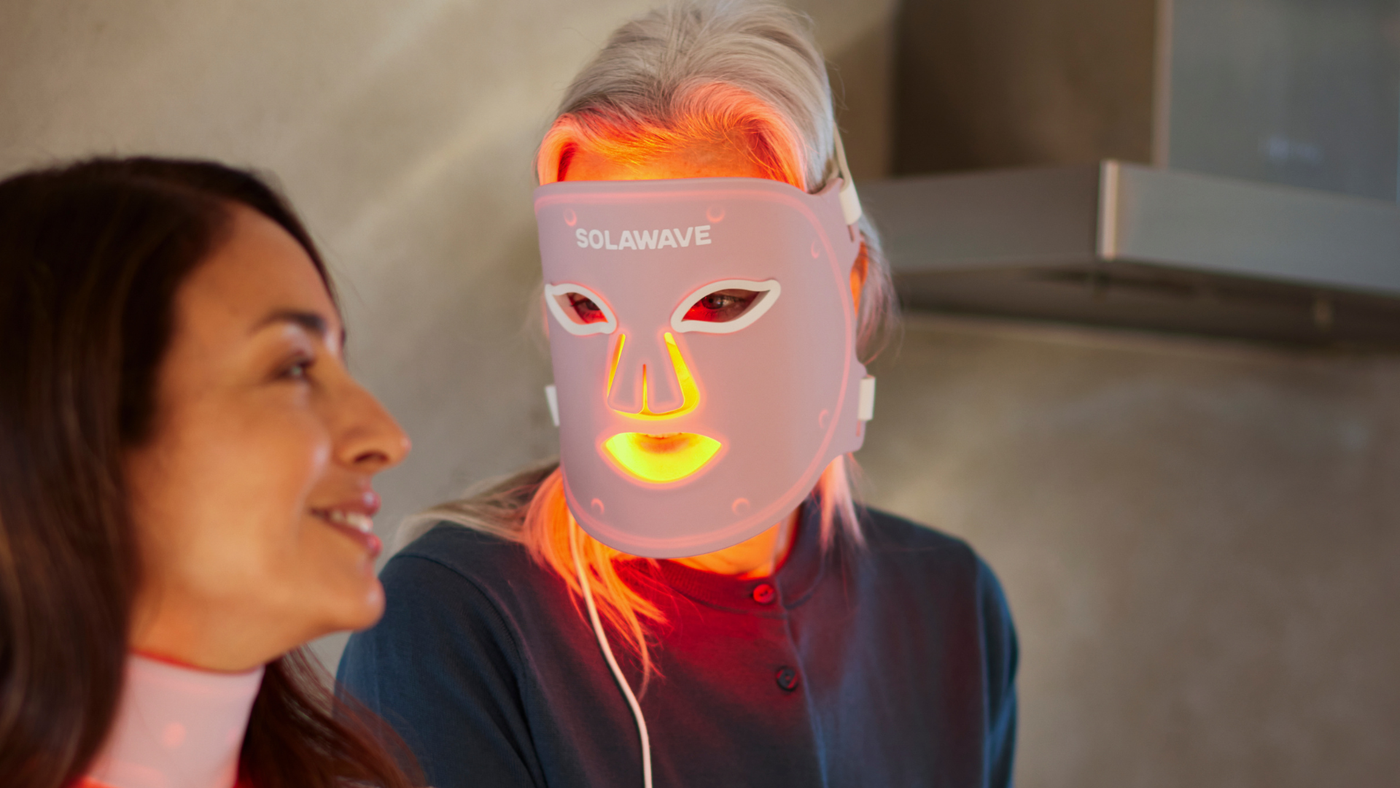
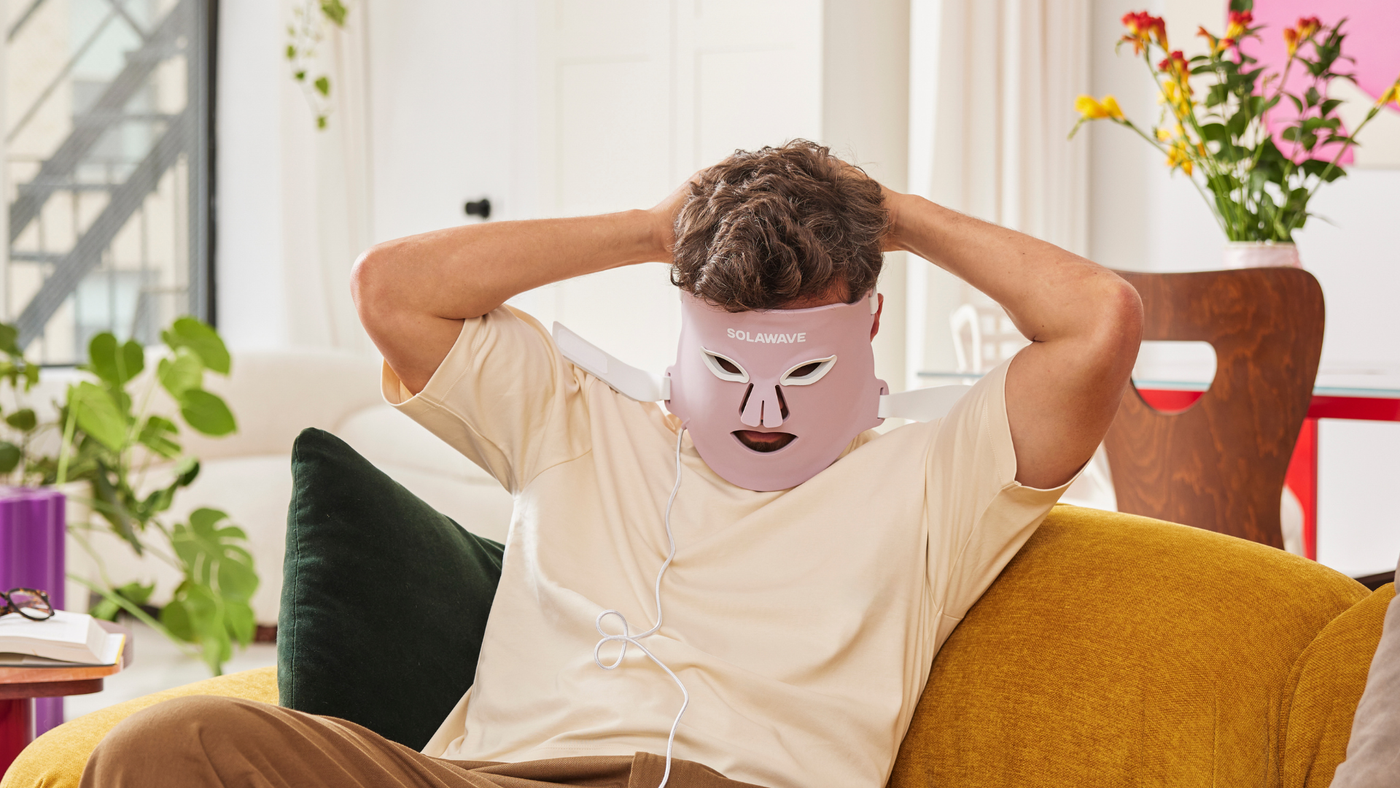
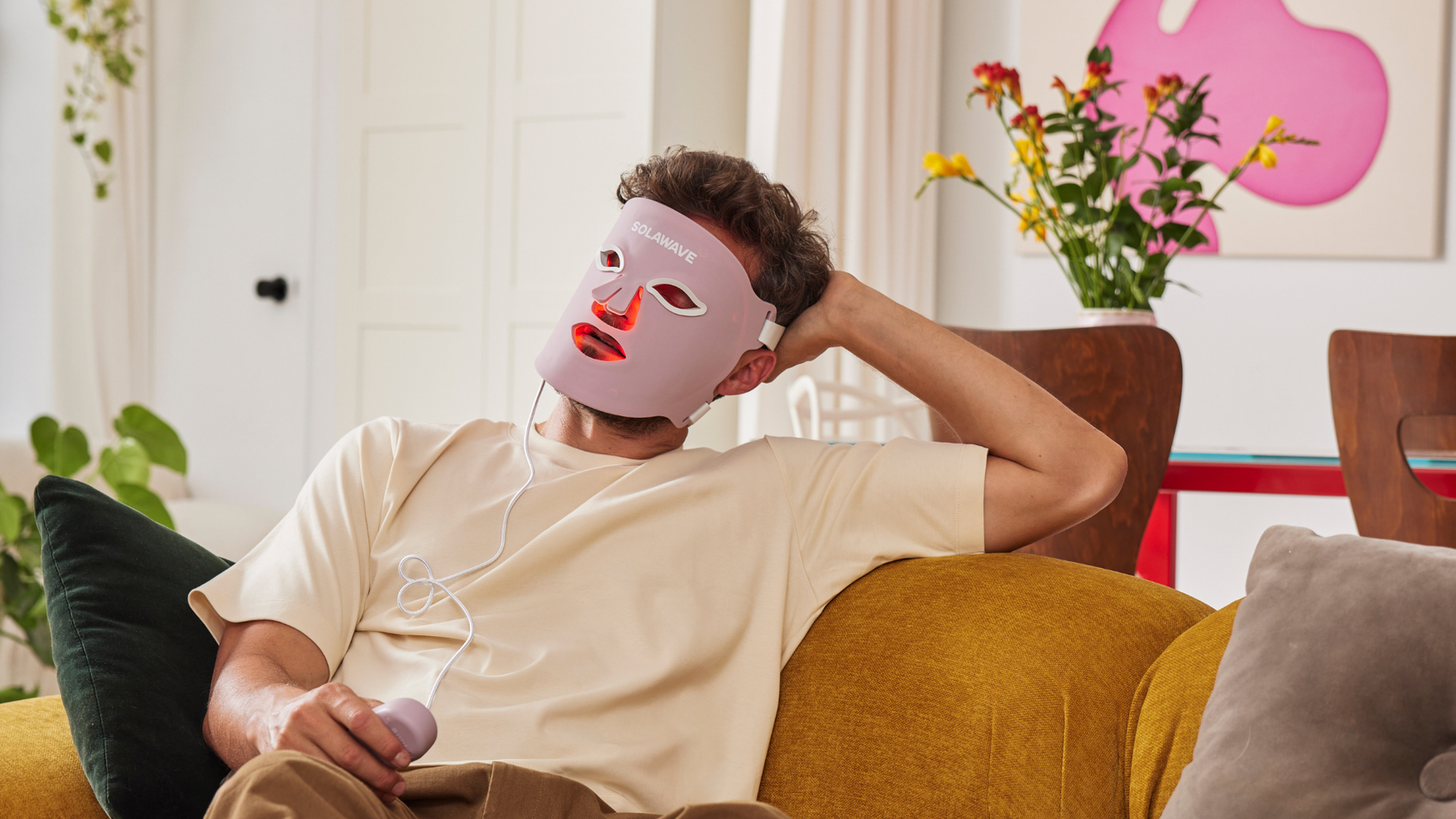
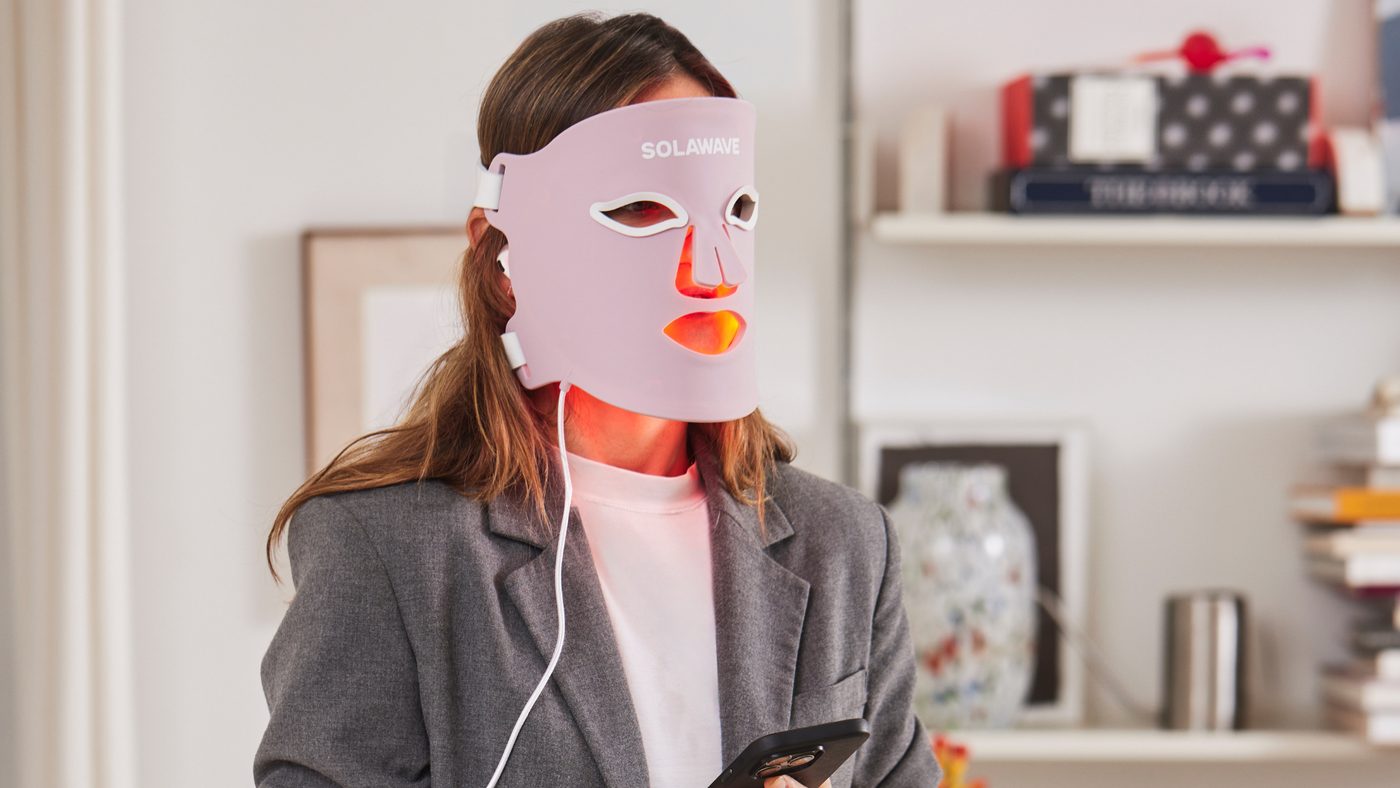
Solawave's FDA-cleared devices are built for exactly this. The Wrinkle Retreat Pro LED Face Mask delivers four therapeutic wavelengths, including red at 630nm, deep red at 660nm, near-infrared at 830nm, and amber at 605nm, across 320 dual-core LEDs with edge-to-edge facial coverage. Three minutes, 3 to 5 times per week. Clinically tested and backed by independent studies.
For targeted, zone-by-zone treatment, the 4-in-1 Skincare Wand combines red light therapy with galvanic current, therapeutic warmth, and facial massage. It's the same technology used by celebrity makeup artists backstage, and it fits into a 12-minute routine at home.
If you're someone who gets periodic IPL treatments at your dermatologist's office and wants to maximize your results between appointments, here's how the two can work together.
Use your at-home red light therapy device consistently, 3 to 5 times per week. This supports ongoing collagen production, helps maintain skin firmness, and keeps inflammation in check between professional treatments.
Wait 24 to 48 hours, then resume your red light therapy routine. The anti-inflammatory and cellular energy benefits of red light can support your skin's healing process and help reduce post-treatment redness faster.
Red light therapy doesn't require IPL to deliver results. Consistent use as a standalone treatment visibly supports skin health, smoothness, and radiance over time.
The real advantage of at-home red light therapy is consistency. IPL delivers dramatic correction a few times per year. Red light therapy builds healthier skin every single day. Together, they cover both ends of the spectrum.
All Solawave devices are FDA-cleared, clinically tested, and backed by a 60-day money-back guarantee. Your skin, your routine, your results.
Results may vary. Individual results are not guaranteed. Always consult your dermatologist before combining treatments.
Most dermatologists recommend waiting 24 to 48 hours after IPL before using red light therapy. This gives the skin time to begin its initial healing process before introducing additional light energy.
Yes. Research shows that LED photomodulation can accelerate the resolution of post-IPL redness and reduce discomfort. Red light's anti-inflammatory properties support the skin's natural healing response.
Yes. IPL targets melanin, which increases the risk of burns and pigmentation changes in Fitzpatrick skin types IV through VI. Red light therapy targets mitochondria, not melanin, making it safe and effective across all skin tones.
No. IPL corrects visible damage like dark spots, redness, and broken capillaries through selective photothermolysis. Red light therapy supports cellular energy production, collagen synthesis, and inflammation reduction through photobiomodulation. They work through completely different mechanisms.
Red light therapy is an excellent at-home option for ongoing skin health, collagen support, and visible improvement in fine lines and firmness. IPL remains better suited for correcting specific pigmentation or vascular issues and typically requires a professional setting.
Consistent use 3 to 5 times per week between IPL appointments helps maintain collagen production, reduce inflammation, and support overall skin health. Solawave's devices are designed for quick, effective sessions that fit into any routine.
 Red Light Therapy