Rated 4.7 out of 5 stars
4.7 / 5


726,000+ customers
Free 60-Day Returns
1-Year Warranty
726,000+ customers
Free 60-Day Returns
1-Year Warranty
You just had an IPL session. Your skin is a little red, a little sensitive, and you're wondering what you can actually do to support the healing process. If you already own a red light therapy device, you've probably asked yourself this exact question. Can I use it right now? Will it help? Could it make things worse?
The short answer is yes, red light therapy can be used after IPL. But the timing matters, and understanding why these two treatments work so differently is what makes the combination so effective.
IPL (Intense Pulsed Light) and red light therapy both use light to improve skin. But that's where the similarities end. They work through completely different mechanisms, target different structures in the skin, and produce very different effects.
IPL uses broad-spectrum light that targets melanin (pigment) and hemoglobin (the red protein in blood vessels). When IPL light hits these targets, it creates controlled thermal damage. That's how it breaks up sun spots, reduces visible redness from broken capillaries, and addresses hyperpigmentation. It's effective, but the controlled damage is exactly why IPL comes with downtime. Your skin needs to recover from the heat-based injury.
Red light therapy, also known as photobiomodulation, works on a completely different principle. It doesn't target melanin or hemoglobin at all. Instead, red light at specific wavelengths like 630nm is absorbed by cytochrome c oxidase, an enzyme inside the mitochondria of your skin cells. This absorption triggers increased production of ATP, the molecule that powers cellular energy and regeneration.
In plain terms, IPL creates targeted damage to fix specific issues. Red light therapy energizes your cells to support their natural repair processes. One breaks down, the other builds back up. That's why they can complement each other so well.
After an IPL session, your skin is in active recovery mode. It's dealing with inflammation, redness, and sensitivity as part of the healing process. This is exactly where red light therapy can be helpful.
Research published in the National Library of Medicine has explored how LED red light therapy can be used alongside IPL treatments for skin concerns like post-inflammatory erythema. The study found that a sequential approach, using LED light therapy followed by other energy-based treatments including IPL, produced strong results for reducing persistent redness and improving overall skin quality.
The mechanism behind this makes intuitive sense. Red light therapy supports the biological processes your skin needs most during recovery. It helps modulate inflammatory pathways, supports circulation, and encourages faster cellular turnover. None of these effects involve heat damage or target melanin, which means red light therapy doesn't add stress to skin that's already working hard to heal.
Timing is everything. Most dermatologists recommend waiting at least 24 to 48 hours after an IPL session before introducing red light therapy. This gives your skin a window to move through the most acute phase of its inflammatory response without any additional stimulation.
That said, every person's skin is different. Factors like the intensity of your IPL treatment, your skin type, and how your skin typically responds to procedures all play a role. The safest approach is always to follow the specific aftercare instructions from your dermatologist or aesthetician. If they clear you for red light therapy, you can feel confident adding it to your post-IPL recovery routine.
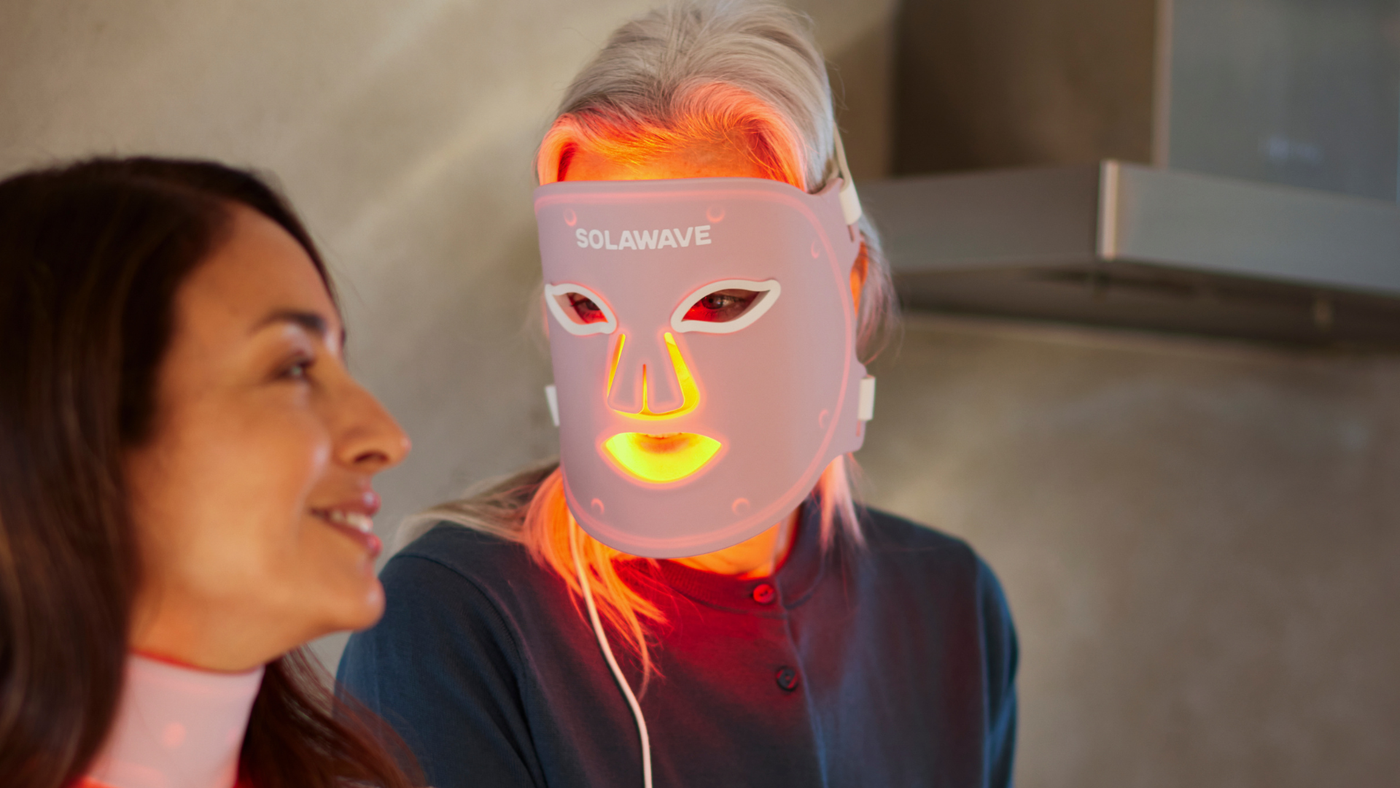
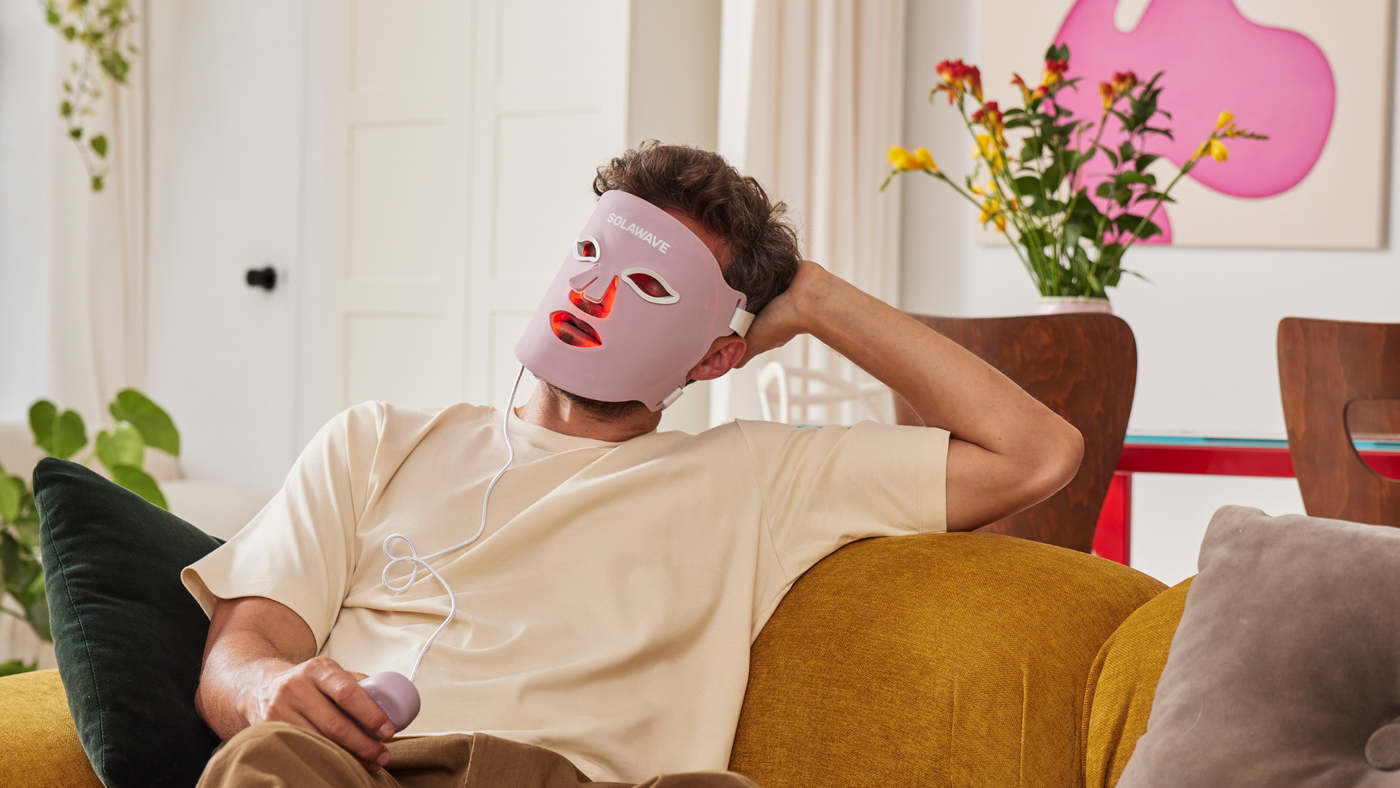
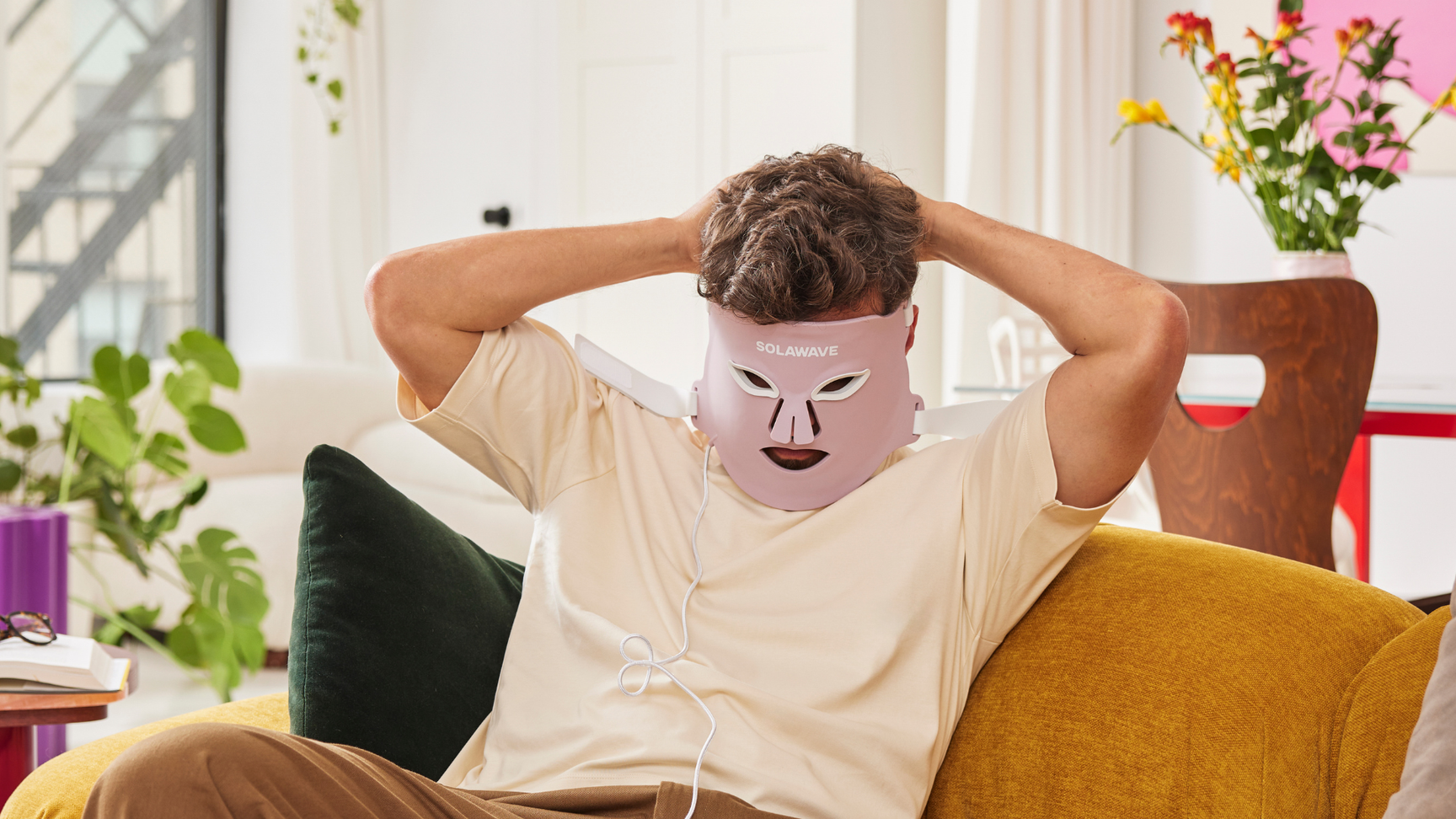
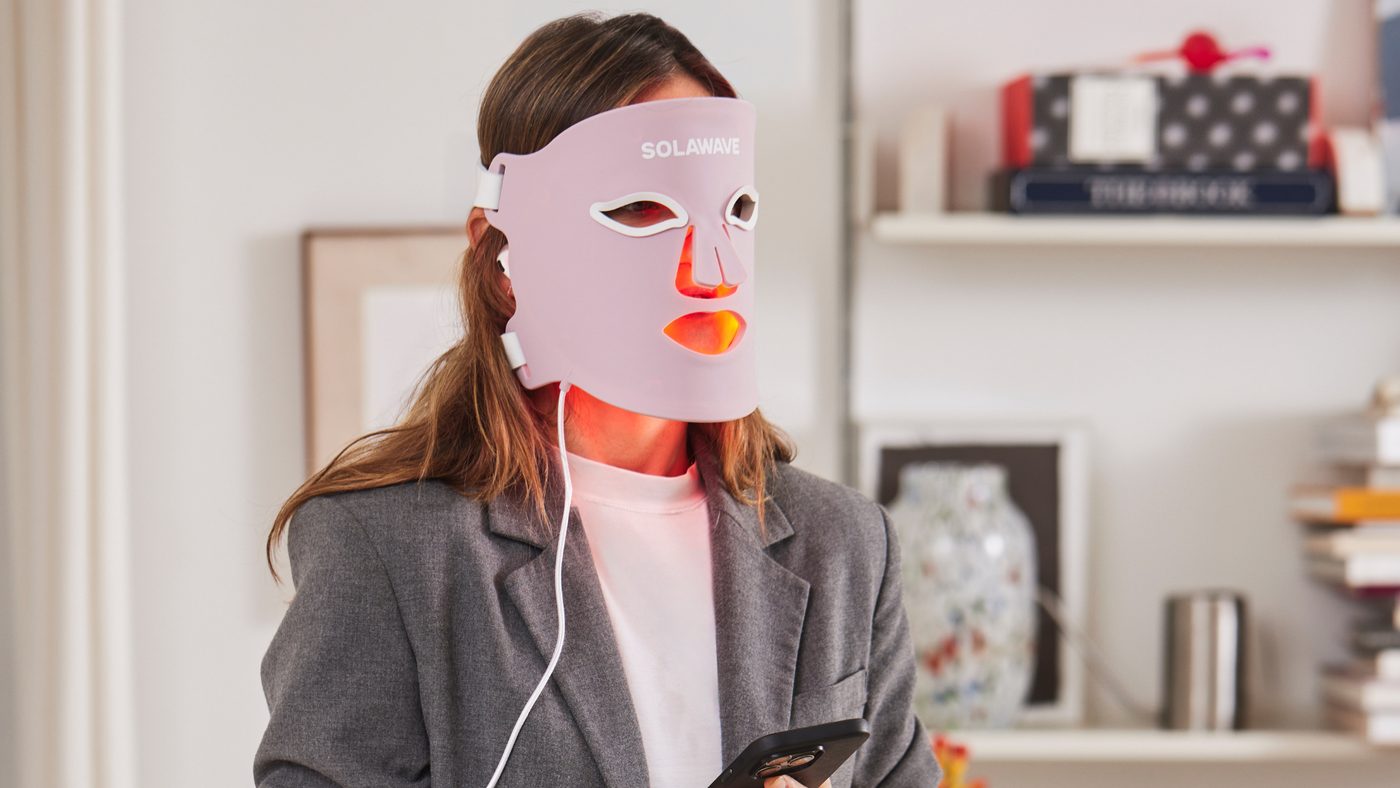
Once you get the green light, consistency is key. Regular sessions with a device like the Wrinkle Retreat Pro LED Face Mask can support your skin's ongoing recovery while also delivering its own standalone benefits. The mask uses 320 dual-core LEDs across four therapeutic wavelengths, including red at 630nm, deep red at 660nm, near-infrared at 830nm, and amber at 605nm, to visibly smooth fine lines, firm skin, and even tone. Each session takes just 3 minutes, 3 to 5 times per week.
Building red light therapy into your post-IPL care doesn't need to be complicated. Here's how to use red light therapy at home after an IPL treatment.
Wait 24 to 48 hours after your IPL session, or follow your provider's specific guidance.
Start with the Wrinkle Retreat Pro Face Mask for hands-free, full-face coverage. The 3-minute sessions are gentle enough for recovering skin and deliver four wavelengths simultaneously for comprehensive support.
Add targeted treatment with the 4-in-1 Skincare Wand once your skin is no longer sensitive to touch. The wand combines red light therapy at 630nm with galvanic current, therapeutic warmth, and facial massage. It's ideal for focusing on specific zones like smile lines, under-eyes, or areas of stubborn pigmentation that your IPL was targeting. Pair it with the LightBoost Wand Activating Serum for enhanced serum absorption through galvanic current technology.
Be consistent. Use your devices 3 to 5 times per week for the best results. Red light therapy works through cumulative cellular support, not one-time fixes. The more consistent you are, the more you're giving your skin the sustained energy it needs to recover and rebuild.
This is an important question, especially since IPL itself carries higher risks for darker skin tones. Because IPL targets melanin, people with Fitzpatrick skin types IV through VI face a greater chance of burns, hyperpigmentation, or uneven results from IPL treatments.
Red light therapy is fundamentally different. It targets mitochondria, not melanin. Every skin cell has mitochondria regardless of melanin content, which means red light therapy is safe and equally effective across all Fitzpatrick skin types, from I to VI. No UV exposure. No thermal damage. No risk of hyperpigmentation.
If you've had IPL and are concerned about supporting your skin's recovery without adding risk, red light therapy is one of the safest options available. All Solawave devices are FDA-cleared, clinically tested, and backed by a 60-day money-back guarantee.
The science is clear. Red light therapy and IPL aren't competitors. They're complements. One treats, the other supports the healing. Together, they give your skin exactly what it needs.
Always consult your dermatologist before combining treatments. Results may vary. Individual results are not guaranteed.
Most dermatologists recommend waiting 24 to 48 hours after IPL before using red light therapy. This allows your skin to move through the initial inflammatory response. Always follow your provider's aftercare instructions.
No. Red light therapy targets mitochondria, not melanin or hemoglobin. It works through a completely different mechanism than IPL, so it won't undo or interfere with the corrective effects of your IPL treatment.
Red light at 630 nm supports cellular energy production and helps modulate inflammatory pathways. This can support your skin's natural recovery process after the controlled thermal damage created by IPL.
Yes. Unlike IPL, which targets melanin, red light therapy targets mitochondria. This makes it safe and effective for all Fitzpatrick skin types from I to VI, with no risk of burns or hyperpigmentation.
The Wrinkle Retreat Pro LED Face Mask is ideal for gentle, full-face coverage during recovery. Once your skin is no longer sensitive, the 4-in-1 Skincare Wand adds targeted precision for specific zones.
Use your red light therapy device 3 to 5 times per week for consistent cellular support. Regular sessions help your skin maintain the energy it needs for ongoing recovery and visible improvement over time.
 Red Light Therapy