Rated 4.7 out of 5 stars
4.7 / 5


726,000+ customers
Free 60-Day Returns
1-Year Warranty
726,000+ customers
Free 60-Day Returns
1-Year Warranty
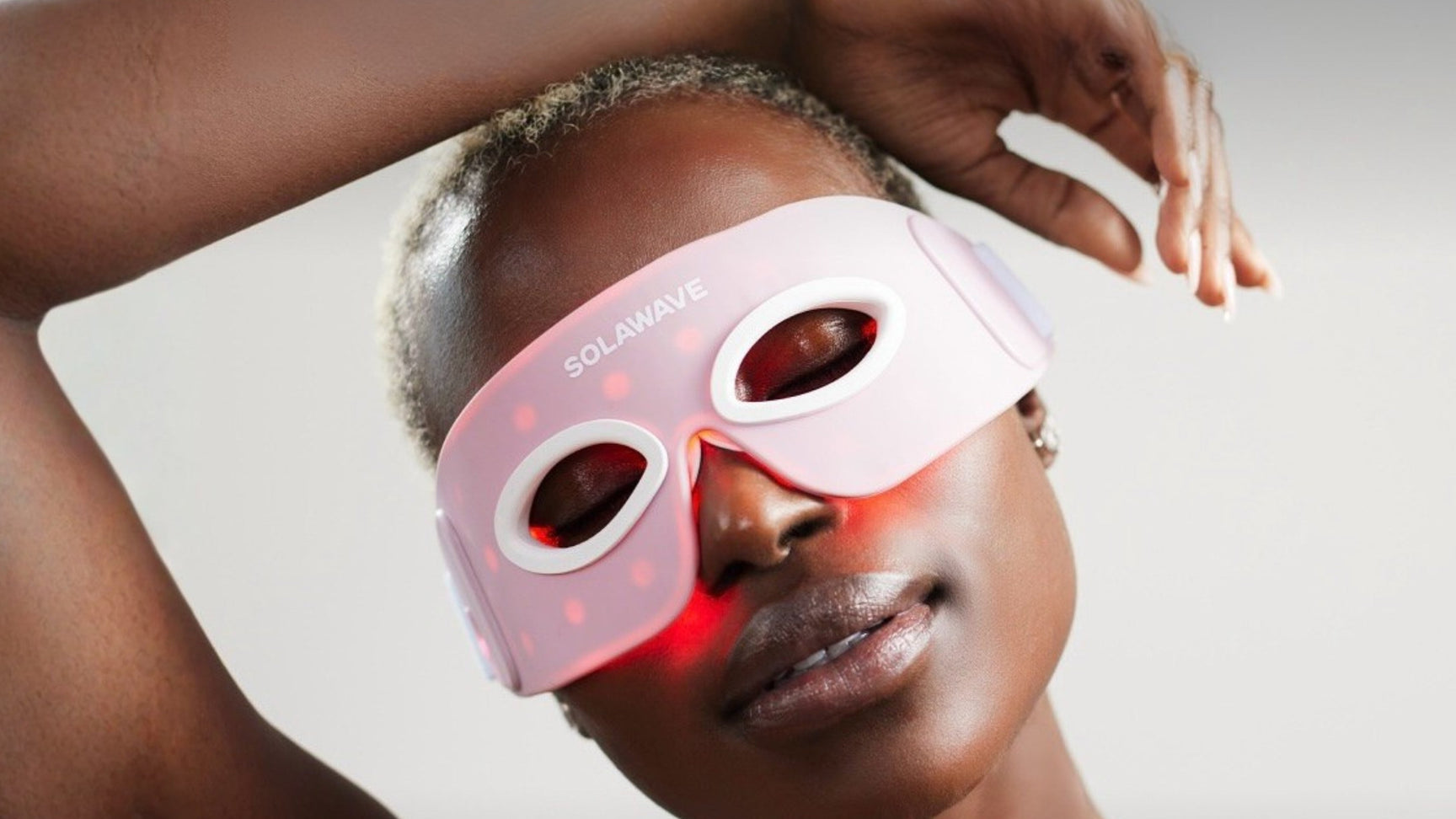
Yes - red light therapy works on dark skin and is safe across Fitzpatrick skin types IV through VI. Unlike UV light, which melanin absorbs and converts to heat, red and near-infrared wavelengths (630–660 nm and 810–850 nm) bypass melanin entirely and target mitochondria inside skin cells. This means melanin concentration does not block, reduce, or distort red light therapy results.
For Fitzpatrick skin types IV through VI , the mechanism that makes red light therapy effective - photobiomodulation of the mitochondrial respiratory chain - is identical regardless of melanin density. Clinical studies measuring collagen density, wrinkle reduction, and wound healing show consistent outcomes across skin tones. Unlike laser or IPL treatments, red light therapy does not rely on selective photothermolysis (heat targeting of melanin), which is the mechanism responsible for burns and hyperpigmentation in darker skin.
Key facts for melanin-rich skin:
If you have darker skin, you've probably learned to approach new skincare treatments with caution. Chemical peels that cause hyperpigmentation. Lasers that leave burns or discoloration. IPL devices with warning labels that essentially exclude you. The history of skincare technology and darker skin tones is, frankly, not great.
So when red light therapy emerges as a trending treatment promising everything from collagen stimulation to inflammation reduction, skepticism is warranted. Is this another technology that wasn't designed with melanin-rich skin in mind? Or does red light therapy's compatibility with dark skin tones represent something genuinely different?
The answer matters. And it requires looking beyond marketing claims to understand the actual science.
Before examining safety and efficacy for different skin tones, we need to understand what red light therapy actually does and how it differs from other light-based treatments.
Red light therapy uses specific wavelengths of visible red light (typically 620-700nm) and near-infrared light (typically 700-1100nm) to stimulate cellular function. Unlike many other light therapies, red light doesn't work by targeting melanin, hemoglobin, or other chromophores that vary between skin types.
Instead, red light is absorbed primarily by cytochrome c oxidase, an enzyme within the mitochondria of cells. This absorption stimulates increased production of adenosine triphosphate (ATP), the energy currency that powers all cellular processes. According to photobiomodulation research, this cellular energy boost supports:
Increased collagen and elastin production as fibroblasts gain more energy for protein synthesis.
Enhanced cellular repair and regeneration through improved function of repair mechanisms.
Reduced inflammation via modulation of inflammatory pathways.
Improved circulation through effects on blood vessel cells.
Accelerated wound healing because all healing processes require cellular energy.
Here's the crucial distinction: red light therapy doesn't target melanin. This is fundamentally different from technologies like IPL (intense pulsed light), certain lasers, and other light treatments that specifically interact with melanin as a chromophore.
When treatments target melanin, more melanin means more absorption, which can translate to more heat, more damage, and more risk of adverse effects like burns or post-inflammatory hyperpigmentation. This is why many light-based technologies are problematic for Fitzpatrick IV-VI light therapy applications.
Red light therapy operates on a different principle entirely. The target is mitochondria, not melanin. And everyone has mitochondria in their skin cells regardless of how much melanin they produce.
Let's examine what scientific studies reveal about LED therapy, melanin-rich skin efficacy, and safety.
Research on red light therapy has increasingly included participants across the Fitzpatrick scale. Several observations emerge from this research.
Efficacy appears consistent across skin types. Studies measuring outcomes like collagen density, wrinkle reduction, and wound healing show similar responses regardless of participant skin tone. The mechanism of action predicts this: if you're stimulating mitochondria rather than targeting melanin, the amount of melanin present shouldn't significantly affect results.
Safety profiles remain favorable across skin types. Unlike laser treatments that show increased adverse event rates in darker skin, red light therapy studies don't demonstrate this disparity. Burns, hyperpigmentation, and other complications are rare across all participants.
Energy parameters don't require significant adjustment. While some light treatments require dramatically different settings for different skin types, red light therapy protocols generally apply across the Fitzpatrick spectrum without major modification.
Honesty requires acknowledging research limitations.
Many early red light therapy studies had predominantly lighter-skinned participant pools, reflecting broader problems in dermatological research diversity.
Long-term studies specifically examining outcomes in Fitzpatrick IV-VI skin are still accumulating.
Individual variation exists within any skin type, and some people may respond differently than others, regardless of melanin levels.
The field continues to evolve, and more targeted research on LED therapy melanin-rich skin outcomes would strengthen the evidence base.
Board-certified dermatologists who specialize in skin of color have generally embraced red light therapy as a safe option for their patients. The consensus reflects the mechanistic understanding: this technology doesn't interact with melanin in the problematic ways that other light devices do.
This doesn't mean red light therapy is universally recommended or that it replaces other treatments. It means it's not automatically excluded from consideration the way some technologies must be.
Understanding the Fitzpatrick scale helps contextualize why red light therapy dark skin tones compatibility differs from other treatments.
Developed by Harvard dermatologist Thomas Fitzpatrick in 1975, this classification system categorizes skin by its response to UV exposure.
Type I burns easily and never tans, characterized by very fair skin, often with freckles.
Type II burns easily and tans minimally.
Type III sometimes burns and tans uniformly.
Type IV rarely burns and tans easily.
Type V very rarely burns and tans very easily.
Type VI never burns, deeply pigmented skin.
For treatments targeting melanin (IPL, some lasers), higher Fitzpatrick types face increased risk because there's simply more melanin to absorb energy and convert it to heat. This can cause burns, blistering, or hyperpigmentation.
For UV-based treatments, melanin provides some protection but also affects dosing considerations.
For red light therapy, melanin content is essentially irrelevant to the mechanism of action. The light passes through the epidermis to reach the mitochondria in deeper cells. While some absorption by melanin does occur, it's not the therapeutic target, and the energy levels used in red light therapy are low enough that this incidental absorption doesn't cause harm.
This is why Fitzpatrick IV-VI light therapy with red light differs so dramatically in safety profile from other light-based modalities.
Beyond safety, red light therapy may offer particular advantages for melanin-rich skin.
PIH is a common concern for darker skin tones, as any inflammatory event can trigger melanin overproduction that persists long after the initial issue resolves. Red light therapy's anti-inflammatory effects may help reduce the inflammation that triggers PIH in the first place.
For existing hyperpigmentation, red light supports cellular turnover and healthy melanocyte function without causing the additional inflammation that aggressive treatments might.
Darker skin tones have higher rates of keloid and hypertrophic scarring. Red light therapy has been studied for wound healing and scar prevention, showing potential for supporting normal healing processes rather than excessive scar tissue formation.
Because red light doesn't selectively target melanin, it won't create patches of uneven pigmentation. The treatment affects all skin cells similarly, supporting overall skin health rather than selectively affecting pigmented areas.
People with darker skin sometimes develop sensitized skin from using products or treatments designed without their skin in mind. Red light therapy provides treatment benefits without the irritation, peeling, or downtime that comes with many other modalities.
Understanding that red light therapy is safe for darker skin tones, here's how to incorporate it effectively.
Not all red light devices are equal. Quality matters for efficacy regardless of skin tone.
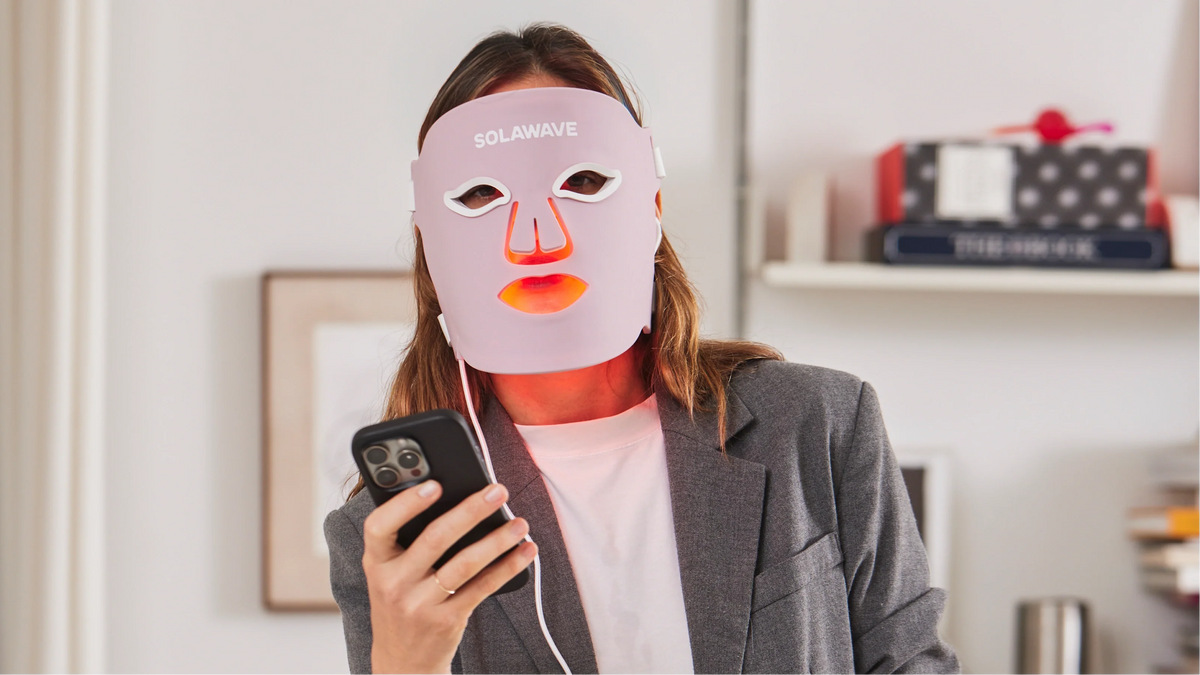
Look for FDA clearance, which indicates the device has met safety standards. The Red Light Therapy Face Mask features 320 medical-grade LEDs delivering four therapeutic wavelengths: Red (630nm), Deep Red (660nm), Amber (605nm), and Near-Infrared (830nm). FDA-cleared and designed for 3-minute sessions, it provides comprehensive treatment with established safety.
[[product:wrinkle-retreat-pro-red-light-therapy-led-face-mask-infrared-fda-cleared, radiant-renewal-skincare-wand-with-red-light-therapy, radiant-renewal-skincare-wand-with-red-light-therapy]]
Multiple wavelengths provide different benefits. Red wavelengths (630-660nm) address surface-level concerns like texture and tone. Near-infrared wavelengths (830nm+) penetrate deeper for collagen stimulation and inflammation reduction.
Power density affects efficacy. Underpowered devices may not deliver enough energy for therapeutic benefit. Medical-grade LEDs provide appropriate output.
Red light therapy integrates into skincare routines without requiring dramatic adjustments.
For morning routines, some people use brief red light sessions to reduce puffiness and boost radiance before their day. The minimal time requirement of modern devices makes this practical.
Evening use is most common, as red light therapy pairs well with repair-focused nighttime skincare. Use after cleansing, before or after serums, depending on device instructions.
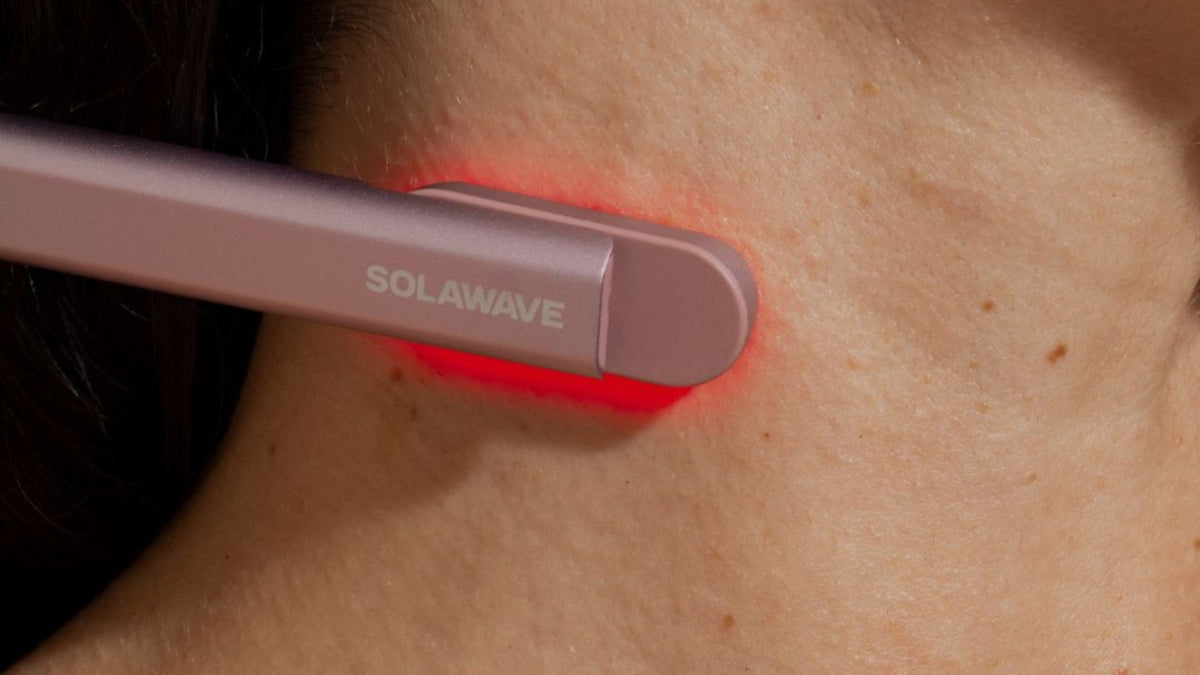
The red light therapy wand combines red light with facial massage, therapeutic warmth, and galvanic current for targeted treatment. The wand requires a water-based serum like the LightBoost Activating Serum to activate all four technologies.
Consistency matters more than duration. Regular use (3-5 times weekly) delivers better results than occasional longer sessions. Most studies showing benefits used consistent treatment protocols over 8-12 weeks.
Red light therapy enhances but doesn't replace a complete skincare routine.
Hydration supports all skin functions and allows better light penetration. The LightBoost Face and Neck Cream provides intensive moisture to support treatment efficacy.
Niacinamide complements red light therapy beautifully, supporting barrier function while also addressing hyperpigmentation concerns common in darker skin. The LightBoost Niacinamide Face and Neck Serum delivers this ingredient alongside hydrating components.
SPF remains essential. While red light therapy doesn't cause photosensitivity the way some treatments do, sun protection prevents the UV damage that causes hyperpigmentation and other concerns in all skin types.
The eye area deserves attention in all skin tones. The red light therapy eye mask targets this delicate zone specifically, addressing dark circles, fine lines, and puffiness.
The LightBoost Collagen Caffeine Eye Cream complements light therapy with targeted topical support for the eye area.
The neck and chest often show aging but get neglected in skincare routines. The Neck & Chest Rejuvenating Mask extends light therapy benefits to these areas.
Even with scientific understanding, questions and concerns arise. Let's address the most common ones.
No. Red light therapy does not stimulate melanin production or darken skin. The wavelengths used don't trigger melanogenesis the way UV light does. Some people notice their skin looks more "glowy" after treatment, but this reflects improved circulation and cellular function, not increased pigmentation.
This is understandable, and your caution is warranted. However, the mechanism of red light therapy differs fundamentally from IPL, ablative lasers, and other treatments that have caused problems. If past issues resulted from melanin targeting (burns, hyperpigmentation), red light therapy shouldn't produce the same effects because it doesn't work the same way.
That said, if you have concerns, start with brief sessions and observe your skin's response. Patch testing, while not strictly necessary for red light, can provide peace of mind.
Generally, no. Unlike treatments that require parameter adjustment based on Fitzpatrick type, red light therapy protocols apply across skin tones. The therapeutic target (mitochondria) doesn't vary with melanin content.
Some practitioners recommend slightly longer treatment times for very deeply pigmented skin to account for minimal absorption by melanin, but this is debated, and most protocols don't require adjustment.
Professional devices may offer higher power densities and thus shorter treatment times. However, quality at-home devices provide therapeutic benefit with consistent use. The convenience of at-home treatment often translates to better compliance, which can mean better results despite potentially lower single-session intensity.
All Solawave devices are FSA/HSA eligible and recommended by dermatologists, providing professional-grade treatment accessible at home.
Setting realistic expectations helps you evaluate whether red light therapy is working for you.
The first few weeks bring subtle improvements. Skin may look more radiant and feel smoother as the immediate effects of improved circulation and cellular function manifest.
By weeks 4-8, more noticeable changes emerge. Texture improvement, reduced inflammation, and early firmness enhancement become apparent.
At 8-12 weeks, collagen remodeling benefits become visible. This is when wrinkle reduction, improved elasticity, and more significant anti-aging effects appear.
Ongoing use maintains and builds on results. Red light therapy isn't a one-time treatment but an ongoing practice that supports skin health.
Concerns that respond well include fine lines and wrinkles, overall skin texture, uneven tone (through inflammation reduction and cellular turnover support), firmness and elasticity, post-inflammatory hyperpigmentation (gradual improvement), acne and inflammation, and wound healing and scar prevention.
Red light therapy won't dramatically lighten skin, as it's not a depigmenting treatment. It won't immediately eliminate deep wrinkles, since collagen building takes time. It won't replace treatments specifically designed for severe conditions. And it won't work without consistency because sporadic use yields minimal results.
The question of red light therapy compatibility with dark skin tones has a reassuring answer: this is genuinely a treatment that works across the Fitzpatrick scale. Unlike technologies that target melanin and thus carry increased risk for LED therapy melanin-rich skin, red light therapy targets cellular mitochondria, a mechanism that operates independently of melanin content. The research supports both safety and efficacy for Fitzpatrick IV-VI light therapy applications, with no significant increase in adverse events and comparable benefits to lighter skin tones. For those who have learned through difficult experience to approach new skincare technologies with skepticism, red light therapy represents something different: a treatment that was never designed around melanin in the first place, and therefore doesn't carry the same risks that other light-based modalities do. Your skin deserves effective treatment without disproportionate risk. Red light therapy offers exactly that.
Ready to experience red light therapy for yourself? Shop Solawave's skincare collection today.
FDA clearance for red light therapy devices applies across skin types. The FDA doesn't restrict these devices based on Fitzpatrick classification because the safety profile doesn't vary significantly with melanin content. This differs from some laser devices that carry specific warnings for darker skin tones.
Most evidence suggests treatment times don't need significant adjustment for melanin-rich skin. While some minimal light absorption by melanin occurs, therapeutic wavelengths still reach their target effectively. Standard protocols used in clinical studies included diverse participants without time modifications.
Red light therapy may help with hyperpigmentation through several mechanisms. Its anti-inflammatory effects reduce the inflammation that triggers post-inflammatory hyperpigmentation. Its support for cellular turnover helps normalize melanocyte function over time. However, it's not a primary treatment for dramatic depigmentation and works best as part of a comprehensive approach.
Yes, fundamentally. Laser treatments that cause burns in darker skin typically do so because they target melanin as a chromophore. More melanin means more absorption and more heat, leading to burns. Red light therapy targets mitochondria, not melanin. The wavelengths and energy levels used don't create the same risk profile, which is why adverse event rates don't increase with skin tone.
Look for FDA clearance as a baseline safety indicator. Choose devices from reputable companies with transparent specifications about wavelengths and power output. Medical-grade LEDs and multiple therapeutic wavelengths indicate quality. Devices recommended by dermatologists, particularly those who specialize in skin of color, provide additional confidence.
No. Red light therapy does not trigger melanogenesis or post-inflammatory hyperpigmentation (PIH). Unlike lasers that use heat to target melanin, red light (630-660 nm) stimulates mitochondria and does not interact with melanocytes. PIH risk at standard LED doses is not demonstrated in clinical literature.
Yes. Red light therapy is safe and effective for Fitzpatrick types IV-VI. It bypasses the melanin-targeting mechanism responsible for laser burns and hyperpigmentation, stimulating collagen, cellular repair, and inflammation reduction equally across all skin tones.
Yes. Melanin absorbs only 5-10% of 660 nm red light, allowing 80-90% light penetration in deeper skin tones (Fitzpatrick V-VI). The mitochondrial mechanism that drives collagen stimulation and skin repair is identical regardless of melanin concentration, so efficacy is consistent across skin tones.
 Skincare Devices