Rated 4.7 out of 5 stars
4.7 / 5
Wrinkle Retreat Pro Face Mask


726,000+ customers
Free 60-Day Returns
1-Year Warranty
726,000+ customers
Free 60-Day Returns
1-Year Warranty
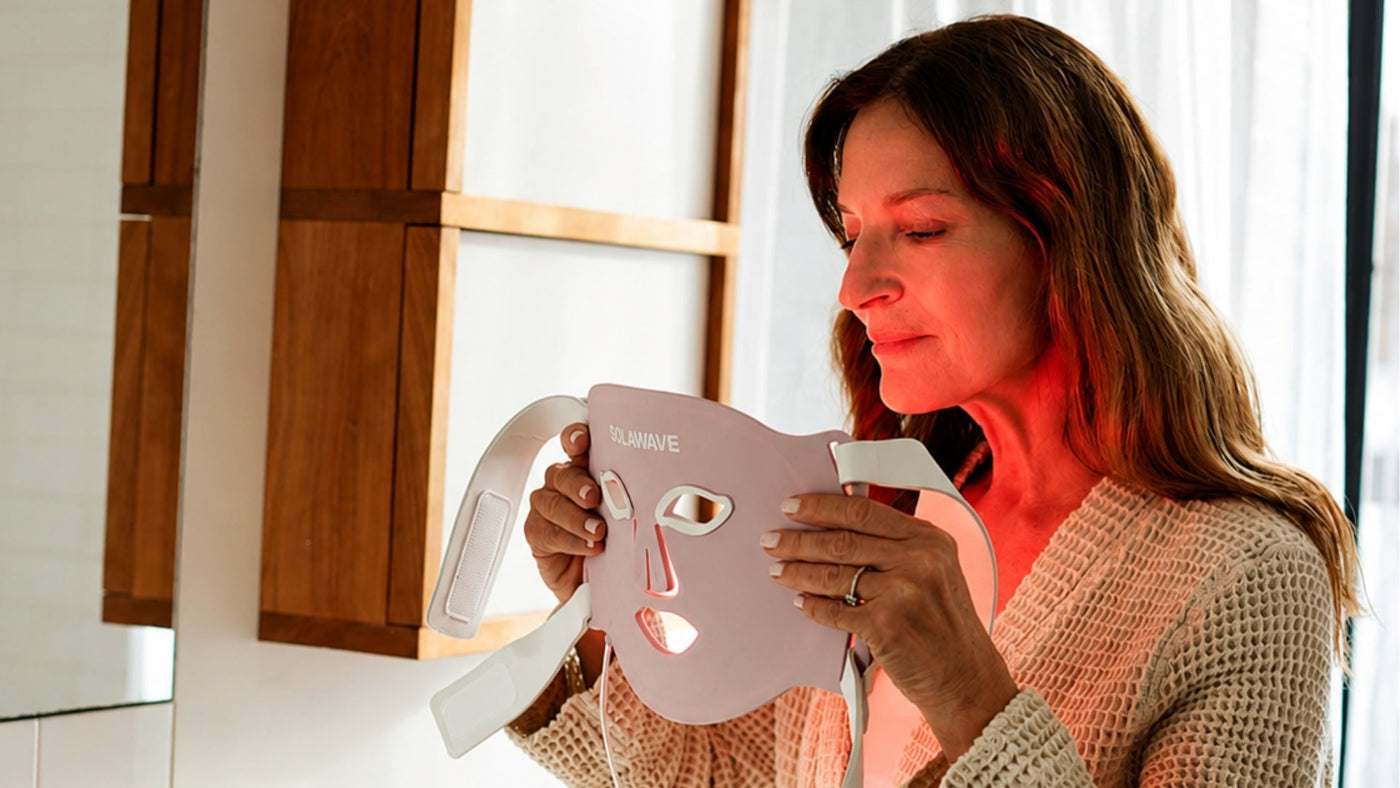
You have started your journey with at-home Red Light Therapy, excited for the glowing, youthful skin so many customers rave about. But after a session, you notice your skin feels a bit off. If you are asking yourself, what should I do if my skin feels irritated after using my device, take a deep breath. While it is an uncommon experience, a mild reaction can happen, and it is almost always temporary and easy to manage. Red Light Therapy is celebrated for being a gentle and non-invasive treatment, and understanding how to use your device correctly is key to a smooth, radiant experience.
This guide will walk you through why your skin might feel sensitive, what steps to take, and how to ensure every session is a soothing, spa-like moment. We will cover everything from simple adjustments to your routine to essential safety tips to keep your skin happy and healthy.
Before we address irritation, let's quickly recap what makes Red Light Therapy so effective. This science-backed technology uses specific wavelengths of light to give your skin cells an energy boost. The light is absorbed at the cellular level, where it stimulates the mitochondria to produce more ATP (adenosine triphosphate). This increase in cellular energy helps skin cells renew and repair themselves more efficiently. The result is supported collagen production, leading to visibly firmer skin and a reduction in the appearance of fine lines and wrinkles.
Unlike harsh chemical peels or invasive procedures, Red Light Therapy is a gentle treatment with no downtime and no risk of UV damage. The wavelengths used (typically 600 to 850nm) are fundamentally different from ultraviolet light and do not carry the same risks. Side effects are minimal and rare, which is why Red Light Therapy has become a favorite of dermatologists and aestheticians alike.
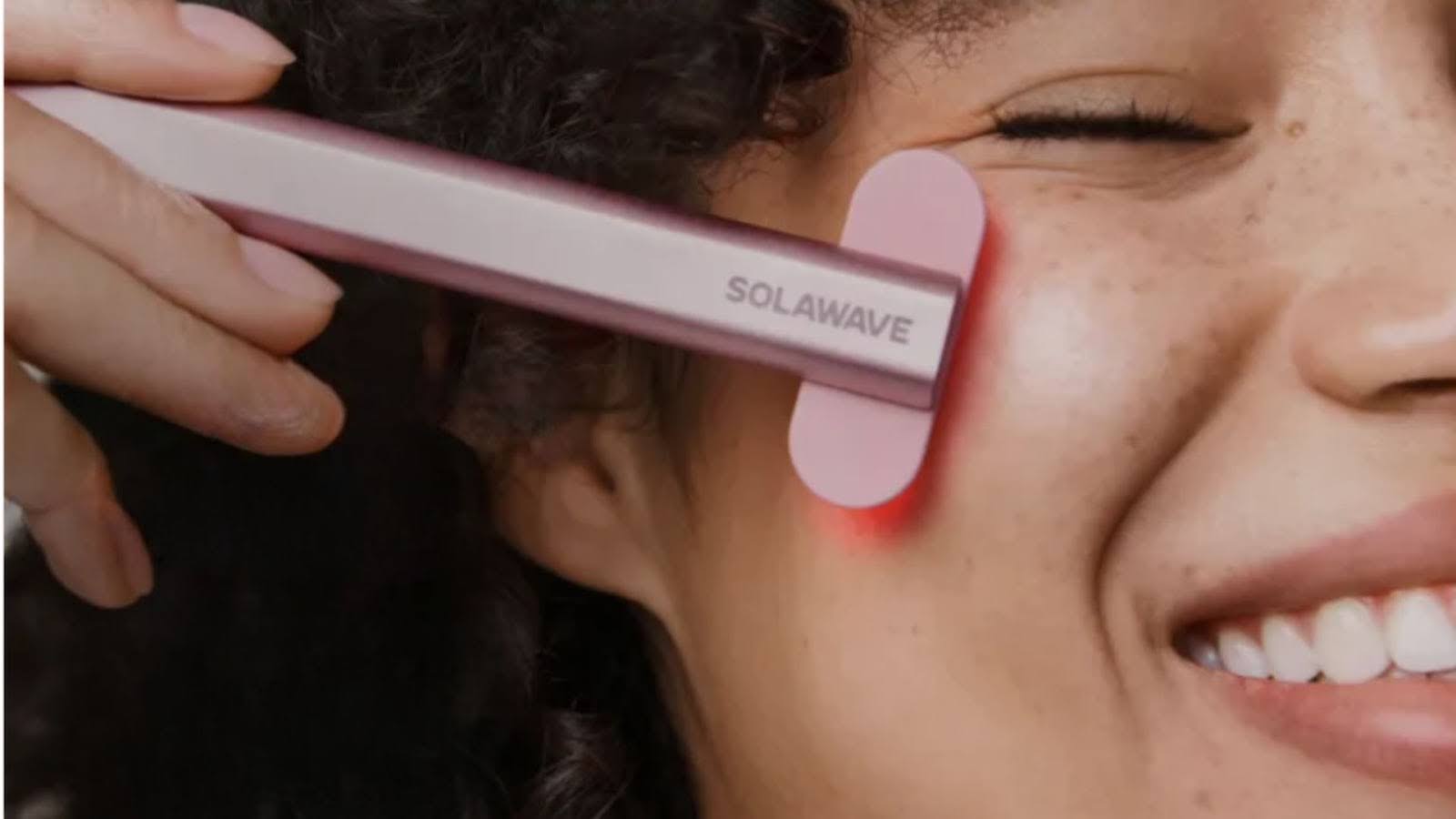
Most customers find the experience calming and pleasant, especially with devices like the Solawave red light therapy wand, which incorporates therapeutic warmth alongside Red Light at 630nm, galvanic current, and facial massage. This combination of four technologies creates a soothing, spa-like treatment that many customers look forward to as part of their daily routine.
After a session, it is perfectly normal to see a slight pinkish hue to your skin. This is simply a sign of increased blood circulation in the treated area, which is a positive indicator that the therapy is working as intended. This temporary flush should fade within a few minutes to an hour after your session ends.
However, if you are experiencing prolonged redness, itching, stinging, or any discomfort that lasts well beyond your session, that is a sign of actual skin irritation, and it is time to do some troubleshooting. Recognizing the difference between a healthy post-session glow and a genuine reaction is the first step toward resolving the issue.
If your skin is feeling genuinely irritated, it is likely due to one of a few simple, correctable factors. True Red Light Therapy side effects are not common, but understanding what could be causing a sensitivity reaction helps you address it quickly.
When you are excited about a new skincare tool, it can be tempting to think that more is better. However, overusing your device by treating your skin for longer or more frequently than recommended can lead to sensitivity and temporary discomfort. Your skin needs time to process the light energy and carry out its regenerative work between sessions. Understanding the potential side effects of using a red light therapy mask too long can help you recognize early signs of overuse and adjust your routine before irritation develops.
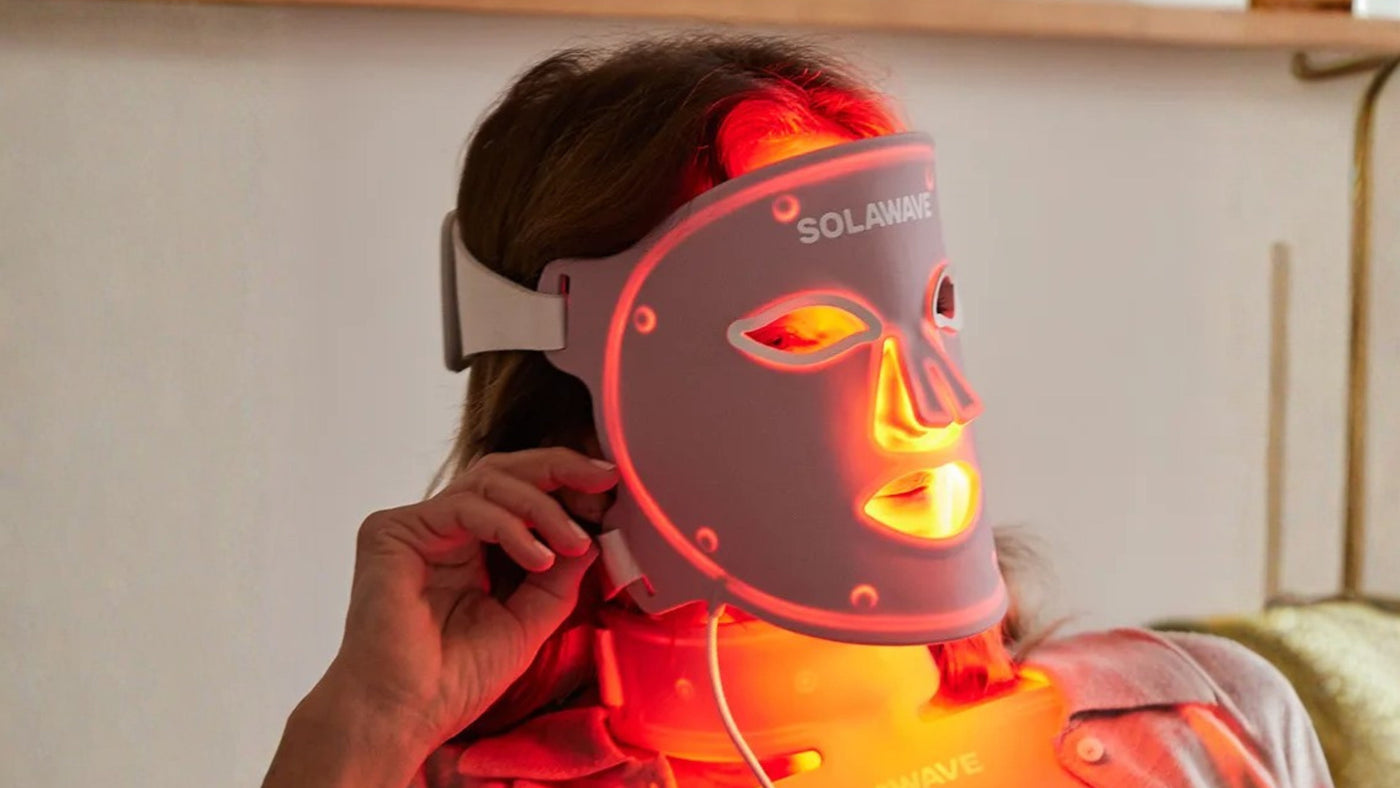
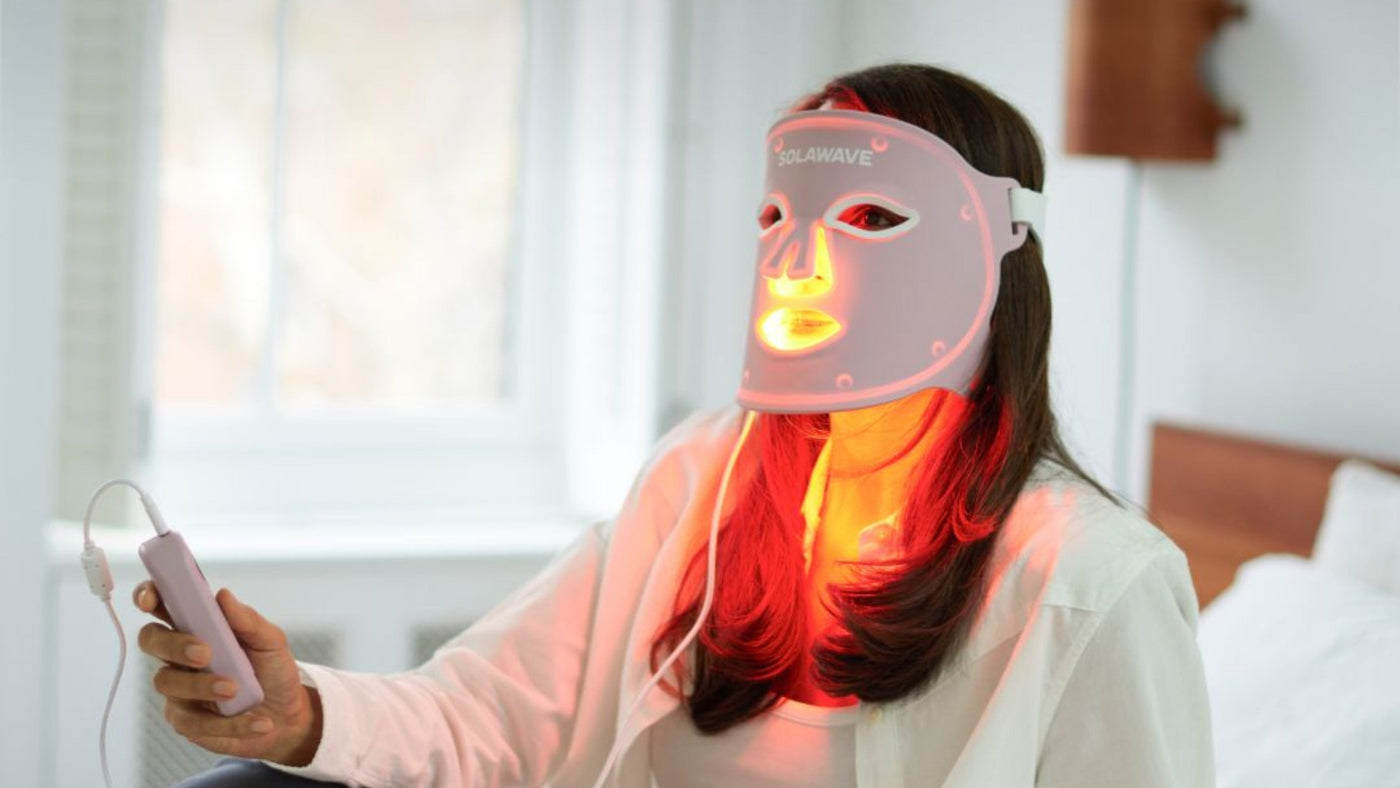
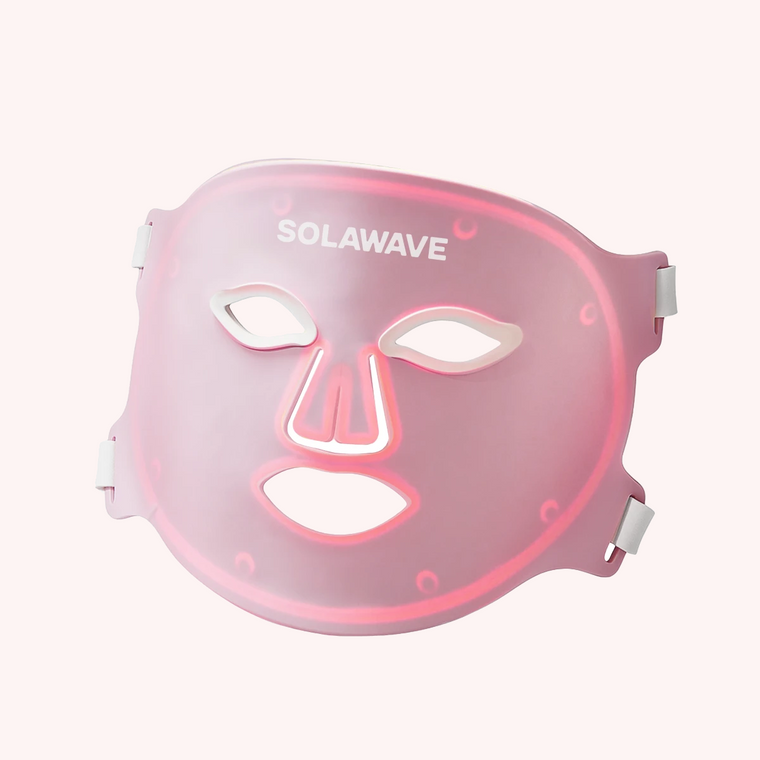
The Solawave red light therapy face mask is designed for highly effective 3-minute sessions using 320 medical-grade LEDs across four wavelengths: Amber (605nm), Red (630nm), Deep Red (660nm), and Near-Infrared (830nm). The built-in auto-timer automatically ends the session at the optimal duration, so you never have to worry about accidentally overdoing it. Sticking to the recommended frequency of 3 to 5 times per week ensures your skin receives the benefits without being overwhelmed.
For the red light therapy wand, each treatment zone takes 3 minutes, with a total session time of 12 minutes across four zones. The wand's built-in timer signals when each zone is complete.
Lasting results come from consistent, regular use, not from marathon sessions. Think of it like a workout for your skin: rest days are just as important as treatment days to allow for recovery and repair.
What you put on your skin before and after your treatment can significantly impact your results and comfort. The right preparation and aftercare can make all the difference between a great session and an irritating one.
Start with a clean canvas. Always use your Red Light Therapy device on clean, dry skin, free from makeup, sunscreen, or heavy creams. This is especially important because sunscreen contains ingredients designed to block light waves. Using a device over sunscreen can reduce the effectiveness of your session and potentially contribute to a reaction.
Use the right serum with the wand. For the red light therapy wand, applying the LightBoost Activating Serum before your session is essential, not optional. The galvanic current technology requires a water-based serum to function optimally and to allow the wand to glide smoothly across the skin. Using the wrong product, or no product at all, can cause pulling on the skin and lead to friction-based irritation that has nothing to do with the light therapy itself.
No pre-treatment products for the face mask. The red light therapy face mask should be used on clean, dry skin with nothing applied beforehand. Products applied before the session can create a barrier that reduces light penetration and may contribute to skin reactions.
Avoid harsh activities before your session. Refrain from using strong chemical exfoliants (like AHAs or BHAs), retinoids, or other potent active ingredients right before your Red Light Therapy session. These products can sensitize the skin and lead to overstimulation when combined with light therapy. You can reintroduce them on the days you are not using your device, or apply them at a different time of day.
Nourish your skin after your session. After your treatment, your skin is primed to absorb nourishing products. Apply the LightBoost Niacinamide Face and Neck Serum to help soothe the skin and support barrier repair. For the delicate eye area, apply the LightBoost Collagen Caffeine Eye Cream. Finish with the LightBoost Face and Neck Cream to lock in hydration and support firmness with multi-peptides, vegan collagen, and ceramides.


If you have a pre-existing condition like rosacea or eczema, or simply have generally sensitive skin, you might be more prone to a sensitivity reaction. This does not mean you cannot use Red Light Therapy, but it does mean you should take a more cautious approach. Starting with fewer sessions per week (2 to 3 times) and performing a patch test on a small, discreet area of skin can help you gauge your skin's tolerance before committing to a full-face treatment.
Individuals with darker skin tones (Fitzpatrick skin types V and VI) should consult their dermatologist before starting, as higher melanin concentrations can increase light absorption.
Certain medications can increase your skin's sensitivity to light, a condition known as photosensitivity. These can include some antibiotics (like tetracyclines), prescription retinoids (like isotretinoin), certain diuretics, anti-inflammatories, and some acne treatments. If you have recently started a new medication, it is a good idea to speak with your doctor or dermatologist before continuing your Light Therapy treatments to ensure it is safe for you.
Red light therapy does not directly remove moisture from the skin, but some users notice temporary dryness after sessions - particularly those with already-dry or sensitized skin types. This is most common when the device is used directly over skin that has not been properly cleansed of active skincare ingredients, or when session frequency is higher than recommended.
To maintain skin barrier integrity during your routine, apply a fragrance-free, non-comedogenic moisturizer within a few minutes of completing your session. Avoid using exfoliating acids or retinol immediately before or after use, as these strip the skin barrier and amplify light sensitivity. If dryness persists, reduce session frequency to every other day until your skin acclimates.
A burning sensation or skin redness after red light therapy is almost always a sign of overuse rather than a sign that the therapy is unsafe. Red light and near-infrared wavelengths do not generate ionizing energy and cannot burn skin the way UV light does — the sensation is typically caused by excess heat accumulation from sessions that are too long, too frequent, or held too close to the skin.
The most common triggers include: sessions exceeding the manufacturer's recommended duration; positioning the device closer than the advised distance (most panels are designed for 6–12 inches from skin); pre-existing skin sensitivity; and use of photosensitizing products or medications such as retinoids, certain antibiotics, or tretinoin, which increase skin reactivity to light.
What looks like a burn is often a temporary redness caused by increased microcirculation — the same mechanism that makes skin flush after a workout. This typically resolves within one hour. If redness or warmth persists beyond 24 hours, pause your sessions, avoid active skincare ingredients for 48 hours, and reintroduce your device with shorter sessions and a patch test on a small area first.
If you are experiencing skin irritation after using your device, here is a clear, step-by-step plan to calm your skin and get you back on track to glowing results.
Take a short break from using your device for two to three days. This gives your skin time to calm down and its natural barrier time to recover. Let any redness, itching, or sensitivity fully subside before you consider starting again. Do not rush this step.
While your skin is recovering, stick to the basics. Use a gentle, sulfate-free cleanser, a soothing and hydrating moisturizer, and a broad-spectrum sunscreen during the day. Avoid any products with strong fragrances, alcohols, or active ingredients that could further irritate your skin. Focus entirely on barrier repair and hydration during this recovery period.
Once your skin feels completely back to normal, it is time to reintroduce your Solawave device gradually.
Start with a patch test. Use your device on a small, less sensitive area, like along your jawline, to see how your skin reacts over the next 24 hours. If no irritation occurs, proceed to a full session. The Solawave red light therapy face mask has a fixed 3-minute session that auto-shuts off, making it an excellent option for a controlled reintroduction.
Begin with fewer sessions per week. Start with 2 to 3 sessions and monitor your skin's response. If everything feels comfortable, gradually increase to the recommended 3 to 5 sessions per week over the following weeks.
Do a quick check of your routine. Are you starting with freshly cleansed skin? If you are using the red light therapy wand, are you applying a generous layer of the LightBoost Activating Serum before your session? Are you avoiding harsh activities immediately before treatment? A quick review of the instructions included with your device can often solve the problem and improve your experience.
If the irritation is severe, painful, or persists even after taking these steps, stop using the device and consult with a board-certified dermatologist. They can help identify any underlying issues, such as a true allergy, an undiagnosed skin condition, or a medication interaction, and provide personalized advice based on your specific needs.
Prevention is always better than reaction. Following these safety best practices will help you avoid irritation and ensure every treatment is effective and enjoyable.
The market is filled with LED devices, but they are not all created equal. At-home options like Solawave are FDA-cleared, making them safe and reliable for regular use. FDA clearance means the device has been reviewed by the Food and Drug Administration for safety and efficacy, providing confidence that the device meets rigorous standards. With more brands entering the market without FDA clearance and therefore uncertain safety protocols, verifying this designation before purchasing any device is one of the most important steps you can take.
Not all LED devices are built with the same safety standards. Here is how Solawave compares to many generic or unregulated devices on the market.
| Safety Feature | Solawave | Generic / Non-FDA-Cleared Devices |
|---|---|---|
| FDA Clearance | Yes, all devices were reviewed for safety and efficacy | Often absent or unverified |
| Auto-Timer | Built-in, prevents overexposure (3 min for masks, zone timer for wand) | Frequently absent, requires manual tracking |
| Material | Flexible, medical-grade silicone (biocompatible, hypoallergenic) | Rigid plastic material safety is often undisclosed |
| Wavelength Verification | Clinically validated wavelengths (605nm, 630nm, 660nm, 830nm) | Wavelengths are often unverified or inconsistent |
| Irradiance Testing | 65mw/cm² (face mask), tested for consistent output | Power output is rarely disclosed or independently tested |
| Protective Goggles | Included with a face mask | Rarely included |
| Electrical Safety | IEC 60601-1 compliant | Often undisclosed |
| Photobiological Safety | IEC 62471 compliant | Often undisclosed |
| Warranty | 1-year premium warranty | 30 days or none |
| Return Policy | 60-day money-back guarantee | Often 30 days or final sale |
Many cases of skin irritation from LED devices are linked to unregulated products with inconsistent power output, unverified wavelengths, or materials that are not biocompatible. Choosing an FDA-cleared device with verified safety standards is the single most effective way to minimize the risk of irritation.
For the red light therapy face mask, red light therapy eye mask, and Neck and Chest Pro Light Therapy Mask, always start with clean, dry skin and apply all skincare products after your session. This allows the light to penetrate the skin effectively and prevents unwanted reactions between products and the light wavelengths.
For the red light therapy wand, the LightBoost Activating Serum must be applied before every session. The galvanic current technology requires a water-based serum to function, and skipping this step means you will not receive the full benefit of all four technologies. It also prevents friction that can irritate.
Beautiful results come from consistent sessions, not from extended or overly frequent treatments. Sessions of 3 minutes with the face mask or 12 minutes total with the wand, repeated 3 to 5 times per week, will deliver far better and safer results than trying to do more than recommended. Once-a-week sessions are unlikely to deliver the improvements most customers are looking for, so building a regular rhythm is essential.
Wipe down your device after each use with a soft, damp cloth or a Solawave Device Cleaning Wipe to prevent bacteria buildup and maintain optimal light delivery. A clean device reduces the chance of breakouts or irritation caused by bacterial transfer.
If you are pregnant, always consult with your doctor before using any new treatments or devices. While Red Light Therapy is considered gentle, limited research exists specifically on its use during pregnancy. If you are pregnant and your doctor approves the use of Red Light Therapy, focus only on the face, neck, and upper chest and avoid the abdomen and lower back. Solawave devices are designed for customers who are 18 years of age or older.
Once you have addressed any irritation and confirmed the right approach for your skin, building a consistent Light Therapy routine becomes one of the most rewarding parts of your skincare practice.
For a comprehensive routine, the red light therapy face mask provides full-face coverage in 3 minutes. Add the red light therapy eye mask for focused treatment of the delicate eye area, targeting dark circles, puffiness, crow's feet, and fine lines. The Neck and Chest Pro Light Therapy Mask extends your Light Therapy routine below the jawline, addressing fine lines, sagging, and uneven tone on the neck and chest. The red light therapy wand offers precision treatment for specific areas of concern like smile lines, forehead, and jawline.
After your sessions, follow up with the LightBoost Niacinamide Face and Neck Serum, the LightBoost Collagen Caffeine Eye Cream, and the LightBoost Face and Neck Cream to maximize the benefits of your treatment.
Many Solawave purchases may also be eligible for coverage with FSA/HSA funds, making the investment in your skin health more accessible.
Explore the full Solawave collection to find the right devices and products for your skincare goals.
Experiencing mild irritation after using a Red Light Therapy device is uncommon, but when it does happen, it is almost always temporary and easily resolved. In most cases, the cause is simple: overuse, the wrong pre-treatment products, or underlying skin sensitivity. By following the recommended session duration and frequency, using the correct products with each device, and listening to your skin's response, you can enjoy all the benefits Red Light Therapy has to offer with comfort and confidence.
Solawave devices are designed with safety features like auto-timers, protective goggles, and medical-grade materials to make proper usage effortless. With 3-minute sessions on the face mask, built-in safeguards against overuse, and FDA clearance, your safety is always the priority.
If irritation persists despite following these guidelines, consult with your dermatologist for personalized advice. Your skin is unique, and a professional can help you find the approach that works best for you.
Disclaimer: This article is intended for informational purposes only and should not be interpreted as medical advice. Always consult with a qualified healthcare professional before starting any new skincare treatment.
It is extremely rare for an FDA-cleared, at-home Red Light Therapy device to cause burns when used as directed. Burns or blisters are typically associated with significant misuse, such as using a device for much longer than recommended, or with faulty, non-regulated devices. The Solawave red light therapy face mask includes an auto-timer that automatically ends the session at 3 minutes, preventing accidental overuse.
It depends on the device. For LED masks (the face mask, eye mask, and Neck and Chest Pro Mask), use the device on clean, dry skin with nothing applied. All skincare products should be applied after your session. For the red light therapy wand, always apply the LightBoost Activating Serum before your session, as the galvanic current requires a water-based serum to function.
If you experience mild redness, it is typically just a temporary flush from increased circulation that should subside within minutes to an hour. If it is true irritation, it may take one to two days to calm down after you pause use. During this recovery time, simplify your skincare routine and focus on gentle hydration and barrier repair.
Signs of overuse can include prolonged redness or a feeling of warmth that does not subside within an hour, increased skin sensitivity or tenderness, unusual dryness or flakiness, or a feeling of tightness in the treated area. If you notice any of these signs, reduce the frequency of your sessions and allow your skin more rest days between treatments.
Many customers with rosacea find Red Light Therapy calming, but skin can be unpredictable with this condition. Always consult your dermatologist before starting. If approved, begin with 2 to 3 sessions per week and monitor your skin's response carefully. Perform a patch test first, and pair your treatments with calming products like the LightBoost Niacinamide Face and Neck Serum to support barrier health.
A temporary increase in breakouts when first starting Red Light Therapy is not uncommon and is sometimes attributed to the skin adjusting as cellular activity increases. This typically resolves within the first few weeks of consistent use. However, if breakouts are persistent, worsening, or accompanied by other signs of irritation, pause your sessions for a few days and consult your dermatologist if the issue continues.
It is best to avoid applying retinol or other potent active ingredients immediately before your Red Light Therapy session, as these can sensitize the skin and increase the chance of irritation. You can apply retinol on the days you are not using your device, or use it at a different time of day (for example, if you do your Light Therapy in the morning, apply retinol in the evening). Always apply a broad-spectrum sunscreen during the day when using retinol.
A slight pinkish flush that fades within an hour is completely normal and indicates healthy blood flow to the treated area. You should be more attentive if you experience prolonged redness lasting beyond a couple of hours, itching or stinging, visible swelling, persistent dryness or flaking, or any discomfort during the session itself. If symptoms are mild, follow the troubleshooting steps outlined in this article. If they are severe or persistent, consult your dermatologist.
Red Light Therapy is generally well-tolerated across a range of skin tones. However, individuals with darker skin tones (Fitzpatrick skin types V and VI) should consult their dermatologist before beginning treatment, as higher melanin concentrations can increase light absorption. The American Academy of Dermatology recommends that customers in this range discuss LED therapy with their dermatologist to determine the best approach.
Yes. Many customers build a comprehensive routine by combining the red light therapy face mask (3 minutes) with the red light therapy eye mask (3 minutes) and the Neck and Chest Pro Light Therapy Mask in a single routine. If you have been experiencing irritation, however, reintroduce one device at a time to identify which device or combination may be contributing to the sensitivity. Once your skin has adjusted, you can gradually add additional devices back into your routine.
FDA clearance means the device has been reviewed by the Food and Drug Administration for both safety and efficacy. This designation provides confidence that the device meets rigorous standards and has been properly evaluated through testing. Devices without FDA clearance have not undergone this review process, which means their safety protocols and effectiveness are uncertain. Solawave devices are FDA-cleared and also come with a 1-year premium warranty and a 60-day money-back guarantee for added confidence.
Yes. Red Light Therapy is widely considered a safe, low-risk treatment when used as directed with an FDA-cleared device. The wavelengths used (600 to 850nm) are fundamentally different from ultraviolet light and do not carry the same risks. Solawave devices include multiple built-in safety features: auto-timers that prevent overexposure, medical-grade silicone construction, IEC 60601-1 electrical safety compliance, and IEC 62471 photobiological safety compliance. Clinical studies and dermatologist reviews consistently support the safety profile of LED light therapy for at-home skincare use.
Side effects from FDA-cleared Red Light Therapy masks are minimal and rare. The most common experience is a temporary pinkish flush immediately after a session, which is a normal sign of increased blood circulation and typically fades within minutes to an hour. In uncommon cases, some customers may experience mild dryness, temporary sensitivity, or a brief increase in breakouts as the skin adjusts during the first few weeks of use. Serious side effects like burns or blisters are extremely rare and are almost exclusively associated with non-FDA-cleared devices or significant misuse. Following the recommended frequency of 3 to 5 sessions per week and using the device on clean, dry skin minimizes any risk.
A gentle warmth during or immediately after your session is completely normal. Red Light Therapy devices emit light energy that is absorbed by the skin, and a mild warming sensation is a natural byproduct of this process. This warmth should be comfortable, not painful, and should dissipate quickly after the session ends. The Solawave face mask auto-timer ensures the 3-minute session length stays within the range where warmth remains comfortable and safe. If you experience heat that feels uncomfortable or persists long after your session, stop using the device and consult your dermatologist.
Red Light Therapy does not use UV wavelengths and is not associated with the kind of light-induced hyperpigmentation that can occur with sun exposure. However, individuals with darker skin tones (Fitzpatrick skin types V and VI) should consult their dermatologist before starting, as higher melanin concentrations can increase light absorption, which may affect how the skin responds. The American Academy of Dermatology recommends that customers in this range discuss LED therapy with their dermatologist to determine the best approach for their skin.
To isolate the cause, try using your device on clean, dry skin with no products applied before or after for one session. If the irritation does not occur, the issue is likely related to a product interaction rather than the device itself. Common culprits include strong actives (retinoids, AHAs, BHAs) applied too close to your treatment time, sunscreen or makeup residue left on the skin during the session, or a product that your skin is reacting to independently of the Light Therapy. Reintroduce products one at a time after your sessions to identify which one may be contributing.
Itching after red light therapy is usually caused by increased blood circulation bringing nutrients to the skin surface, mild dehydration, or sensitivity to heat. It typically subsides within 15-30 minutes. Apply a gentle, fragrance-free moisturizer immediately after treatment and ensure your skin is clean before use.
Red spots can indicate photosensitivity or an allergic reaction to products used before treatment. Stop using the device, apply a cool compress, and avoid active ingredients (retinol, acids) for 48 hours. Always use red light therapy on clean, product-free skin.
Yes. Mild itching after red light therapy is a known temporary reaction, typically caused by increased circulation or overuse. Reduce session frequency and confirm your device is used at the recommended duration to resolve it.
Yes, a rash is possible if sessions are too long, too frequent, or if you have photosensitive skin. Pause use for several days, simplify your skincare routine, and restart with shorter sessions and a patch test.
True allergies to red light are rare, but some individuals with photosensitive conditions or certain medications - including retinoids, antibiotics, and melatonin - may experience heightened skin reactions. Consult a dermatologist before continuing use.
Red light therapy does not burn skin when used correctly. Burns are rare and typically result from misuse - such as sessions exceeding recommended times, incorrect device distance, or low-quality devices with uneven energy output.
Red light therapy itself does not increase UV sensitivity. However, if you use photosensitizing skincare products such as retinol or AHAs alongside your device, sun sensitivity may increase - apply SPF after any daytime session.