Rated 4.7 out of 5 stars
4.7 / 5


726,000+ customers
Free 60-Day Returns
1-Year Warranty
726,000+ customers
Free 60-Day Returns
1-Year Warranty
If you recently added LED light therapy to your daily routine, you might be wondering how often to use your device. Is daily use necessary to see visible improvements, or will a few sessions per week give your skin that refreshed appearance? Finding the ideal rhythm can feel confusing with so many different devices and recommendations available online.
Solawave designs FDA-cleared LED devices and light-activating topicals to fit seamlessly into standard home routines. Knowing how often should you do red light therapy comes down to understanding your specific skincare goals, the type of device you are using, and how your skin responds to consistent light exposure. Consistency matters far more than session length. Here is a clear guide on how to establish the right light therapy schedule for balanced, radiant-looking skin.
Quick Answer: For most at-home red light therapy devices, using them 3 to 5 times per week for 3 minutes per treatment area offers an effective rhythm for visible skincare benefits. Consistent, regular sessions help support a smoother, more radiant appearance over time.
When incorporating red light therapy into your regimen, more is not always better. Skin responds best to regular, moderate stimulation rather than sporadic, lengthy treatments.
For most adults using home-use LED devices, the recommended baseline is 3 to 5 times per week. Each treatment session generally lasts between 3 and 12 minutes, depending on whether you are treating a specific spot or your full face.
This weekly frequency allows your skin to adapt to the light energy while maintaining a regular cadence. Light therapy works gradually. Unlike an aggressive chemical peel or deep physical exfoliation, LED light does not require downtime, but skin still benefits from a balanced schedule.
Using your device every single day is generally acceptable for low-power, non-invasive home devices, but sticking to 3 to 5 days a week gives you room to evaluate how your skin looks and feels. Consistency across four to eight weeks is where most people begin to notice a visibly smoother, more luminous complexion.
Your ideal schedule depends on the specific appearance-based concerns you want to address. Below is a breakdown of common skincare goals and how device usage typically aligns with each one.
| Skincare Focus | Recommended Solawave Device | Target Session Frequency | Duration Per Session |
|---|---|---|---|
| Full-face rejuvenation & look of fine lines | Wrinkle Retreat Pro LED Face Mask | 3 to 5 times per week | 3 minutes (auto shut-off) |
| Look of dark circles & under-eye puffiness | Radiant Renewal Eye Recovery Pro | 3 to 5 times per week | 3 minutes |
| Neck and décolleté texture & firmness look | Neck & Chest Pro Mask | 3 to 5 times per week | 3 minutes |
| Targeted facial massage & multi-tech care | 4-in-1 Skincare Wand | 3 to 5 times per week | 3 minutes per area (12 min total) |
| On-the-go facial or body spot care | 2-in-1 Skincare Mini | 3 to 5 times per week | 3 minutes per area (12 min total) |
| Individual blemishes & visible redness | our Anti-Acne collection | Once daily per spot | 3 minutes per spot |
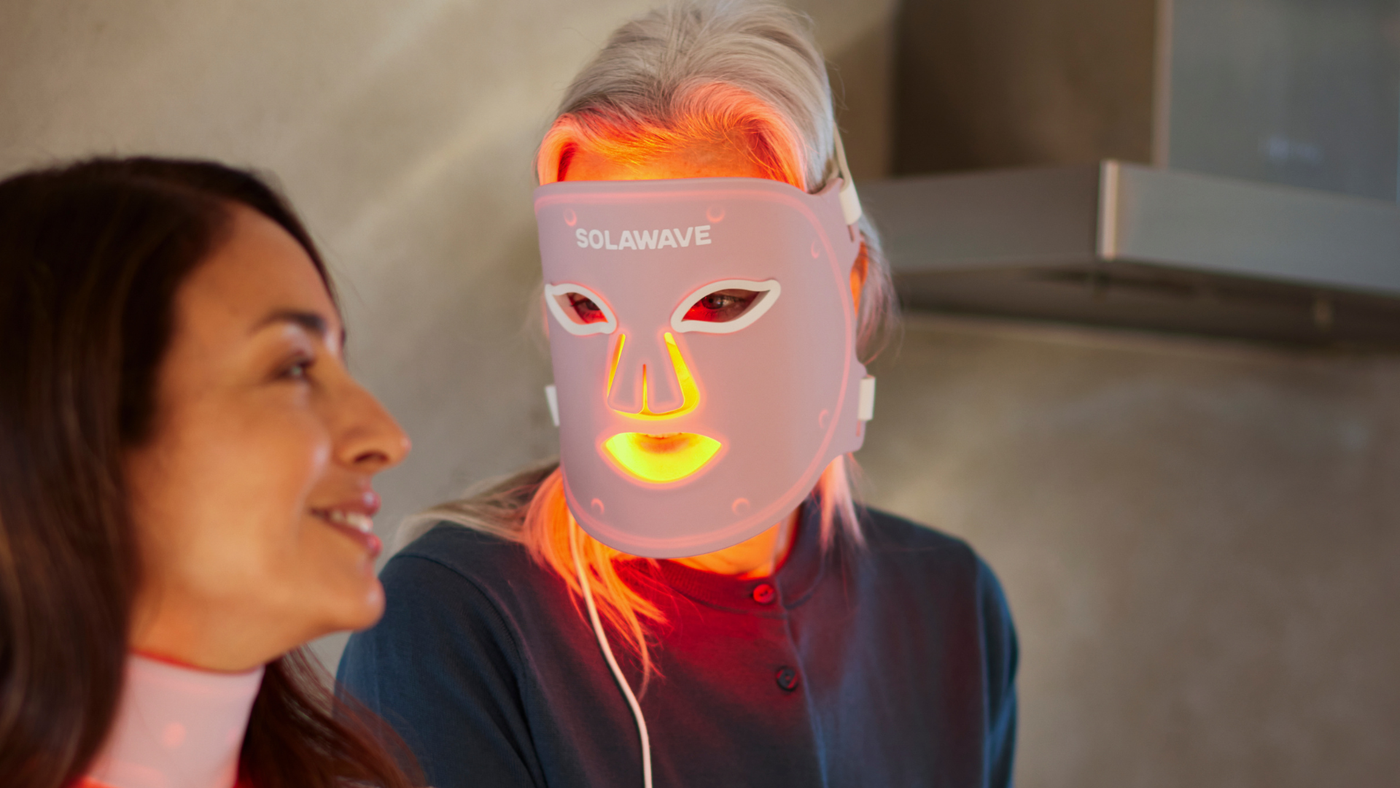
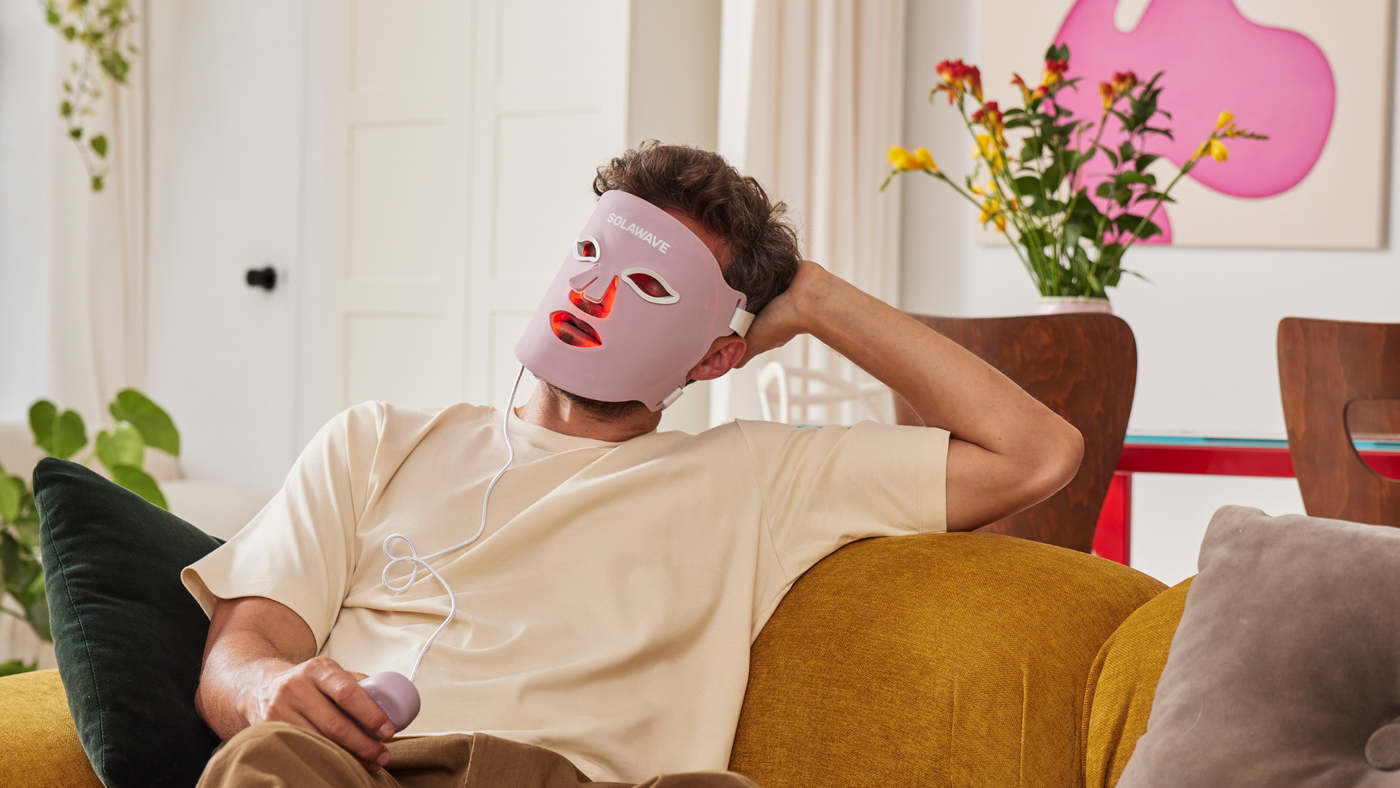
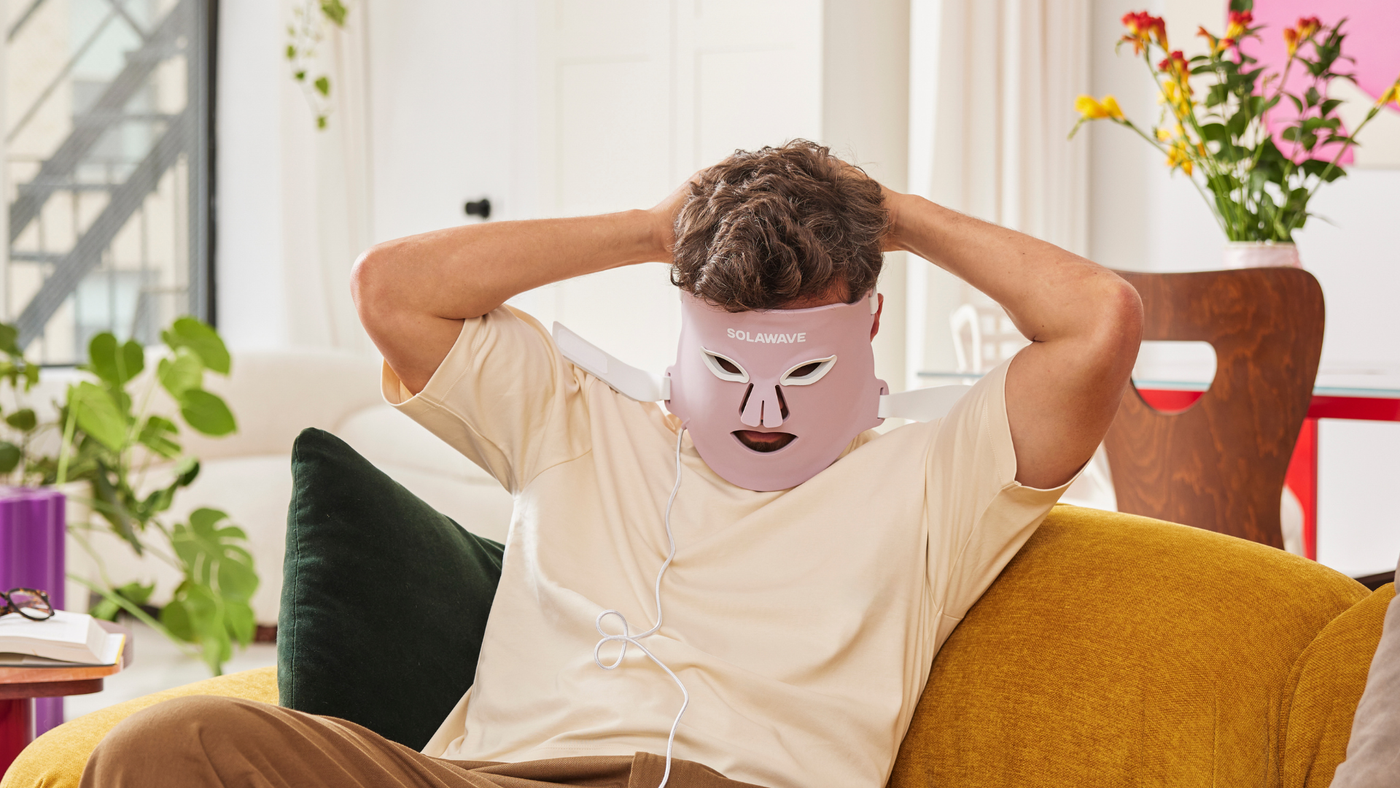
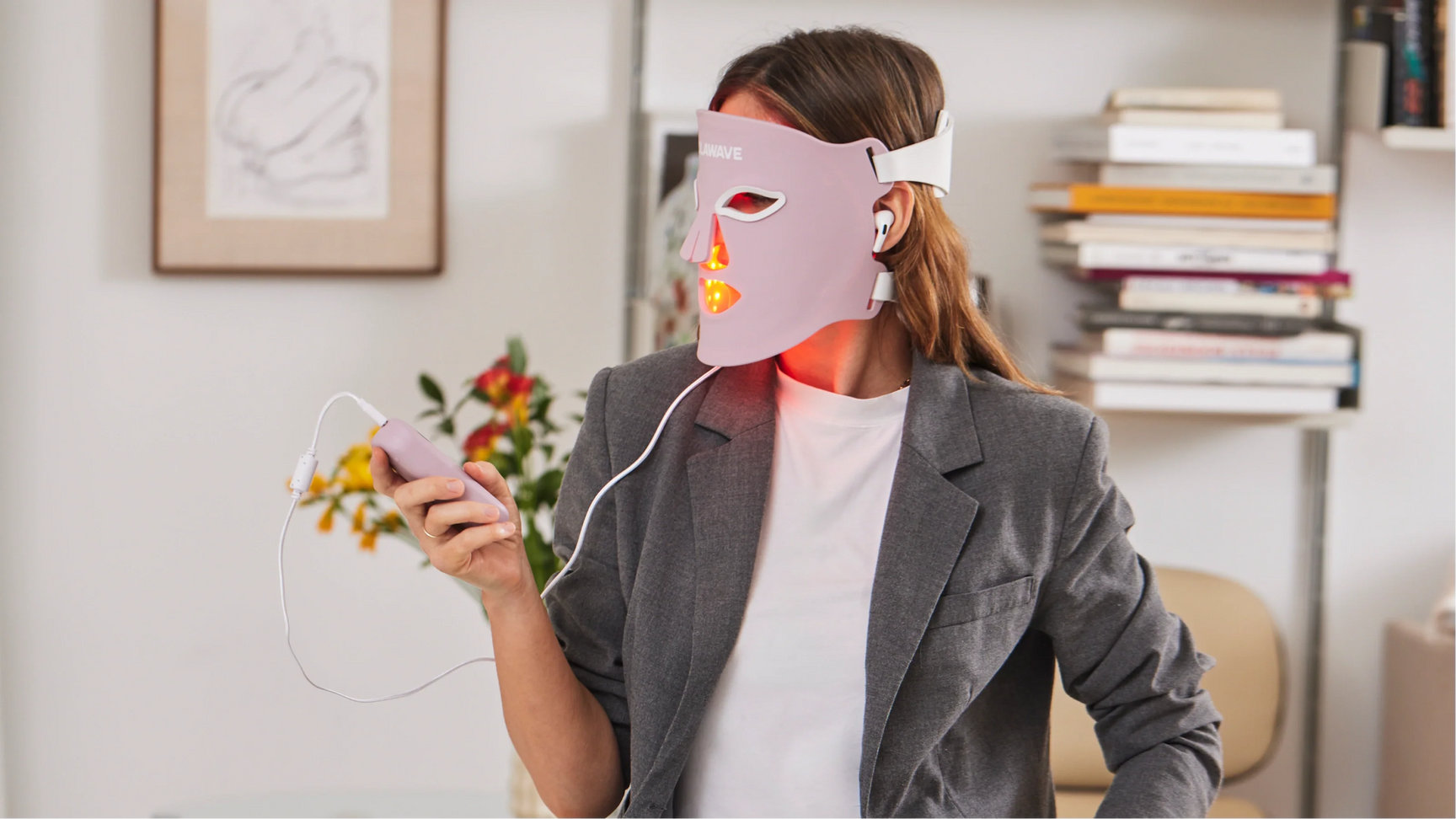
If your main goal is supporting the look of firmer, smoother skin across your face, full-coverage masks provide uniform light delivery. The Wrinkle Retreat Pro LED Face Mask features 320 LEDs and takes just 3 minutes per session. Using this mask 3 to 5 times per week provides balanced coverage to help improve the appearance of fine lines and overall facial glow.
The skin around the eyes is thin and delicate. Using a dedicated eye mask like the Radiant Renewal Eye Recovery Pro 3 to 5 times per week for 3 minutes helps refresh the look of tired eyes, targeting the look of dark circles and fine lines without overwhelming delicate skin.
The neck and décolleté are frequently exposed to environmental stressors. Applying the Neck & Chest Pro Mask 3 to 5 times per week for 3 minutes supports a smoother, more even-toned appearance across areas that are often neglected in standard routines.
When addressing localized blemishes, daily targeted care works best. An FDA-cleared device like the Bye Acne 3-Minute Spot Treatment combines blue and red light to target the look of blemishes and calm the appearance of temporary redness. Use this device once daily on clean skin directly over active spots until the area looks calmer.
Note: Overusing LED devices will not accelerate your results. Sticking to recommended session times helps keep your skin looking balanced and refreshed without causing dryness or temporary irritation.
Different light wavelengths interact with the surface of the skin in distinct ways. Multi-wavelength devices deliver light energy across complementary spectrums during a single short treatment session.
| Wavelength Type | Approximate Wavelength | Primary Cosmetic Benefit |
|---|---|---|
| Blue Light | ~415 nm | Targets the look of surface blemishes and clarity |
| Amber Light | ~605 nm | Associated with a brighter, more radiant appearance |
| Red Light | ~630 nm | Helps calm the look of redness and supports even tone |
| Deep Red Light | ~660 nm | Part of multi-wavelength care for youthful-looking skin |
| Near-Infrared Light | ~830 nm | Supports the appearance of firmer, smoother skin |
Devices that combine these wavelengths, such as full-face masks, allow you to receive comprehensive light exposure in a single 3-minute session. Because these wavelengths work gently together, you do not need to separate them into different days or sessions.
A common question among light therapy users is whether daily sessions are safe or beneficial. For most non-invasive at-home LED devices, daily exposure is safe for healthy adults. However, daily use is not strictly necessary to see visible improvements.
Taking one or two rest days each week can be helpful. Rest days allow you to observe how your skin looks after light exposure and ensure you are not experiencing mild dryness or warmth. If you ever notice temporary tightness or slight redness, scale back your routine to 3 times per week and ensure you are applying a rich hydrating topical after each session.
For spot treatments targeting active blemishes, daily application for 3 minutes per spot is recommended until the appearance of the blemish calms down. Once the skin looks clear, you can transition back to a general weekly maintenance schedule using a full-face device or facial wand.
To get the most out of every light therapy session, application sequence matters. Light travels best through clean skin that is free of physical barriers like heavy creams, sunscreen, or makeup.
Begin by washing your face with a gentle cleanser to remove oil, sweat, makeup, and daily environmental grime. Pat your skin completely dry with a clean towel.
Product application rules depend on the specific device technology you are using:
Turn on your device and complete the designated treatment time:
After finishing your light session, apply your hydrating serums and moisturizers. Applying a nourishing cream post-session helps lock in moisture and keeps your skin looking plump and dewy. Smooth LightBoost Face & Neck Serum across your face, followed by LightBoost Face & Neck Cream to seal in hydration.
Pro Tip: Always apply sunscreens, heavy face oils, and thick silicone-based moisturizers after your light therapy session. Heavy barrier products can reflect or block light waves from evenly reaching the skin surface.
While LED light therapy is non-invasive and generally comfortable, following standard safety protocols ensures a smooth experience.
Visible skincare results take time. Because LED light therapy works by supporting the outer appearance of healthy skin over repeated exposures, results build gradually.
During the first 2 to 4 weeks of consistent use (3 to 5 sessions per week), many people report that their skin looks more refreshed and luminous. Between 4 and 8 weeks, regular sessions help support the look of firmer, smoother skin texture and a more even-looking tone.
Establishing a steady routine that aligns with your daily habits—such as using your mask every morning after cleansing or gliding your wand while winding down at night—is the best way to maintain visible, lasting benefits.
Bottom Line: Consistency is the key to red light therapy. Using your device 3 to 5 times per week for 3 minutes per area delivers steady, gradual visible improvements for a radiant, healthy-looking complexion.
To keep your routine straightforward, keep this quick checklist in mind:
Using red light therapy twice a day is generally not necessary and is not recommended for home devices. Skin benefits from a balanced rhythm, and overusing your device can lead to temporary dryness or skin irritation. Sticking to one session per day, 3 to 5 times a week, provides optimal support for a refreshed appearance.
Missing a session or taking a short break will not reverse your progress. Red light therapy works gradually over time, so simply resume your regular schedule of 3 to 5 sessions per week when you are ready. Consistency over months matters much more than perfect daily compliance.
You can perform red light therapy at any time of day that fits your personal schedule. Morning sessions offer a quick 3-minute boost to support a luminous glow before applying makeup, while evening sessions fit easily into a relaxing nighttime wind-down routine after cleansing. Choose the time that helps you stay most consistent.
Visible results vary by individual and depend on consistent use. Many users notice their skin looks more refreshed and radiant within 2 to 4 weeks of regular 3-to-5-times-weekly sessions. Improvements in the look of fine lines and skin texture typically become more noticeable after 4 to 8 weeks of steady application.
The statements on this page have not been evaluated by the FDA. Solawave devices are FDA-cleared and intended to deliver visible, cosmetic skincare benefits only. This content is for informational purposes and is not medical advice. Individual results vary. Consult a dermatologist or healthcare provider for any skin concern or before beginning red light therapy, especially if you are pregnant, have a medical condition, or take photosensitizing medication.