Rated 4.7 out of 5 stars
4.7 / 5


726,000+ customers
Free 60-Day Returns
1-Year Warranty
726,000+ customers
Free 60-Day Returns
1-Year Warranty
Finding the right duration for your at-home light therapy routine can feel confusing. With devices ranging from full-face masks to handheld wands, recommendations for how long to red light therapy face often span anywhere from 3 to 20 minutes per session. Using light therapy for too little time may not give your skin enough exposure to deliver visible benefits. At the same time, leaving a device on for too long offers no extra advantage and can lead to temporary dryness or mild skin irritation.
Solawave designs modern, science-aware skincare tools to take the guesswork out of daily treatment times. In this guide, you will learn how many minutes to use red light on your face, how often to use red light therapy, and how to pair your device with supportive topical skincare. Consistent, properly timed sessions are the true foundation for achieving a refreshed, visibly radiant complexion.
When planning your skincare routine, session length is dictated primarily by the design, output, and fit of your specific device. There is no single universal treatment time because different devices deliver light energy at different intensities and distances from the skin.
Quick Answer: For most modern at-home LED face masks, a session lasts between 3 and 10 minutes. Handheld wands typically require about 3 minutes per facial zone, totaling up to 12 minutes for a full-face session.
Many older or larger panel devices recommend 10 to 20 minutes because they sit several inches away from your face. As light travels across open space, its intensity disperses. Close-contact devices, like flexible silicone masks and handheld wands, sit directly against or directly above the skin. Because the light source is closer, these tools deliver an effective amount of light in a much shorter window of time.
Skincare scientists often refer to the concept of optimal light delivery as a balanced curve. Skin cells respond best to a specific amount of light energy during any single session. Below that threshold, you might not notice any visible change in your skin tone or texture. Above that threshold, your skin reaches a saturation point where additional minutes do not provide extra benefits. How red light therapy works helps explain why sticking to the manufacturer's recommended time window can help you avoid overworking your skin barrier.
Different light therapy formats serve different lifestyle preferences and facial areas. Understanding the recommended duration for each tool helps you build a routine that fits smoothly into your morning or evening schedule.
| Device Type | Recommended Session Duration | Weekly Frequency | Best For |
|---|---|---|---|
| Full-Face LED Mask | 3 to 10 minutes per session | 3 to 5 times per week | Overall facial rejuvenation and fine lines |
| Handheld Skincare Wand | 3 minutes per zone (up to 12 min total) | 3 to 5 times per week | Targeted facial lifting, cheekbones, and forehead |
| Dedicated Eye Mask | 3 minutes per session | 3 to 5 times per week | Under-eye area, crow's feet, and tired-looking eyes |
| Targeted Spot Device | 3 minutes per spot | Once daily per affected area | Individual blemishes and surface redness |
| Compact Multi-Zone Tool | 3 minutes per area (up to 12 min total) | 3 to 5 times per week | Face, neck, hands, and targeted body areas |
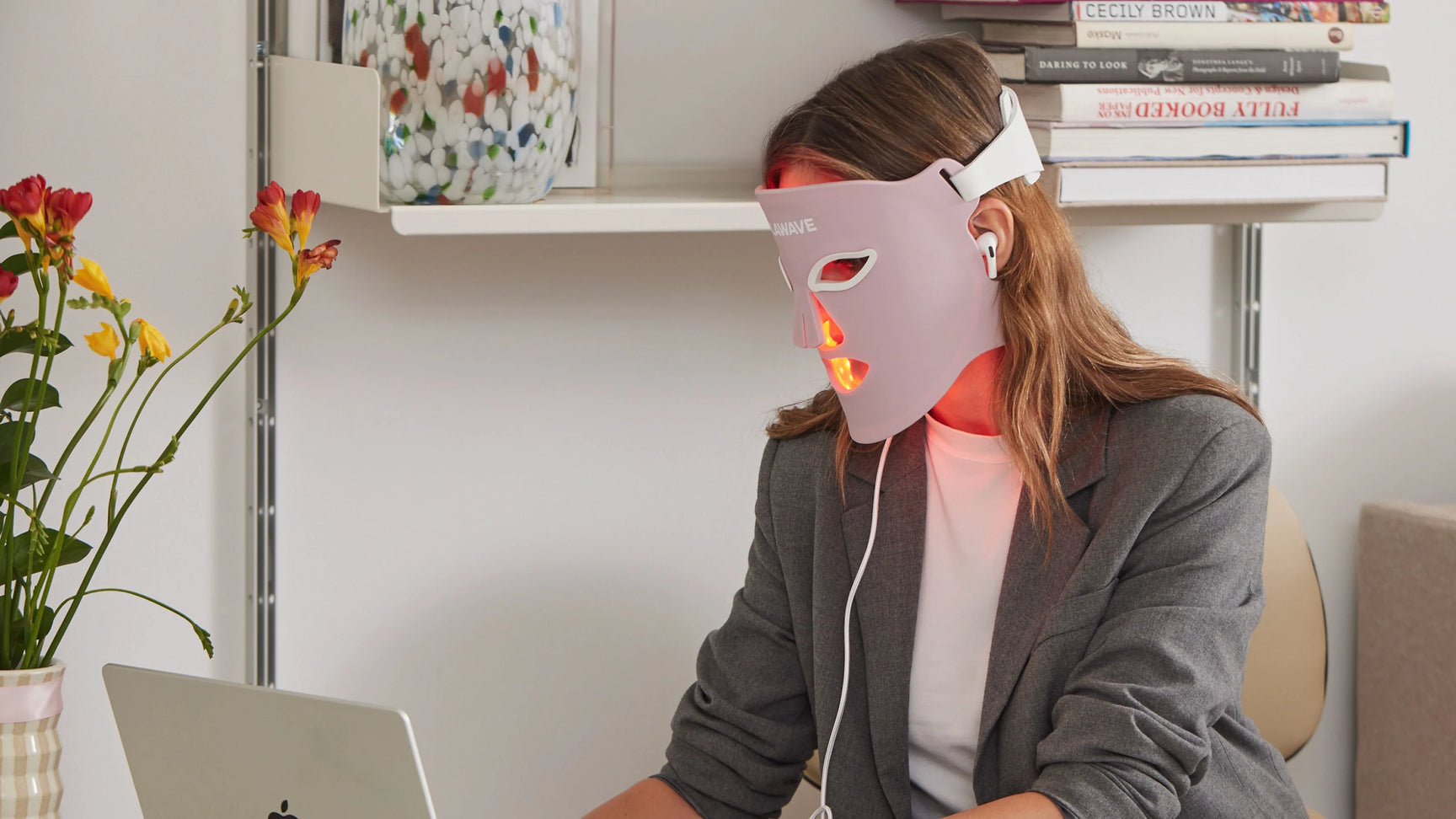
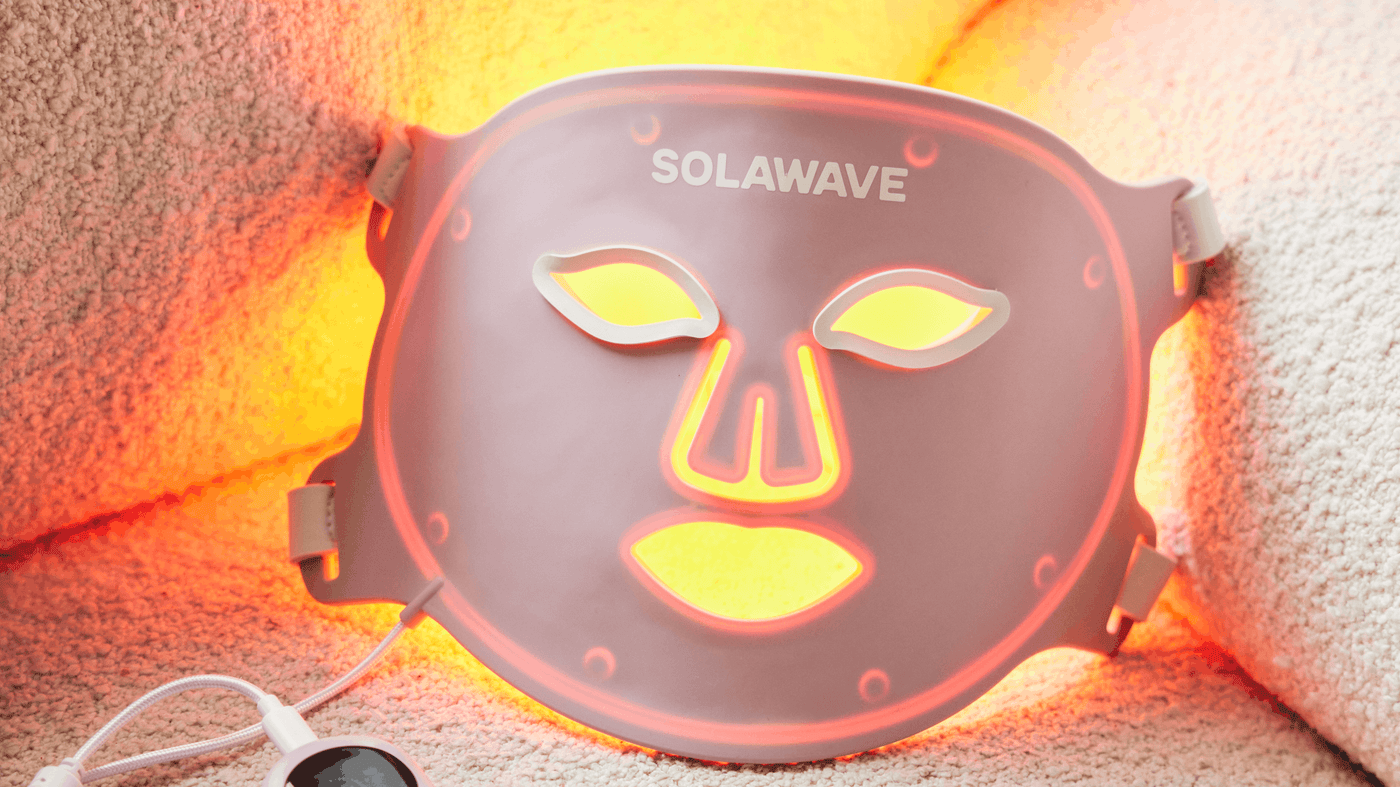
Full-face masks offer hands-free convenience by covering the entire face at once. The Wrinkle Retreat Pro LED Face Mask utilizes 320 LEDs across four distinct wavelengths: Amber (605nm), Red (630nm), Deep Red (660nm), and Near-Infrared (830nm). Because of its full-coverage design and close skin contact, it delivers a comprehensive session in just 3 minutes.
Using an FDA-cleared mask with an automatic shut-off feature ensures you never have to watch the clock. After the 3-minute cycle concludes, the device turns off automatically, preventing accidental overuse.
Handheld wands allow you to customize your session by focusing on specific facial contours, such as the jawline, cheeks, and forehead. The 4-in-1 Skincare Wand pairs 630nm red light therapy with galvanic current, therapeutic warmth, and gentle facial massage.
When using a wand, divide your face into four primary zones: the right cheek and jaw, the left cheek and jaw, the forehead, and the neck. Glide the wand in slow, upward and outward motions for 3 minutes per section. A complete four-zone treatment takes 12 minutes total.
The delicate skin around the eyes often shows the earliest signs of fatigue and fine lines. The Radiant Renewal Eye Recovery Pro is an FDA-cleared eye mask that focuses four targeted wavelengths (605nm Amber, 630nm Red, 660nm Deep Red, and 830nm Near-Infrared) directly around the orbital area. Like the full-face mask, it is calibrated for a quick 3-minute session, making it easy to incorporate into a busy morning or evening regimen.
For individual blemishes, spot devices deliver focused blue and red light directly to the affected pore. The Bye Acne: 3-Minute Pimple Spot Treatment is an FDA-cleared device combining 415nm blue light to target the look of blemishes and 630nm red light to calm the appearance of surface redness. It is designed to be placed directly over an individual breakout for a single 3-minute cycle per day.
Determining session duration is only half the equation. You also need to know how many times per week to perform your light therapy sessions.
Most at-home red light protocols call for 3 to 5 sessions per week. Consistency is far more valuable than session length. Spending 3 to 5 minutes on your skin four days a week will deliver noticeably better cosmetic outcomes than sitting under a light for 30 minutes once on the weekend.
Key Takeaway: Consistency beats intensity. Aim for 3 to 5 sessions per week for at least 4 to 8 weeks to support visibly smoother, more radiant skin.
Your skin requires rest periods to process light exposure. Performing sessions every single day is generally safe for many devices, but taking one or two rest days each week allows you to observe how your complexion responds. Doing multiple sessions in a single day is not recommended. Extra treatments in a 24-hour period do not accelerate visible results and may lead to mild barrier dryness.
Visible changes in the appearance of fine lines, skin tone, and overall radiance develop gradually. For more guidance, read about how long red light therapy takes to work. While your skin may look instantly refreshed and dewy after a session due to gentle warmth and topical hydration, long-term improvements in skin firmness and texture typically become noticeable after 4 to 8 weeks of faithful use.
To make the most of your timed session, proper skin preparation and post-treatment care are essential. Applying products in the right order ensures comfortable device glide, proper light absorption, and lasting hydration.
Always begin with clean, dry skin. Makeup, physical sunscreen, and daily debris can reflect or disperse light wavelengths, reducing their ability to reach the upper layers of your skin.
Depending on the device you choose, applying a compatible serum before your light therapy session helps hydrate the skin and supports device glide.
Put on your device, secure any straps, and ensure eye safety guidelines are strictly followed.
After your session concludes, finish your skincare routine with nourishing products to seal in moisture and keep your skin looking plump and luminous.
While pre-set device timers make daily sessions simple, understanding the variables behind light dosing helps you make informed choices for your skin type.
Irradiance measures the amount of light energy delivered to a specific area of skin, typically expressed in milliwatts per square centimeter (mW/cm²). Devices with higher irradiance deliver the target amount of energy in fewer minutes. Lower-powered devices require longer sessions to achieve a comparable cosmetic effect. Reputable at-home devices are engineered to deliver a safe, balanced dose within a convenient 3 to 10-minute window.
Light intensity decreases significantly as distance increases. Flexible masks and handheld wands that maintain direct contact with the skin deliver light efficiently, allowing for quick 3-minute treatments. Larger tabletop panels that sit 6 to 12 inches away from your face require longer exposure times (usually 10 to 20 minutes) because much of the light disperses before reaching the skin surface.
Different wavelengths target different cosmetic concerns within the skin's surface layers. Combining multiple wavelengths allows a device to address multiple aesthetic goals simultaneously during a single short session.
Everyone's skin barrier is unique. If you have sensitive skin, start with shorter or less frequent sessions to see how your skin adjusts. For additional guidance, explore this guide to red light therapy for sensitive skin. Individuals with deeper skin tones (Fitzpatrick types V and VI) or those prone to hyperpigmentation are encouraged to consult a dermatologist before beginning light therapy to determine the best treatment frequency for their skin. Always perform a brief light sensitivity patch test on your arm before using any light device on your face for the first time.
Getting the best visible results from at-home light therapy requires balance and good habits. Avoid these common timing and usage mistakes:
Pro Tip: Never exceed your device's recommended daily session time in an attempt to speed up results. Light therapy works through gradual, cumulative support, not sudden overexposure.
To keep your sessions sanitary and maintain your device's performance, clean your tools regularly. Skincare oils and serums can accumulate on the surface of LED lenses over time, potentially diffusing the light output.
While cosmetic red light therapy is non-invasive, gentle, and well-tolerated by most adults, certain individuals should consult a healthcare professional before use:
Finding out how long to red light therapy face comes down to matching your routine to your specific device design. Modern close-contact tools have streamlined skincare tech, making visible skin support achievable in just 3 to 12 minutes per session.
Bottom line: Sticking to a short, consistent 3 to 5-minute red light therapy routine several times a week helps your skin look visibly smoother, firmer, and more luminous over time.
Ready to find the ideal light therapy routine for your unique skin goals? Explore our collection of FDA-cleared light therapy devices or take the skin quiz to customize your at-home skincare regimen today.
Yes, 10 minutes is more than enough for most at-home devices. In fact, many close-contact masks and targeted wands deliver an optimal cosmetic dose in just 3 to 10 minutes. Because light energy reaches a saturation point, extending your session beyond the manufacturer's recommended time provides no extra benefits.
Using red light therapy twice a day is not recommended. At-home devices are calibrated to deliver an optimal amount of light in a single daily session. Performing multiple sessions in a 24-hour period can saturate skin cells and may lead to temporary dryness or mild redness without speeding up visible results.
Visible cosmetic changes develop gradually over several weeks of consistent use. While skin often looks refreshed and dewy immediately after a session due to hydration and warmth, noticeable improvements in the appearance of fine lines, firmness, and tone typically appear after 4 to 8 weeks of using your device 3 to 5 times per week.
You should always start with freshly cleansed skin free of makeup and sunscreen. Compatible hydrating formulas, such as LightBoost Wand Activating Serum for wands or LightBoost Face & Neck Serum for masks, can be applied before your session and allowed to fully absorb. After completing your light treatment, finish your routine with a daily serum and moisturizer to seal in hydration.
The statements on this website have not been evaluated by the FDA. The information provided on this site is not intended to diagnose, treat, cure, or prevent any disease and should not be construed as medical advice. Results may not be typical.
 Skincare Devices
 Skincare Devices