Rated 4.7 out of 5 stars
4.7 / 5


726,000+ customers
Free 60-Day Returns
1-Year Warranty
726,000+ customers
Free 60-Day Returns
1-Year Warranty

Starting a new skincare tech routine brings excitement, but it also brings questions about timing. You want to know exactly when your reflection will show visible progress. When using red light therapy on your face, changes happen gradually rather than overnight.
At Solawave, we design light therapy tools that fit seamlessly into busy daily schedules. The timeline for noticeable improvements depends on your consistency, your skin goals, and the device you choose. While an initial radiant glow can appear after just one session, deeper improvements in the look of fine lines and skin tone typically unfold over several weeks.
This guide breaks down the week-by-week timeline, explains what affects your progress, and shares practical routine tips to help your skin look its best. Consistency is the secret to getting real, noticeable results from at-home light therapy.
Quick Answer: Most people begin noticing a refreshed glow within the first week. More significant visible changes, such as improvements in the look of fine lines, firmness, and overall skin texture, typically become apparent after 4 to 12 weeks of regular use 3 to 5 times per week.
Visible skin changes take time because skin naturally renews itself in cycles. Most adults have a skin cell turnover rate of roughly 28 to 40 days. Because red light therapy works alongside your skin's natural renewal process, results build progressively with every session.
Here is a practical breakdown of what you can expect across different stages of consistent use.
Your very first session delivers an instant pick-me-up. Many users notice that their skin looks subtly plumper, dewier, and more radiant right after a treatment.
During the first week:
These early shifts are temporary surface effects. They signal that your skin is responding well to the light, but lasting improvements in skin appearance require cumulative exposure over time.
For additional context on the timing of visible changes, read how long red light therapy takes to work.
By the second and third weeks of consistent sessions, subtle changes start to appear on the surface. If you use your device 3 to 5 times each week, your complexion begins to look more balanced.
During this window:
This is the phase where taking progress photos in consistent lighting becomes very helpful. Because daily changes are subtle, comparing week-four photos to day-one photos often reveals progress you might miss in the mirror. See red light therapy before and after results for examples of how progress can look over time.
The one-to-two-month mark is where most users see meaningful visible improvements. Fine lines around the eyes and mouth often appear softer. Skin across the cheeks and forehead begins to look firmer and more refreshed.
Key visible shifts include:
Consistent use remains essential during this period. Skipping sessions can stall your momentum, so keeping a regular 3-to-5-day weekly rhythm is vital. For more guidance, read how often to use red light therapy.
Between two and three months of steady use, the cumulative benefits of cosmetic light therapy reach their peak. The overall quality of your skin appears transformed compared to your starting baseline.
Long-term results often include:
| Timeframe | Typical Visible Changes | Primary Focus |
|---|---|---|
| Day 1 – Week 1 | Fresh radiance, subtle hydration, warm glow | Establishing routine consistency |
| Weeks 2 – 4 | Calmer-looking redness, smoother texture, balanced tone | Tracking subtle visual shifts |
| Weeks 4 – 8 | Softer look of fine lines, visibly firmer skin feel | Maintaining regular sessions |
| Weeks 8 – 12+ | Peak refinement, radiant tone, smoothed wrinkles | Long-term maintenance |
No two complexions respond to red light on the exact same schedule. Several variables influence how quickly you will notice visible changes on your face.
Consistency matters more than session length. Using an at-home light therapy device 3 to 5 times per week produces far better visual outcomes than doing a single long session once every two weeks. Light therapy relies on cumulative exposure. When you skip days frequently, the progress slows down.
Not all light therapy devices deliver the same visual benefits. The wavelengths emitted by the LEDs determine how effectively the light targets the visible signs of aging.
For more background, explore how red light therapy works.
Cosmetic devices rely on specific, well-researched wavelength bands:
Devices that combine these precise wavelengths deliver a more complete approach to skin rejuvenation than single-wavelength tools.
Your starting point naturally influences your timeline. Someone in their late twenties looking to maintain radiance may notice visible improvements in just two to three weeks. Someone in their fifties targeting established expression lines will likely need 8 to 12 weeks to see significant softening in the look of wrinkles.
Mature skin renews its outer layers at a slower pace. Giving your routine enough time to match your natural skin turnover rate ensures you get an accurate picture of your results.
Light therapy enhances a great skincare routine, but it cannot replace one. If you skip daily sunscreen, UV exposure will continue to create visible sun damage and premature aging.
Pairing your light sessions with hydrating serums, barrier-supporting moisturizers, and a broad-spectrum daily SPF protects your visual progress. Hydrated skin also reflects light better, which boosts your natural glow during every stage of the process.
Pro Tip: Always apply a broad-spectrum sunscreen with SPF 30 or higher every morning. Protecting your skin from daily UV exposure ensures your light therapy results remain visible and vibrant over time.
Following the correct steps before, during, and after your session ensures you get the most out of every minute.
Always cleanse your face thoroughly before using any light therapy device. Makeup, sunscreen, heavy oils, and mineral pigments can deflect light wavelengths and reduce their contact with your skin.
Use a gentle formula like the Pre- & Probiotic Hydrating Gel Cleanser to remove daily dirt and oils without stripping moisture. Pat your skin dry before moving to your device or prep topicals.
Different devices have specific topical compatibility requirements. Applying the correct serum beforehand can enhance glide and support overall skin hydration.
More light does not equal faster results. Photobiomodulation operates on a biphasic response curve, meaning there is an optimal window of light exposure for your skin.
Exceeding the recommended session time does not double your results and can cause temporary dryness or mild redness. Stick to the built-in timers on your devices:
After finishing your session, seal in the benefits with a nourishing routine. If you did not apply moisturizer before your mask, smooth on Pre- & Probiotic Nourishing Moisturizer to support the look and feel of your moisture barrier. If your skin needs an extra surge of dewiness, using a Hydrating Sheet Mask for 10 to 20 minutes once or twice a week delivers a plumping boost of hydration.
Cleanse thoroughly -> Apply compatible LightBoost prep -> Run timed session -> Lock in moisture
(The workflow above maps the simple daily routine: clean skin, prep with appropriate topicals, complete your light treatment, and finish with hydration.)
For additional post-treatment guidance, read what to do after red light therapy on your face.
Selecting a device tailored to your specific facial focus helps you achieve visible results more efficiently. Solawave offers several targeted options to match your lifestyle and skin goals.
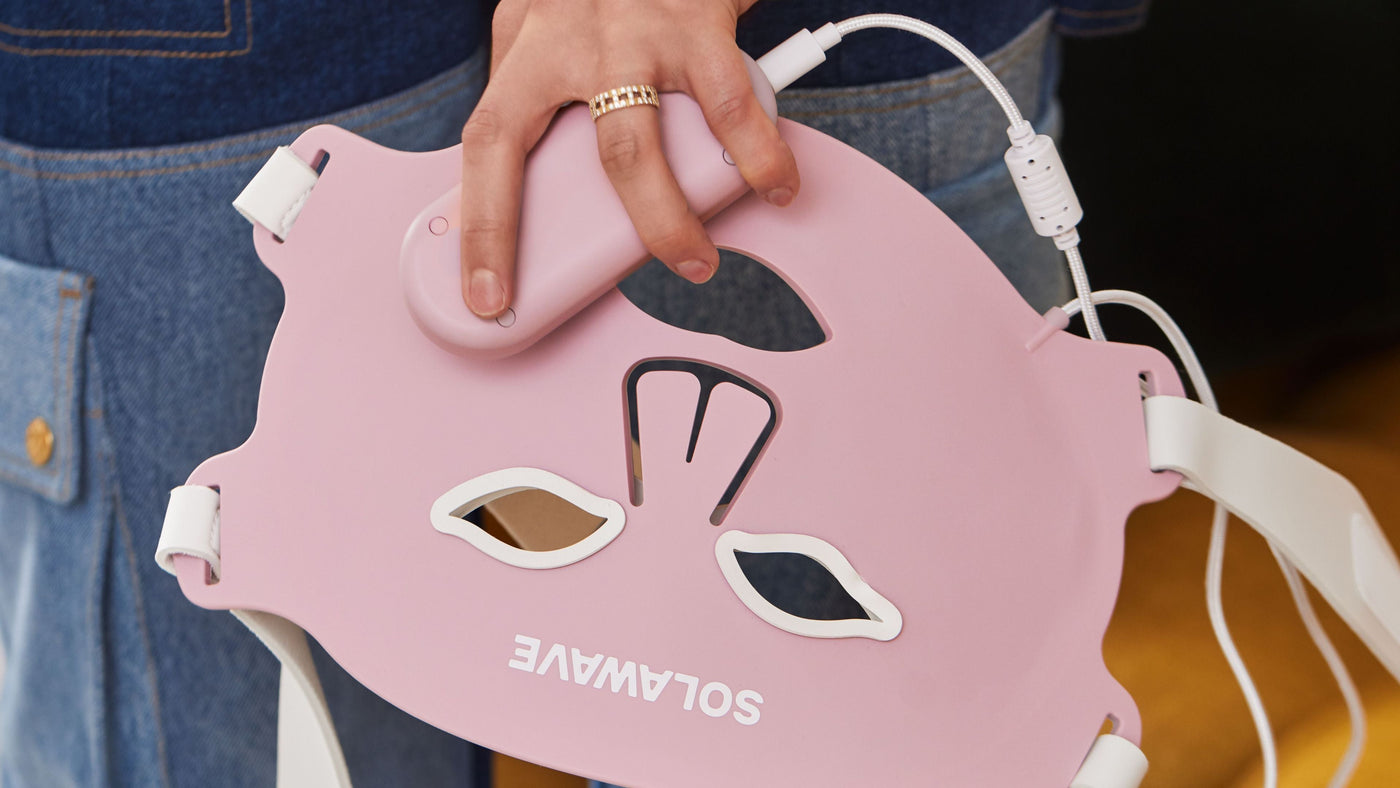
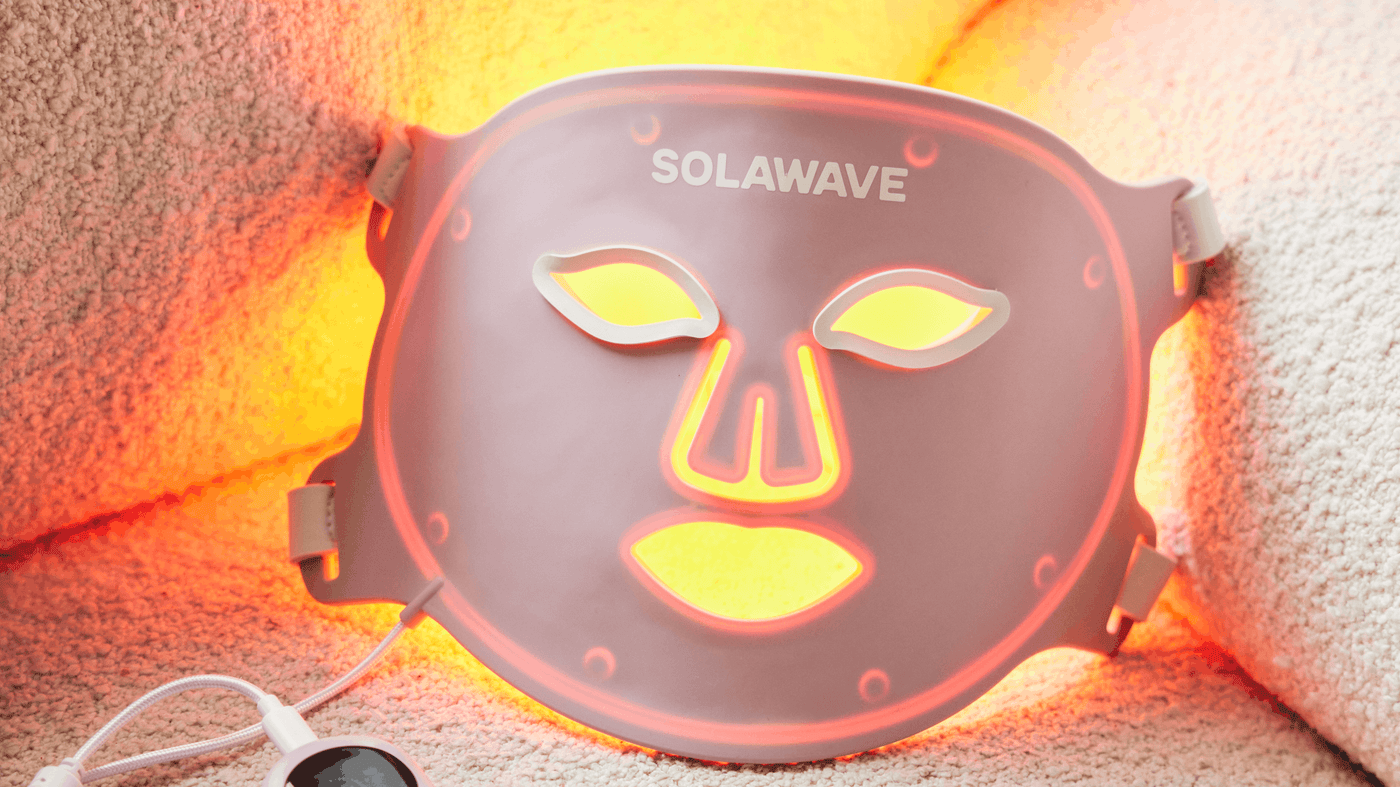
The Wrinkle Retreat Pro LED Face Mask is the flagship solution for full-face care. This FDA-cleared mask delivers four targeted wavelengths (Amber 605nm, Red 630nm, Deep Red 660nm, and Near-Infrared 830nm) across 320 LEDs.
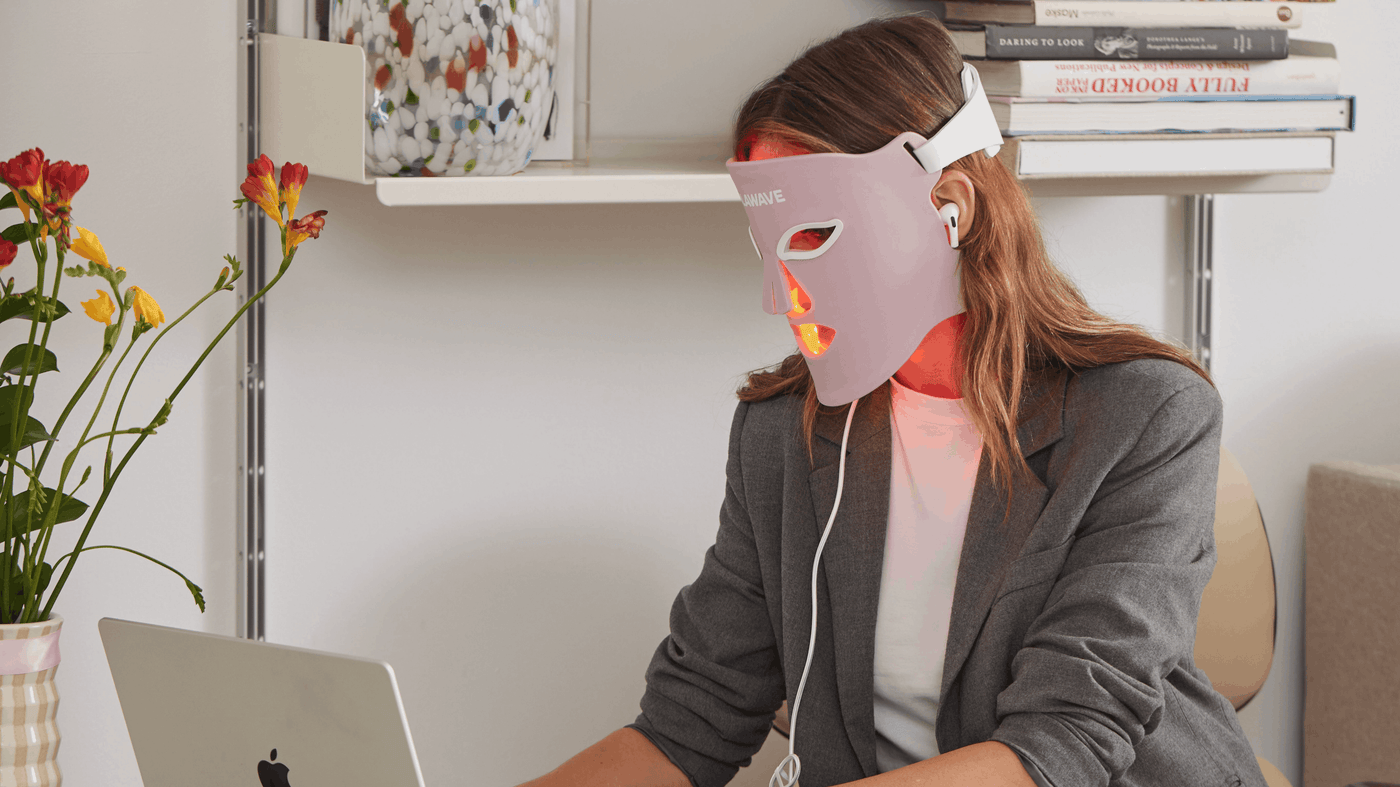
It provides an automated 3-minute hands-free session that you can easily perform 3 to 5 times per week. The supplied protective eyewear is required for every use to ensure eye comfort and safety. It is ideal for anyone seeking to improve the look of fine lines, wrinkles, and overall facial tone.
The 4-in-1 Skincare Wand combines 630nm red light therapy with galvanic current, therapeutic warmth, and facial massage. This FDA-cleared wand is designed for portable, targeted sessions on the forehead, under-eyes, cheeks, and jawline.
You use it for 3 minutes per area (up to 12 minutes total per session) 3 to 5 times weekly alongside LightBoost Wand Activating Serum. The gentle warmth and galvanic current help skin look visibly depuffed, refreshed, and contoured while you target specific visual concerns.
The Radiant Renewal Eye Recovery Pro is an FDA-cleared wearable device designed specifically for the delicate eye contour. Featuring 80 LEDs across four distinct wavelengths (605nm, 630nm, 660nm, and 830nm), it targets the look of crow's feet, under-eye darkness, and fine lines.
Each session lasts just 3 minutes, 3 to 5 times per week. Pairing it with LightBoost Eye Cream before your session preps the delicate skin for a smoother, well-rested appearance. The included protective eyewear is required for every session.
If blemishes and sudden breakouts are your primary concern, the Bye Acne: 3-Minute Pimple Spot Treatment provides focused support. This FDA-cleared device uses a dual-spectrum approach: Blue light (415nm) targets the look of blemishes, while Red light (630nm) calms the appearance of redness.
It delivers a fast 3-minute treatment directly over affected spots on clean, dry skin. Solawave recommends using it once per day per affected spot, with a maximum of one session per day on the same spot.
| Device | Primary Technologies | Session Time | Frequency | FDA Status |
|---|---|---|---|---|
| Wrinkle Retreat Pro LED Face Mask | Amber, Red, Deep Red, NIR (320 LEDs) | 3 minutes | 3–5x per week | FDA-cleared |
| 4-in-1 Skincare Wand | Red Light (630nm), Galvanic Current, Warmth, Massage | 3 min/zone (12 min max) | 3–5x per week | FDA-cleared |
| Radiant Renewal Eye Recovery Pro | Amber, Red, Deep Red, NIR (80 LEDs) | 3 minutes | 3–5x per week | FDA-cleared |
| Bye Acne Spot Treatment | Blue Light (415nm), Red Light (630nm) | 3 minutes per spot | 1x per day per spot | FDA-cleared |
| 2-in-1 Skincare Mini | Red Light (630nm), NIR (830nm), Warmth | 3 min/area (12 min max) | 3–5x per week | FDA-cleared |
At-home red light therapy is non-invasive, painless, and gentle on facial skin. Because it uses non-thermal, non-UV wavelengths, it does not carry the burning risks associated with sun exposure or tanning beds. However, keeping practical safety standards in mind ensures a smooth experience.
Visible red and near-infrared light is bright. When using full-face masks or dedicated eye masks like the Wrinkle Retreat Pro and Eye Recovery Pro, always install and wear the supplied protective eyewear. Do not rely solely on closing your eyes. The custom eye inserts are designed to shield your vision comfortably throughout every 3-minute cycle.
If you are new to light therapy, perform a quick light-sensitivity patch test before your first full facial session. Turn on the device and hold it over a small area of your arm for 3 minutes. Check the area after a few hours. If your skin looks normal without irritation or persistent redness, you can proceed with facial treatments.
For more precautions and routine guidance, read red light therapy tips for sensitive skin.
Red light therapy is generally suitable for all skin tones. However, deeper complexions that are naturally prone to hyperpigmentation can be more reactive to certain visible light wavelengths.
If you have Fitzpatrick Skin Type V or VI, or if your skin easily develops dark marks from heat or light, consult a dermatologist before starting. A board-certified provider can recommend the best frequency and settings for your unique profile.
At-home light therapy devices are designed for cosmetic use by healthy adults aged 18 and older. Do not use light therapy devices if you:
If you are managing an underlying medical skin condition or have recently received cosmetic injectables, consult your healthcare provider or dermatologist to confirm an appropriate waiting period before using light devices.
Once you reach the 8-to-12-week mark and achieve your desired visible improvements, you do not need to stop your treatments. Light therapy is an ongoing supportive ritual.
To maintain your results:
By keeping light therapy as a steady component of your weekly self-care routine, your skin continues to look smooth, radiant, and visibly refreshed throughout every season.
Seeing visible changes from at-home red light therapy requires patience, proper prep, and consistent use. While an instant radiant glow can appear after a single session, meaningful shifts in the appearance of fine lines, skin texture, and firmness develop over 4 to 12 weeks of regular care.
Key Takeaway: Real light therapy results build progressively over time. Treating your face consistently for just 3 minutes a day, 3 to 5 times weekly, creates visible, lasting improvements in skin appearance without downtime.
Ready to find the ideal routine for your skin goals? Take the skin quiz to discover the perfect light therapy device and skincare pairings for your daily routine.
Most at-home red light devices are designed for use 3 to 5 times per week. Some devices, such as the Bye Acne spot treatment, can be used once daily on affected spots. However, exceeding your device's recommended schedule will not speed up results, as light therapy works best within an optimal exposure range.
Session times vary by device design. Advanced full-face masks like the Wrinkle Retreat Pro deliver an optimal cosmetic dose in just 3 minutes per session. Handheld wands typically require 3 minutes per facial zone, totaling up to 12 minutes for a full-face treatment. Always follow the specific timing guidelines provided by your device manufacturer.
Always start with clean skin free of makeup and sunscreen. For full-face LED masks, you can apply compatible hydrating formulas like LightBoost Face & Neck Serum and allow them to absorb fully before putting on the device. For skincare wands utilizing galvanic current, apply a generous layer of LightBoost Wand Activating Serum to provide necessary slip and contact during treatment.
Visible changes from light therapy take time and depend heavily on consistency. If you have been using your device for fewer than 4 weeks, your skin is still in the early stages of responding. Ensure you are using your device 3 to 5 times per week on clean skin, wearing proper eye protection, and supporting your progress with daily sunscreen and hydration.
The statements on this website have not been evaluated by the FDA. The information provided on this site is not intended to diagnose, treat, cure, or prevent any disease and should not be construed as medical advice. Results may not be typical.
 Skincare Devices
 Skincare Devices