Rated 4.7 out of 5 stars
4.7 / 5


726,000+ customers
Free 60-Day Returns
1-Year Warranty
726,000+ customers
Free 60-Day Returns
1-Year Warranty
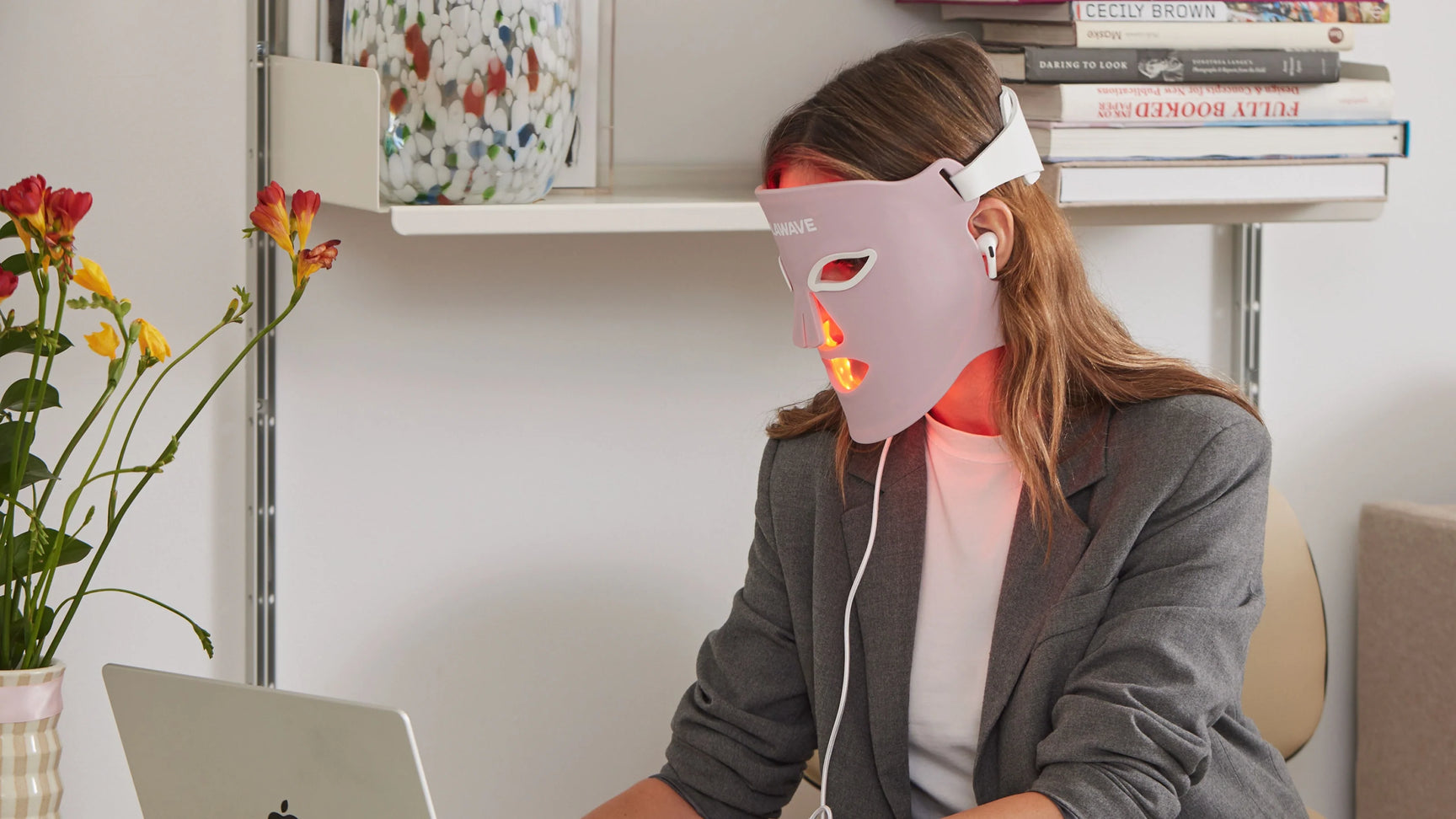
If you are exploring ways to elevate your at-home skincare routine, you have likely seen red light therapy face mask LED devices across social media and beauty reviews. These wearable light devices are designed to bring professional-style skincare tech directly to your vanity. With so many options available, it is natural to wonder how these masks work, which light wavelengths matter most, and how to fit one into your daily schedule. Solawave designed the Wrinkle Retreat Pro LED Face Mask to make light therapy intuitive and quick. This guide covers how red light masks function, what features to look for, how to layer your skincare products, and how consistent sessions can help your skin look smoother, brighter, and refreshed.
Light emitting diode (LED) masks use specific wavelengths of non-thermal light to support the appearance of healthy, vibrant skin. Unlike ultraviolet light from the sun, which damages skin, cosmetic red and near-infrared light wavelengths deliver gentle optical energy without heat or downtime. For more background, explore how red light therapy works.
When you place an LED mask over your face, the diodes distribute light evenly across your skin. The primary purpose of cosmetic red light therapy (often abbreviated as RLT) is to help improve the appearance of fine lines, wrinkles, uneven tone, and overall texture.
The visible skin benefits depend on the specific wavelengths emitted by the LEDs. Different wavelengths reach different levels of the skin surface, making multi-wavelength devices a popular choice for comprehensive skincare support.
Not all light therapy devices deliver the same spectrum. High-quality face masks combine precise wavelengths in the amber, red, deep red, and near-infrared ranges to address multiple aesthetic concerns simultaneously.
| Wavelength | Light Color | Visible Skin Benefit |
|---|---|---|
| ~605 nm | Amber Light | Associated with a refreshed, glowing, and radiant appearance. |
| ~630 nm | Red Light | Widely used to help skin look more even and target the appearance of surface redness. |
| ~660 nm | Deep Red Light | Supports a visibly smooth texture and helps diminish the look of fine lines. |
| ~830 nm | Near-Infrared Light | Invisible light that helps skin look firmer, plumper, and more revitalized. |
By combining these four optical ranges, a multi-wavelength LED face mask provides balanced care across your entire complexion in a single session.
Quick Answer: A red light therapy face mask uses gentle, non-heating LED wavelengths (such as 630 nm red and 830 nm near-infrared) to support visibly firmer, smoother, and more radiant skin with zero downtime.
Selecting the right device requires evaluating technical specifications, comfort, and usability. Because visible improvements rely on regular use, choosing a mask that fits easily into your lifestyle is essential.
While basic masks might rely solely on standard red light, advanced models integrate deep red, amber, and near-infrared diodes. Near-infrared light (around 830 nm) works in tandem with visible red light (around 630 nm) to provide thorough surface coverage and support a renewed appearance. Look for devices that clearly publish their exact nanometer specifications.
The physical construction of an LED mask directly impacts light distribution and comfort:
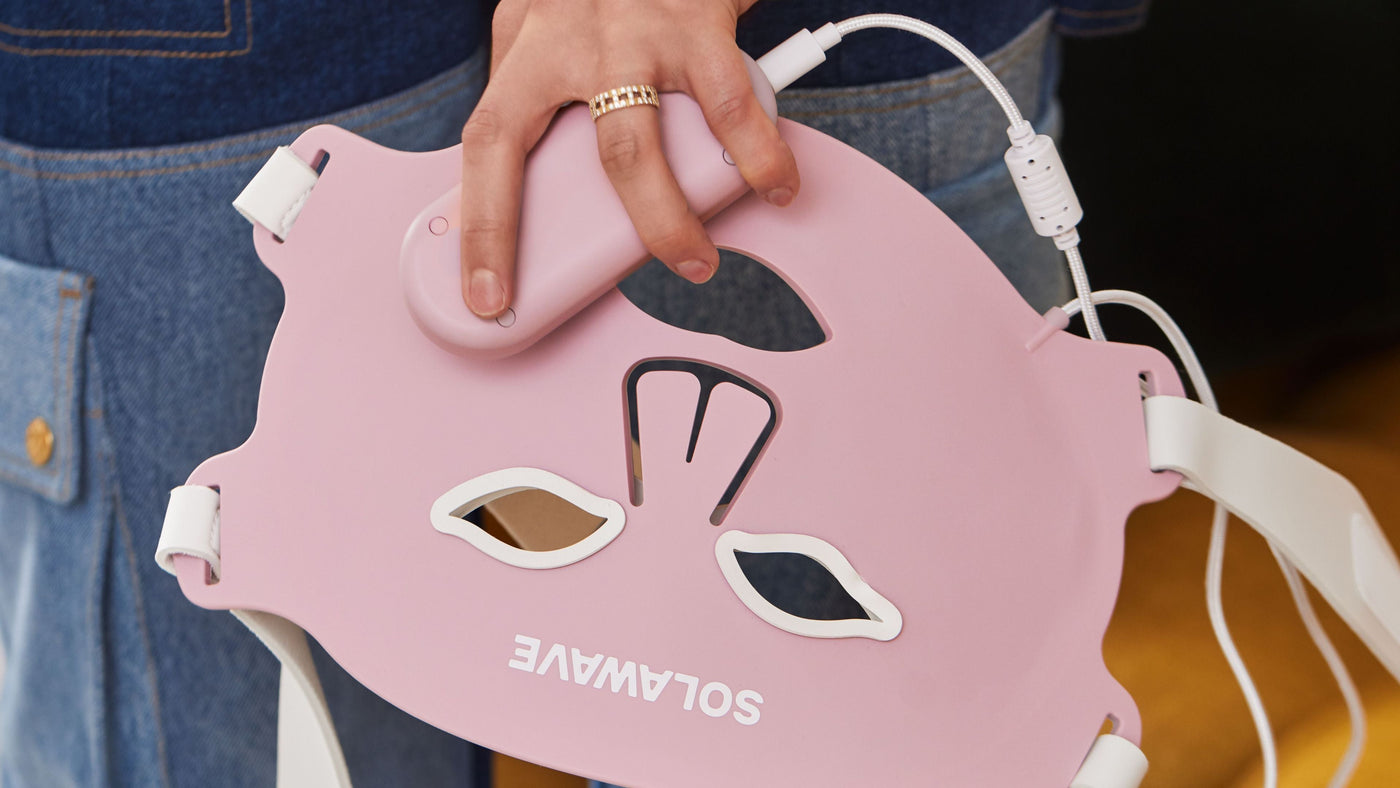
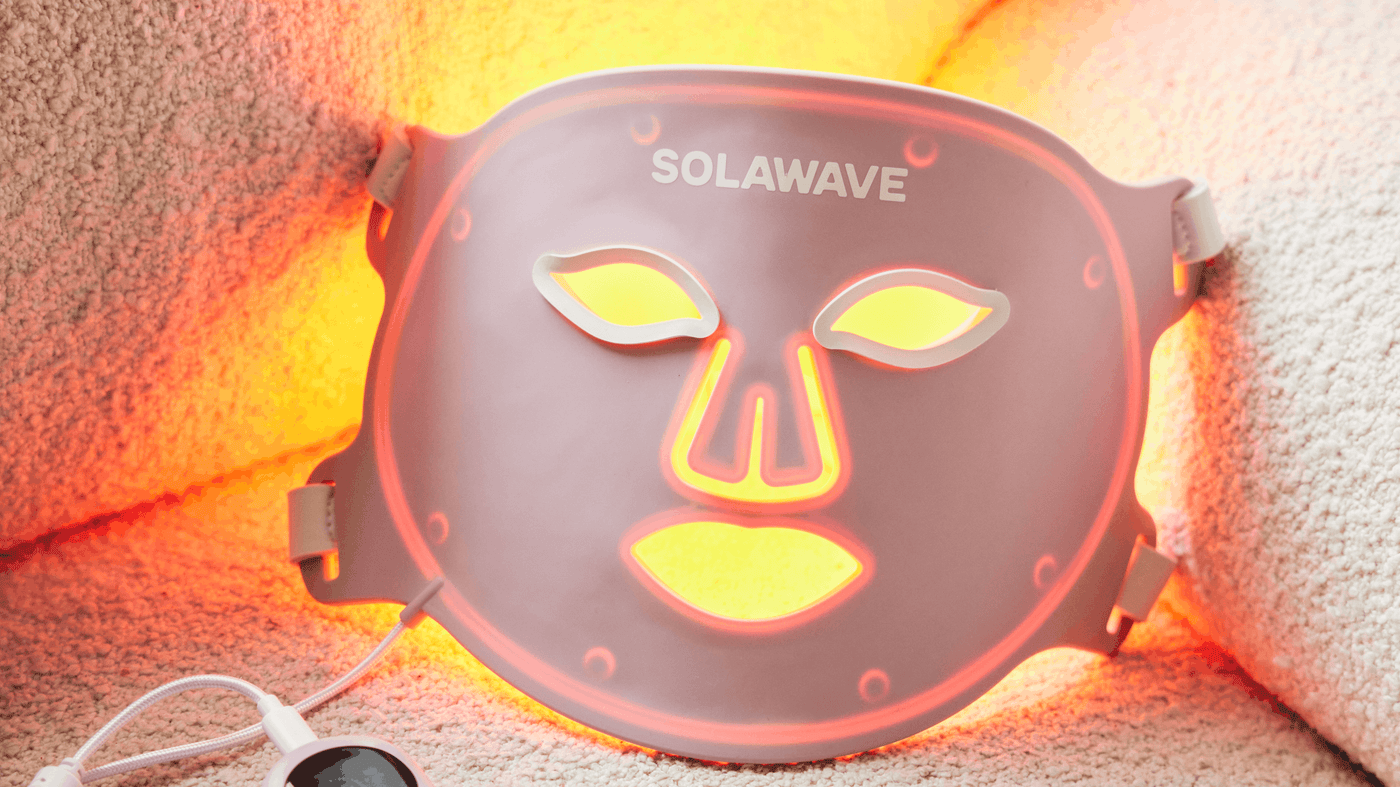
A flexible mask like the Wrinkle Retreat Pro LED Face Mask contours easily over the forehead, cheeks, and chin, ensuring balanced light distribution across all facial zones.
The number of diodes on the interior of the mask determines how evenly the light blankets your complexion. Masks with sparse bulb placement can leave noticeable gaps in coverage. A density of 320 LEDs delivers a seamless field of optical energy across the entire face, leaving no area untreated.
At-home skincare tech should fit seamlessly into your day. Some older models require 10 to 20 minutes per treatment, which can be difficult to maintain consistently. Modern, high-output LED masks deliver effective sessions in just 3 minutes, making it simple to complete a treatment before applying makeup in the morning or while unwinding at night.
Safety should always be a top consideration when choosing light-based skincare:
Using an at-home LED face mask is straightforward, but following the correct preparation and post-treatment steps ensures the best visual results.
Always begin with a freshly washed face. Makeup, broad-spectrum sunscreen, and heavy oils can reflect or scatter light, reducing the amount of optical energy that reaches the skin surface.
Use a gentle face wash such as the Pre- & Probiotic Hydrating Gel Cleanser to remove impurities without stripping natural moisture. Massage across your face for 30 to 60 seconds, rinse with lukewarm water, and pat dry with a soft towel.
Many people wonder whether light therapy requires completely bare skin. While your face must be clean, certain specialized topicals are formulated to work alongside LED light.
If you are using compatible formulas like LightBoost Face & Neck Serum or LightBoost Face & Neck Rich Cream, apply them before your light therapy session. When using both products, apply the lightweight serum first, followed by the rich cream. Allow the formulas to fully absorb into the skin before putting on your mask.
Avoid applying heavy mineral sunscreens, thick petrolatum balms, or strong exfoliating acids immediately before using your LED mask.
Make sure the supplied protective eyewear is properly installed inside your mask. This protective step is required for every session to shield your vision from bright light output.
Position the mask comfortably over your face and secure the adjustable head straps so the silicone rests lightly against your skin.
Press and hold the remote power button until the LEDs illuminate. Relax while the mask delivers its programmed light cycle. The device will automatically shut off once the 3-minute treatment is complete.
After removing the mask, you can continue with your daily or evening skincare routine. If you did not apply topicals before the session, this is the perfect time to layer hydrating serums and a nourishing moisturizer to lock in moisture and support a dewy finish.
Cleanse thoroughly -> Apply LightBoost topicals (fully absorb) -> Secure eyewear & mask -> Run 3-min session -> Lock in moisture
Pro Tip: Keep your light therapy device stored where you complete your evening or morning skincare. When your mask is easily accessible right next to your cleanser, staying consistent throughout the week becomes effortless.
When using red light therapy face mask LED devices, consistency is far more important than session length. For additional guidance, read how often to do red light therapy. Running multiple back-to-back sessions in one sitting does not accelerate visible changes and may cause mild surface irritation.
Visible changes in skin appearance are gradual. Over several weeks of steady use, many people notice their skin looks more refreshed, smooth, and rested.
Understanding how light therapy interacts with your daily skincare products helps you build an effective, irritation-free routine.
Hydrating and barrier-supportive ingredients pair exceptionally well with LED light therapy. Humectants like hyaluronic acid draw water into surface layers, while peptides and niacinamide support a plump, supple, and calm appearance. Applying water-based serums before your session (allowing them to absorb fully) or immediately after helps enhance your natural glow.
Potent actives like retinol, prescription retinoids, glycolic acid, and salicylic acid are staples in many skincare routines. However, because both exfoliating acids and light therapy can stimulate the skin surface, timing their application thoughtfully is important:
Red light therapy does not make skin photosensitive the way ultraviolet rays do, but protecting your complexion daily is vital for preserving visible results. Always apply a broad-spectrum daily sunscreen every morning as the final step in your routine.
While full-face LED masks offer convenient, hands-free coverage for your entire complexion, other light therapy formats serve different skincare needs.
A full-face mask covers the entire face at once in a hands-free 3-minute session, making it ideal for overall rejuvenation, tone evening, and addressing fine lines across the forehead, cheeks, and jawline.
By contrast, the 4-in-1 Skincare Wand is a handheld tool combining 630 nm red light therapy with galvanic current, therapeutic warmth, and facial massage. It requires manual gliding over the skin for 3 minutes per area (up to 12 minutes total) alongside LightBoost Wand Activating Serum. The wand is ideal for targeted facial contouring, warming massage, and localized care.
The skin on your neck, décolleté, and under-eye area is thinner and often shows signs of aging earlier than the rest of the face:
For more under-eye guidance, explore this guide to red light therapy for dark circles.
If your primary concern is active blemishes, a multi-wavelength anti-aging mask may not provide the specific blue light needed for breakouts. The Bye Acne: 3-Minute Pimple Spot Treatment is an FDA-cleared device that combines 415 nm blue light with 630 nm red light. It is designed to target the look of individual blemishes and calm visible redness on clean, dry skin in 3 minutes per spot.
| Device Type | Primary Technology | Best Suited For | Session Time |
|---|---|---|---|
| Wrinkle Retreat Pro LED Face Mask | Amber, Red, Deep Red, NIR (320 LEDs) | Full-face smoothing, even tone, overall radiance | 3 minutes |
| 4-in-1 Skincare Wand | Red light, Galvanic current, Warmth, Massage | Targeted facial massage, localized skin prep | 3 min/zone (12 min total) |
| Radiant Renewal Eye Recovery Pro | Amber, Red, Deep Red, NIR (80 LEDs) | Under-eye area, crow's feet, tired-looking eyes | 3 minutes |
| Neck & Chest Pro Mask | Amber, Red, Deep Red, NIR (320 LEDs) | Neck lines, décolleté crepiness, chest tone | 3 minutes |
| Bye Acne Spot Treatment | Blue light (415 nm) + Red light (630 nm) | Targeted blemishes and localized redness | 3 min per spot |
At-home LED light therapy is non-invasive and generally well tolerated by most skin types, but following established safety guidelines ensures a comfortable experience. For additional tips, read this guide to red light therapy for sensitive skin.
Do not use an LED red light therapy mask if you:
If you have Fitzpatrick Skin Types V or VI or are prone to hyperpigmentation, visible light can occasionally trigger pigment shifts if overused. Consulting a board-certified dermatologist before starting a light therapy regimen can help you determine the best schedule for your specific skin needs.
To keep your silicone mask hygienic and functioning smoothly:
Because red light therapy works gradually, understanding realistic timelines helps you stay committed to your routine.
Visible improvements do not happen overnight. In the first one to two weeks, many users notice subtle improvements in skin hydration and a refreshed, healthy-looking glow. Between four and eight weeks of consistent use (3 to 5 times weekly), the appearance of fine lines, surface redness, and rough skin texture often looks visibly softened and more balanced.
Individual results vary based on age, skin type, lifestyle habits, and the consistency of your skincare regimen. Pairing your LED mask with daily sun protection, adequate hydration, and a gentle daily routine creates the best environment for long-term skin health.
Key Takeaway: Red light therapy face mask LED treatments work through cumulative, regular exposure rather than aggressive single sessions. Staying consistent with 3-minute treatments 3 to 5 times per week is the most reliable path to visibly radiant, smoother-looking skin.
Adding an LED red light therapy face mask to your beauty routine is one of the most convenient ways to care for your complexion from home. By choosing an FDA-cleared, multi-wavelength mask made from flexible silicone, you can enjoy quick, comfortable 3-minute treatments that support visibly firmer, more radiant skin.
Ready to find the ideal device for your unique skin goals? Take the Skin Quiz to personalize your at-home routine today.
For optimal results, use your LED face mask 3 to 5 times per week for 3 minutes per session. You should not use the mask more than once per day. Maintaining this regular schedule for at least 4 weeks allows visible improvements in skin smoothness and tone to develop.
Start with freshly cleansed, dry skin. If you are using compatible formulas like LightBoost Face & Neck Serum, you can apply them before your session, ensuring they are fully absorbed before putting on the mask. Otherwise, complete your light treatment on clean skin and follow with your favorite hydrating serums and moisturizer.
Bright LED lights can feel intense, which is why eye protection is essential. When using the Wrinkle Retreat Pro LED Face Mask, always make sure the supplied protective eyewear is properly installed before turning on the device. Never stare directly into illuminated LED diodes.
Visible results are gradual and vary by individual. Many users notice their skin looks more radiant and rested within the first few weeks of regular use. Noticeable improvements in the look of fine lines, skin texture, and tone typically become visible after 4 to 8 weeks of consistent treatments.
The statements on this website have not been evaluated by the FDA. The information provided on this site is not intended to diagnose, treat, cure, or prevent any disease and should not be construed as medical advice. Results may not be typical.
 Skincare Devices
 Skincare Devices