Rated 4.7 out of 5 stars
4.7 / 5


726,000+ customers
Free 60-Day Returns
1-Year Warranty
726,000+ customers
Free 60-Day Returns
1-Year Warranty
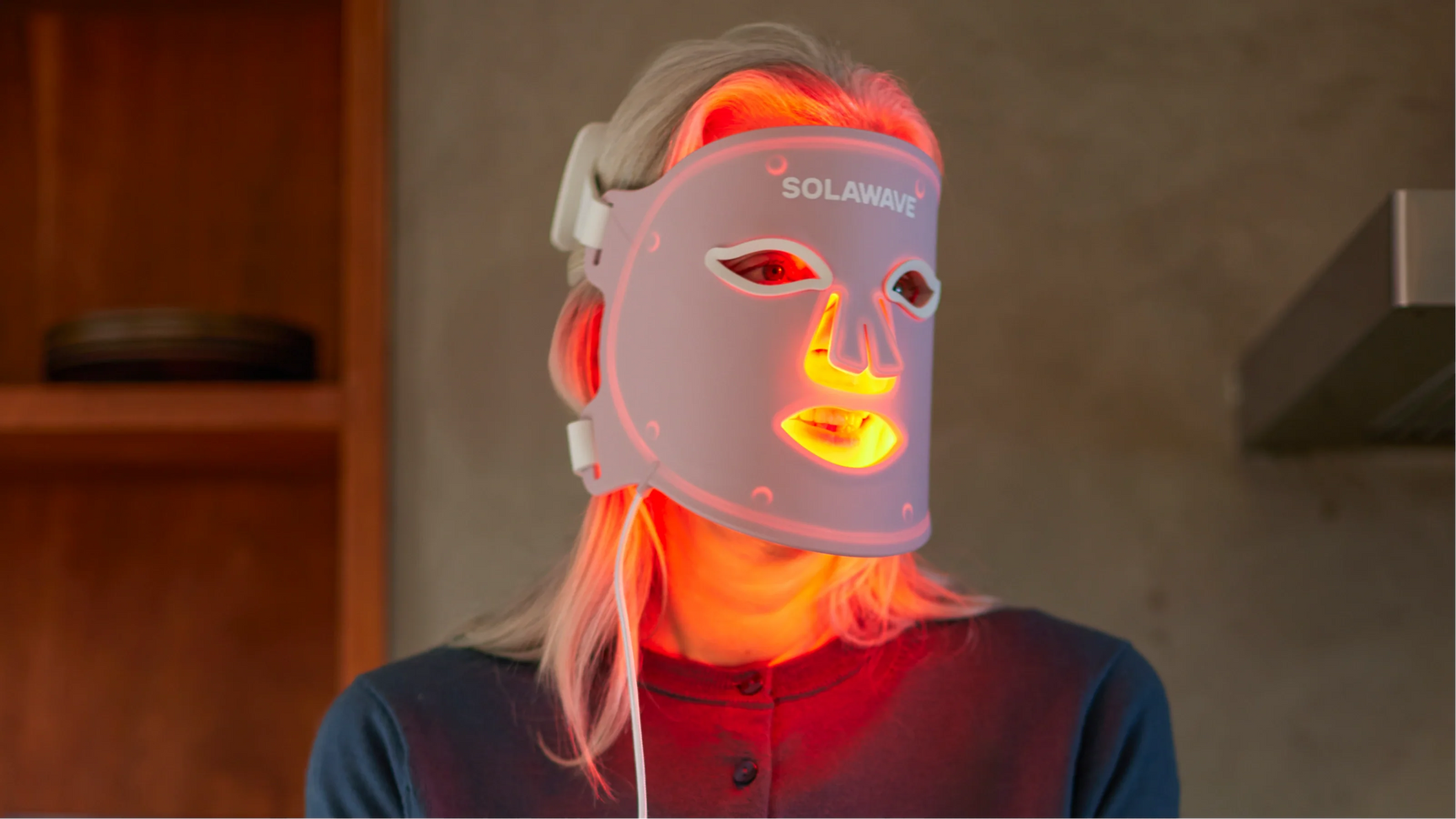
At-home skincare technology has transformed how we care for our complexions, and wearable light therapy is leading that shift. If you are researching a red light face therapy mask, you probably want to know how it works, what it can do for your skin, and how to fit it into a busy schedule. Modern LED masks deliver targeted wavelengths directly to your facial tissue to help improve the appearance of fine lines, uneven tone, and dullness. Solawave designed our Wrinkle Retreat Pro LED Face Mask to make this process fast, comfortable, and simple to maintain at home. This guide explains the science behind light therapy, what features matter most, and how to build an effective routine that supports a radiant, healthy-looking complexion.
Quick Answer: A red light face therapy mask uses specific wavelengths of light to help skin look firmer, smoother, and more refreshed. Consistent sessions of 3 to 5 times per week over several weeks deliver the best visible results.
Light therapy relies on a process called photobiomodulation. When light within specific visible and near-infrared spectrums reaches the skin, it interacts with surface tissue to support a refreshed and revitalized appearance. Unlike ultraviolet (UV) rays from the sun, red and near-infrared light do not cause burning or tanning. Instead, they provide gentle, non-invasive optical energy.
The depth and visual impact of light therapy depend entirely on the precision of the wavelengths emitted by the light-emitting diodes (LEDs). Professional-grade at-home masks use precise nanometer (nm) ranges to target distinct cosmetic concerns across the face.
For a closer look at the technology behind these treatments, explore how red light therapy works.
Different colors of light sit at distinct points on the light spectrum. While some masks rely on a single wavelength, advanced multi-wavelength systems combine complementary bands to address multiple appearance concerns in a single session.
| Wavelength | Spectral Band | Visual Skincare Focus |
|---|---|---|
| Amber (~605nm) | Visible Amber | Helps promote a glowing, luminous appearance and revitalizes dull-looking skin. |
| Red (~630nm) | Visible Red | Widely used to help even out skin tone and calm the visible look of facial redness. |
| Deep Red (~660nm) | Deep Visible Red | Targets the visible appearance of fine lines and helps skin look smoother. |
| Near-Infrared (~830nm) | Invisible Near-Infrared | Helps support the look of firmer, plumper, and more resilient facial contours. |
Combining these four specific bands allows a mask to deliver balanced optical coverage. The Wrinkle Retreat Pro LED Face Mask includes 320 LEDs that emit Amber (605nm), Red (630nm), Deep Red (660nm), and Near-Infrared (830nm) light simultaneously. This multi-wave approach helps improve the visible appearance of texture, tone, and fine lines across your entire face in one brief session.
Adding a red light face therapy mask to your weekly skincare routine delivers cumulative cosmetic benefits. While in-office treatments offer high intensity, at-home LED masks provide convenient consistency, which is the most critical factor for visible skin improvement.
For additional guidance on building a consistent schedule, read how often to do red light therapy.
Fine lines, expression creases, and subtle texture irregularities can make the skin appear tired or weathered. Regular exposure to red and deep red light helps skin look noticeably smoother and more supple over time. Many users find that makeup applies more evenly and skin feels softer to the touch after several weeks of consistent use.
Environmental stressors, weather changes, and surface irritation often lead to visible blotchiness. Red light wavelengths around 630nm are renowned in cosmetic skincare for helping calm the look of facial redness. With regular application, light therapy can help your overall complexion look more uniform, balanced, and clear.
Dullness occurs when the surface of the skin loses its natural vitality and light reflection. Amber and near-infrared light help give the complexion a revitalized, well-rested glow. Over time, this combination supports the look of firmer skin around key areas like the cheeks, jawline, and forehead.
Key Takeaway: Light therapy results are gradual and cumulative. While your skin may look instantly refreshed after a session, the most noticeable improvements in tone and texture appear after 4 to 12 weeks of regular use.
The market for LED masks has grown rapidly, but device quality, safety standards, and engineering vary widely. To ensure you invest in a device that delivers reliable cosmetic results, look for several critical specifications.
Flexible Silicone vs. Rigid Shell
Early LED face masks were made of hard, rigid plastic shells. While durable, rigid masks sit away from the contours of the face, leading to uneven light delivery. They can also feel heavy on the nose and forehead.
Modern designs utilize flexible, medical-grade silicone. Flexible masks sit directly against the curves of your facial features. This proximity ensures even optical distribution across the forehead, temples, cheeks, and chin while remaining lightweight and comfortable.
Always verify whether an at-home light therapy device is FDA-cleared. An FDA 510(k) clearance confirms that the device has met rigorous regulatory standards for safety and substantial equivalence in its category. The Wrinkle Retreat Pro LED Face Mask carries FDA clearance, giving you confidence in its manufacturing quality and safety profile.
The number and placement of LED bulbs dictate how evenly optical energy reaches your skin. A mask with sparse diode placement leaves gaps in treatment coverage. Look for high-density arrangements that cover the entire face without leaving dark zones over the cheeks, upper lip, or forehead.
A high-quality LED mask should fit into a modern schedule without requiring 20 or 30 minutes of stationary downtime. Advances in diode efficiency allow modern masks to deliver effective sessions in just 3 minutes. Built-in automatic shut-off timers prevent overexposure and take the guesswork out of timing your routine.
Eye safety is an essential factor when using high-output light therapy devices. Bright LED arrays can cause visual discomfort if unshielded. Always choose a device that includes properly fitted, opaque protective goggles or built-in eye shields designed specifically for light therapy use.
When comparing device styles, evaluating their day-to-day usability helps determine which tool will fit your lifestyle.
| Feature | Flexible Silicone Masks | Rigid Shell Masks |
|---|---|---|
| Fit & Comfort | Conforms closely to individual facial bone structures. | Fixed shape; may press uncomfortably on the nose bridge. |
| Light Proximity | LEDs sit close to the skin for consistent optical energy. | Distance from skin varies across different facial zones. |
| Weight & Portability | Lightweight, pliable, and easy to pack flat for travel. | Bulky, heavier, and prone to cracking during transit. |
| Storage | Rolls or folds gently into a compact storage pouch. | Requires dedicated shelf space or a large display stand. |
Proper skin preparation ensures that optical energy reaches your skin without reflection or interference. Following a clean, intentional routine maximizes the visible benefits of every treatment.
For more preparation tips, see this guide to what to apply before red light therapy.
Always begin with clean, dry skin. Makeup, mineral sunscreens, and excess sebum can deflect or block light wavelengths from properly contacting your skin.
Many traditional masks require completely bare skin because heavy oils and thick creams can block light penetration. However, Solawave formulated its LightBoost topical line specifically to pair with light therapy sessions.
If you are using LightBoost Face & Neck Serum, apply a generous layer to clean skin before your session. If you are also using LightBoost Face & Neck Rich Cream, apply the serum first, follow with the cream, and allow both formulas to fully absorb into the skin before putting on your mask. These specialized topicals work alongside the light to support a plump, deeply hydrated appearance.
Pro Tip: Never apply thick, oil-based balms, zinc oxide sunscreens, or heavy occlusives before light therapy. Reserve those products for the final step of your nighttime routine after your mask treatment is finished.
Before turning on the device, ensure the supplied protective eyewear is properly installed. Protective goggles are required for every session to shield your eyes from bright optical output. Position the mask over your face, adjust the head straps for a snug yet comfortable fit, and connect the remote controller.
Using an at-home light therapy mask is simple, relaxing, and quick. Here is how to complete a standard treatment with the Wrinkle Retreat Pro LED Face Mask:
Weekly Frequency Schedule
While a full-face LED mask provides comprehensive coverage, you might wonder how it compares to handheld skincare tools. Both device formats offer distinct advantages depending on your specific goals.
Full-face masks are designed for passive, full-coverage rejuvenation. They treat the forehead, cheeks, nose, perioral area, and jawline simultaneously without manual effort. This makes a mask ideal for overall complexion maintenance, visible line smoothing, and broad tone evening.
Handheld devices, such as the 4-in-1 Skincare Wand, offer active, localized treatment. The 4-in-1 Wand pairs red light therapy (630nm) with galvanic current, facial massage, and therapeutic warmth. It allows you to target specific areas, like under-eye puffiness or individual expression lines around the mouth, using upward and outward gliding motions.
If your primary goal is effortless, full-face care, a flexible mask is the most efficient choice. If you prefer a customizable, sculpting facial massage that lets you focus on specific contours, a handheld wand provides versatile multi-technology benefits.
| Device Type | Primary Advantage | Treatment Style | Session Time |
|---|---|---|---|
| Full-Face Mask | Complete, hands-free facial coverage. | Passive (wear and relax). | 3 minutes per session. |
| Targeted Wand | Multi-tech sculpting with galvanic current and warmth. | Active (manual gliding). | 3 minutes per zone (up to 12 minutes). |
| Targeted Mini | Compact, portable light therapy for face and body. | Active (manual circular motions). | 3 minutes per area. |
To get the most out of your investment, avoid these common application mistakes:
LED arrays designed for skin rejuvenation produce intense light. While red and near-infrared light do not emit harmful UV radiation, looking directly into bright light sources can cause eye strain or discomfort. Never substitute closing your eyes for properly installed protective goggles. Always wear the eye protection supplied with your mask.
Light therapy works through cumulative visual support rather than instant structural changes. Using a mask three times in one week and then skipping two weeks will yield minimal visible improvement. Establish a consistent routine of 3 to 5 sessions per week for at least 4 to 8 weeks.
More is not always better when it comes to optical skincare. Skin cells have a saturation threshold for light absorption. Running multiple back-to-back sessions on the same day will not speed up results and may cause temporary surface irritation. Stick strictly to the recommended 3-minute session, no more than once per day.
For more information, read about red light therapy mask overuse.
Because a flexible mask rests directly against your facial contours, skin oils, leftover topicals, and ambient dust can accumulate on the silicone surface. Clean your device after each use to keep it hygienic.
At-home red light therapy has an exceptional safety profile for cosmetic use. It is non-ablative, non-thermal, and suitable for a wide variety of complexions. However, specific precautions ensure safe and comfortable operation.
For additional guidance on sensitivity and irritation, read what to do if your skin feels irritated after red light therapy.
Light therapy masks are intended for cosmetic use by healthy adults aged 18 and older. If you have an underlying medical condition, consult your physician before starting light treatments.
Do not use an LED face mask if you are pregnant, planning to become pregnant, or breastfeeding, as clinical safety testing has not been established for these groups.
Additionally, avoid light therapy if you:
Red and near-infrared wavelengths do not target melanin in the way that aggressive resurfacing lasers do. However, individuals with deeper skin tones (Fitzpatrick Skin Types V and VI) or those prone to hyperpigmentation should monitor their skin response. If you have pigment-sensitive skin, perform a patch test on your arm or jawline and consult a board-certified dermatologist regarding the ideal weekly frequency for your complexion.
Once you have established a consistent routine with a red light face therapy mask, you can address adjacent areas that show visible signs of aging.
The skin on your neck and décolletage is thinner and more delicate than facial tissue, making it susceptible to visible crepiness and sun-related tone irregularities. Pairing your facial routine with the Neck & Chest Pro Light Therapy Mask provides dedicated coverage for this often-neglected area. It uses the same four-wavelength technology (Amber, Red, Deep Red, and Near-Infrared) across 320 LEDs in a comfortable 3-minute format.
For focused attention on crow's feet, under-eye shadows, and tired-looking eye contours, the Radiant Renewal Eye Recovery Pro delivers targeted 3-minute light sessions. Pairing it with LightBoost Eye Cream before your session helps prep the delicate perioral tissue for optimal hydration and a refreshed, awakened appearance.
To maintain a healthy-looking skin barrier between light sessions, support your routine with microbiome-focused skincare. The Solabiome Glowing Skin Starter Kit provides a complete daily framework:
For an extra surge of hydration once or twice a week, apply the Hydrating Sheet Mask to clean skin for 10 to 20 minutes to leave your complexion visibly dewy, plump, and luminous.
A high-performance red light face therapy mask is one of the most effective, science-backed tools for elevating your at-home skincare regimen. By delivering precise visible and near-infrared wavelengths across flexible, skin-hugging silicone, modern masks help your complexion look visibly smoother, more radiant, and refreshed.
To find the perfect light therapy device for your personal skin goals, explore our red light therapy devices or take the skin quiz today.
For optimal visible results, use your mask 3 to 5 times per week for 3 minutes per session. You should not use the device more than once per day. Maintaining this schedule consistently for at least 4 to 8 weeks helps deliver noticeable improvements in the look of skin texture and tone.
You can use specialized topicals designed specifically for light therapy, such as LightBoost Face & Neck Serum and LightBoost Face & Neck Rich Cream, before your session. Apply them to clean skin and allow them to fully absorb before putting on the mask. Avoid heavy, oil-based balms or mineral sunscreens before treatment, as thick occlusives can block light.
Red light therapy devices produce bright optical output, so proper eye protection is essential during every session. The Wrinkle Retreat Pro LED Face Mask includes dedicated protective eyewear that must be properly installed for every treatment. Always wear the provided goggles rather than simply closing your eyes.
Results from light therapy are gradual, cumulative, and vary by individual. Many users notice a more radiant, refreshed-looking glow within the first few weeks of consistent use. More significant visible changes in the appearance of fine lines, smoothness, and tone typically appear after 4 to 12 weeks of regular sessions.
The statements on this website have not been evaluated by the FDA. The information provided on this site is not intended to diagnose, treat, cure, or prevent any disease and should not be construed as medical advice. Results may not be typical.
 Skincare Devices
 Skincare Devices