Rated 4.7 out of 5 stars
4.7 / 5


726,000+ customers
Free 60-Day Returns
1-Year Warranty
726,000+ customers
Free 60-Day Returns
1-Year Warranty

If you are exploring ways to refresh your skincare routine at home, you have likely seen wearable LED masks everywhere. Between clinical studies and social feeds, red light face mask therapy has quickly moved from high-end spas into daily self-care routines. The concept is straightforward: non-invasive light wavelengths deliver targeted energy across your complexion to support a more refreshed, youthful look. Solawave designed the Wrinkle Retreat Pro LED Face Mask to bring this exact technology home in a quick, comfortable format. In this guide, you will learn how LED masks work, which wavelengths deliver real visual results, how to layer topicals for the best experience, and how to build a safe, consistent routine.
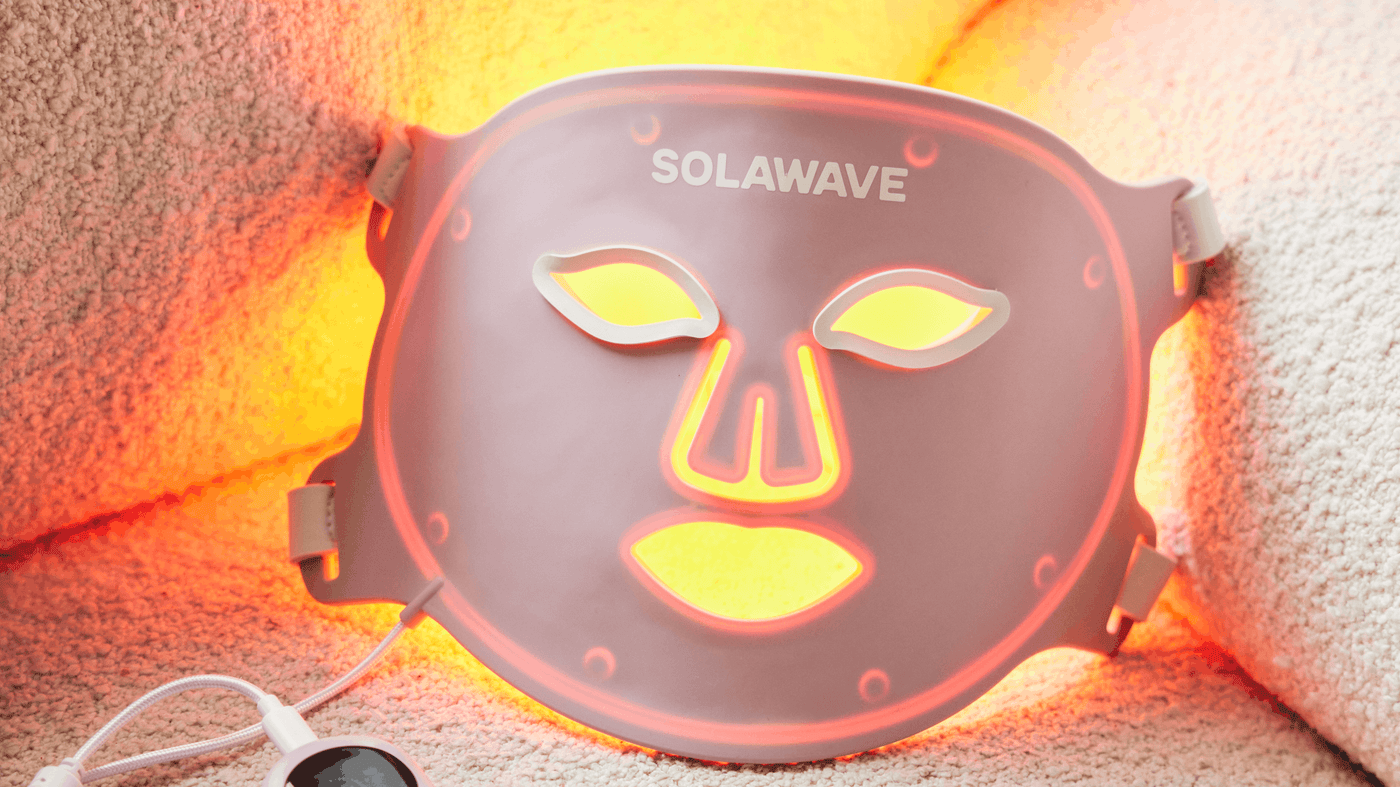
Red light face mask therapy uses light-emitting diodes (LEDs) distributed across a wearable mask to expose the face to specific wavelengths of visible and near-infrared light. Unlike ultraviolet (UV) light, which causes sun damage and skin aging, red and near-infrared light are non-thermal and non-damaging to the skin barrier.
When these gentle wavelengths reach the skin, they interact with the surface layers to support natural vitality. The technology is often called photobiomodulation in scientific literature. In cosmetic applications, this gentle energy helps skin appear smoother, firmer, and more luminous over time.
Wearable LED face masks have grown in popularity because they provide hands-free, uniform coverage across the entire face. Rather than holding a single wand or moving a small light source over different zones, a mask lets you sit back while hundreds of LED lights distribute energy evenly to your forehead, cheeks, jawline, and chin.
For more background, explore how red light therapy works.
Quick Answer: Red light face mask therapy delivers non-invasive wavelengths of light to the skin. It helps improve the look of fine lines, supports a more even tone, and promotes an overall radiant appearance without downtime.
Not all light therapy devices deliver the same light. The effectiveness of any mask depends heavily on the precision of the wavelengths emitted by its diodes. High-quality masks often combine multiple complementary wavelengths to target different visual concerns across the face.
| Wavelength | Color Category | Primary Visual Benefit |
|---|---|---|
| 605 nm | Amber Light | Promotes a glowing, radiant, and refreshed complexion |
| 630 nm | Red Light | Helps target the appearance of redness and supports even tone |
| 660 nm | Deep Red Light | Addresses the visible look of fine lines and aging skin |
| 830 nm | Near-Infrared Light | Supports the appearance of firmer, plumper-looking skin |
Amber light sits in the lower visible spectrum. It is frequently selected in advanced light therapy for its ability to enhance visible surface radiance. Skincare routines using amber light often focus on reviving dull-looking skin and giving the complexion a refreshed, dewy finish.
Red light is the cornerstone of cosmetic LED masks. Wavelengths around 630 nm are widely recognized for helping skin look more balanced, calming the look of surface redness, and refining overall tone.
Deep red light, around 660 nm, reaches slightly further into the skin layers. It is especially popular for targeting the appearance of fine lines, crow's feet, and expression creases around the mouth and forehead. Combining standard red and deep red light provides a comprehensive approach to visible skin renewal.
Near-infrared light is invisible to the human eye, but it plays a significant role in modern skincare devices. Wavelengths around 830 nm work alongside visible red light to support the look of skin firmness and elasticity. Near-infrared helps skin appear subtly lifted and resilient, making it a valuable addition to an anti-aging regimen.
When using an LED face mask consistently, visible changes develop gradually over several weeks. Red light therapy is not an overnight fix, but rather a restorative habit that compounds with regular sessions.
One of the main reasons people turn to red light therapy masks is to improve the look of premature aging. Regular sessions help soften the appearance of expression lines, forehead creases, and fine lines around the eyes. While it will not completely erase deep set wrinkles, many users notice that their complexion appears visibly smoother and more supple.
For more information, read how red light therapy may support the look of fine lines.
Environmental stressors and daily fatigue can leave skin looking flat and uneven. Red light therapy helps calm the appearance of minor surface redness and promotes a luminous, well-rested look. Pairing red light with amber light helps bring out a natural, healthy-looking glow without needing heavy makeup.
Skin texture often feels softer and looks more refined with consistent use. As the light supports overall surface health, the skin barrier appears plump and hydrated. Users often describe their skin as feeling bouncier and looking more taut after four to eight weeks of steady treatments.
Key Takeaway: Results from red light face masks are progressive and subtle. Consistent sessions over four or more weeks help skin look smoother, calmer, and more luminous.
To get the most out of your LED mask, you want to integrate it smoothly into your existing skincare routine. Using the device on properly prepped skin ensures that light penetrates effectively and that topicals complement the experience.
Always start with clean, dry skin. Remove all makeup, sunscreen, excess oil, and daily impurities before beginning your session. Heavy oils and thick mineral sunscreens can reflect or block light wavelengths, reducing the amount of energy that reaches your skin.
A gentle, non-stripping cleanser like the Pre- & Probiotic Hydrating Gel Cleanser works well to wash away buildup while keeping your skin barrier comfortable and balanced. Rinse thoroughly with lukewarm water and pat dry with a clean towel.
Certain serums and creams are formulated to be applied directly before light therapy. The LightBoost Face & Neck Serum provides lightweight, hydrating actives that prep the skin for treatment. If your skin tends to be dry, you can follow with the LightBoost Face & Neck Rich Cream.
If you are using both products, apply the serum first, then follow with the cream. Be sure to allow all topicals to fully absorb into the skin before putting on your mask. Never place a mask over wet or tacky skincare, as this could smudge onto the diodes or cause uneven contact.
Eye safety is essential whenever you use bright LED devices. Before turning on your mask, make sure the supplied protective eyewear is properly installed. Protective goggles are required for every session to shield your eyes from direct light exposure.
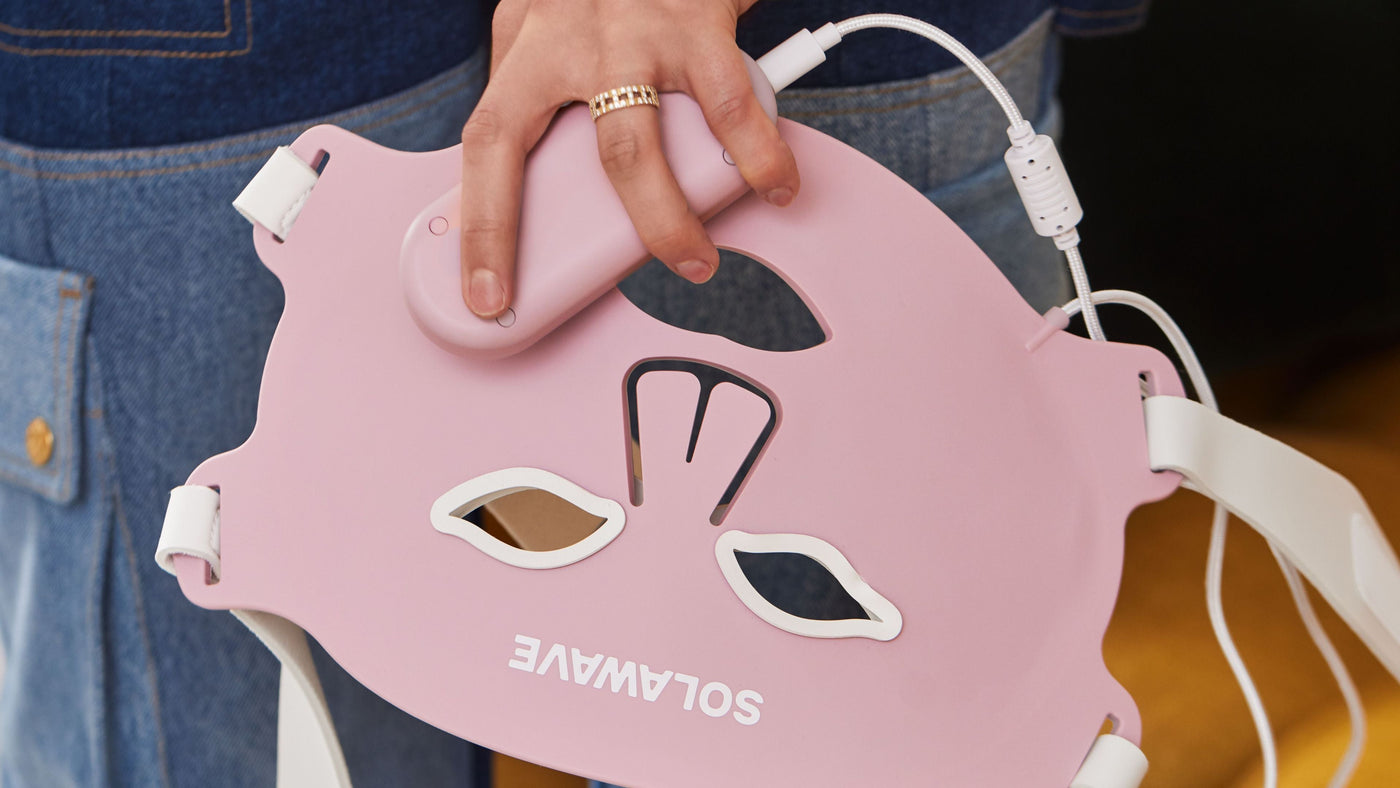
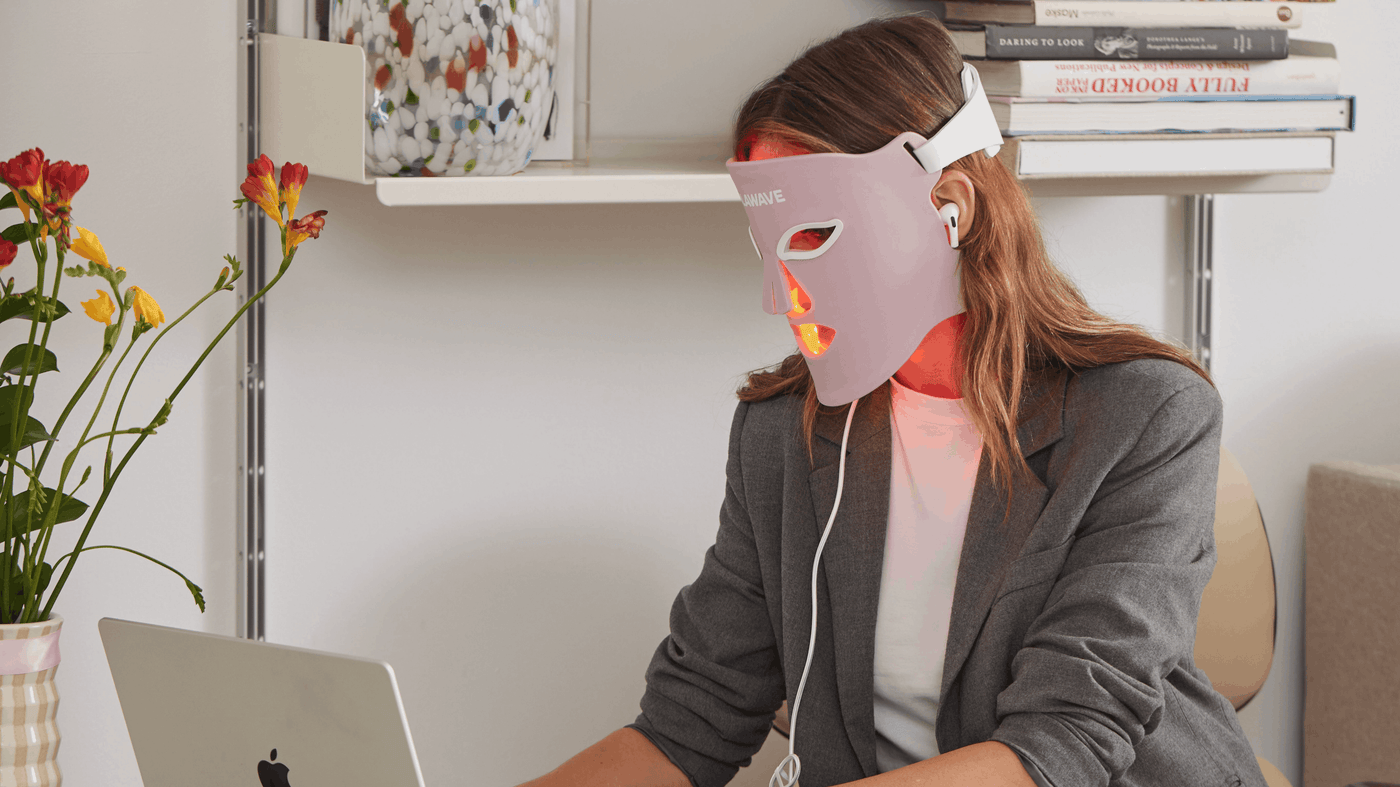
Place the mask over your face and secure the adjustable head straps around the back of your head. The mask should rest comfortably and close to the skin without feeling overly tight.
Press and hold the power button on the remote until the LEDs activate. Sit back, relax, and let the device complete its 3-minute cycle. Solawave designs the Wrinkle Retreat Pro LED Face Mask with an automatic shut-off feature, so the device turns off cleanly when the session ends.
Use your mask 3 to 5 times per week for optimal visual benefits. Do not exceed one session per day, as more frequent use does not speed up results and can lead to skin fatigue.
For additional scheduling guidance, read how often to use red light therapy.
After removing the mask, you can continue with your remaining skincare steps. If you did not apply a moisturizer beforehand, apply your favorite cream now to seal in hydration. During the daytime, always finish your morning routine with a broad-spectrum sunscreen to protect your skin from UV exposure.
When shopping for an LED face mask, you will encounter two main structural designs: flexible silicone masks and hard, rigid plastic shells. Understanding the differences helps you choose the best fit for your lifestyle.
Flexible masks are crafted from soft, medical-grade silicone that gently contours to the unique curves of your face.
Rigid masks use a molded plastic exterior similar to a visor or full-face helmet.
Flexible Silicone: Best for lightweight comfort, close fit, and easy storage.
Rigid Shell: Best for hands-off hovering and built-in mechanical extras.
Investing in a light therapy mask requires evaluating technical specifications to ensure you are getting an effective, reliable tool. Keep these factors in mind when comparing models.
Always look for a device that is FDA-cleared. FDA clearance means the device has undergone formal regulatory review for cosmetic safety and substantial equivalence to established standards. Cleared devices like the Wrinkle Retreat Pro LED Face Mask offer peace of mind regarding design quality and electrical safety.
You can browse our FDA-cleared light therapy devices to compare options.
The total number of LEDs determines how evenly light distributes across your complexion. Devices with fewer lights can leave noticeable gaps in coverage, meaning certain areas of your skin receive less energy. High-density designs with hundreds of diodes ensure balanced exposure from your forehead down to your chin.
Consistency is the single most important factor in light therapy. If a mask requires a 20-minute commitment every single day, it is easy to skip sessions when your schedule gets busy. Masks with high-efficiency outputs can deliver effective sessions in just 3 minutes, making it simple to maintain your routine long term.
Pro Tip: Look for an automatic timer on your device. Auto shut-off prevents you from losing track of time and ensures you receive the precise intended exposure every session.
While a full-face mask provides comprehensive coverage, you might also have specific areas that need tailored attention. You can easily build a modular routine by adding specialized tools for targeted zones.
The delicate skin on the neck and chest often shows signs of sun exposure and crepiness earlier than the face. The Neck & Chest Pro Light Therapy Mask is designed specifically to drape over the décolleté and neck, delivering amber, red, deep red, and near-infrared light in a dedicated 3-minute format. You can prep the area with LightBoost Face & Neck Serum before treatment to keep the skin hydrated.
If your primary concerns are dark circles, crow's feet, or the look of under-eye tiredness, an eye-specific tool offers focused care. The Radiant Renewal Eye Recovery Pro is an FDA-cleared device featuring 80 LEDs calibrated for the delicate eye area. Pairing it with the LightBoost Eye Cream before your 3-minute session helps hydrate and smooth the appearance of fine lines around the orbital rim. Protective eyewear is included and required for every use.
For more guidance, explore red light therapy for dark circles.
For localized blemishes or on-the-go touch-ups, handheld wands provide exceptional flexibility. The 4-in-1 Skincare Wand combines 630 nm red light with gentle therapeutic warmth, facial massage, and galvanic current. Using it with the LightBoost Wand Activating Serum allows the wand to glide smoothly across the skin for a targeted 3-minute treatment per facial zone.
If unexpected blemishes arise, Bye Acne: 3-Minute Pimple Spot Treatment uses a combination of blue light (415 nm) and red light (630 nm). It is an FDA-cleared acne spot device designed to target the look of blemishes and calm the appearance of surrounding redness on clean, dry skin.
At-home red light therapy has a strong safety profile, but following best practices ensures your skin remains comfortable and healthy.
Never look directly into active LED lights. While red light does not contain damaging UV rays, bright diodes can cause visual glare or discomfort. Always install and wear the protective goggles supplied with your mask during every single treatment. Do not rely solely on keeping your eyes closed.
If you are new to light therapy or have sensitive skin, perform a patch test before your first full session. Turn on the device and hold it near your inner forearm or jawline for one to two minutes. Check the area after a few hours. If you notice persistent irritation or excessive redness, discontinue use and check in with your healthcare provider.
For more tips, read this guide to red light therapy for sensitive skin.
Red light therapy devices are intended for cosmetic use by healthy adults aged 18 and older. You should not use light therapy devices if you:
If you have Fitzpatrick Skin Types V or VI, or if you are prone to melasma or hyperpigmentation, consult a dermatologist before starting. A skincare specialist can help you determine the best session frequency and topical pairing for your unique skin tone.
Proper care keeps your mask hygienic and ensures its internal electronics continue functioning at peak performance.
The secret to seeing a visible difference in your complexion is patience and regularity. Red light face mask therapy works best as a steady, supportive element of your daily wellness ritual.
Most people notice initial improvements in radiance and skin comfort within the first few weeks, with more noticeable improvements in the look of fine lines appearing after four to eight weeks of steady use. Treat your 3-minute session as a dedicated pause in your day: a quick, calming moment to unwind while giving your skin professional-style care from the comfort of home.
If irritation occurs, review what to do after red light therapy irritation.
Red light face mask therapy offers an accessible, science-backed method for refreshing your complexion without clinic appointments or downtime. By delivering targeted red, deep red, amber, and near-infrared wavelengths, a quality LED mask helps your skin look visibly smoother, calmer, and more luminous over time.
Bottom line: A consistent 3-minute session with an FDA-cleared mask helps support the appearance of firmer, glowing skin at home.
Ready to find the perfect light therapy match for your skin goals? Explore our collection of FDA-cleared light therapy devices, or take the skin quiz to build your personalized routine today.
For optimal visual results, use your red light face mask 3 to 5 times per week for 3 minutes per session. Avoid using the mask more than once per day, as extra sessions do not accelerate visible benefits. Consistency over four or more weeks is the key to maintaining a radiant, smooth-looking complexion.
Always start with clean skin free of makeup and sunscreen. You can apply compatible topicals like LightBoost Face & Neck Serum or Rich Cream before your session, making sure they are fully absorbed before putting on the mask. If you prefer using other daily serums, apply them immediately after your light therapy session finishes.
Yes, protective eyewear is required for every session. While red and near-infrared light are non-damaging to the skin, looking directly at bright LED diodes can cause visual discomfort or glare. Always ensure the supplied protective goggles are properly installed on your mask before turning on the device.
Visible results develop gradually and vary by individual. Many users notice their skin looks more refreshed and radiant within the first few weeks of consistent use. More noticeable improvements in the appearance of fine lines, texture, and tone typically appear after 4 to 8 weeks of regular sessions.
The statements on this website have not been evaluated by the FDA. The information provided on this site is not intended to diagnose, treat, cure, or prevent any disease and should not be construed as medical advice. Results may not be typical.
 Skincare Devices
 Skincare Devices