Rated 4.7 out of 5 stars
4.7 / 5


726,000+ customers
Free 60-Day Returns
1-Year Warranty
726,000+ customers
Free 60-Day Returns
1-Year Warranty
Shopping for an at-home LED face mask can feel overwhelming. With dozens of options on the market, understanding which devices meet rigorous safety standards is the best place to start. Looking for FDA cleared red light therapy face masks ensures that a device has undergone formal regulatory review for cosmetic use before reaching your home.
At Solawave, we design light-powered skincare tools that make professional-style beauty technology simple, approachable, and easy to fit into your day. This guide explores what FDA clearance means, which features matter most in an LED mask, and how to build an effective routine for refreshed, radiant-looking skin. Consistent habits deliver the best visual improvements, and choosing a trusted, vetted device gives you confidence from day one.
When researching skincare technology, you will often see terms like FDA cleared, FDA approved, and FDA registered. These terms carry specific regulatory meanings in the United States.
Medical devices and light therapy tools intended for cosmetic use generally fall under the FDA 510(k) clearance pathway. A 510(k) clearance demonstrates that a device is substantially equivalent in safety and performance to a legally marketed predicate device already on the market.
Skincare devices are not FDA approved. The FDA reserves the term "approved" for high-risk medical devices, novel pharmaceuticals, and certain biologics. An at-home red light mask designed for visual skincare benefits is classified as a lower-risk device and undergoes the clearance review process instead.
Quick Answer: FDA clearance means the device manufacturer submitted comprehensive technical data demonstrating that the tool meets strict safety, manufacturing, and operational benchmarks for at-home cosmetic use.
Light-emitting diodes (LEDs) deliver specific wavelengths of visible and invisible light directly to facial skin. Ensuring that a device delivers light safely and predictably is essential.
When a mask earns FDA clearance, the manufacturer has validated several critical safety factors:
Choosing an uncleared device from an unverified seller may carry risks such as erratic power output, fluctuating wavelengths, or poor materials. A cleared device provides peace of mind that the hardware on your face is well-crafted and reliable.
Not all light therapy masks offer the same design, coverage, or ease of use. If you want a mask that seamlessly integrates into your lifestyle, several technical and physical specifications deserve attention.
While red light remains the cornerstone of cosmetic light therapy, multi-wavelength masks provide broader aesthetic support. Different wavelengths correspond to distinct optical depths, working together across the surface of the skin.
| Wavelength | Color Category | Cosmetic Appearance Focus |
|---|---|---|
| ~605 nm | Amber Light | Revives the look of dull skin and supports a luminous, radiant tone. |
| ~630 nm | Red Light | Helps visibly smooth the look of fine lines and softens visible redness. |
| ~660 nm | Deep Red Light | Addresses visible signs of aging for an overall refreshed appearance. |
| ~830 nm | Near-Infrared Light | Targets deeper surface layers to support the appearance of firmer, plumper skin. |
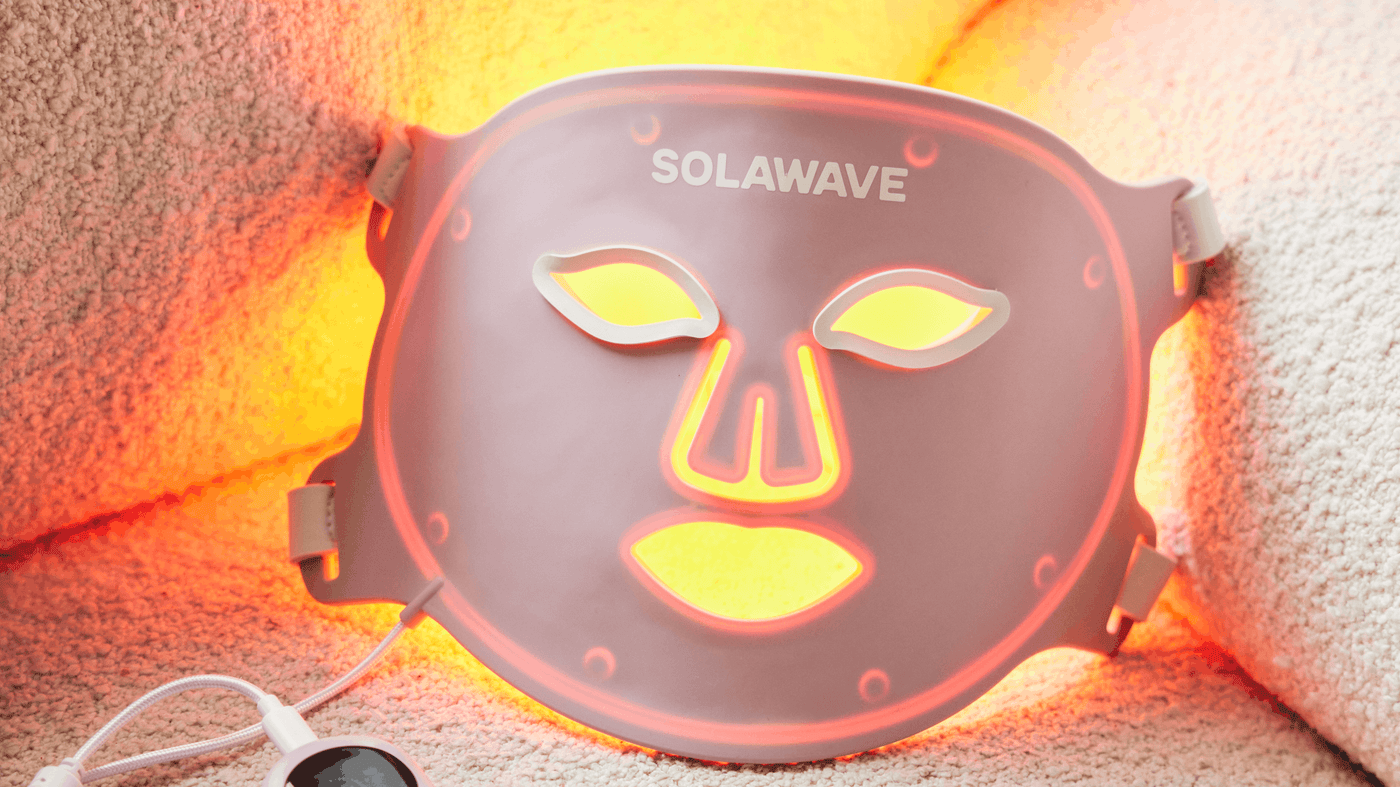
Devices like the Wrinkle Retreat Pro LED Face Mask combine Amber (605nm), Red (630nm), Deep Red (660nm), and Near-Infrared (830nm) light. This quad-wavelength design delivers comprehensive coverage across multiple visual skin concerns in a single session.
The number of individual LED chips matters because light spreads in a cone shape. If LEDs are placed too far apart, certain areas of the face receive less optical coverage.
A high bulb count ensures that light covers the forehead, cheeks, jawline, and nose evenly. For instance, masks equipped with 320 LEDs provide dense, edge-to-edge light distribution without leaving untreated gaps across facial contours.
At-home masks generally come in two designs: flexible medical-grade silicone or rigid hard shells.
Flexible silicone remains a popular choice because closer proximity to the skin allows for efficient light delivery during shorter session times.
The most effective skincare device is the one you actually use. Older LED devices often required 15 to 20 minutes per session, making daily adherence challenging.
Modern, high-output masks deliver an optimal dose of light in shorter timeframes. The Wrinkle Retreat Pro features an automated 3-minute session, shutting off automatically when complete. A 3-minute session fits effortlessly into morning coffee routines or evening unwinding rituals.
For more guidance on timing and consistency, read how often to use red light therapy.
Integrating light therapy into your regimen is simple when you follow proper product layering principles. Using compatible skincare ensures that your skin remains hydrated while allowing the light therapy to work undisturbed.
Always start with clean, dry skin. Oil, heavy makeup, and daytime sunscreen can reflect light away from the skin surface, reducing the visual impact of your treatment.
Wash your face with a mild formula like the Pre- & Probiotic Hydrating Gel Cleanser. Massage gently across the skin for 30 to 60 seconds with lukewarm water, then pat completely dry with a soft towel.
Many light therapy masks work best on completely bare skin, but certain lightweight hydrating topicals are specifically formulated to pair with light devices.
If you use the LightBoost Face & Neck Serum or the LightBoost Face & Neck Rich Cream, apply them before putting on your mask. If you choose to use both, apply the serum first, follow with the Rich Cream, and allow both products to absorb fully into your skin before starting your light session.
Pro Tip: Never apply thick mineral sunscreens or heavy occlusive oils before using your LED mask. Save your daily broad-spectrum SPF for your final morning step after your light therapy session is finished.
For additional routine guidance, explore how to use red light therapy at home.
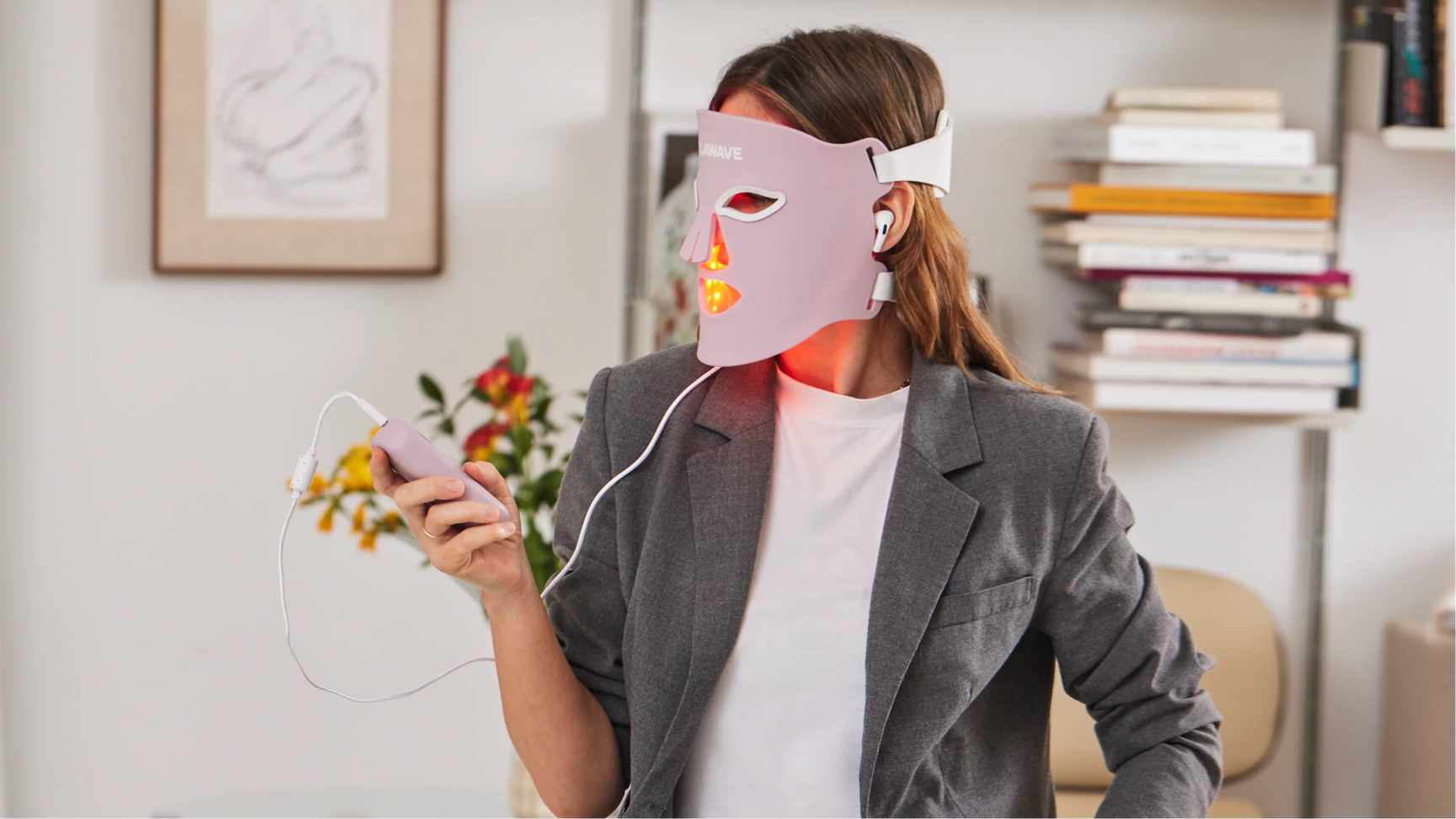
Place the mask over your face, position the adjustable straps, and make sure the fit is snug yet comfortable.
Always ensure the supplied protective eyewear is properly installed before turning on the device. Protective goggles shield your eyes from bright light output, allowing you to relax comfortably throughout the treatment.
Press and hold the power button on the controller to activate the LEDs. Relax for the automated 3-minute session.
Once the device turns off, remove the mask. If you applied your LightBoost topicals prior to the session, your routine is nearly complete.
For daytime routines, follow up with your favorite daily sunscreen. For evening routines, you can layer a replenishing moisturizer like the Pre- & Probiotic Nourishing Moisturizer to seal in hydration overnight.
+-------------------------------------------------------------+
|              RECOMMENDED DAILY LIGHT THERAPY FLOW           |
|                                                             |
|  1. Cleanse (Remove makeup, sunscreen, and surface oils)    |
|  2. Prep (Apply LightBoost Serum/Cream; let fully absorb)   |
|  3. Protect (Install protective eyewear)                    |
|  4. Treat (Run 3-minute session; 3 to 5 times per week)     |
|  5. Finish (Apply daily moisturizer and broad-spectrum SPF) |
+-------------------------------------------------------------+
(Diagram represents the standard daily routine flow.)
Depending on your aesthetic goals and lifestyle, different light therapy formats offer unique benefits.
Full-face masks cover the entire forehead, cheeks, and chin simultaneously. They operate completely hands-free, letting you sit back, read, or listen to a podcast during treatment.
Handheld wands and targeted devices provide concentrated light alongside complementary modalities like warmth or galvanic current.
The 4-in-1 Skincare Wand combines 630nm red light with gentle therapeutic warmth, galvanic current, and facial massage. It requires active movement across the face, taking approximately 3 minutes per zone. It pairs with the LightBoost Wand Activating Serum, which provides optimal glide and skin contact during use.
The delicate skin around the eyes and on the décolleté often shows the look of aging earlier than other areas. Dedicated tools are shaped specifically to treat these contours.
For more information about under-eye routines, read red light therapy for dark circles.
Light therapy is non-invasive and gentle, but following established safety protocols ensures a comfortable, positive experience.
Bright LEDs can feel intense when placed close to the face. While red and near-infrared light do not contain harmful ultraviolet (UV) rays, direct visual exposure to bright light can cause eye fatigue.
Always use the protective goggles or eye inserts supplied with your full-face or eye mask. Never substitute closing your eyes for physical eye protection when the manufacturer specifies eyewear use.
At-home red light therapy devices are intended for cosmetic use by healthy adults aged 18 and older. You should speak with a board-certified dermatologist or primary healthcare provider before starting light therapy if you:
Before using any new LED device on your face, perform a preliminary patch test.
Turn on the device and hold the LEDs against the inner forearm for 3 minutes. Turn the device off and observe the area over the next 24 to 48 hours. If you experience unexpected redness, itching, or irritation, discontinue use and consult a physician.
If your skin is reactive or easily irritated, review these red light therapy tips for sensitive skin.
Red light therapy works cumulatively. Unlike an in-office peel or cosmetic injectable that produces rapid changes, at-home light therapy relies on steady, routine use over time.
During the first couple of weeks, you will become accustomed to your routine. Many users notice that their skin appears slightly more refreshed and feels well-hydrated, especially when pairing the mask with compatible serums.
With consistent application 3 to 5 times per week for at least 4 to 8 weeks, visual improvements become more apparent. Users frequently report that their skin tone looks more even, surface texture appears smoother, and the look of redness is visibly calmed. Fine lines around the eyes and mouth may appear softer and less pronounced.
Maintaining a regular light therapy routine helps support long-term skin vitality. Continuing your 3-minute sessions a few times each week helps sustain a healthy, radiant-looking complexion year-round.
Key Takeaway: Consistency is the foundation of visible results. Sticking to a steady schedule of 3 to 5 sessions per week yields far better aesthetic outcomes than sporadic, prolonged sessions.
Proper maintenance keeps your LED mask hygienic and protects the internal electronics for years of reliable use.
For more information about overuse and session length, read red light therapy mask side effects.
Investing in FDA cleared red light therapy face masks ensures you are using a device vetted for safety, structural integrity, and reliable performance. When paired with high-quality topical skincare and used consistently, multi-wavelength LED masks offer an accessible way to support smoother-looking, radiant skin at home.
Bottom line: A well-engineered LED mask turns professional-grade light therapy into a simple, 3-minute daily ritual for visibly refreshed skin.
Explore our collection of cleared light therapy devices or take the Skin Quiz to find the exact light routine designed for your aesthetic goals.
Most manufacturers recommend using your LED face mask 3 to 5 times per week for optimal visual benefits. For devices like the Wrinkle Retreat Pro, a single session lasts 3 minutes and should be performed no more than once per day. Consistency over 4 to 8 weeks delivers the best visible improvements in skin smoothness and radiance.
Yes, but only lightweight, non-occlusive products designed to work alongside light therapy. Serums such as the LightBoost Face & Neck Serum can be applied before your session and allowed to absorb fully. Avoid heavy moisturizers, oils, and mineral sunscreens prior to light exposure, as thick barriers can reflect light away from the surface of your skin.
Yes, using the supplied protective eyewear is essential for every light therapy session. Even though red and near-infrared wavelengths do not emit harmful UV rays, the brightness of high-density LED chips can cause visual discomfort. Installing the provided eye shields ensures that your eyes remain protected and comfortable throughout the treatment.
FDA clearance applies to low-to-moderate risk cosmetic devices that have demonstrated substantial equivalence to a legally marketed predicate device under the 510(k) pathway. FDA approval is reserved for high-risk medical devices, pharmaceuticals, and clinical biologics. At-home red light therapy face masks receive FDA clearance to validate safety and manufacturing standards for cosmetic use.
The statements on this website have not been evaluated by the FDA. The information provided on this site is not intended to diagnose, treat, cure, or prevent any disease and should not be construed as medical advice. Results may not be typical.
 Skincare Devices
 Skincare Devices