Rated 4.7 out of 5 stars
4.7 / 5


726,000+ customers
Free 60-Day Returns
1-Year Warranty
726,000+ customers
Free 60-Day Returns
1-Year Warranty
Finding the right at-home skincare device can feel daunting when dozens of new options launch every year. If you want to refine the look of fine lines, even out skin tone, and restore a refreshed appearance to your complexion, red light therapy offers an accessible, non-invasive method. Between full-face masks, targeted wands, and handheld spot treatments, each design serves a distinct routine and lifestyle. Solawave designs devices that bring professional-style light therapy into everyday skincare rituals without complicated setups. This guide breaks down the top at-home facial light therapy options for 2026, compares the most effective formats, and explains the features that deliver noticeable, long-term visible results.
Quick Answer: The best facial red light therapy tools combine proven red and near-infrared wavelengths with consistent treatment times and comfortable designs. Flexible full-face masks provide hands-free coverage, while compact wands and targeted devices offer multi-benefit skincare for specific facial zones.
Not all light therapy devices deliver the same visual benefits. When shopping for an at-home tool in 2026, focusing on specific engineering and safety standards helps you select a device that fits your skincare goals.
Light therapy relies on precise wavelengths of light measured in nanometers (nm). For visible facial rejuvenation, look for devices utilizing red light (around 630nm to 660nm) and near-infrared light (around 830nm). These wavelengths are widely recognized in cosmetic light therapy for improving the appearance of uneven texture and supporting the look of firmer skin. Some multi-wavelength devices also incorporate amber light (around 605nm) to enhance visible radiance or blue light (around 415nm) to address blemish-prone areas. For more information, explore how red light therapy works.
The best device is the one you will actually use consistently. At-home facial tools generally fall into three design categories:
Consistency drives visible improvements in skin tone and smoothness. Look for devices engineered with automated shut-off timers and short session lengths, typically between 3 and 10 minutes per treatment. A three-minute session length makes it substantially easier to maintain a habit three to five days per week compared to older devices requiring 20 to 30 minutes. Read more about how often to do red light therapy.
Safety standards are essential for any tool emitting light near the face. Prioritize devices that carry official FDA clearance for cosmetic use. FDA-cleared devices have demonstrated substantial equivalence to established safety benchmarks. Look for devices that include integrated eye protection or supplied protective eyewear to ensure a safe, comfortable treatment experience.
Different light wavelengths address distinct visual skin concerns. The table below outlines the primary cosmetic wavelengths used in top-tier facial devices.
| Wavelength | Light Color | Primary Visible Skin Benefit |
|---|---|---|
| ~415 nm | Blue | Targets the look of blemishes and calms visible surface breakouts |
| ~605 nm | Amber | Promotes a revitalized, radiant, and glowing complexion |
| ~630 nm | Red | Helps skin look more even and softens the appearance of fine lines |
| ~660 nm | Deep Red | Supports the look of facial firmness and refined skin texture |
| ~830 nm | Near-Infrared | Helps the complexion look refreshed, plump, and supple |
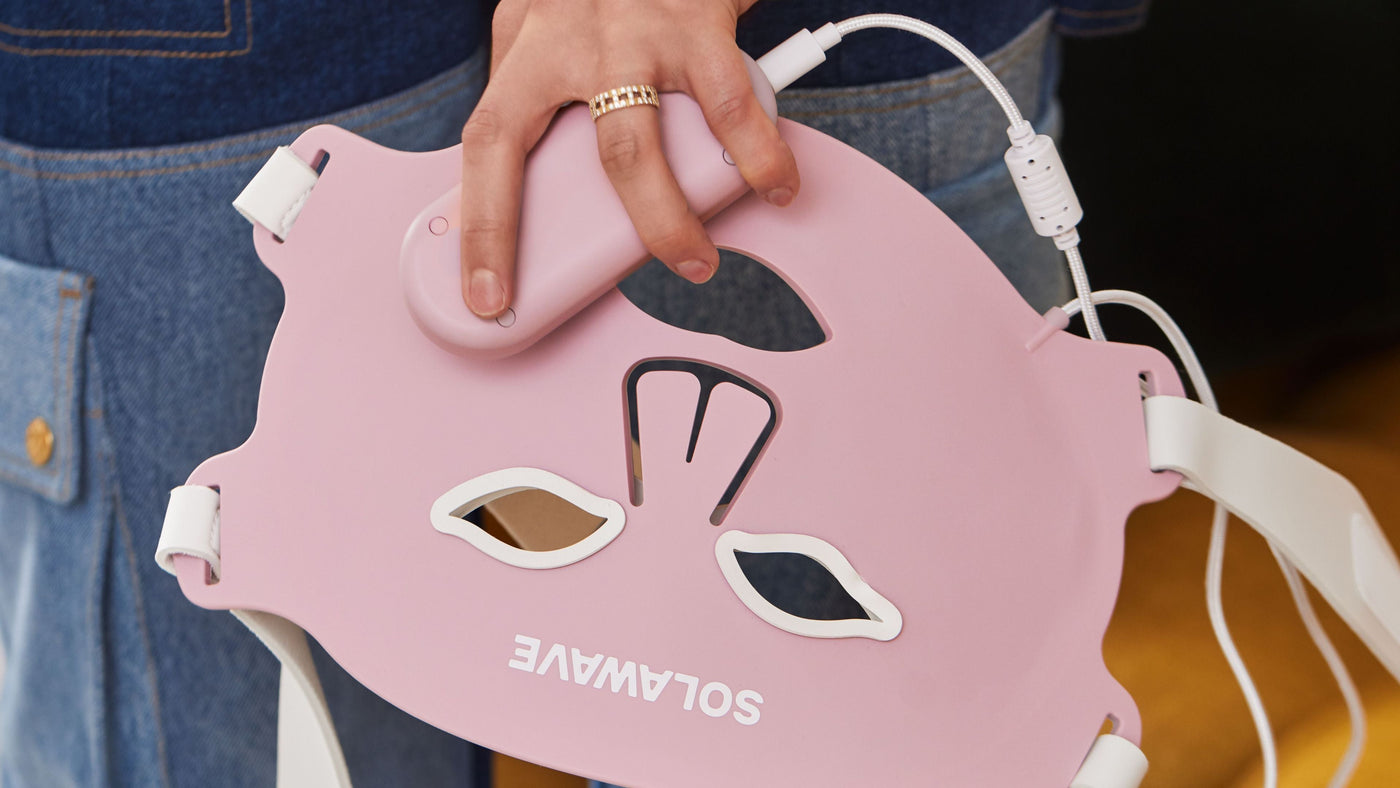
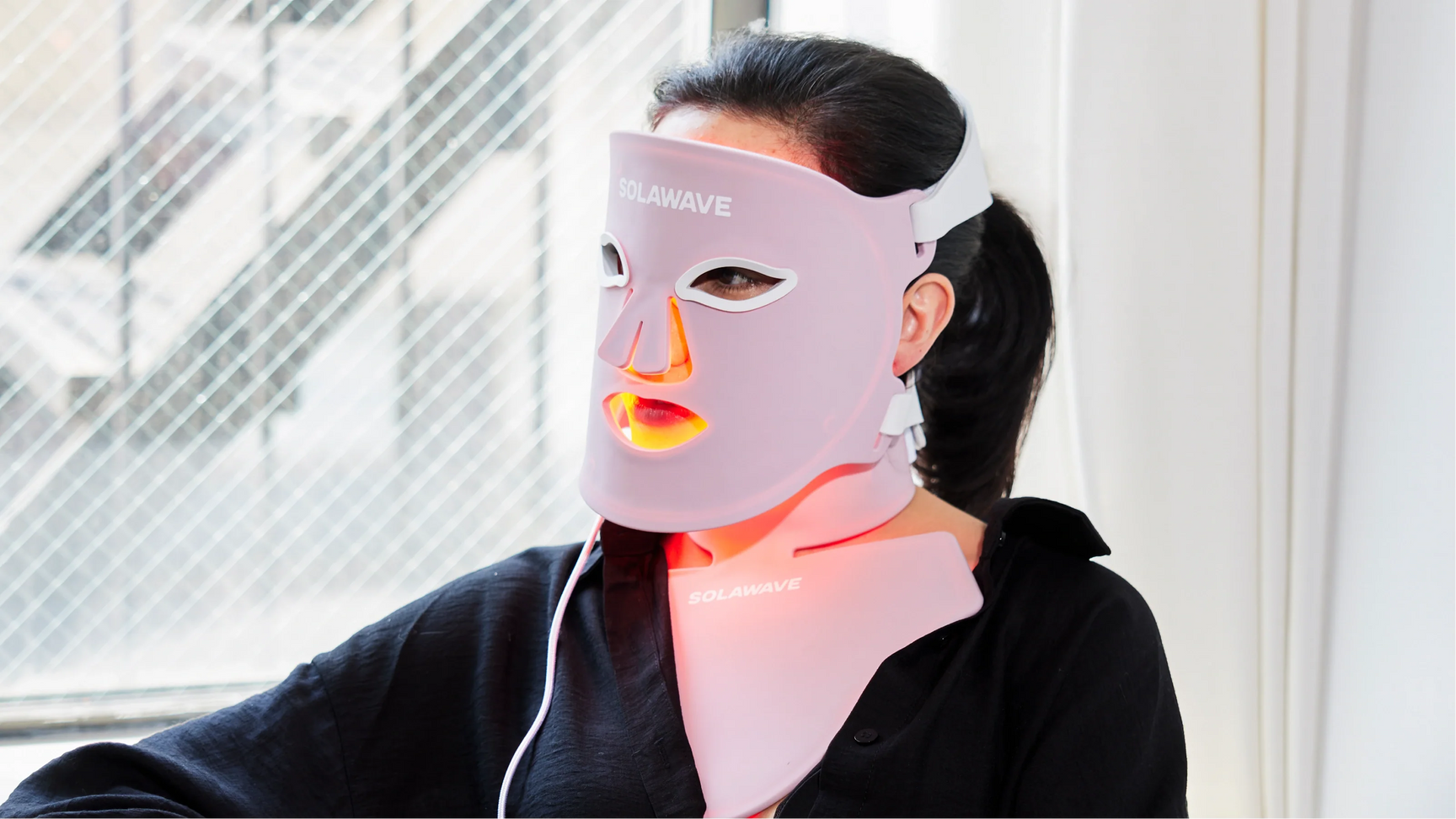
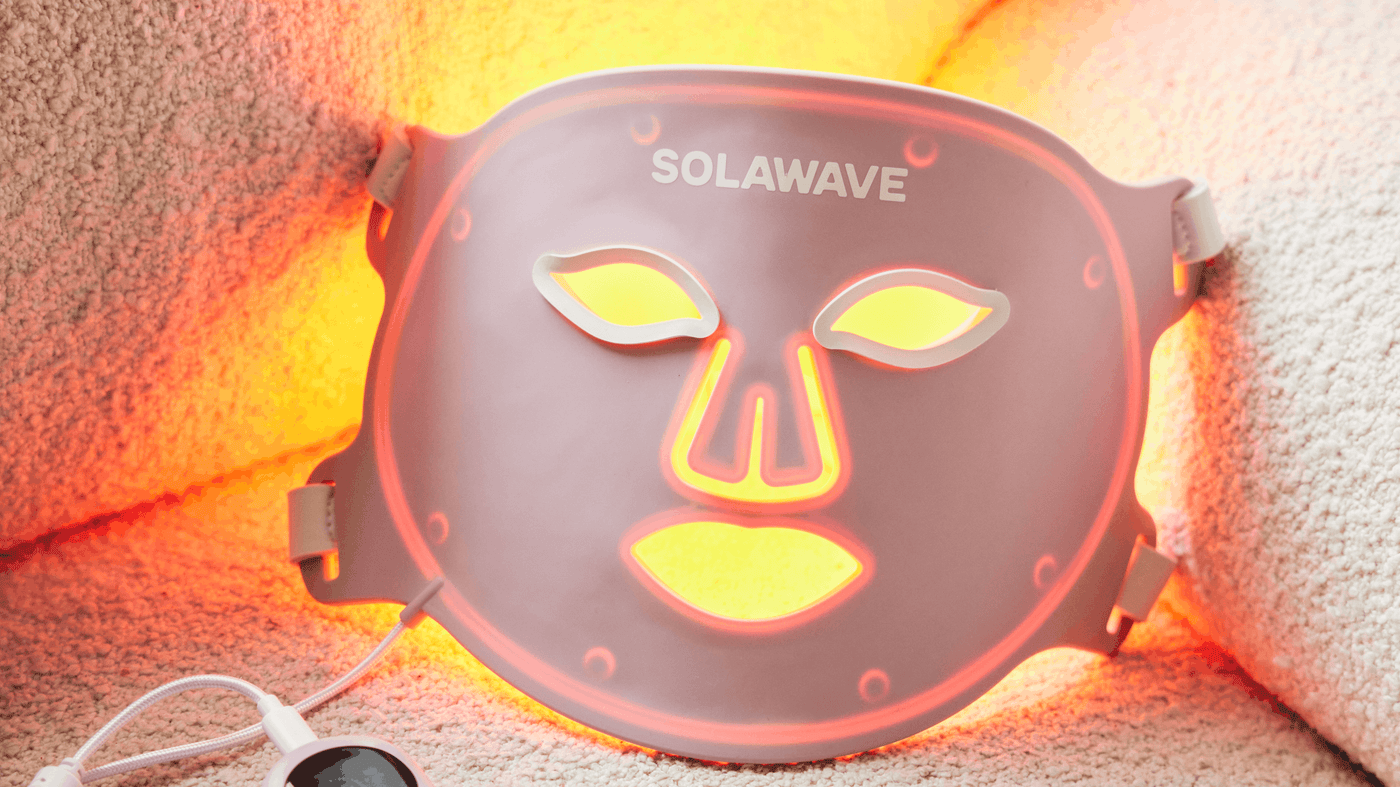
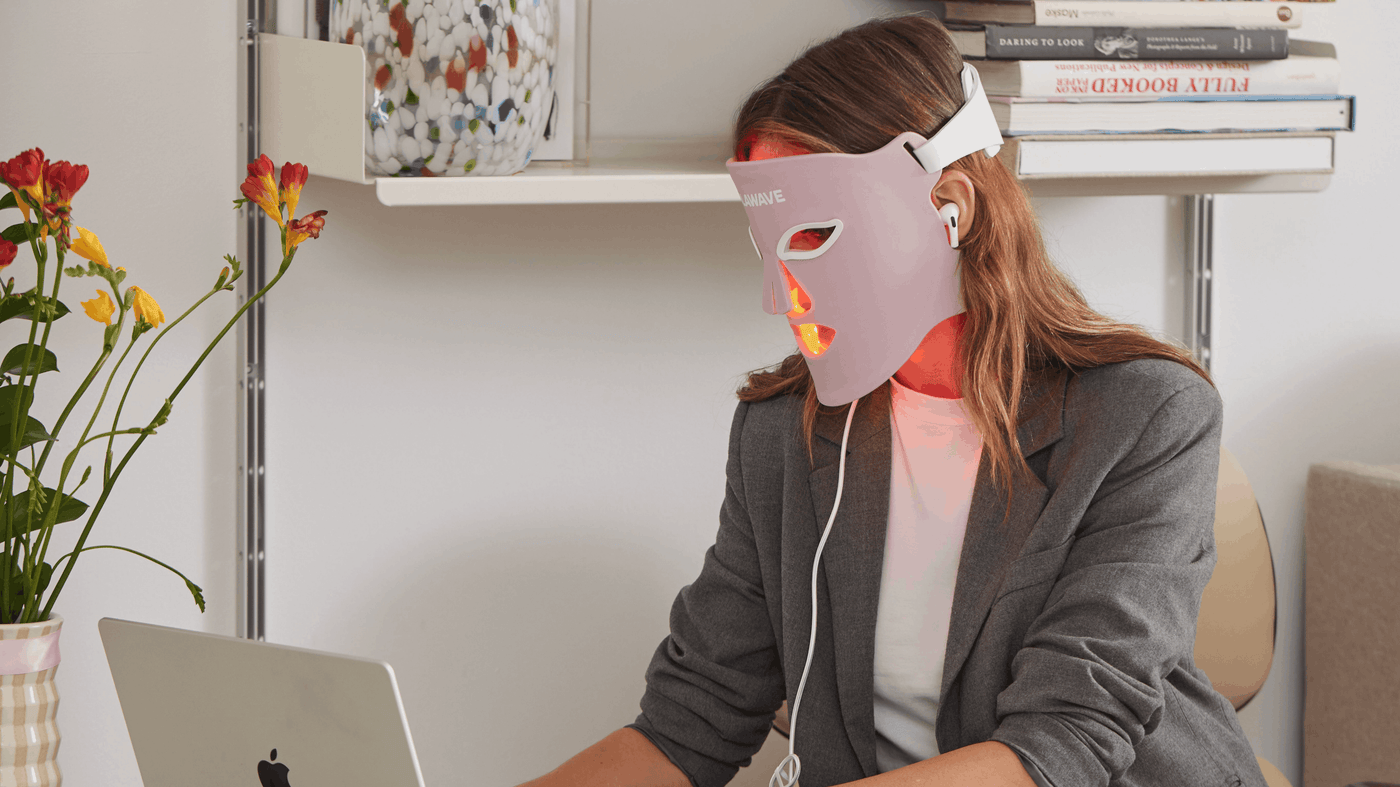
For complete, hands-free facial coverage, the Wrinkle Retreat Pro LED Face Mask represents the gold standard in flexible light therapy. Designed with soft, medical-grade silicone that molds closely to facial features, this FDA-cleared mask delivers comprehensive light coverage across the entire face in a quick 3-minute session.
The mask features 320 LEDs that emit four targeted wavelengths: Amber (605nm), Red (630nm), Deep Red (660nm), and Near-Infrared (830nm). This balanced light distribution helps soften the look of fine lines, visible sun damage, and surface redness across the forehead, cheeks, and chin simultaneously.
To use the mask, start with clean, dry skin. If you use LightBoost Face & Neck Serum or LightBoost Face & Neck Rich Cream, apply them first and let them fully absorb before putting on the device. Attach the supplied protective goggles, secure the adjustable straps, and hold the remote power button to activate the 3-minute cycle.
If you prefer targeted skincare sessions or want a tool that travels effortlessly, the 4-in-1 Skincare Wand combines red light therapy with three complementary modalities. This FDA-cleared device pairs 630nm red light with gentle galvanic current, soothing therapeutic warmth, and gentle facial massage.
The wand features 14 LEDs powered by 7 dual-core chips on a rotating wand head that glides easily around the under-eye area, smile lines, and jawline. The therapeutic warmth and facial massage provide a relaxing sensation while the galvanic current supports the skin's natural receptivity to topical products.
For smooth gliding and optimal wand performance, apply a generous layer of LightBoost Wand Activating Serum to clean skin before treatment. Move the wand in slow upward and outward strokes across each section of your face, reapplying serum as needed to maintain comfortable skin contact.
Pro Tip: Keep your wand glide slow and steady. Taking three full minutes per facial zone allows the warmth, galvanic current, and red light to evenly cover expression lines around the mouth and forehead.
The skin around the eyes is exceptionally delicate and often the first area to show fatigue, fine expression lines, and the appearance of puffiness. The Radiant Renewal Eye Recovery Pro is an FDA-cleared, hands-free mask specifically molded to rest comfortably over the periorbital area.
Equipped with 80 LEDs, this targeted eye mask delivers Amber (605nm), Red (630nm), Deep Red (660nm), and Near-Infrared (830nm) light directly to crow's feet and under-eye hollows.
Before starting your session, tap a pea-sized amount of LightBoost Eye Cream onto clean skin around the orbital bone and allow it to fully absorb. Secure the mask with its installed protective eyewear, power on the device, and relax for the automated 3-minute treatment.
For those who want a portable device that can treat targeted facial zones as well as areas like the hands, neck, or arms, the 2-in-1 Skincare Mini offers impressive versatility. This FDA-cleared compact device combines 630nm red light, 830nm near-infrared light, and therapeutic warmth using 9 dual-core LEDs.
Its palm-sized form factor features a pop-out comfort grip, making it simple to hold while performing circular massage motions over the cheeks, forehead, neck, or chest.
Begin with clean, dry skin free of makeup or sunscreen. Turn on the device and guide it in slow, circular motions across your chosen treatment zone for 3 minutes before moving to the next area.
When unexpected blemishes emerge, dual-light spot treatments provide quick, targeted care. Bye Acne is an FDA-cleared spot treatment device that combines 415nm blue light with 630nm red light.
Blue light is specifically designed to target the visible appearance of blemishes, while red light helps calm the look of surface redness around breakouts.
Place the device directly over a clean, completely dry breakout area and turn it on. Hold it in place until the 3-minute cycle completes automatically. Limit use to once per day on any single spot.
Selecting the best device format depends on your lifestyle, available time, and primary skincare concerns. Here is how the most common at-home formats compare:
| Feature | Flexible Silicone Masks | Multi-Modal Wands | Rigid Hard-Shell Masks |
|---|---|---|---|
| Primary Advantage | Hands-free full-face coverage | Multi-technology targeting (warmth, current, light) | Molded structural shape |
| Typical Session Length | 3 to 10 minutes | 3 minutes per zone (up to 12 minutes) | 3 to 10 minutes |
| Storage & Portability | Rolls or packs flat easily | Pocket-sized, highly portable | Bulky, requires dedicated storage |
| Multi-Modality | Light therapy focus | Light, galvanic current, massage, warmth | Light therapy, sometimes cooling |
| Comfort on Face | Conforms to individual facial contours | Manual glide with custom control | Fixed plastic frame resting on face |
| Best Suited For | Overall facial tone and fine line care | Detailed sculpting and localized expression lines | Stationary home vanity setups |
Flexible silicone masks remain the most popular choice for overall facial care because they distribute light evenly while conforming comfortably to diverse facial structures. Handheld wands serve as ideal everyday tools for anyone seeking a soothing, hands-on facial routine that pairs topical skincare with multiple aesthetic technologies.
To achieve visible results from at-home light therapy, your preparation, device usage, and post-session skincare should work together seamlessly.
Always begin with clean skin. Surface makeup, mineral sunscreen, and excess oils can reflect light wavelengths and reduce the effectiveness of your treatment. Wash your face with a gentle formula like the Pre- & Probiotic Hydrating Gel Cleanser, massaging for 30 to 60 seconds before rinsing with lukewarm water and patting completely dry.
Certain light therapy devices pair effectively with hydrating topicals applied before the session, while others work best on completely bare skin:
Put on your device, ensure all required eye protection is correctly positioned, and turn on the unit. Relax for the programmed 3-minute or 12-minute session until the device shuts off automatically.
Following your session, continue your daily regimen. If you did not apply moisturizer prior to your mask, smooth on the Pre- & Probiotic Nourishing Moisturizer to support the look of a healthy, hydrated skin barrier. If you are completing your routine during the daytime, always finish with a broad-spectrum sunscreen.
Sample Weekly Routine:
* Monday: Evening Full-Face Mask Session (3 min) + Hydrating Skincare
* Tuesday: Rest day or Solabiome daily skincare routine
* Wednesday: Evening Full-Face Mask Session (3 min) + Hydrating Skincare
* Thursday: Targeted 4-in-1 Wand Session with Activating Serum (12 min)
* Friday: Evening Full-Face Mask Session (3 min) + Hydrating Skincare
* Saturday: Sheet Mask hydration maintenance
* Sunday: Rest day
At-home red light therapy devices are gentle and non-invasive, but following proper usage guidelines ensures the best and safest experience.
Light emitted by LED devices is bright. While red and near-infrared wavelengths do not contain harmful ultraviolet (UV) rays, protecting your vision is crucial for comfort and safety. Masks such as the Wrinkle Retreat Pro LED Face Mask and Radiant Renewal Eye Recovery Pro require the use of their supplied protective eyewear during every session. Do not rely simply on closing your eyes when using full-face masks with high LED counts.
Before performing your first complete light therapy session, conduct a simple light sensitivity test. Turn on your device and place it over a small area of skin on your inner arm for 3 minutes. Check the area after several hours. If you notice persistent redness or discomfort, discontinue use and consult a physician.
Most healthy adults over the age of 18 can safely use at-home light therapy devices. However, you should avoid light therapy or speak directly with a board-certified dermatologist if you:
Users with darker skin tones (Fitzpatrick skin types V and VI) or those prone to melasma and hyperpigmentation should consult a dermatologist regarding the optimal frequency and light settings for their complexion.
The best facial red light therapy devices in 2026 combine proven wavelengths, comfortable ergonomic designs, and rapid treatment sessions that make consistent skincare effortless. Whether you choose full-face hands-free coverage or a versatile multi-modal wand, regular use helps skin look noticeably smoother, firmer, and more radiant over time.
Key Takeaway: Visible improvements from red light therapy develop gradually through regular, consistent sessions. Choosing an FDA-cleared device that fits seamlessly into your morning or evening routine is the most reliable way to achieve a refreshed, youthful-looking complexion.
Ready to find the ideal light therapy match for your skincare goals? Explore our collection of FDA-cleared light therapy tools or take the online Skin Quiz to build your personalized routine.
Visible improvements from red light therapy develop gradually with consistent use. Many people notice that their skin appears more refreshed and radiant after two to four weeks of regular sessions. Continued use over four to eight weeks helps improve the appearance of fine lines, skin texture, and overall tone.
Most manufacturers recommend using at-home facial light therapy devices 3 to 5 times per week. Using your device more than once per day does not accelerate visible results and may lead to mild dryness or surface redness. Always check the specific usage instructions for your device model and allow your skin adequate rest between sessions.
It depends on the specific device and formula you are using. LightBoost Face & Neck Serum and LightBoost Face & Neck Rich Cream can be applied before using the Wrinkle Retreat Pro mask, provided they are allowed to fully absorb first. When using the 4-in-1 Skincare Wand, applying LightBoost Wand Activating Serum immediately before gliding is recommended for proper glide and skin contact.
Red light therapy is non-invasive, emits no harmful UV rays, and generates minimal heat, making it suitable for many sensitive skin types. However, if you experience active inflammatory conditions, take photosensitizing medications, or have concerns about melasma, you should consult a dermatologist before beginning an at-home light therapy routine. Performing a patch test on your arm is always recommended before your first facial session. For additional guidance, read about red light therapy for sensitive skin.
The statements on this website have not been evaluated by the FDA. The information provided on this site is not intended to diagnose, treat, cure, or prevent any disease and should not be construed as medical advice. Results may not be typical.
 Skincare Devices
 Skincare Devices