Rated 4.7 out of 5 stars
4.7 / 5


726,000+ customers
Free 60-Day Returns
1-Year Warranty
726,000+ customers
Free 60-Day Returns
1-Year Warranty
Those lines that run from the sides of your nose to the corners of your mouth? Everyone has them. They show up when you smile, talk, and laugh. But somewhere around your mid-30s, they stop disappearing when your face relaxes. And once they start deepening, it feels like every serum, cream, and facial exercise falls short.
So let's answer the real question. Can you actually prevent nasolabial folds from getting deeper?
Before you can slow something down, it helps to understand what's driving it. Nasolabial folds are completely natural facial features. They exist because of the way your facial muscles, fat pads, and skin all interact with each other. But their deepening over time is a multilayered process, not just a surface-level wrinkle issue.
A 2024 study published in Diagnostics classified nasolabial folds into three distinct types based on their anatomical causes. The first involves volume loss in the area beside the nose, which creates a hollow appearance and the look of deep lines. The second relates to sagging of the fat pad above the fold line. As the skin and tissues above the fold lose elasticity, they droop downward, creating a visible bulge that makes the crease look deeper. The third type is driven by repeated muscle movement from the muscles that lift your upper lip during smiling and talking.
Most people experience a combination of these factors. And layered on top of all three is the universal decline in collagen and elastin that starts as early as your 20s, with collagen production dropping roughly 1% per year after that.
Sun exposure accelerates the process by breaking down collagen fibers. Smoking restricts blood flow and damages elastin. Significant weight loss, including from GLP-1 medications, can reduce facial volume and make folds appear more prominent. And genetics play a role in how early and how dramatically these changes show up.
Here's the honest answer. You can't permanently prevent nasolabial folds. They're a natural part of how your face ages. But you absolutely can slow down the process and visibly reduce how deep they look.
The most effective prevention strategies fall into two categories. First, protecting and preserving the collagen you still have. Second, actively supporting your skin's ability to produce new collagen and maintain firmness.
Daily SPF is non-negotiable. UV damage is the single biggest accelerator of collagen breakdown, and it's entirely preventable. Staying hydrated, eating a diet rich in antioxidants, and avoiding smoking all support skin health from the inside.
But the game-changer that most people overlook? Technology that works beneath the skin's surface to support collagen at the cellular level.
This is where the science gets interesting. Red light therapy uses specific wavelengths of LED light to interact with skin cells at the mitochondrial level. When red light at 630nm reaches your skin, it's absorbed by cytochrome c oxidase, an enzyme inside the mitochondria. This triggers increased production of ATP, the energy molecule that powers cellular regeneration.
With more cellular energy available, fibroblast cells ramp up collagen and elastin production. Skin cells repair and regenerate faster. Inflammatory pathways calm down, reducing redness. And circulation improves, delivering more nutrients to the skin.
For nasolabial folds specifically, this matters because the deepening of those lines is driven largely by collagen loss and tissue laxity. Red light therapy targets the biological mechanism behind that decline, supporting the skin's own ability to rebuild structural proteins over time.
And unlike lasers or IPL treatments that target melanin, red light therapy targets mitochondria, which every skin cell possesses regardless of melanin content. That makes it safe and effective across all Fitzpatrick skin types, from I to VI.
The Solawave 4-in-1 Skincare Wand was designed with exactly this kind of targeted treatment in mind. It combines four synchronized technologies in one handheld device, and the nasolabial fold area is one of the zones where it can make the most visible impact.
Red light therapy at 630nm supports collagen production deep within the skin. Galvanic current uses iontophoresis to drive serum actives like hyaluronic acid and peptides deeper into the skin than topical application alone allows. Therapeutic warmth boosts circulation and reduces the appearance of puffiness. And facial massage stimulates lymphatic drainage and promotes a visibly lifted, sculpted look.
Each treatment zone takes just 3 minutes. To target nasolabial folds, you'd glide the wand along the fold line and surrounding cheek area, letting all four technologies work simultaneously. Paired with the LightBoost Wand Activating Serum, the galvanic current drives hydrating actives deeper into the skin for enhanced absorption and visible plumping.
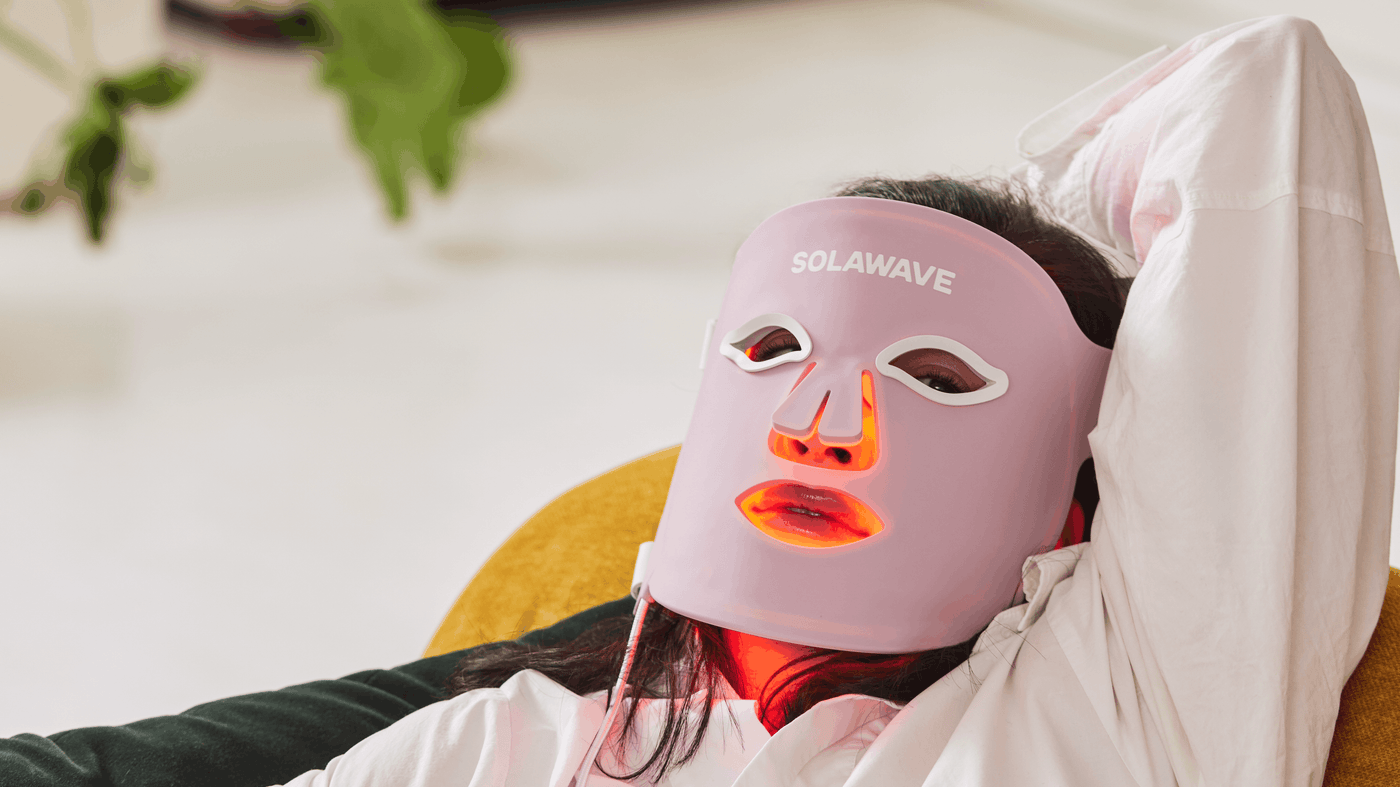
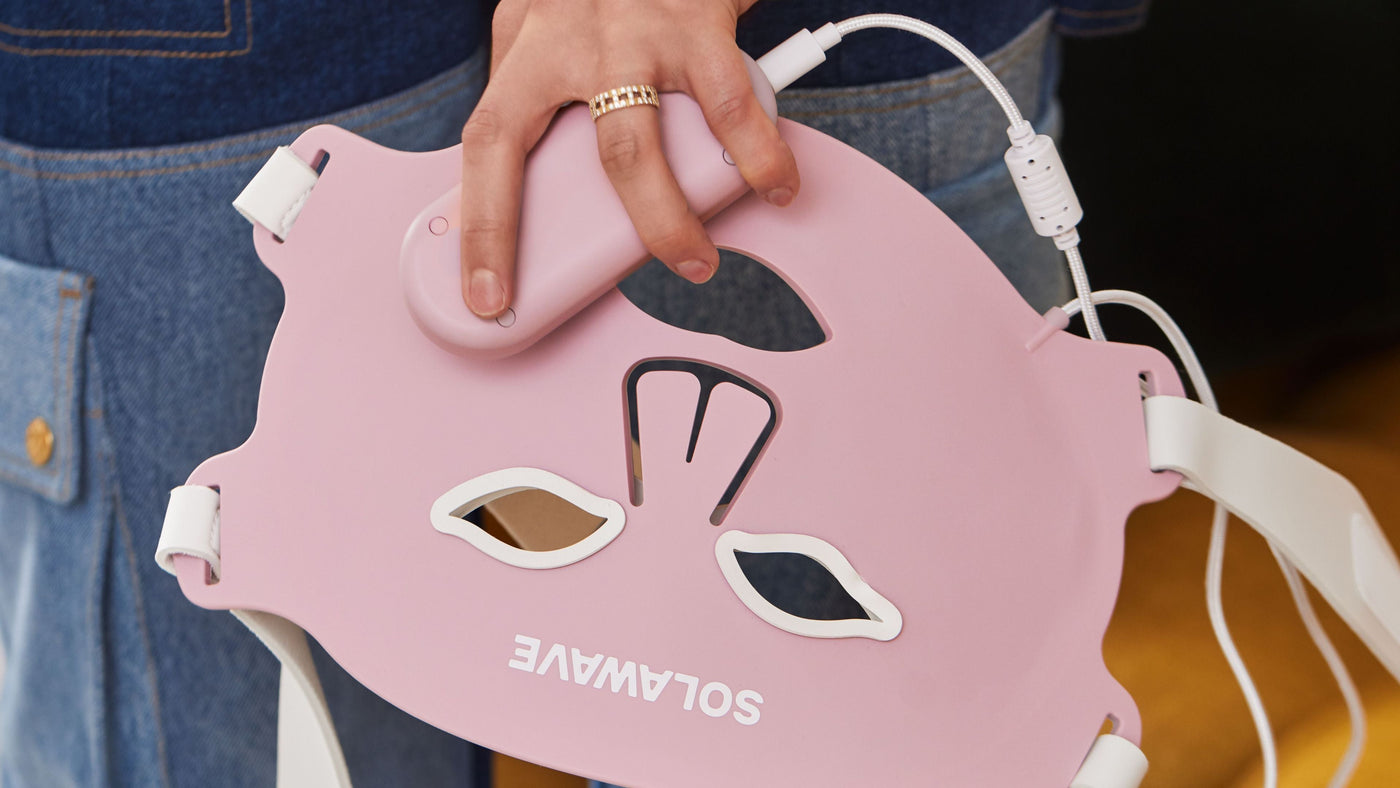
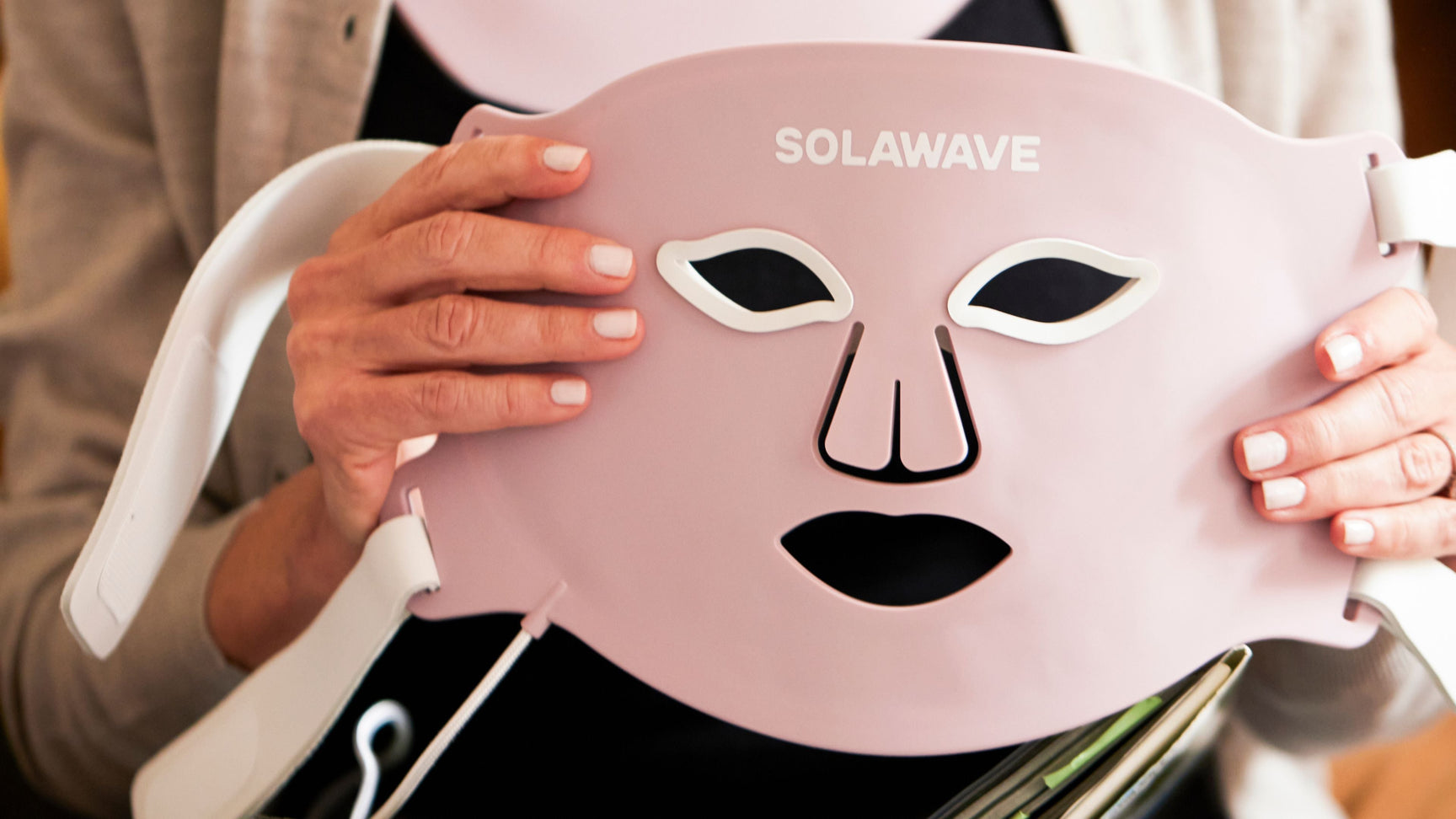
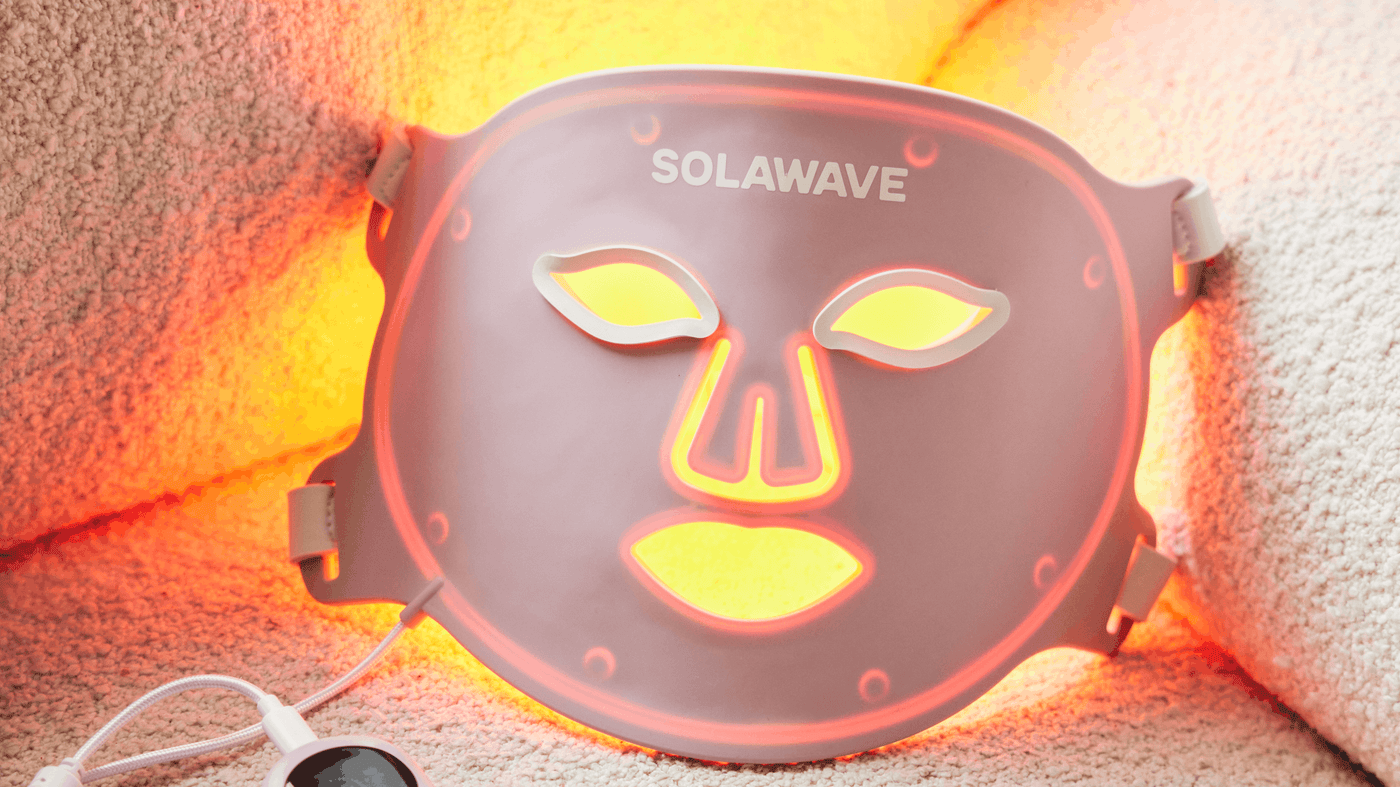
For full-face collagen support, the Wrinkle Retreat Pro LED Face Mask delivers 320 dual-core LEDs across four therapeutic wavelengths in a 3-minute, hands-free session. Red and deep red light at 630nm and 660nm support collagen and elasticity. Amber at 605nm calms redness and evens tone. And near-infrared at 830nm penetrates deepest to support circulation and cellular renewal.
Both devices are FDA-cleared, tested, and backed by independent studies that validate their efficacy.
If you've recently lost a significant amount of weight, particularly through GLP-1 medications like semaglutide, you may have noticed your nasolabial folds looking more pronounced. This happens because facial fat pads shrink during weight loss, leaving behind less volume to support the skin above the fold line.
Red light therapy can support collagen rebuilding in these areas, helping the skin adapt to changes in facial volume. For more on this, read our guide on red light therapy for Ozempic face.
The same collagen-decline mechanism that deepens nasolabial folds also drives 11 lines between the eyebrows, crow's feet, forehead creases, and neck lines. Consistent red light therapy supports collagen across all of these areas simultaneously, which is why building it into your daily routine creates compounding results over time.
All Solawave devices are FDA-cleared, non-invasive, and backed by a 60-day money-back guarantee. Because taking care of your smile lines shouldn't require giving up your smile.
Results may vary. Individual results are not guaranteed.
Nasolabial folds are the creases running from the sides of your nose to the corners of your mouth. They deepen over time due to collagen loss, fat pad shifting, repeated facial muscle movements, and environmental factors like sun exposure.
No, nasolabial folds are a natural part of facial anatomy that everyone has. However, you can slow their deepening through sun protection, hydration, and technologies like red light therapy that support collagen production.
Red light therapy at 630nm supports cellular energy production and collagen synthesis, which can help visibly improve the appearance of fine lines and wrinkles in the nasolabial fold area over consistent use.
Yes. Red light therapy targets mitochondria, not melanin, making it safe and effective across all Fitzpatrick skin types from I to VI. There is no UV exposure and no risk of hyperpigmentation.
Consistency is key. Using the 4-in-1 Skincare Wand 3 to 5 times per week, most users begin noticing visible improvements within several weeks of regular use.
Yes, significant weight loss can reduce facial volume and make nasolabial folds appear more pronounced. Red light therapy can support collagen rebuilding to help the skin adapt to changes in facial volume over time.
 News
News