Rated 4.7 out of 5 stars
4.7 / 5


726,000+ customers
Free 60-Day Returns
1-Year Warranty
726,000+ customers
Free 60-Day Returns
1-Year Warranty
You've achieved your weight loss goals with GLP-1 medications like Ozempic or Wegovy, but now you're noticing something unexpected in the mirror: your face looks gaunt, hollow, and somehow older than before. Welcome to "Ozempic face," a term that's become increasingly common as millions turn to these medications for weight management. The good news is that red light therapy for Ozempic face is emerging as a promising, non-invasive approach to help restore what rapid weight loss can take away.
Ozempic face refers to the facial changes that occur after significant weight loss, particularly the rapid weight loss associated with GLP-1 receptor agonist medications like semaglutide (Ozempic, Wegovy) and tirzepatide (Mounjaro, Zepbound). While the term specifically references Ozempic, these GLP-1 facial changes can occur with any method of substantial weight loss.
The hallmark signs include:
These changes happen because when you lose fat throughout your body, you also lose the fat pads that give your face its youthful, plump appearance. Unlike targeted weight loss, which doesn't exist, GLP-1 medications reduce fat systemically, including the facial fat that provides structural support and volume.
Understanding why Ozempic skin sagging occurs requires looking at what happens beneath the surface during rapid weight loss.
Your face contains distinct fat compartments that sit in specific positions, providing volume and support. According to dermatological research, these fat pads diminish naturally with age, but rapid weight loss accelerates this process dramatically. When these fat pads shrink quickly, the skin that once stretched over them has no time to adapt, resulting in loose, sagging tissue.
Weight loss and collagen loss are real phenomena. Rapid weight reduction can stress the body in ways that affect collagen production and maintenance. The skin's structural proteins, collagen and elastin, need adequate nutrition and stable conditions to regenerate properly. Caloric restriction, even when medically supervised, can sometimes compromise the body's ability to maintain optimal collagen synthesis.
Additionally, when skin has been stretched by underlying fat, and that fat disappears quickly, the collagen and elastin fibers may not have sufficient time to remodel and tighten. This leaves skin loose rather than snapping back to fit the new facial contours.
Younger skin has more robust collagen production and better elasticity, allowing it to adapt more readily to volume changes. For those over 40 using GLP-1 medications, the combination of age-related collagen decline and rapid fat loss creates a more pronounced Ozempic face effect. The skin simply cannot keep pace with the changes happening beneath it.
Red light therapy for Ozempic face works by targeting the underlying causes of post-weight-loss facial changes at a cellular level. This FDA-cleared technology offers a non-invasive approach to Ozempic face treatment that complements the body's natural regenerative processes.
Red light wavelengths (typically 630-660nm) and near-infrared wavelengths (800-850nm) penetrate the skin to reach the dermis, where collagen-producing fibroblast cells reside. When these cells absorb light energy, their mitochondria increase ATP (cellular energy) production, which stimulates increased collagen and elastin synthesis.
Clinical studies have demonstrated that consistent red light therapy can increase collagen density by significant percentages over 8-12 weeks of regular use. For those experiencing weight loss and collagen loss, this boost in collagen production helps restore some of the structural support that sagging skin needs.
Beyond collagen, red light therapy supports elastin production, the protein responsible for skin's ability to snap back into place. Improved elasticity helps skin conform more closely to new facial contours after fat loss, reducing the loose, draped appearance characteristic of the Ozempic face.
Red light therapy improves overall cellular health and metabolism in skin tissue. This enhanced cellular function supports:
For skin stressed by rapid changes in underlying volume, this cellular boost provides the resources needed for adaptation and recovery.
Not all red light therapy devices deliver equal results. For addressing GLP-1 facial changes effectively, look for FDA-cleared devices that deliver clinically validated wavelengths at appropriate intensities.
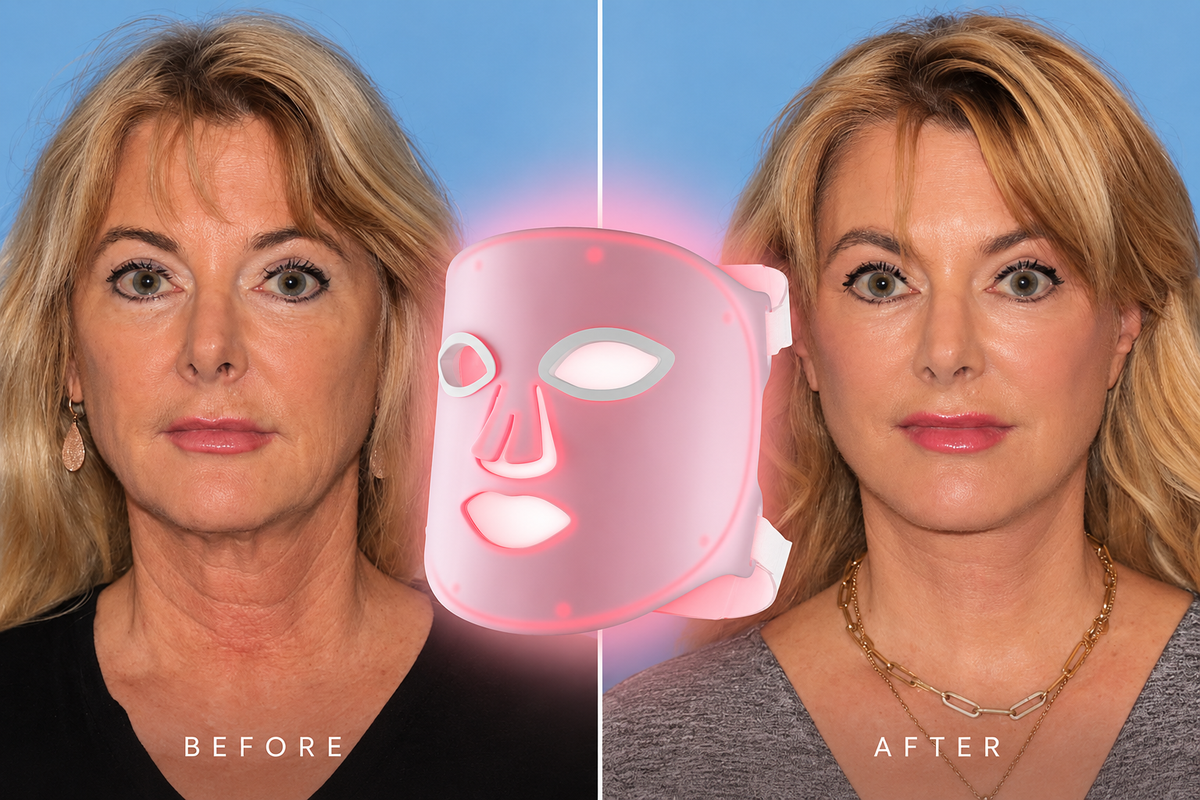
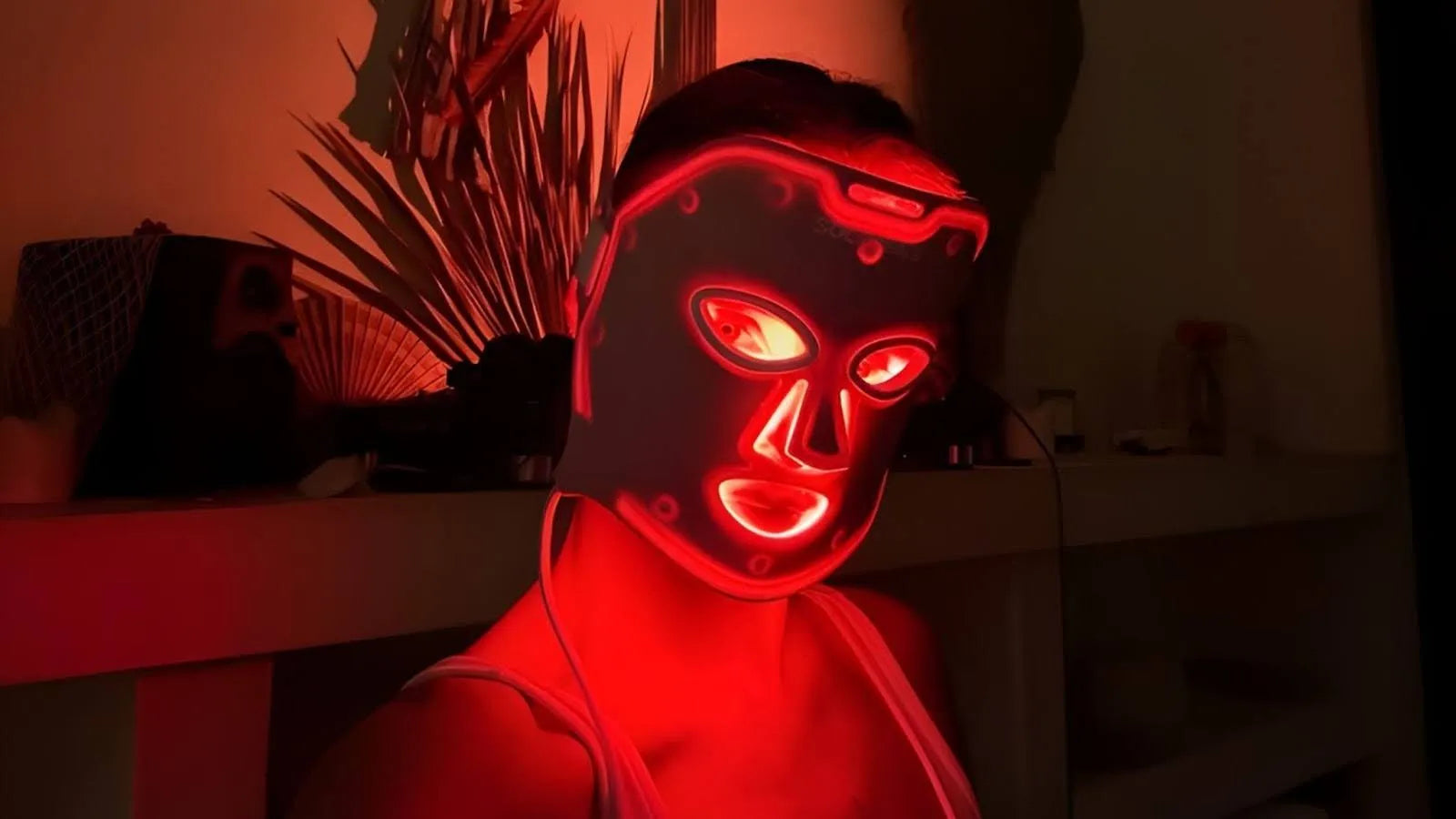
The Red Light Therapy Face Mask provides comprehensive coverage for addressing Ozempic face concerns across all facial zones simultaneously. Featuring 320 medical-grade LEDs delivering four wavelengths (Red 630nm, Deep Red 660nm, Amber 605nm, and Near-Infrared 830nm), this FDA-cleared device treats the entire face in just 3-minute sessions. The combination of wavelengths targets both surface-level concerns and deeper tissue, where collagen production occurs.
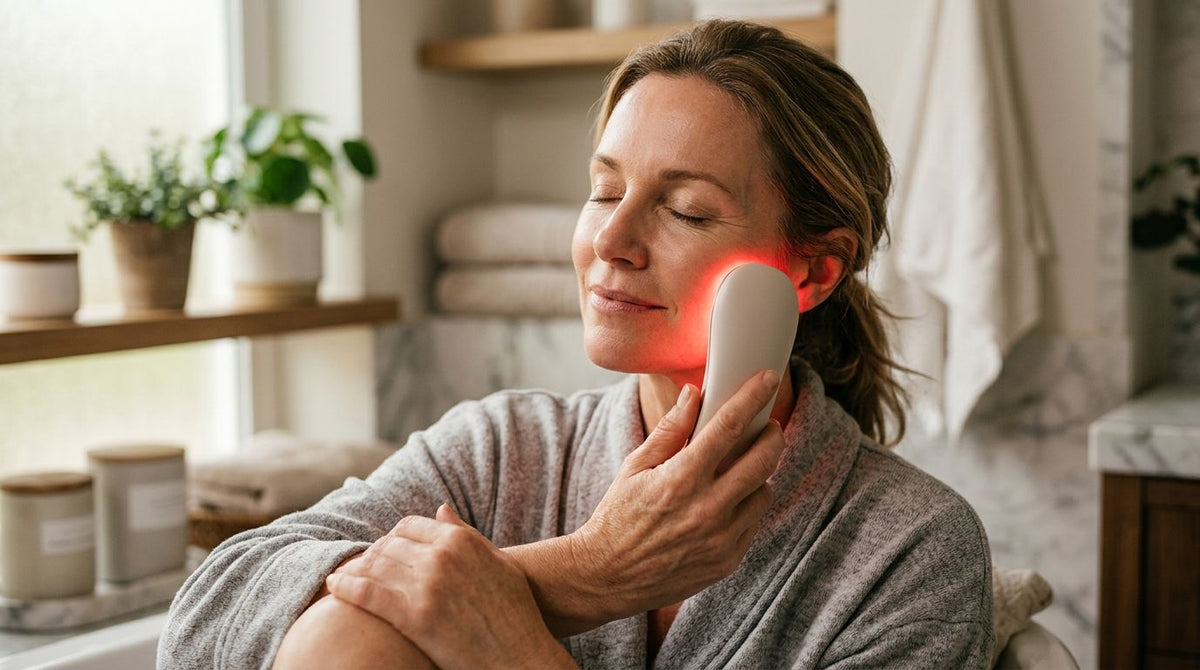
For focused attention on specific areas of concern, such as hollow under-eyes or sagging along the jawline, the red light therapy wand combines red light therapy with microcurrent, therapeutic warmth, and galvanic current. This multi-technology approach addresses Ozempic skin sagging from multiple angles. The wand requires a water-based serum like the LightBoost Activating Serum to work properly and activate all four technologies.
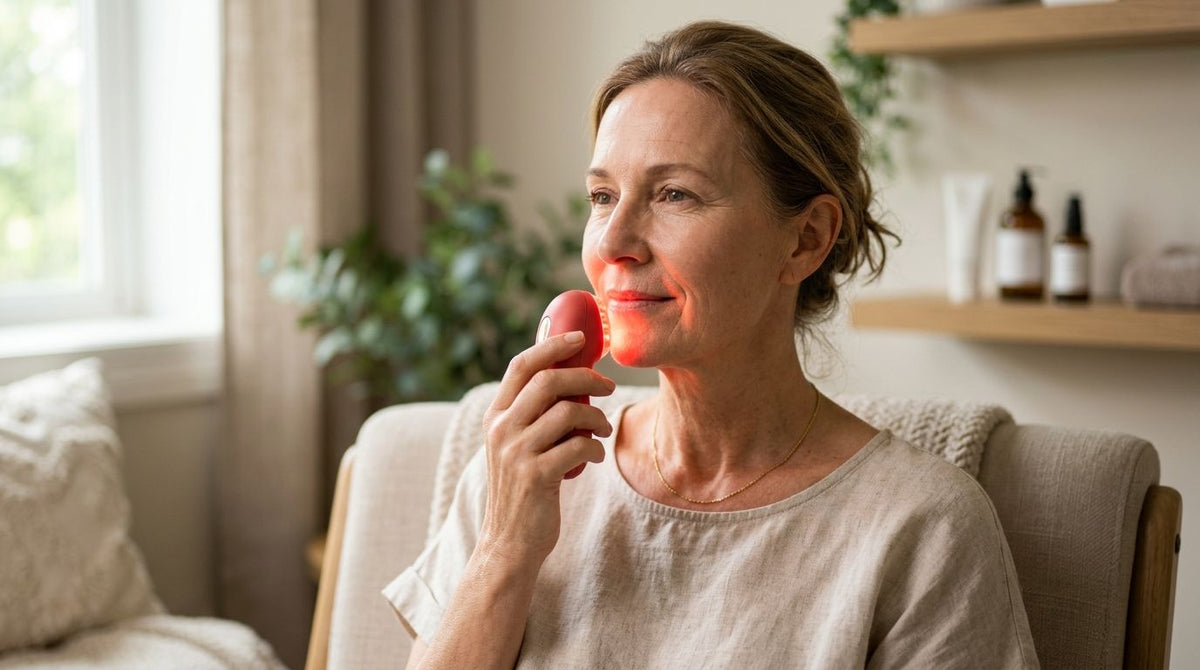
The delicate under-eye area often shows Ozempic face effects most dramatically, with hollow circles and crepey skin becoming more pronounced. The red light therapy eye mask specifically targets this sensitive zone, helping to improve skin texture and reduce the appearance of hollowness around the eyes.
Weight loss affects more than just the face. The neck and chest often show significant skin laxity after GLP-1 weight loss. The Neck & Chest Rejuvenating Mask extends your treatment to these commonly affected areas for comprehensive results.
Consistency is essential when using red light therapy for Ozempic face concerns. Here's a comprehensive approach to maximizing results.
Morning:
Evening:
For optimal Ozempic face treatment results:
All Solawave devices are FSA/HSA eligible and recommended by dermatologists, making professional-grade treatment accessible at home.
While red light therapy provides significant benefits, combining it with other approaches maximizes your results.
What you eat matters for skin health, especially during weight loss. Focus on:
Dehydrated skin appears more hollow and crepey. Drink adequate water throughout the day and use hydrating skincare products containing hyaluronic acid to plump skin from the outside.
Gentle facial massage improves circulation, promotes lymphatic drainage, and can help maintain muscle tone beneath the skin. The microcurrent technology in the Solawave wand provides similar benefits automatically during treatment.
If you're still on your weight loss journey, discuss with your healthcare provider whether a more gradual approach might minimize GLP-1 facial changes. Slower weight loss gives skin more time to adapt to changing volumes.
Setting realistic expectations helps you stay committed to your Ozempic face treatment protocol.
Red light therapy for Ozempic face can significantly improve skin quality, firmness, and collagen density, but it cannot replace lost facial fat volume. Severe volume loss may require complementary treatments like dermal fillers, which a dermatologist or plastic surgeon can discuss with you.
Red light therapy works best for:
While at-home red light therapy provides meaningful results, some cases of Ozempic face benefit from professional intervention. Consider consulting a dermatologist or aesthetic provider if:
Professional options that complement red light therapy include:
Ozempic face is a real phenomenon affecting many people who achieve significant weight loss through GLP-1 medications, but it doesn't have to be permanent. Red light therapy for Ozempic face offers a scientifically-supported, non-invasive approach to addressing weight loss, collagen loss, and Ozempic skin sagging. By stimulating collagen production, improving skin elasticity, and enhancing cellular function, consistent red light therapy can help restore firmness and vitality to skin affected by GLP-1 facial changes. Combined with proper nutrition, hydration, and a comprehensive skincare routine, you can enjoy your weight loss success while minimizing its impact on your facial appearance.
Ready to address the Ozempic face with FDA-cleared technology? Shop Solawave's skincare collection today.
Red light therapy can significantly improve skin quality, firmness, and collagen density associated with Ozempic face. While it cannot replace lost facial fat volume, it addresses skin laxity, crepiness, and loss of elasticity by stimulating collagen and elastin production. For comprehensive reversal of severe volume loss, red light therapy works best when combined with other treatments like dermal fillers.
Most people notice initial improvements in skin hydration and glow within 2 weeks of consistent use. Visible improvements in firmness and texture typically appear around 4-6 weeks, with significant results in skin laxity becoming apparent after 8-12 weeks of regular treatment 3-5 times weekly.
Ozempic face is not necessarily permanent. Some skin laxity may improve naturally over time as skin gradually adapts to new facial contours. Active treatments like red light therapy, proper skincare, adequate nutrition, and professional procedures can accelerate improvement. However, significant fat volume loss may require fillers to fully restore pre-weight-loss facial fullness.
You can minimize GLP-1 facial changes by starting supportive treatments early, even before significant weight loss occurs. Begin red light therapy, use collagen-supporting skincare, ensure adequate protein intake, and discuss gradual weight loss pacing with your healthcare provider. Prevention is easier than correction.
Never stop or modify prescribed medications without consulting your healthcare provider. The health benefits of weight loss often outweigh cosmetic concerns, and facial changes can be addressed through various treatments. Discuss your concerns with your prescribing physician, who can help you weigh the benefits and address side effects appropriately.