Rated 4.7 out of 5 stars
4.7 / 5


726,000+ customers
Free 60-Day Returns
1-Year Warranty
726,000+ customers
Free 60-Day Returns
1-Year Warranty

LED light therapy has gone from a well-kept dermatology secret to one of the most talked-about skincare innovations you can use at home. But with so many colors available, it's easy to feel lost. Blue light? Purple light? What's the actual difference, and which one does your skin need?
Let's break it down.
Blue light therapy uses LED light at approximately 415nm to target one of the root causes of acne. At this wavelength, blue light penetrates the epidermis, the outermost layer of your skin, and interacts directly with the bacteria responsible for inflammatory breakouts.
Here's the science behind it. Cutibacterium acnes (formerly known as Propionibacterium acnes, or P. acnes) naturally produces molecules called porphyrins as part of its normal metabolism. When these porphyrins absorb blue light at 415nm, they generate reactive oxygen species that are toxic to the bacteria itself. Essentially, the bacteria's own byproducts become its downfall when activated by the right wavelength of light.
This process is called endogenous photodynamic inactivation, and it's the reason blue light therapy can reduce acne without antibiotics, harsh acids, or drying ingredients. Beyond destroying bacteria, blue light also helps regulate sebum (oil) production, addressing two of the primary drivers of acne formation in one treatment.
Blue light's shallow penetration depth means it focuses on surface-level concerns. It does not reach the deeper layers of the skin where collagen production and cellular regeneration happen. That's where other wavelengths come in.
Purple light therapy is not a single, distinct wavelength. It's a combination of blue light (typically around 415nm) and red light (typically around 630nm) delivered simultaneously. Think of it as getting the benefits of both wavelengths in one session.
The blue wavelength handles what it does best. It targets acne-causing bacteria and helps control oil production at the skin's surface. Meanwhile, the red wavelength penetrates deeper into the dermis, where it supports collagen synthesis, helps reduce visible inflammation, and promotes cellular repair and regeneration.
Research has shown that combining blue and red light can be more effective for acne than using either wavelength alone. A peer-reviewed study found that alternating or simultaneous blue-red light therapy reduced inflammatory acne lesions significantly while also offering the skin-calming and healing benefits of red light.
So purple light therapy isn't really a "new" technology. It's a strategic pairing of two well-studied wavelengths working together.
Understanding which light addresses which concern helps you make a smarter choice for your skin.
Blue light is best suited for mild-to-moderate inflammatory acne, the kind that shows up as red, inflamed pimples and pustules. It's particularly effective at eliminating the bacterial component of breakouts. However, it does not address non-inflammatory acne like blackheads and whiteheads, since those are caused by structural blockages rather than bacteria. It also does not penetrate deeply enough to support anti-aging concerns like fine lines, firmness loss, or collagen depletion.
Because purple light combines blue and red wavelengths, it offers a broader range of benefits. The blue component handles bacteria and oil. The red component supports healing, reduces visible redness, and helps improve overall skin tone and texture. This makes purple light a good fit if you're dealing with acne and early signs of aging at the same time, or if you want to calm inflammation while also supporting the skin's natural recovery process.
For a deeper look at how different LED colors address specific skin concerns, Solawave's LED light therapy color benefits chart is a helpful visual guide.
This is an important question, and the honest answer requires some nuance.
Blue light therapy is generally safe for lighter skin tones (Fitzpatrick types I through III). However, research suggests that individuals with darker skin tones (Fitzpatrick types IV through VI) may experience temporary hyperpigmentation after blue light exposure. This is because blue light can stimulate melanocyte activity, and melanin-rich skin has more active pigment-producing cells that respond to certain wavelengths of visible light.
If you have a darker skin tone and are considering blue light therapy, it's wise to start with shorter sessions, monitor your skin's response, and consult a dermatologist before committing to a regular routine.
Red light therapy, by contrast, does not target melanin. It works by interacting with mitochondria, which every skin cell has regardless of melanin content. That's why red light is considered safe and equally effective across all Fitzpatrick skin types (I through VI), with zero risk of hyperpigmentation.
This safety distinction matters when you're comparing blue light and purple light. Purple light includes a blue component, so the same skin tone considerations apply.
This is where things get interesting. If your primary concern is acne but you also want to address inflammation, redness, or early signs of aging, you have options.
Solawave's Bye Acne 3-Minute Pimple Spot Treatment takes a science-backed approach by combining blue light therapy at 415nm with red light therapy at 630nm. The blue light destroys acne-causing bacteria and helps regulate oil production. The red light reduces visible inflammation and supports the skin's natural healing process. Neither wavelength dries out the skin, making it a gentle alternative to traditional spot treatments that rely on harsh acids.
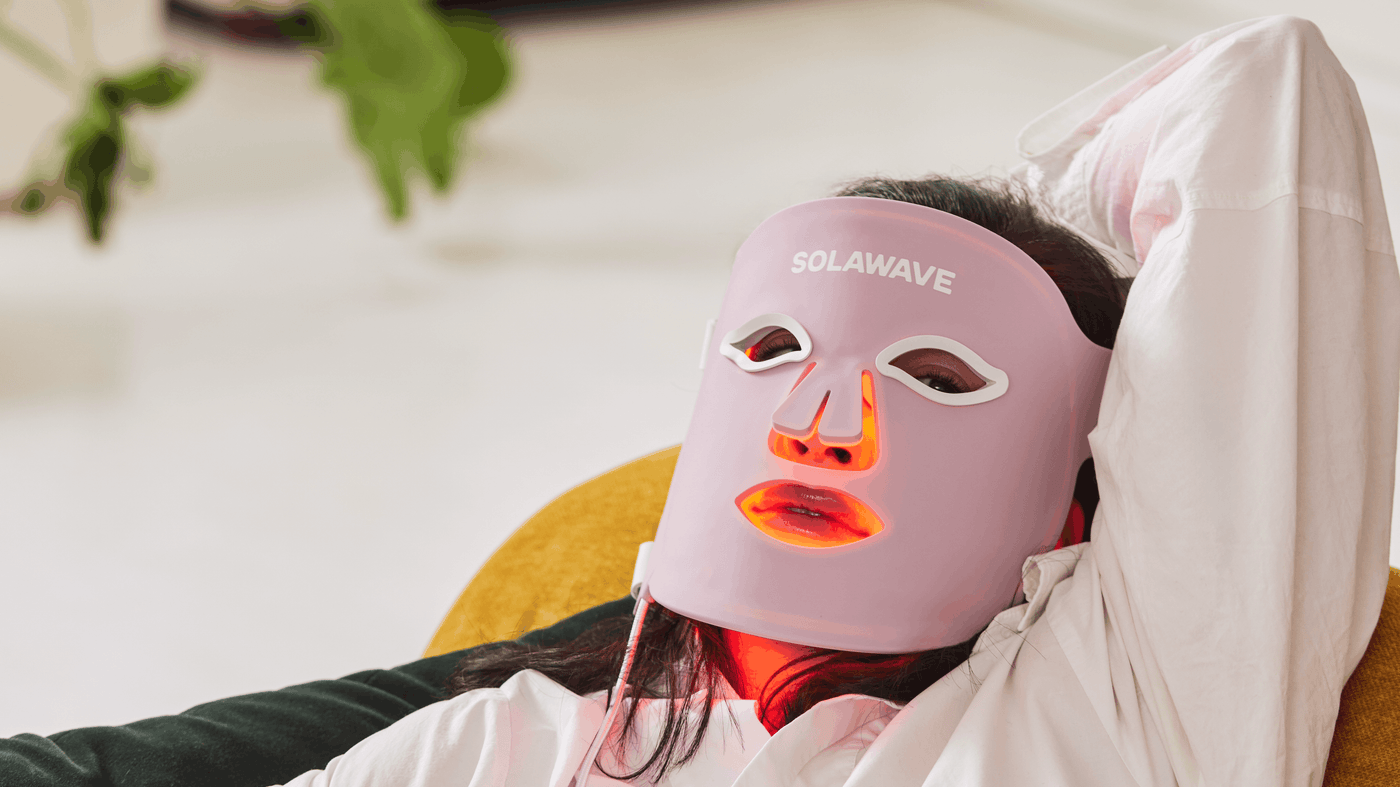
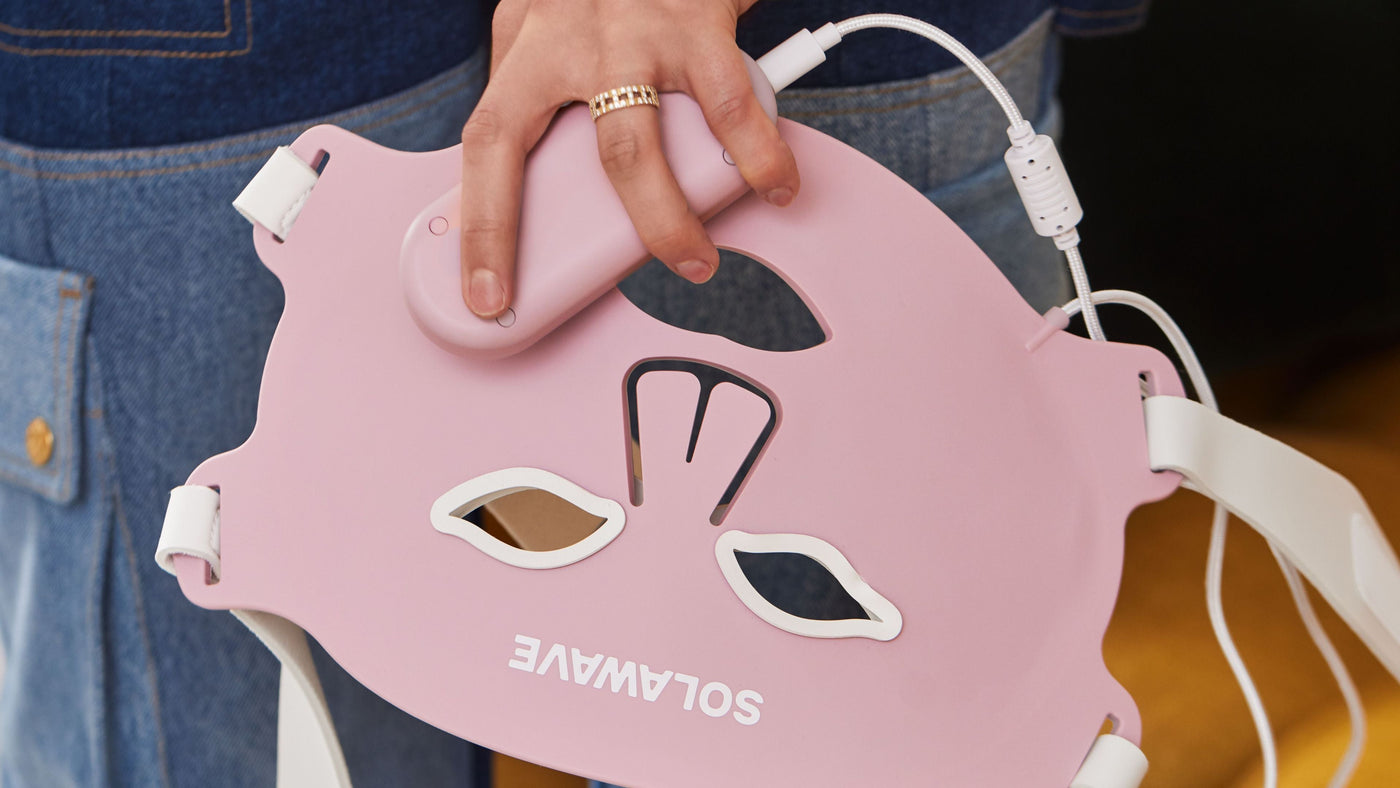
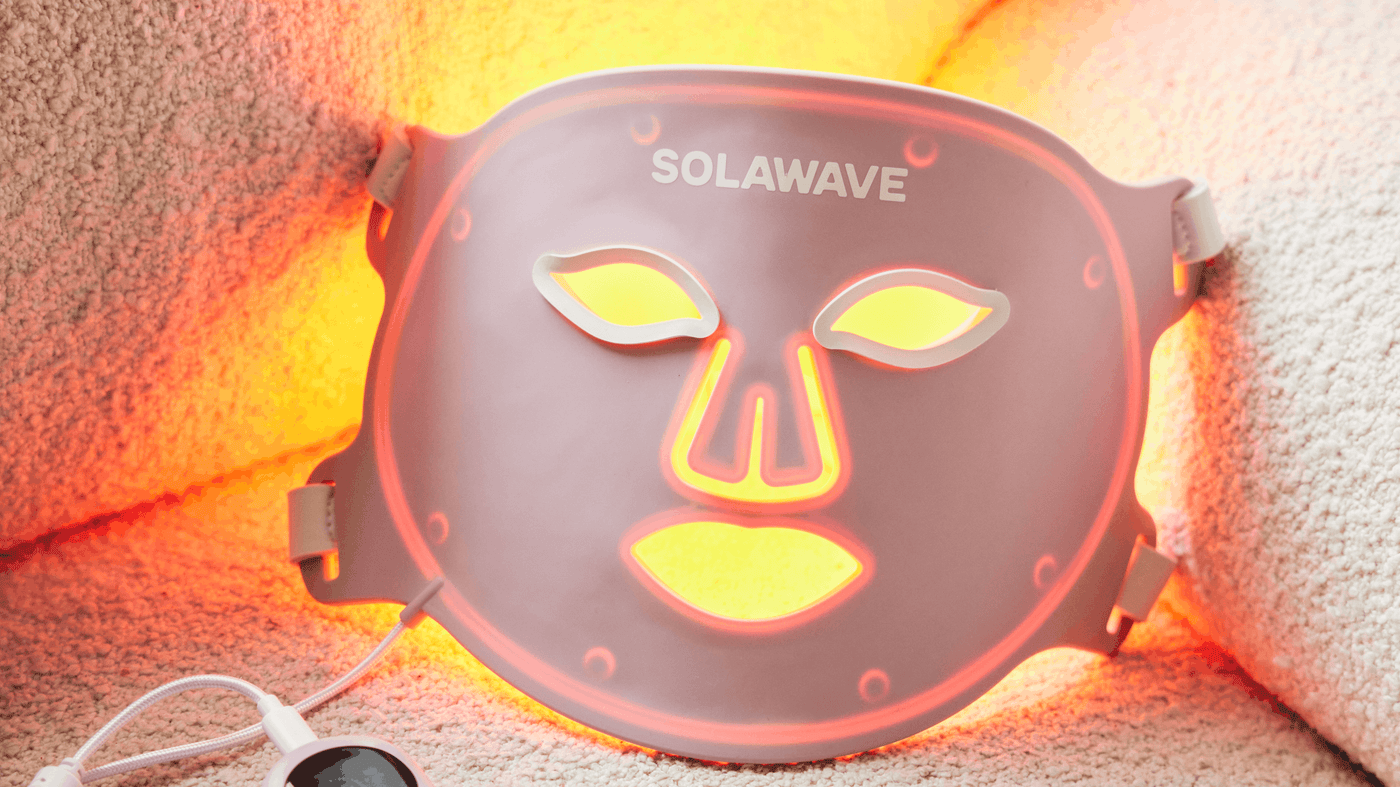
For concerns beyond acne, like fine lines, wrinkles, firmness, and overall radiance, a dedicated multi-wavelength device delivers more comprehensive results. The Solawave Wrinkle Retreat Pro LED Face Mask uses four proven wavelengths. Red (630nm) and Deep Red (660nm) support collagen and elasticity. Amber (605nm) revives dull skin and evens tone. Near-Infrared (830nm) penetrates deepest to support circulation and cellular renewal. All four wavelengths are safe across all skin types, with no UV exposure and no risk of hyperpigmentation.
It depends on your skin and your goals. If acne is your only concern and you have a lighter skin tone, blue light therapy is a focused, effective option. If you want the added benefit of healing support and inflammation reduction alongside acne treatment, a combined blue-and-red approach, like what purple light therapy offers, gives you more coverage.
And if your primary focus is anti-aging, firmness, tone, and radiance, skip the blue altogether and go with a dedicated red and near-infrared device. The science is clear, the results are clinically backed, and Solawave devices is FDA-cleared with a 60-day money-back guarantee.
Your skin. Your goals. Your choice.
Results may vary. Individual results are not guaranteed. If you have a darker skin tone, consult a dermatologist before beginning blue light therapy.
Blue light therapy uses a single wavelength around 415 nm to target acne-causing bacteria. Purple light therapy combines blue and red wavelengths together, offering both acne-fighting and skin-healing benefits in one treatment.
Yes. The blue component of purple light targets bacteria and oil production, while the red component supports collagen production and helps reduce visible inflammation. This dual action makes it useful for people managing breakouts and early signs of aging.
Blue light may cause temporary hyperpigmentation in individuals with darker skin (Fitzpatrick types IV through VI). If you have melanin-rich skin, consult a dermatologist before starting blue light therapy and consider shorter session times.
Yes. The Solawave Bye Acne 3-Minute Pimple Spot Treatment uses both blue light at 415nm and red light at 630 nm to destroy acne-causing bacteria while calming inflammation, without drying out the skin.
Red light therapy targets mitochondria, not melanin, making it safe and effective across all Fitzpatrick skin types (I through VI). Blue light requires more caution with darker skin tones due to its potential to stimulate melanocyte activity.
Absolutely. Using blue and red light together is what purple light therapy essentially is. Many dermatologists consider the combination more effective for acne than either wavelength used alone, since blue handles bacteria while red supports healing and recovery.
 News
News