Rated 4.7 out of 5 stars
4.7 / 5


726,000+ customers
Free 60-Day Returns
1-Year Warranty
726,000+ customers
Free 60-Day Returns
1-Year Warranty
The weight loss medication revolution has brought an unexpected challenge to dermatology offices across the country. As millions achieve significant weight loss through GLP-1 medications like Ozempic, Wegovy, and Mounjaro, they're arriving at their dermatologists' doors with a new concern: what to do about the loose, sagging skin left behind. Increasingly, dermatologists are turning to red light therapy as a first-line recommendation for post-weight-loss skin changes, and the science behind this shift is compelling.
When you lose weight, particularly the rapid weight loss associated with GLP-1 medications, your skin doesn't always keep pace with the changes happening beneath it. The result is a constellation of concerns that dermatologists now see daily.
Your skin is remarkably adaptable, but adaptation takes time. When underlying fat diminishes quickly, several problems emerge:
Loss of structural support: Facial fat pads provide scaffolding that keeps skin taut and lifted. When these fat compartments shrink rapidly, skin loses its foundation.
Collagen stress: Rapid changes in tissue volume can stress collagen fibers, potentially accelerating their breakdown. According to dermatological research, mechanical stress on skin affects collagen remodeling and can contribute to laxity.
Elastin fatigue: Elastin fibers, responsible for the skin's snap-back ability, may not recover quickly enough when stretched skin suddenly has less volume to cover.
Nutritional factors: Caloric restriction, even when medically supervised, can affect the body's ability to produce new collagen and maintain skin health.
Post-weight-loss skin concerns aren't limited to the face. Patients present with:
For many patients, these skin changes diminish the psychological benefits of weight loss, leaving them feeling older or less attractive despite achieving health goals. This is where dermatologists are stepping in with evidence-based solutions.
Among the options available for addressing red light therapy weight loss skin concerns, red light therapy has emerged as a dermatologist-recommended treatment for several compelling reasons.
Red light therapy isn't a passing trend. It's backed by decades of research demonstrating its effects on skin at the cellular level. Dermatologists appreciate treatments grounded in peer-reviewed science, and red light therapy delivers.
Clinical studies have demonstrated that red and near-infrared light wavelengths:
For skin elasticity after weight loss specifically, the collagen-stimulating properties of red light therapy address the root cause of laxity rather than merely masking symptoms.
Dermatologists recognize that not every patient wants, needs, or can afford surgical intervention for post-weight-loss skin. Red light therapy offers a skin laxity non-surgical option that many patients prefer.
Benefits of this non-invasive approach include:
Dermatologists appreciate that red light therapy works synergistically with other interventions. Whether a patient is using topical retinoids, receiving injectable treatments, or considering surgical options, red light therapy enhances outcomes without interfering with other modalities.
This makes it an ideal foundation treatment that dermatologists can recommend as part of a comprehensive approach to post-weight-loss skin changes.
Modern FDA-cleared devices bring clinical-grade red light therapy into patients' homes, allowing for consistent treatment that would be impractical in an office setting. Dermatologists can recommend devices with confidence, knowing patients can maintain treatment protocols between office visits.
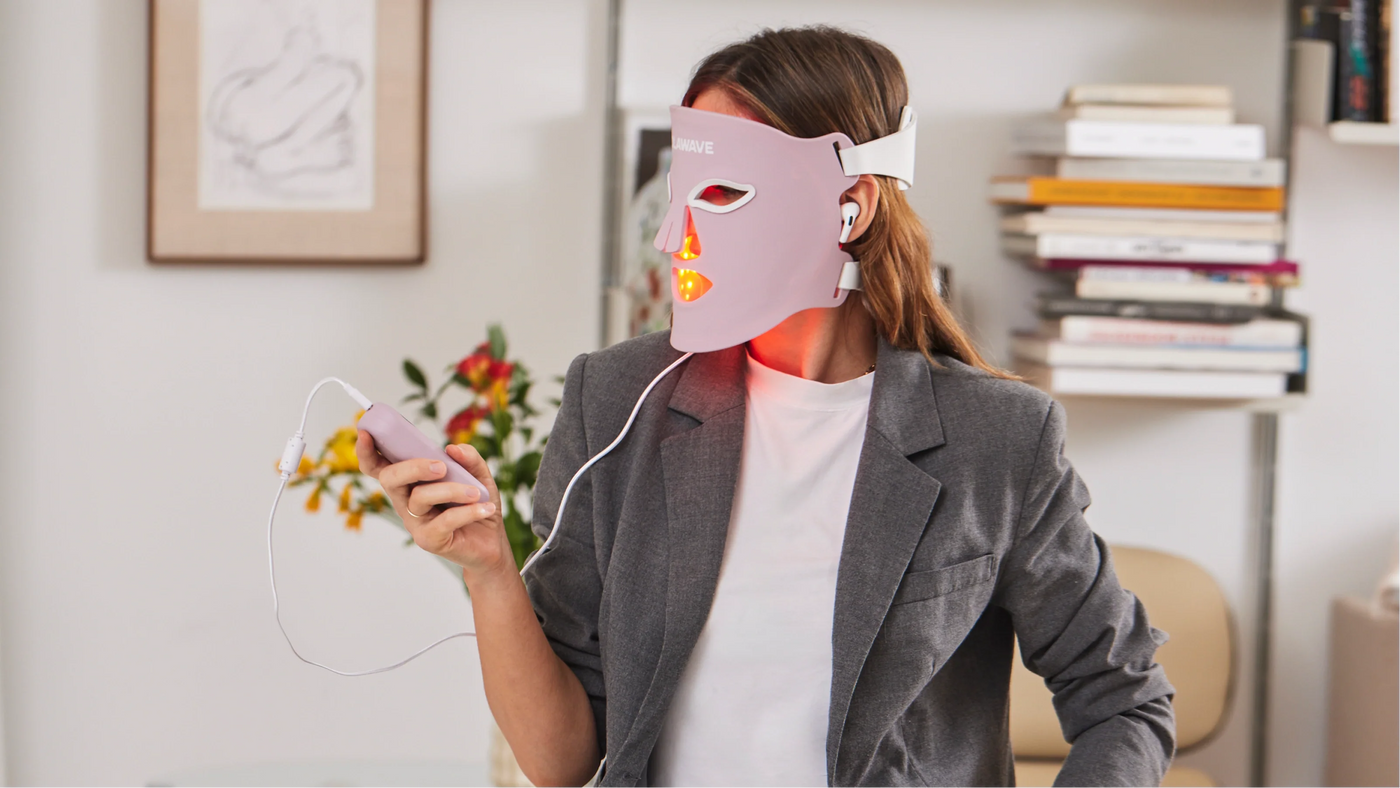
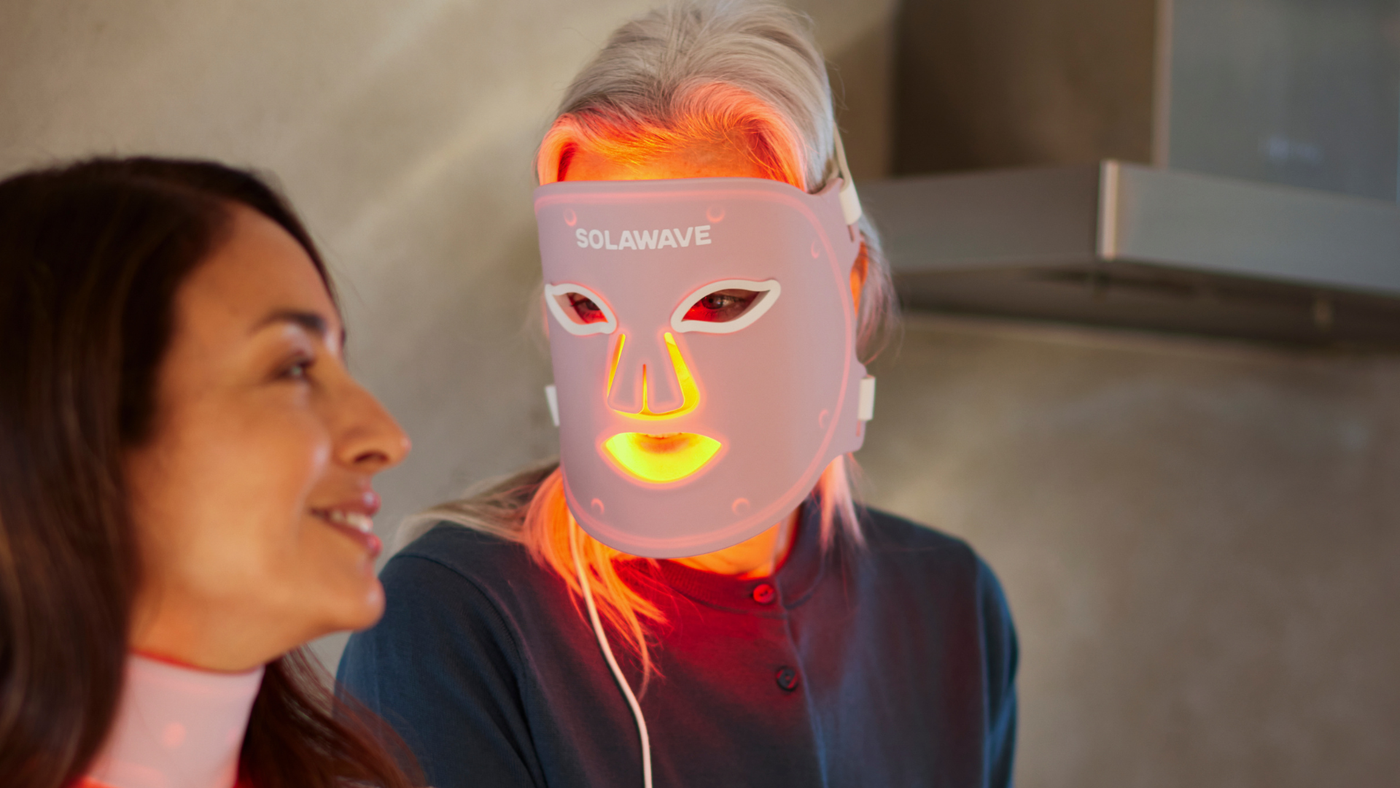
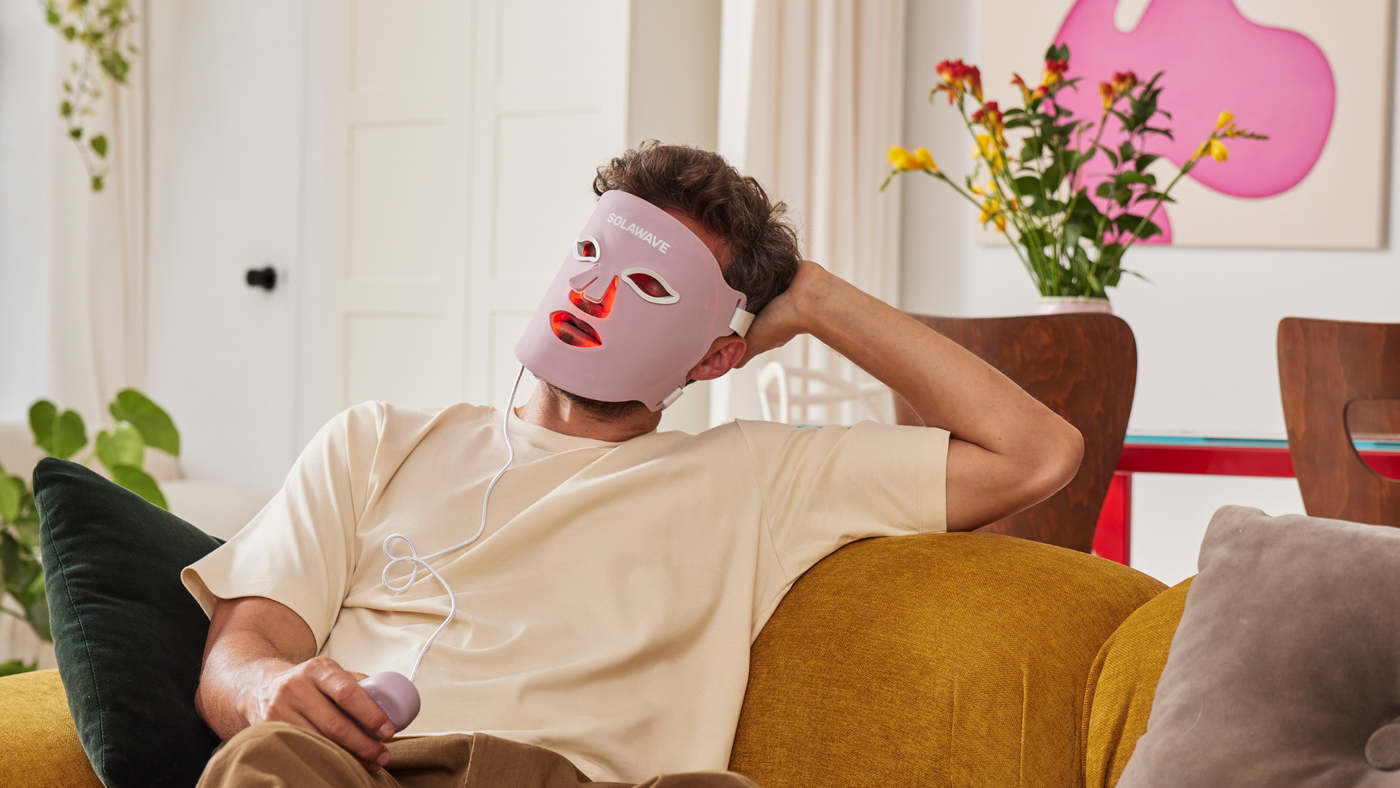
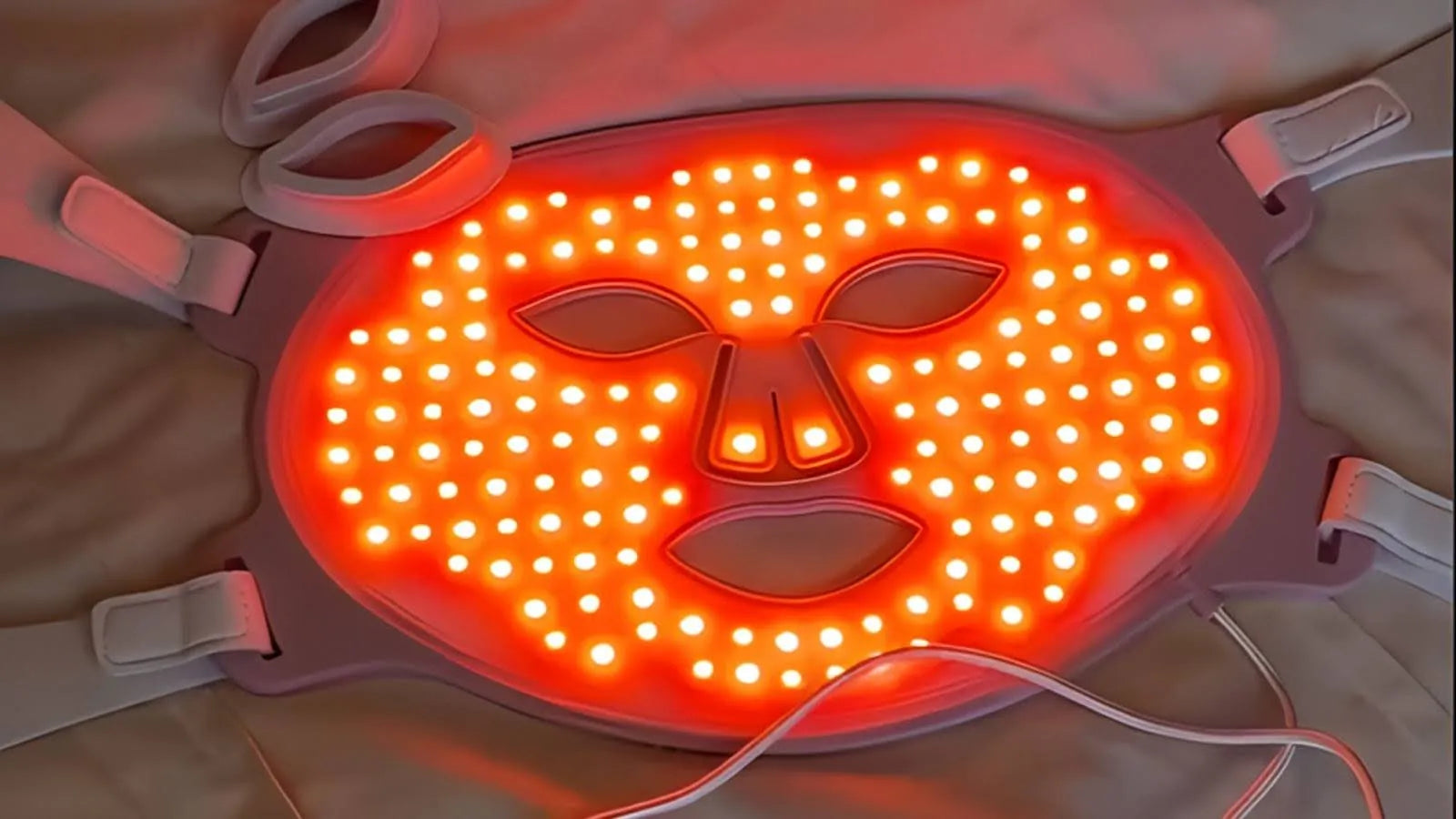
The Red Light Therapy Face Mask features 320 medical-grade LEDs delivering four wavelengths: Red (630nm), Deep Red (660nm), Amber (605nm), and Near-Infrared (830nm). FDA-cleared and designed for full-face treatment in just 3-minute sessions, it provides the consistent exposure needed for collagen stimulation.
Understanding the mechanisms helps explain why this treatment is dermatologist-recommended for Ozempic face and other post-weight-loss concerns.
Red light wavelengths are absorbed by mitochondria, the powerhouses within cells. This absorption stimulates increased production of adenosine triphosphate (ATP), the cellular energy currency. With more energy available, skin cells function more efficiently, including the fibroblasts responsible for producing collagen and elastin.
For post-weight-loss skin that needs to adapt and repair, this energy boost provides the resources cells need to remodel and tighten.
The primary mechanism behind red light therapy's skin-firming effects is increased collagen synthesis. When fibroblasts are energized by light absorption, they produce more type I and type III collagen, the structural proteins that give skin its firmness and resilience.
This is particularly relevant for red light therapy weight loss skin applications, where collagen support helps skin conform to new facial contours rather than hanging loosely.
Beyond collagen, red light therapy supports elastin production. Elastin provides skin's ability to stretch and snap back, a function that's compromised when skin has been stretched over fat that's now gone. Improving elastin function helps skin better adapt to reduced underlying volume.
Weight loss, especially rapid weight loss, can create inflammatory states that affect skin health. Red light therapy has documented anti-inflammatory effects, helping calm tissue and create optimal conditions for repair and regeneration.
Improved microcirculation delivers more oxygen and nutrients to skin cells while removing waste products more efficiently. This enhanced cellular environment supports all aspects of skin health and recovery.
Dermatologists approach post-weight-loss skin with individualized treatment plans, but red light therapy often serves as a cornerstone recommendation.
The face shows weight loss changes most prominently, making it a primary treatment target. Dermatologists recommend full-face treatment to address:
For targeted treatment of specific facial zones, the red light therapy wand combines red light with microcurrent, therapeutic warmth, and galvanic current. This multi-technology approach addresses skin laxity non-surgical concerns from multiple angles. The wand requires a water-based serum like the LightBoost Activating Serum to work properly and activate all four technologies.
The delicate eye area, often dramatically affected by weight loss, benefits from specialized treatment with the red light therapy eye mask.
The neck and décolleté frequently show significant changes after weight loss, yet patients often neglect these areas. Dermatologists emphasize extending treatment below the face for comprehensive results.
The Neck & Chest Rejuvenating Mask specifically targets these areas with medical-grade LEDs, addressing the crepey skin and horizontal bands that commonly develop.
Dermatologists typically recommend:
Consistency is emphasized as the critical factor. Sporadic use doesn't provide the sustained stimulation needed for collagen remodeling.
While red light therapy forms an excellent foundation, dermatologists often recommend complementary approaches for optimal skin elasticity after weight loss.
Retinoids: Prescription-strength tretinoin or over-the-counter retinol stimulates collagen production through a different pathway, creating synergistic effects with red light therapy.
Growth Factors: Topical growth factor serums support the regenerative processes that red light therapy initiates.
Peptides: Signal peptides tell skin cells to produce more collagen, amplifying red light therapy's effects.
Niacinamide: Strengthens the skin barrier while improving elasticity. The LightBoost Niacinamide Face and Neck Serum provides barrier support alongside light therapy benefits.
Hyaluronic Acid: Maintains hydration that plumps skin and creates optimal conditions for collagen synthesis.
For more significant post-weight-loss skin concerns, dermatologists may combine at-home red light therapy with in-office treatments:
Red light therapy enhances recovery from these procedures while continuing to stimulate collagen between appointments.
Based on common dermatological recommendations, here's a comprehensive approach to post-weight-loss skin.
All Solawave devices are FSA/HSA eligible and recommended by dermatologists, making professional-grade treatment accessible at home.
Dermatologists set realistic expectations for red light therapy weight loss skin treatment outcomes.
Red light therapy delivers meaningful improvement in:
Dermatologists are honest about what red light therapy cannot do:
If you're considering red light therapy for post-weight-loss skin changes, discuss these points with your dermatologist:
The growing dermatologist endorsement of red light therapy for post-weight-loss skin reflects both scientific evidence and clinical experience. As a skin laxity non-surgical option, red light therapy offers patients a safe, effective, and accessible way to address concerns about skin elasticity after weight loss without the risks and costs of surgery. By stimulating collagen production, improving cellular function, and supporting skin's natural repair mechanisms, red light therapy helps skin adapt to the body's new contours after significant weight loss. Whether used alone or as part of a comprehensive treatment plan, this dermatologist-recommended approach for Ozempic face provides meaningful improvement for those navigating the skin challenges that often accompany successful weight loss.
Ready to try dermatologist-recommended red light therapy? Shop Solawave's skincare collection today.
Dermatologists recommend red light therapy because it's non-invasive, has minimal side effects, works at the cellular level to stimulate collagen production, and can be performed consistently at home. It also complements other treatments rather than competing with them, making it an ideal foundation for comprehensive post-weight-loss skin care.
Most dermatologists advise patients to expect initial improvements in skin texture and hydration within 4-6 weeks, with more significant improvements in firmness and elasticity appearing at 8-12 weeks of consistent use. Full benefits typically develop over 3-6 months of regular treatment.
Red light therapy produces more subtle, gradual results compared to surgical intervention. For mild to moderate skin laxity, it can provide meaningful improvement without surgery. For severe skin excess, dermatologists may recommend it as a complement to surgical procedures rather than a replacement. The advantage is zero downtime and no surgical risks.
Yes, red light therapy is safe to use while taking GLP-1 medications like Ozempic, Wegovy, or Mounjaro. In fact, dermatologists often recommend starting red light therapy early in the weight loss process to support skin as changes occur, potentially minimizing the severity of post-weight-loss skin laxity.
Dermatologists look for FDA clearance, clinically validated wavelengths (typically 630-660nm for red and 800-850nm for near-infrared), appropriate power output for effectiveness, and safety features. Solawave devices meet these criteria, which is why they're recommended by dermatologists and estheticians for at-home use.