Rated 4.7 out of 5 stars
4.7 / 5


726,000+ customers
Free 60-Day Returns
1-Year Warranty
726,000+ customers
Free 60-Day Returns
1-Year Warranty
Light therapy options continue multiplying, and with them, consumer confusion. You've probably heard about red light therapy's benefits for collagen and skin rejuvenation. But now yellow light therapy is appearing in devices, spa menus, and skincare conversations, promising its own set of benefits. Are these interchangeable? Complementary? Does one make the other obsolete?
Understanding red light vs yellow light therapy requires looking past marketing claims to examine how each wavelength actually interacts with skin. The differences matter, and knowing them helps you make informed decisions about which technology deserves space in your routine.
All light therapy works through the interaction between specific wavelengths of light and biological tissue. Different wavelengths are absorbed by different molecular targets, triggering different cellular responses.
Visible light spans wavelengths from approximately 380nm (violet) to 700nm (red). Within this spectrum, each color occupies a specific range:
Violet light ranges from 380-450nm. Blue light spans 450-495nm. Green light covers 495-570nm. Yellow light falls between 570-590nm. Orange light occupies 590-620nm. Red light extends from 620-700nm.
Beyond visible red lies near-infrared (700-1100nm), which shares many therapeutic properties with red light despite being invisible to human eyes.
Wavelength determines two critical factors: penetration depth and molecular targets.
Shorter wavelengths penetrate less deeply into tissue. Longer wavelengths penetrate more deeply. This is why blue light primarily affects the skin surface while red and near-infrared reach deeper dermal structures.
Different wavelengths are absorbed by different chromophores (light-absorbing molecules) in tissue. This absorption triggers the biological effects that make light therapy therapeutic. The same principle explains why different colors look different to our eyes: they interact differently with the photoreceptors in our retinas.
Red light therapy uses wavelengths in the 620-700nm range, often combined with near-infrared wavelengths extending to 850nm or beyond. This places it at the longer end of the visible spectrum.
The primary target for red and near-infrared light is cytochrome c oxidase, an enzyme complex within mitochondria. According to photobiomodulation research, when this enzyme absorbs red light, it triggers increased production of adenosine triphosphate (ATP), the molecule that powers virtually all cellular processes.
This mitochondrial stimulation creates cascading benefits.
Cellular energy increases across all cell types in the treatment area. More energy means cells can perform their functions more effectively, whether that's producing collagen, fighting inflammation, or repairing damage.
Collagen synthesis accelerates as fibroblasts gain the energy needed for protein production. This addresses the structural foundations of skin aging.
Inflammatory pathways modulate, often reducing chronic inflammation while preserving healthy acute inflammatory responses needed for healing.
Circulation improves through effects on blood vessel cells, enhancing oxygen and nutrient delivery to tissues.
Healing mechanisms become more efficient as cells have more resources for repair and regeneration.
Red light penetrates approximately 2-5mm into tissue, reaching well into the dermis. Near-infrared extends even deeper. This penetration allows red light to affect the deeper structures where collagen lives, where blood vessels run, and where much of the aging process actually occurs.
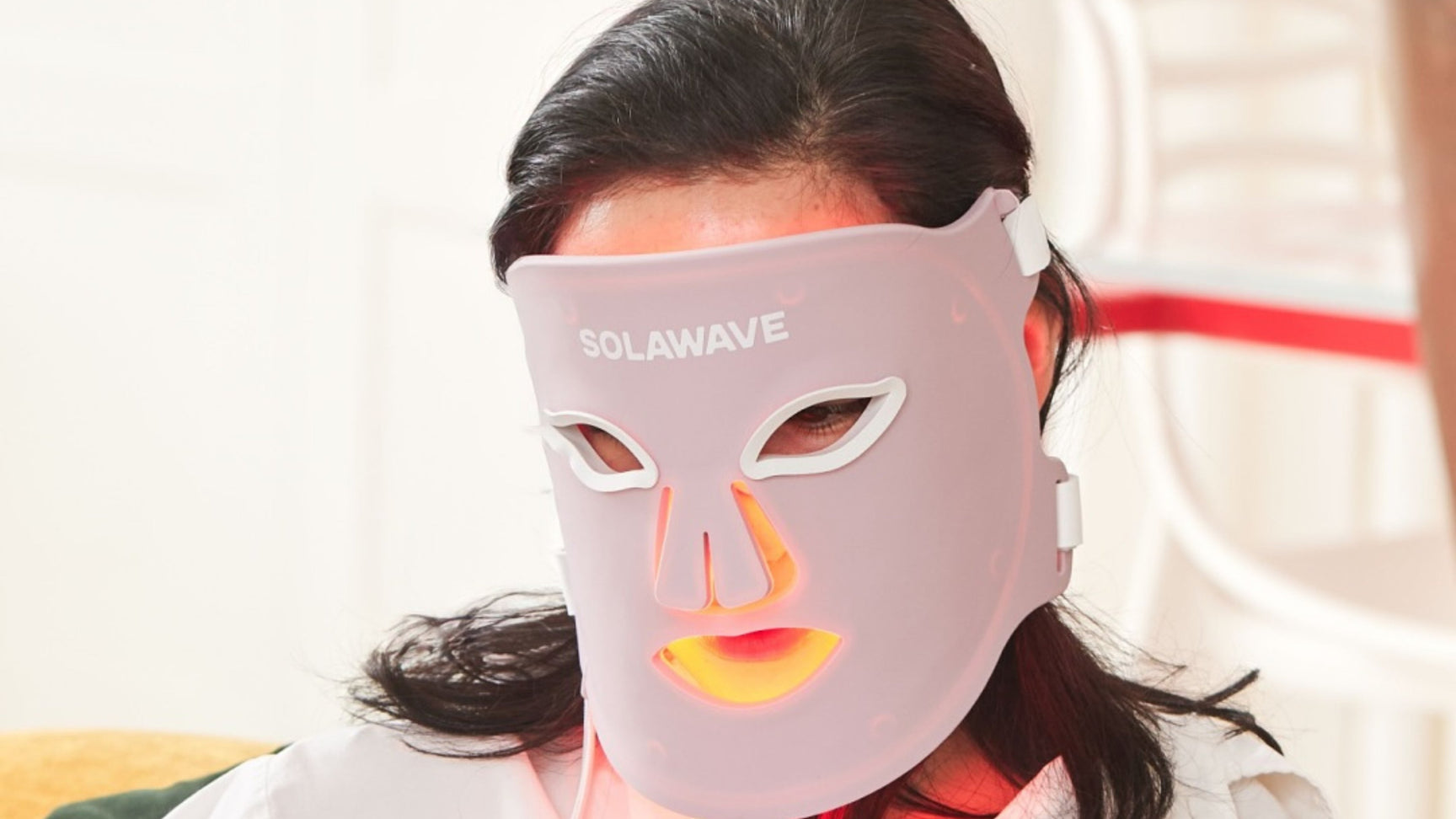
The Red Light Therapy Face Mask delivers four therapeutic wavelengths (Red 630nm, Deep Red 660nm, Amber 605nm, and Near-Infrared 830nm) through 320 medical-grade LEDs. FDA-cleared and requiring just 3 minute sessions, it provides comprehensive treatment that reaches multiple tissue depths.
The deep penetration and cellular energy mechanism make red light therapy effective for fine lines and wrinkles through collagen stimulation, firmness and elasticity loss through structural protein support, inflammation and redness via pathway modulation, wound healing through enhanced repair capacity, overall skin texture and quality, post-procedure recovery, and general skin health maintenance.
Yellow light therapy uses wavelengths in the 570-590nm range, placing it between green and orange on the visible spectrum. This intermediate position gives it properties distinct from both shorter and longer wavelengths.
Yellow light doesn't penetrate as deeply as red light, primarily affecting the epidermis and upper dermis. Its primary interactions are with different targets than red light.
Melanin absorbs yellow wavelengths to some degree, which forms the basis for claims about yellow light addressing pigmentation.
Vascular structures in the upper dermis interact with yellow light, potentially affecting redness and skin tone.
Some research suggests yellow light may have calming effects on nerve endings, which could relate to claims about sensitivity and irritation reduction.
The mechanisms are less definitively established than red light therapy's mitochondrial effects, but the theoretical framework involves these superficial tissue interactions.
Proponents of yellow light therapy suggest it helps with redness and flushing through vascular effects, sensitive or reactive skin through calming mechanisms, uneven skin tone via pigment modulation, mild inflammation at the skin surface, lymphatic drainage support, and overall skin soothing.
Honesty requires acknowledging that yellow light therapy has less research support than red light therapy. Most photobiomodulation research has focused on red and near-infrared wavelengths, where the mechanisms are well-established and the evidence robust.
Yellow light research exists but is more limited. The claims are often extrapolated from basic science about wavelength absorption rather than demonstrated in controlled clinical trials specifically examining skincare outcomes.
This doesn't mean yellow light therapy doesn't work. It means we have less certainty about its effects, optimal parameters, and appropriate applications compared to red light therapy.
Examining the difference between red light and yellow light therapies through direct comparison clarifies their distinct roles.
Red light at 620-700nm penetrates approximately 2-5mm, reaching the dermis and affecting deeper structures including collagen, blood vessels, and the lower portions of hair follicles.
Yellow light at 570-590nm penetrates approximately 0.5-2mm, primarily affecting the epidermis and upper dermis. Its reach is limited to more superficial structures.
For concerns involving deeper tissue like collagen loss, firmness decline, or deep wrinkles, red light's greater penetration makes it more appropriate.
Red light therapy works through mitochondrial stimulation via cytochrome c oxidase absorption. This is a well-characterized mechanism with decades of research support. The increased ATP production affects all cell types, making red light broadly beneficial.
Yellow light therapy works through less well-defined mechanisms involving melanin, superficial vasculature, and possibly nerve endings. These interactions are real but less thoroughly studied and characterized.
Red light therapy has extensive research support including randomized controlled trials, systematic reviews, and clinical applications across dermatology, wound healing, pain management, and other fields. The mechanisms are established, and optimal parameters are reasonably well-defined.
Yellow light therapy has limited research support for skincare applications specifically. Most evidence is theoretical or extrapolated from basic photobiology principles rather than demonstrated in rigorous clinical trials.
Red light therapy excels for anti-aging (wrinkles, firmness, elasticity), deep tissue support, inflammation reduction, healing acceleration, and overall skin health maintenance.
Yellow light therapy is marketed for redness and sensitivity, calming reactive skin, surface-level tone concerns, and gentle treatment for easily irritated skin.
Red light therapy typically requires 3-15 minutes per session depending on device power, used 3-5 times weekly for optimal results.
Yellow light therapy parameters are less standardized given the thinner research base. Treatment times and frequencies vary widely between protocols.
Your specific concerns should guide your choice between these technologies.
Anti-aging is your primary focus. Wrinkles, firmness loss, and elasticity decline all stem from deeper tissue changes that red light's penetration can address.
Overall skin health and vitality matter to you. Red light's cellular energy boost supports all aspects of skin function.
You want the most evidence-supported option. Red light therapy has robust research backing its efficacy.
Healing support is needed, whether after procedures or for general skin recovery.
The red light therapy wand combines red light with therapeutic warmth, and galvanic current for targeted treatment. The wand requires a water-based serum like the LightBoost Activating Serum to activate all four technologies.
Redness and flushing dominate your skin complaints, particularly if associated with sensitivity.
Your skin is extremely reactive and you're concerned about any treatment that affects deeper tissue.
You're looking for a gentle, calming modality with minimal intensity.
Surface-level tone concerns are your primary focus rather than structural aging.
Some devices offer both wavelengths, and using them in combination isn't contraindicated. Red light addresses deeper concerns while yellow light theoretically supports surface calming. Whether this combination provides meaningfully better results than red light alone isn't well-established by research.
If choosing between investing in one type, red light therapy typically offers more comprehensive benefits for most skincare goals.
Once you've chosen your light therapy approach, implementation matters.
Regular use of appropriate light therapy outperforms sporadic use regardless of which wavelength you choose. Aim for 3-5 sessions weekly rather than daily intensive use.
Results develop over weeks and months, not days. Cellular changes, particularly collagen remodeling, require sustained stimulation over time.
Light therapy enhances but doesn't replace topical skincare.
Continue cleansing appropriately for your skin type. Use light therapy on clean skin without thick product layers that might interfere with light penetration.
The LightBoost Niacinamide Face and Neck Serum provides barrier support and tone-evening benefits that complement light therapy.
Maintain hydration with quality moisturizers. The LightBoost Face and Neck Cream delivers intensive moisture to support treatment results.
Never skip sun protection. Light therapy supports skin health, but UV damage undermines all your efforts.
Don't neglect zones beyond your central face.
The red light therapy eye mask targets the delicate eye area where fine lines concentrate.
The LightBoost Collagen Caffeine Eye Cream provides topical support for this vulnerable zone.
The Neck & Chest Rejuvenating Mask addresses commonly neglected areas that show aging prominently.
Not all light therapy devices are equal, regardless of which wavelength they emit.
FDA clearance indicates a device has met safety standards. This provides baseline assurance about device quality and safety.
Appropriate wavelengths should match the claimed benefits. A device claiming red light benefits should actually emit wavelengths in the therapeutic red range (620-700nm), verified by manufacturer specifications.
Sufficient power density matters for efficacy. Underpowered devices may not deliver enough energy to trigger therapeutic responses regardless of wavelength. Medical-grade LEDs typically outperform consumer-grade alternatives.
Quality construction affects both safety and longevity. Devices recommended by dermatologists have typically been evaluated for professional use.
All Solawave devices are FSA/HSA eligible and recommended by dermatologists, providing confidence in device quality and appropriate therapeutic parameters.
Some devices advertise many different colored lights as a selling point. More colors don't automatically mean better results. What matters is whether each wavelength has evidence support for its claimed benefits and whether the device delivers appropriate power at each wavelength.
A well-designed device with proven wavelengths at effective intensities outperforms a "rainbow" device with many colors at inadequate power levels.
Whatever light therapy you choose, understanding realistic outcomes improves your experience.
Weeks 1-4 typically bring subtle improvements in radiance, skin feel, and hydration appearance as immediate effects of improved circulation and cellular function manifest.
Weeks 4-8 show more noticeable texture improvements and early firmness changes as sustained cellular stimulation produces visible effects.
Weeks 8-12 and beyond reveal more significant changes as collagen remodeling reaches visible thresholds. This is when wrinkle reduction and structural improvements become apparent.
Continued use maintains and builds on results. Light therapy is an ongoing practice, not a one-time treatment.
Neither red nor yellow light therapy can replace professional treatments for severe concerns, instantly eliminate deep wrinkles, substitute for sun protection and basic skincare, or overcome fundamentally unhealthy lifestyle factors.
Light therapy supports your skin's natural function. It doesn't override biology or replace comprehensive care.
You may notice some devices mention "amber" light around 605nm, which sits between yellow and orange on the spectrum. This wavelength is sometimes grouped with yellow light and sometimes with red light in marketing materials.
Amber wavelengths share some properties with both adjacent colors. They penetrate more than pure yellow but less than deep red. They may offer a middle ground for those seeking some deeper effects than yellow provides without full red light penetration.
The face mask's inclusion of amber (605nm) alongside red, deep red, and near-infrared demonstrates how multiple wavelengths can be combined to address skin at different depths within a single treatment session.
The difference between red light and yellow light therapies comes down to depth, mechanism, and evidence strength. Red light therapy penetrates deeply, works through well-characterized mitochondrial stimulation, and has robust research support for anti-aging, healing, and overall skin health. Yellow light therapy works at the surface, interacts with melanin and vasculature through less well-defined mechanisms, and has more limited evidence for skincare applications. For most skincare goals, red light vs yellow light therapy isn't a close comparison. Red light's broader benefits, deeper penetration, and stronger evidence base make it the more versatile and reliable choice for addressing aging concerns and supporting skin health. Yellow light may have niche applications for surface redness and sensitivity in those seeking extremely gentle treatment, but it doesn't replace the foundational support red light provides. Choose based on your actual concerns and the evidence supporting each approach, not marketing claims about color variety.
Ready to experience red light therapy? Shop Solawave's skincare collection today.
Yellow light is sometimes marketed as gentler for sensitive skin, but red light therapy is also well-tolerated by most sensitive skin types. Red light doesn't cause irritation or photosensitivity like some topical treatments. If your skin is extremely reactive, start with shorter sessions of either wavelength and observe your response. Most people tolerate red light therapy well regardless of skin sensitivity.
Yes, there's no contraindication to using both. Some devices offer multiple wavelengths in one unit. Whether combining them provides meaningfully better results than red light alone isn't well-established by research. If you have a device with both options, using them together is fine. If choosing where to invest, red light typically offers more comprehensive benefits.
Yellow light is sometimes suggested for rosacea due to its vascular effects, but evidence specifically for rosacea treatment is limited. Red light therapy's anti-inflammatory properties also benefit rosacea symptoms. Neither replaces medical management for rosacea, which may require prescription treatments. Light therapy can be a supportive addition to comprehensive rosacea care.
Device manufacturers often include multiple wavelengths to differentiate products and justify premium pricing. More colors can seem more advanced or comprehensive in marketing materials. However, evidence strength should guide your evaluation, not the number of features. A device with well-supported wavelengths at effective power levels serves you better than one with many colors at inadequate intensities.
Both red and yellow light therapy have excellent safety profiles with minimal side effects when used as directed. Neither causes the photosensitivity, irritation, or downtime associated with some other skincare treatments. Red light therapy's longer research history provides more safety data, but both wavelengths are considered safe for home use. The main consideration is device quality and following manufacturer guidelines