Rated 4.7 out of 5 stars
4.7 / 5


726,000+ customers
Free 60-Day Returns
1-Year Warranty
726,000+ customers
Free 60-Day Returns
1-Year Warranty
Cystic acne is different from regular breakouts. Anyone who's experienced it knows this intimately. Those deep, painful nodules that form under the skin, take weeks to resolve, and leave scars behind don't respond to the same treatments that handle ordinary pimples. When you've tried countless products and treatments without success, any promising option deserves serious consideration.
Red light therapy has gained significant attention for skin health generally, but does red light therapy heal cystic acne specifically? The answer requires understanding both what cystic acne actually is and how red light therapy works at the cellular level. The relationship is more nuanced than a simple yes or no.
Before evaluating any treatment, you need to understand what you're treating. Cystic acne isn't just severe regular acne. It's a distinct condition with specific characteristics.
Regular acne forms when pores clog with oil and dead skin cells, creating blackheads, whiteheads, or inflamed pimples. These lesions exist relatively close to the skin surface and typically resolve within days to a couple of weeks.
Cystic acne forms deeper in the skin. The infection and inflammation occur in the lower dermis, creating large, painful nodules that lack the distinct "head" of surface pimples. These lesions can measure a centimeter or more in diameter and feel like hard, tender lumps beneath the skin.
The depth matters for several reasons. Deep lesions take longer to resolve, often persisting for weeks or even months. They cause more tissue damage, leading to scarring. They're harder to treat because medications must penetrate further to reach them. And they're more painful because they press on nerve endings deep in the dermis.
According to dermatological research, cystic acne involves the same basic factors as other acne but with greater severity.
Hormonal factors play a significant role. Androgens stimulate sebum production, and people with cystic acne often have heightened sensitivity to these hormones even when levels are normal. This explains why cystic acne commonly appears during puberty, menstrual cycles, pregnancy, and conditions like polycystic ovary syndrome.
Bacterial involvement, particularly Cutibacterium acnes (formerly Propionibacterium acnes), contributes to inflammation. These bacteria thrive in clogged, oily follicles and trigger immune responses.
Genetic predisposition influences who develops cystic acne. If your parents had severe acne, your risk increases substantially.
Inflammation is both a cause and a consequence. The immune system's response to clogged follicles and bacterial presence creates the painful swelling characteristic of cystic lesions. This inflammatory cascade causes much of the tissue damage that leads to scarring.
The depth and severity of cystic acne limit treatment options. Over-the-counter products designed for surface acne rarely penetrate deeply enough to help. Benzoyl peroxide and salicylic acid, while effective for regular breakouts, often can't reach the site of cystic inflammation.
Many treatments that do reach deep enough come with significant side effects. Isotretinoin (Accutane) is highly effective but requires careful monitoring due to serious potential complications. Oral antibiotics work for some but raise concerns about resistance and microbiome disruption. Hormonal treatments help many women, but aren't appropriate for everyone.
This treatment difficulty explains why people with cystic acne are often willing to try alternative approaches, including red light therapy.
Red light therapy uses specific wavelengths of visible red and near-infrared light to stimulate cellular function. Understanding the mechanism helps evaluate whether it might help cystic acne.
Red light wavelengths (typically 630-700nm) and near-infrared wavelengths (typically 700-850nm) penetrate skin to different depths. Red light reaches the dermis, while near-infrared penetrates even deeper.
These wavelengths are absorbed by cytochrome c oxidase, an enzyme within mitochondria. This absorption stimulates increased production of adenosine triphosphate (ATP), the energy currency that powers cellular processes.
Enhanced cellular energy production supports multiple functions relevant to acne. Cells have more resources for repair and regeneration. Inflammatory pathways can be modulated more effectively. Healing processes operate more efficiently.
Red light therapy has documented anti-inflammatory effects, which are particularly relevant for cystic acne, where inflammation drives much of the pathology.
The mechanism involves modulation of inflammatory cytokines and other signaling molecules. Rather than suppressing all inflammation (which would impair healing), red light therapy appears to help normalize inflammatory responses, reducing excessive inflammation while preserving necessary immune function.
This anti-inflammatory action occurs at the cellular level, potentially affecting even deep tissue where cystic lesions form.
Beyond reducing inflammation, red light therapy supports tissue repair. Enhanced cellular energy means faster and more efficient healing when damage occurs.
For cystic acne, this has implications for how quickly lesions resolve and how much scarring occurs. Faster, more efficient healing means less time for tissue damage to accumulate.
The honest answer about RLT for cystic acne is that research specifically on cystic acne is limited, but related evidence is encouraging.
Multiple studies have examined red light therapy for acne, though most focus on mild to moderate inflammatory acne rather than severe cystic cases specifically.
Research consistently shows that red and near-infrared light can reduce inflammatory acne lesions. The anti-inflammatory mechanism appears to genuinely reduce the swelling and redness associated with acne. Some studies show reduced bacterial counts, though red light's antibacterial effects are less pronounced than blue light's.
A systematic review of light therapy for acne found that red light, particularly when combined with blue light, produced meaningful improvement in inflammatory lesion counts. However, most included studies examined typical inflammatory acne rather than the severe cystic form.
For red light therapy for cystic acne to work, light must reach the depth where cystic lesions form. This is where wavelength and device power become relevant.
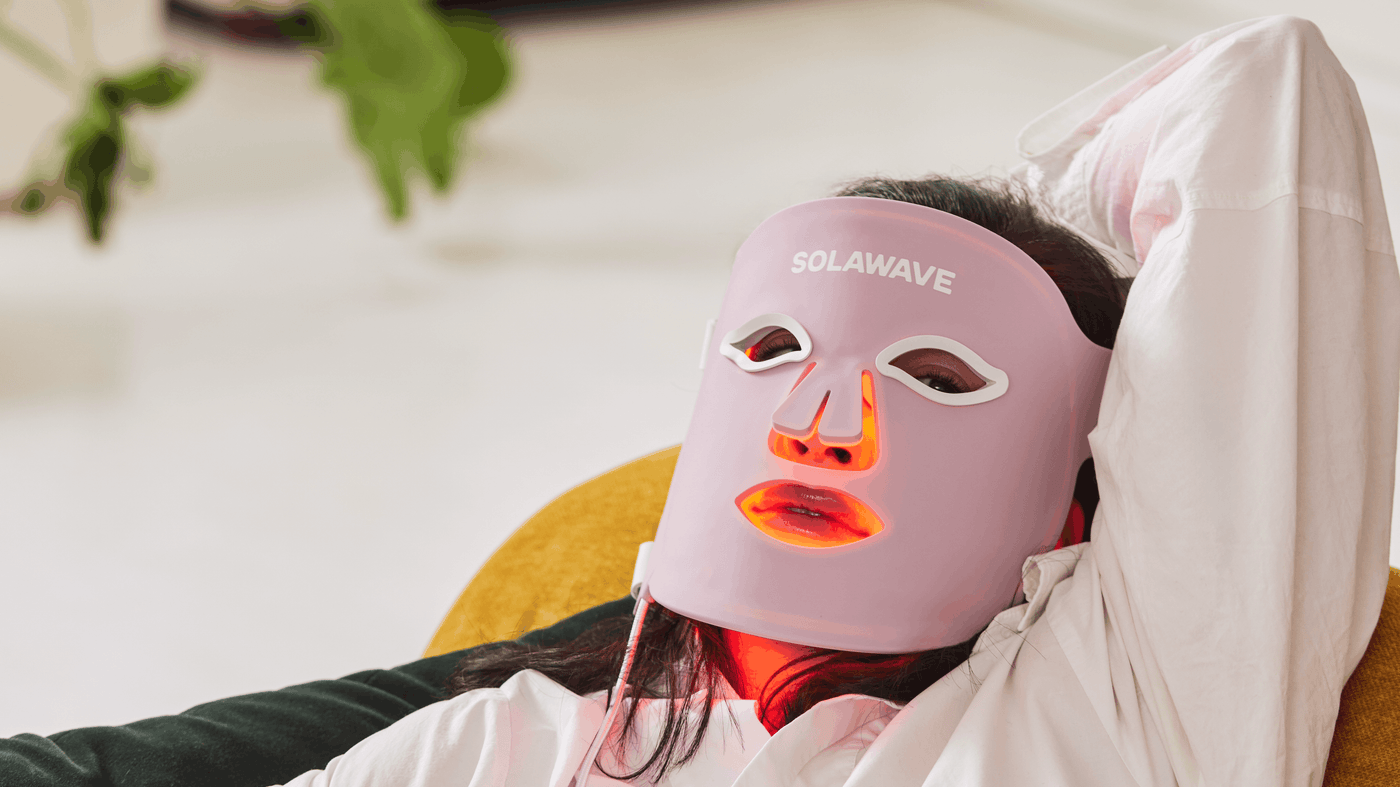
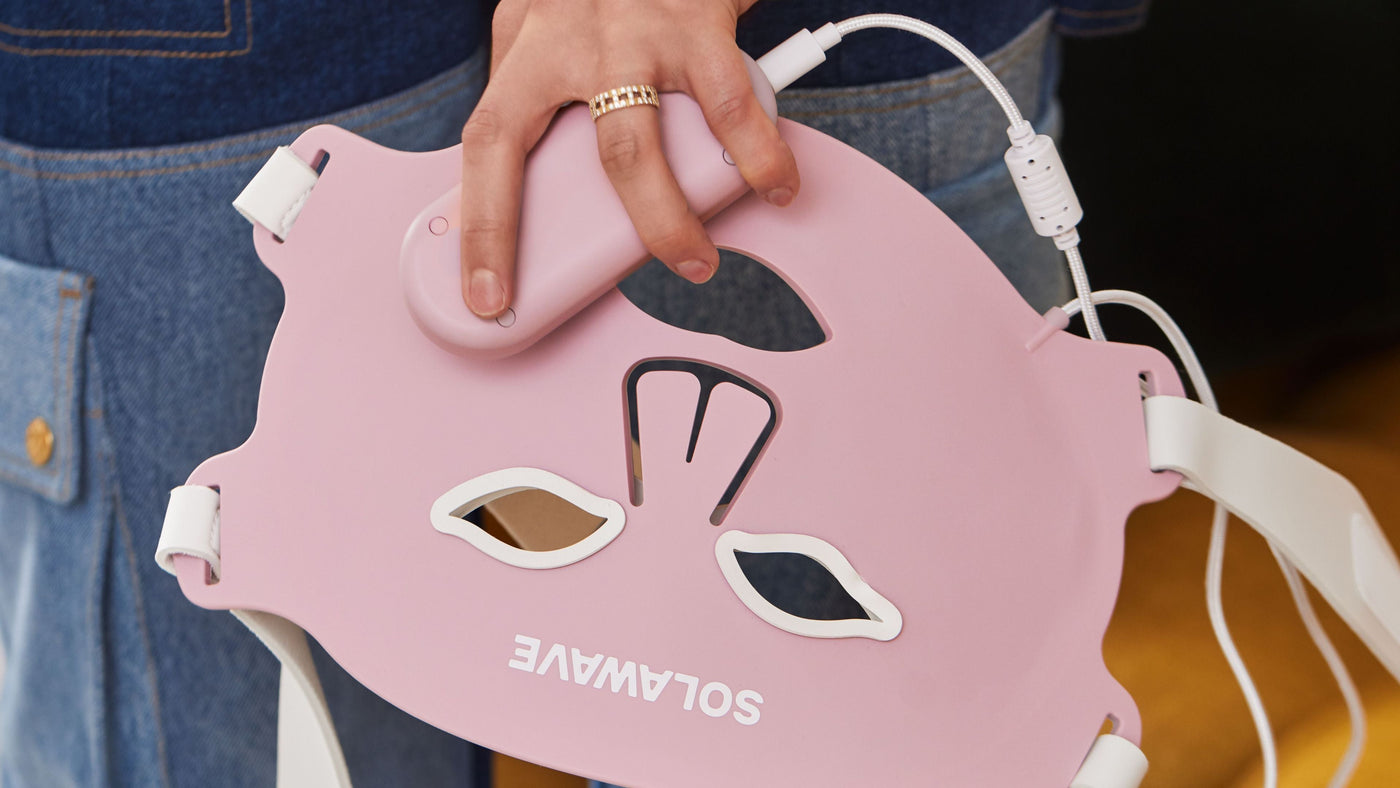
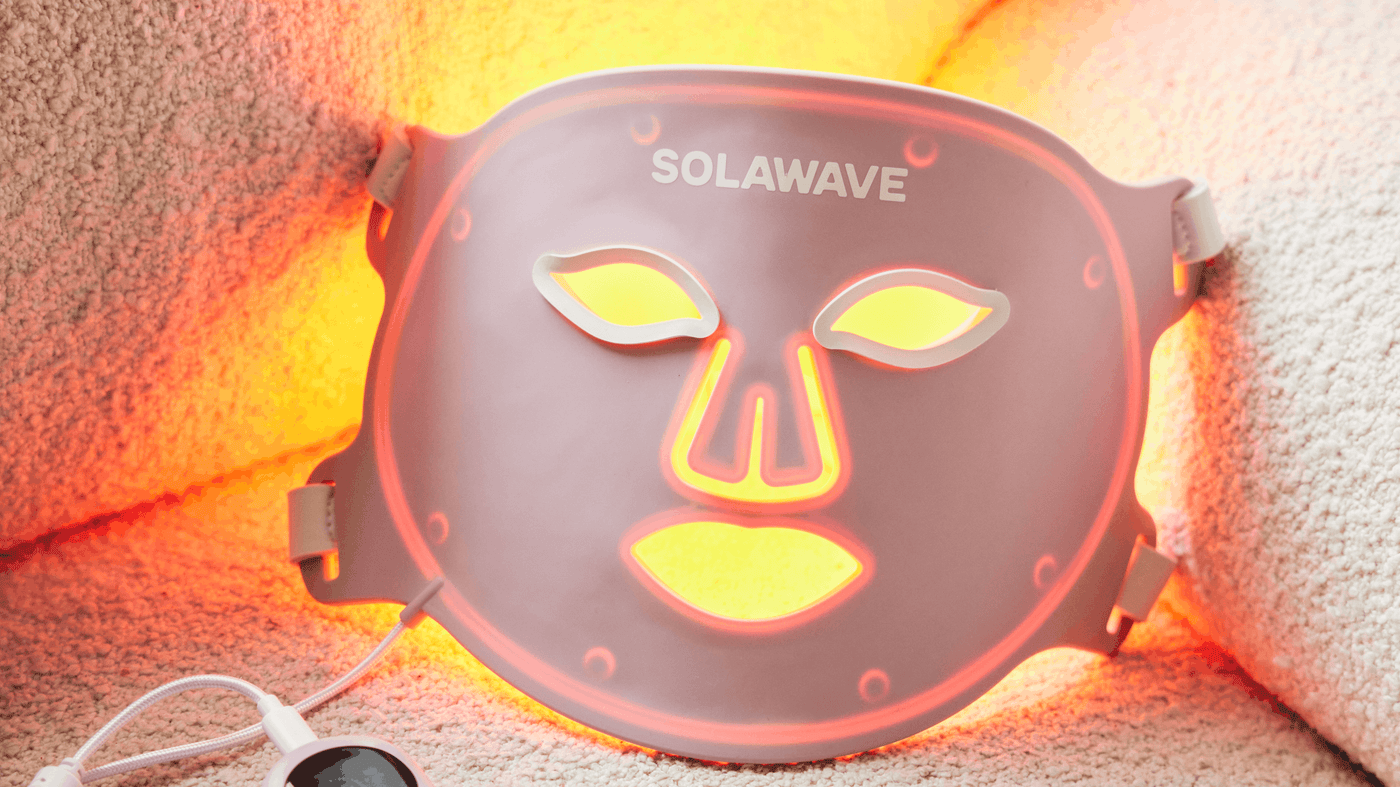
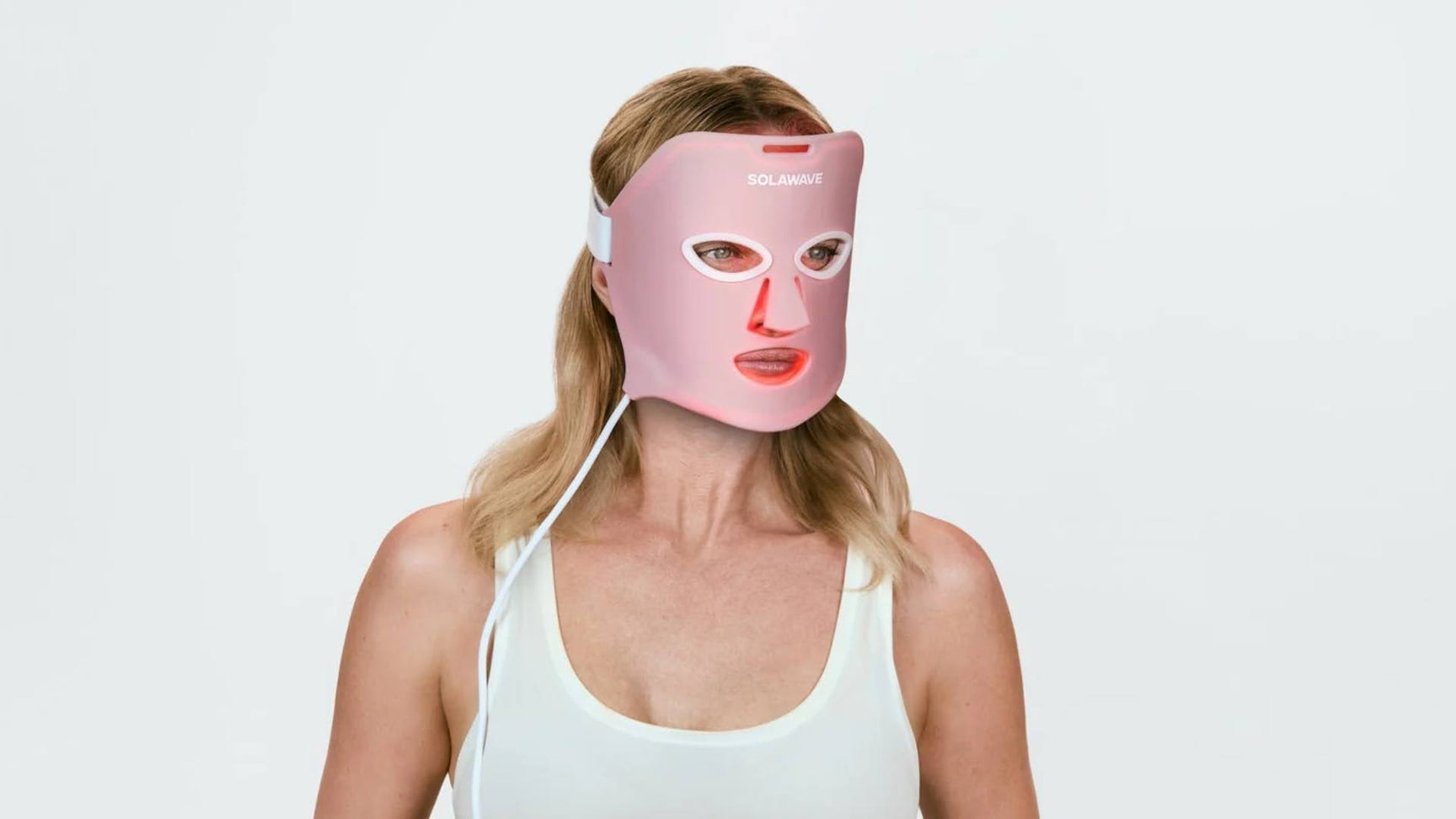
Longer wavelengths penetrate deeper. Near-infrared light (around 830nm) reaches deeper tissue than visible red light (around 630nm). The Red Light Therapy Face Mask delivers four wavelengths (Red 630nm, Deep Red 660nm, Amber 605nm, and Near-Infrared 830nm) through 320 medical-grade LEDs. This combination addresses tissue at multiple depths, which matters for deep lesions.
Device power density also affects penetration. Underpowered devices may not deliver sufficient energy to deeper tissue regardless of wavelength. Medical-grade LEDs like those in FDA-cleared devices provide appropriate output for therapeutic effect.
Honesty requires acknowledging what we don't know. Large-scale controlled trials specifically examining red light therapy for severe cystic acne are lacking. Most acne studies have focused on mild to moderate cases.
The positive results from inflammatory acne studies suggest potential benefit for cystic acne given the shared inflammatory mechanisms, but this is an extrapolation rather than a direct demonstration.
Individual responses vary. What works dramatically for one person may produce modest results for another. This is true of all acne treatments, not just light therapy.
Setting appropriate expectations helps you evaluate whether red light therapy makes sense for your situation.
Reduce inflammation associated with active cystic lesions. The anti-inflammatory mechanism is well-documented and relevant to cystic acne's inflammatory nature.
Support healing once lesions begin resolving. Enhanced cellular energy can accelerate repair processes.
Potentially reduce scarring by promoting more efficient healing. Less time inflamed means less tissue damage and potentially less permanent scarring.
Complement other treatments by supporting skin health while addressing acne through other mechanisms.
Provide treatment without the side effects of systemic medications. Red light therapy doesn't cause the dryness, sensitivity, or systemic effects associated with isotretinoin or antibiotics.
Replace dermatological care for severe cystic acne. Cystic acne often requires medical management, and red light therapy should be considered complementary rather than a replacement.
Kill acne bacteria directly. Unlike blue light, red light has minimal direct antibacterial effect. It works primarily through other mechanisms.
Produce overnight results. Like most acne treatments, the benefits develop over weeks of consistent use.
Guarantee prevention of scarring. While supporting healing may reduce scarring, severe cystic acne can scar despite treatment.
Address hormonal root causes. If hormonal imbalance drives your cystic acne, you still need to address that underlying factor.
If you want to try red light therapy for cystic acne, here's how to approach it thoughtfully.
Cystic acne typically requires professional guidance. If you haven't seen a dermatologist, start there. They can evaluate your specific situation, discuss treatment options, and help you understand how red light therapy might fit into a comprehensive plan.
If you're already under dermatological care, discuss adding red light therapy. Most dermatologists are familiar with the technology and can advise on integration with your existing regimen.
Don't abandon treatments that are working because you're adding red light therapy. If you're using prescription medications, continue them unless your dermatologist advises otherwise. Red light therapy complements other treatments rather than replacing them.
Red light therapy requires consistency to produce results. Use your device 3-5 times weekly, following manufacturer guidelines for session duration.
The face mask's 3-minute sessions make daily use practical. For targeted treatment of individual lesions, the red light therapy wand combines red light with galvanic current, therapeutic warmth, and galvanic current. The wand requires a water-based serum like the LightBoost Activating Serum to activate all four technologies.
Red light therapy works best alongside proper skincare fundamentals.
Gentle cleansing avoids stripping skin or exacerbating inflammation. Harsh cleansers can worsen cystic acne by compromising barrier function.
Appropriate hydration matters even for acne-prone skin. The LightBoost Niacinamide Face and Neck Serum provides niacinamide, which has evidence for improving acne while supporting barrier function.
Non-comedogenic moisturizing maintains barrier integrity without clogging pores. The LightBoost Face and Neck Cream delivers hydration without a heavy, pore-clogging formulation.
Sun protection prevents hyperpigmentation that makes acne marks more visible. This is especially important if you're using any photosensitizing treatments.
Expect to use red light therapy consistently for 8-12 weeks before evaluating results. Cellular changes and inflammation reduction happen gradually. Premature evaluation leads to abandoning treatments that might have helped with more time.
Track your progress with regular photos taken in consistent lighting. Daily fluctuations can mask a gradual improvement that becomes apparent in comparison photos.
Even when cystic acne resolves, scars often remain. Red light therapy may also help here.
Cystic acne scars result from the body's repair process. When deep tissue damage occurs, the body produces collagen to heal the wound. Sometimes this produces too little collagen (atrophic scars, which are indented) or too much (hypertrophic scars, which are raised).
Red light therapy's collagen-stimulating effects are well-documented for general skin rejuvenation. The same mechanism may help improve the appearance of atrophic acne scars by stimulating collagen production in indented areas.
Near-infrared wavelengths penetrate to where scar tissue forms, potentially supporting healthier collagen remodeling.
The red light therapy eye mask can help address scarring and discoloration in the eye area, while the LightBoost Collagen Caffeine Eye Cream provides complementary topical support.
For scarring on the neck and chest from body acne, the Neck & Chest Rejuvenating Mask extends light therapy treatment to these areas.
Red light therapy may improve scar appearance over time, but deep scars typically require professional treatments like laser resurfacing, microneedling, or fillers for dramatic improvement. Light therapy can complement these treatments and support healing after procedures.
Effective cystic acne management usually requires a multifaceted approach.
If hormonal fluctuation triggers your cystic acne, addressing hormones may be necessary alongside any topical or device treatment. This might involve birth control pills, spironolactone, or other hormonal interventions, depending on your situation.
While the role of diet in acne is debated, some people find that certain foods worsen their breakouts. Common triggers include dairy, high-glycemic foods, and whey protein. Observing your own patterns can reveal personal triggers.
Stress management matters because cortisol affects both inflammation and hormones. Whatever stress reduction works for you indirectly benefits your skin.
Cystic acne is notoriously stubborn. Even effective treatments take time. The typical evaluation period for any acne treatment is 8-12 weeks, and severe cases may take longer.
All Solawave devices are FSA/HSA eligible and recommended by dermatologists, providing professional-grade support for your skin health journey.
Does red light therapy heal cystic acne? The honest answer is that it may help, but it isn't a standalone cure. The anti-inflammatory and healing-supportive effects of red light therapy for cystic acne are biologically plausible and supported by evidence from related conditions, though large-scale trials specifically on severe cystic acne are lacking. RLT for cystic acne makes the most sense as part of a comprehensive management strategy rather than a replacement for dermatological care. It offers the advantage of no systemic side effects and can complement prescription treatments safely for most people. The penetration of near-infrared wavelengths means light therapy can potentially affect even deep cystic lesions, unlike many topical treatments. If you're struggling with cystic acne, red light therapy deserves consideration as an adjunct treatment. Work with a dermatologist, maintain realistic expectations, commit to consistent use, and give it adequate time before evaluating results.
Ready to support your skin health with red light therapy? Shop Solawave's skincare collection today.
Most people need 8-12 weeks of consistent use before meaningful evaluation. Some notice reduced inflammation or faster healing of individual lesions within a few weeks, but overall improvement in cystic acne patterns takes longer. This timeline is consistent with most acne treatments, which require sustained use to affect the underlying processes driving breakouts.
Red light therapy is generally well-tolerated and unlikely to worsen acne. Unlike some treatments that cause initial purging, red light doesn't typically trigger breakouts. However, if your skin reacts negatively to any treatment, discontinue use and consult a dermatologist. Ensure you're using a quality FDA-cleared device at appropriate settings.
Blue light has direct antibacterial effects against acne-causing bacteria, while red light works primarily through anti-inflammatory and healing mechanisms. For cystic acne, where inflammation is a major component and lesions are deep, red light's deeper penetration and anti-inflammatory effects may be particularly valuable. Some devices combine both wavelengths. Your dermatologist can help determine what's best for your specific situation.
Generally, yes, but consult your prescribing dermatologist. Isotretinoin (Accutane) makes skin more sensitive, but red light therapy doesn't cause the UV-related concerns that make sun exposure problematic during isotretinoin treatment. Red light may actually support healing and potentially help with some isotretinoin side effects. However, always verify with your healthcare provider before combining treatments.
Red light therapy's collagen-stimulating effects may improve the appearance of atrophic (indented) acne scars over time by promoting collagen production. Results for scarring are gradual and may be modest for deep scars. Professional treatments often produce more dramatic scar improvement, but red light therapy can support healing after procedures and provide ongoing collagen stimulation.