Rated 4.7 out of 5 stars
4.7 / 5


726,000+ customers
Free 60-Day Returns
1-Year Warranty
726,000+ customers
Free 60-Day Returns
1-Year Warranty
You've probably seen those numbers on red light therapy devices and thought, "Does that actually matter?" Short answer? Yes. A lot. The wavelength your device uses decides how deep the light goes, what it does when it gets there, and what kind of results you'll see. So let's break down 630nm vs 660nm red light therapy, 630nm vs 850nm red light therapy, and 850nm vs 660nm red light therapy in a way that actually makes sense.
Every wavelength of light reaches a different layer of your skin. Shorter wavelengths stay closer to the surface. Longer ones go deeper. And the layer they reach determines what they can actually do for you.
Here's the simple version. When red or near-infrared light hits your skin, it gets absorbed by the energy centers inside your cells (called mitochondria). That absorption gives your cells a boost. More energy means more collagen production, faster repair, and healthier-looking skin overall. This process is called photobiomodulation, and it's been studied for decades.
Different wavelengths just do this at different depths. That's why the number on your device isn't just a random spec. It's telling you exactly where the light is working and what kind of results you can expect.
Think of 630 nm as your surface-level powerhouse. It reaches the upper-to-mid layers of your skin, right where fine lines, texture issues, and early signs of aging tend to show up first.
This wavelength is one of the most studied in skincare. Research has shown that 630 nm light significantly boosts cell activity and growth. And a separate study found that 630 nm LED light improved skin roughness, supported collagen, and enhanced overall skin texture with minimal irritation.
When people compare 630nm vs 660nm red light therapy, the biggest difference is simply how far the light travels. At 630nm, you're targeting the zone where collagen and elastin get produced, making it great for smoothing fine lines and improving your skin's overall glow.
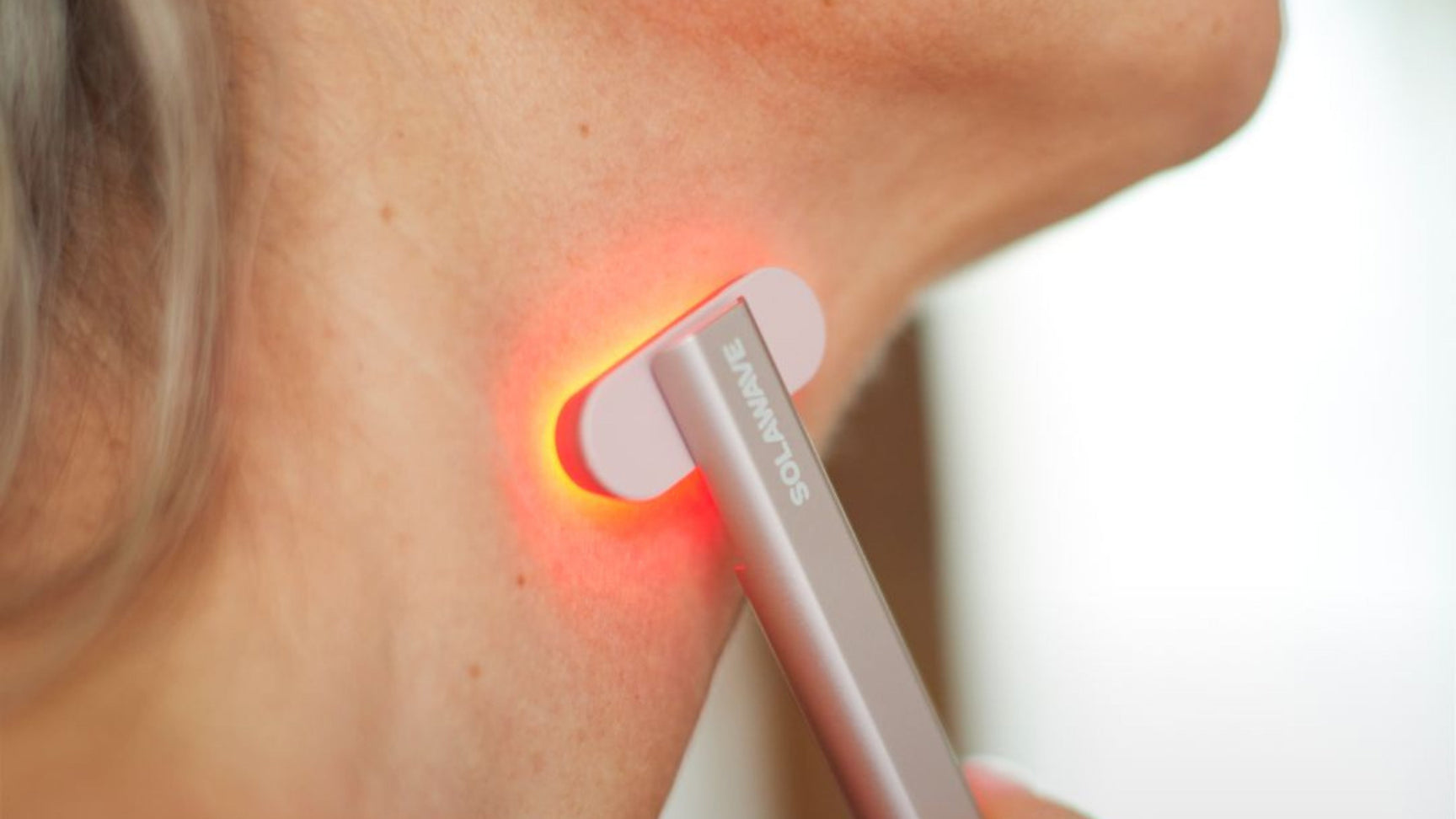
This is the wavelength in the Solawave 4-in-1 Skincare Wand. It pairs 630nm red light with galvanic current, therapeutic warmth, and facial massage so you can treat specific areas like smile lines, under-eyes, or your jawline with precision.
If 630nm works closer to the surface, 660nm goes a step deeper. It reaches the mid-to-deep layers of your skin, where more established signs of aging live.
A clinical trial with 52 women found that using 660nm red LEDs daily for 12 weeks significantly improved wrinkles around the eyes. The researchers called it an "effective and tolerable treatment option."
So when you're weighing 630nm vs 660nm red light therapy, think of it like this. 630nm handles the newer, surface-level stuff. 660nm digs deeper to address wrinkles and firmness that have been building over time. Both support collagen and elasticity. They just do it at different depths.
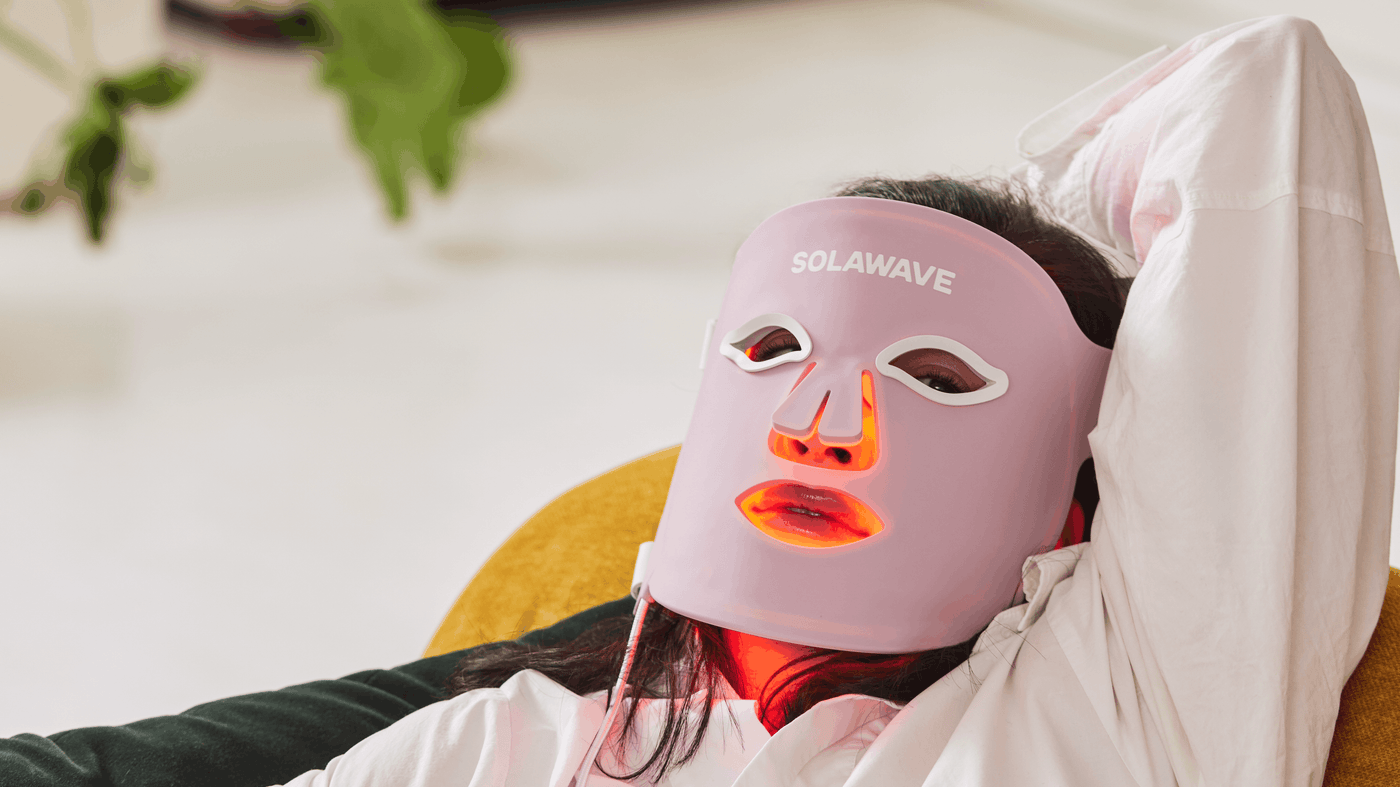
That's exactly why the Wrinkle Retreat Pro LED Face Mask includes both. Red (630nm) and Deep Red (660nm) work together so you're covered at multiple layers with every single session.
Now we're getting into the deep end. When you compare 850nm vs 660nm red light therapy or 630nm vs 850nm red light therapy, you're comparing visible light to near-infrared light. You can't actually see near-infrared with your eyes, but your skin cells absolutely respond to it.
Near-infrared wavelengths in this range penetrate well beyond the visible dermis. They reach deeper tissue where they support circulation, tissue repair, and cellular renewal. This is the layer where your skin's real structural support system lives, and it's exactly where near-infrared light does its best work.
A study comparing 660nm and 830nm found that both wavelengths were effective. The difference? They worked at different depths, activating different layers of tissue. Near-infrared goes where red light simply can't reach, supporting your skin's firmness and vitality from the inside out.
The Wrinkle Retreat Pro uses 830nm near-infrared (which falls within the same therapeutic range as 850nm). It's the deepest-penetrating wavelength in the device, working on the foundation layer that keeps skin firm and resilient.
This is the big question. And the answer from research is pretty clear.
A controlled study of 136 people tested single-wavelength red light against multi-wavelength light that covered a broader range. Both groups saw real improvements in skin complexion, roughness, and collagen density compared to the control group.
The logic is simple. Each wavelength handles a different depth. So when you combine them, every layer of your skin gets targeted at once. Surface fine lines, deeper wrinkles, tone, firmness, radiance. All in one session.
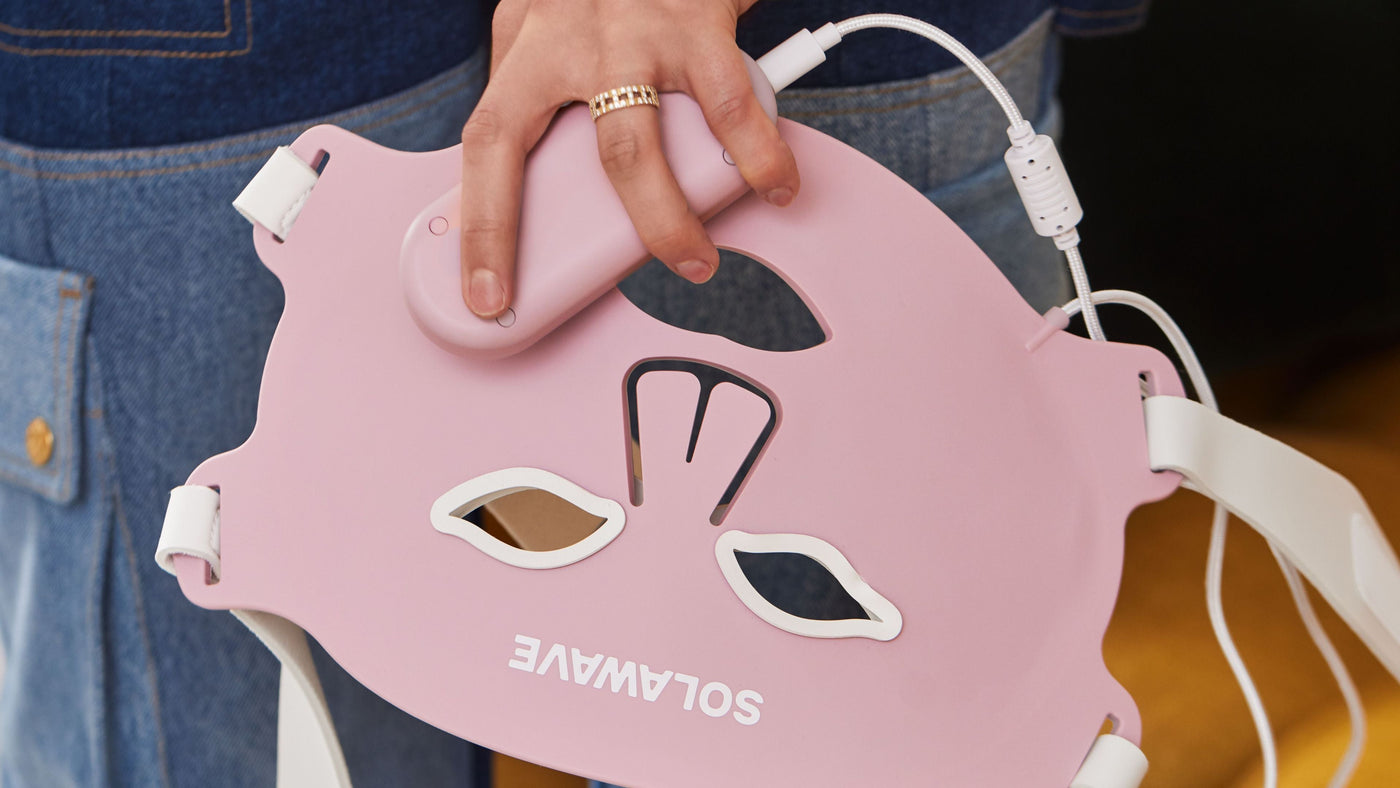
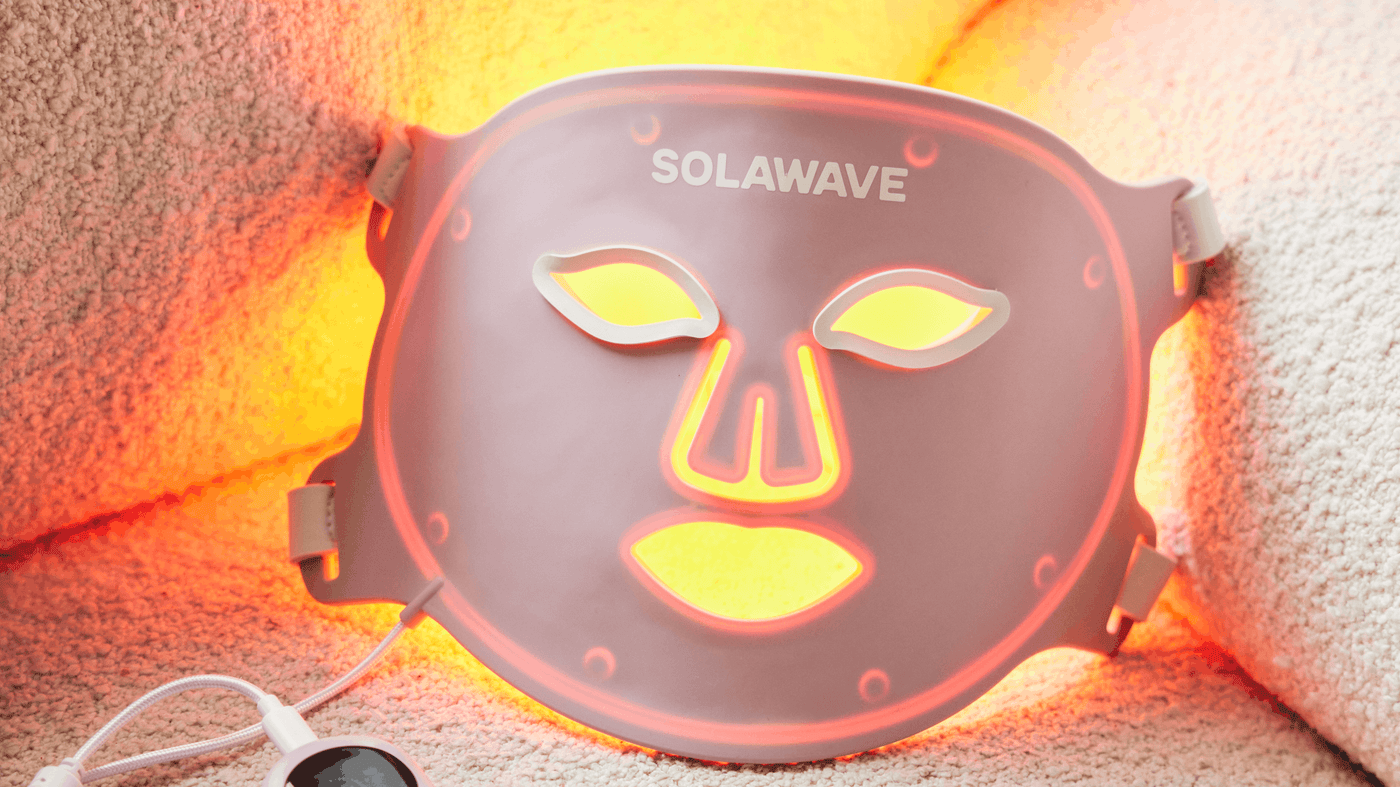
The Wrinkle Retreat Pro was built around this idea. It uses four wavelengths together. Red (630nm) and Deep Red (660nm) for collagen at two depths. Amber (605nm) for calming redness and evening tone. And Near-Infrared (830nm) for deep firmness and repair. That's 320 LEDs across four wavelengths, with zero blind spots, in just 3 minutes.
If you want targeted, zone-by-zone treatment for fine lines, puffiness, or dull skin, the 4-in-1 Skincare Wand gives you 630nm red light plus three other technologies in 12 minutes. Pair it with the LightBoost Wand Activating Serum for the best results. The serum is packed with hyaluronic acid and peptides, and the wand's galvanic current drives those actives deeper into the skin than they'd go on their own.
If you want the full multi-wavelength experience, the Wrinkle Retreat Pro covers every depth in one hands-free, 3-minute session.
And if acne is in the mix? Red light at 630nm also helps calm inflammation and reduce redness from breakouts, making it a versatile pick across multiple skin concerns.
These Solawave devices are FDA-cleared, tested, and backed by a 60-day money-back guarantee. The wavelength matters. Now you know exactly why. Results may vary. Individual results are not guaranteed.
It comes down to depth. 630nm reaches the upper-to-mid skin layers and targets fine lines and texture. 660nm goes deeper, addressing more established wrinkles and supporting elasticity at a lower level.
They do different things. 630nm targets collagen and fine lines closer to the surface. 850nm (near-infrared) goes much deeper to support circulation, tissue repair, and skin firmness. Neither is better alone. They're most effective together.
Yes, and research supports it. Multi-wavelength devices treat different skin depths in a single session. The Solawave Wrinkle Retreat Pro uses four wavelengths simultaneously for full coverage.
The Wrinkle Retreat Pro uses 830nm near-infrared light. Both 830nm and 850nm fall within the near-infrared therapeutic range, but Solawave specifically calibrated its mask to 830nm for optimal skin benefit.
Solawave recommends 3 to 5 times per week. The Wrinkle Retreat Pro takes just 3 minutes per session. The 4-in-1 Skincare Wand takes 12 minutes for a full-face treatment.
Yes. Red and near-infrared light target your cells' energy centers, not melanin. That makes it safe and effective for all skin tones, from Fitzpatrick type I through VI, with no UV and no irritation.