Rated 4.7 out of 5 stars
4.7 / 5


726,000+ customers
Free 60-Day Returns
1-Year Warranty
726,000+ customers
Free 60-Day Returns
1-Year Warranty
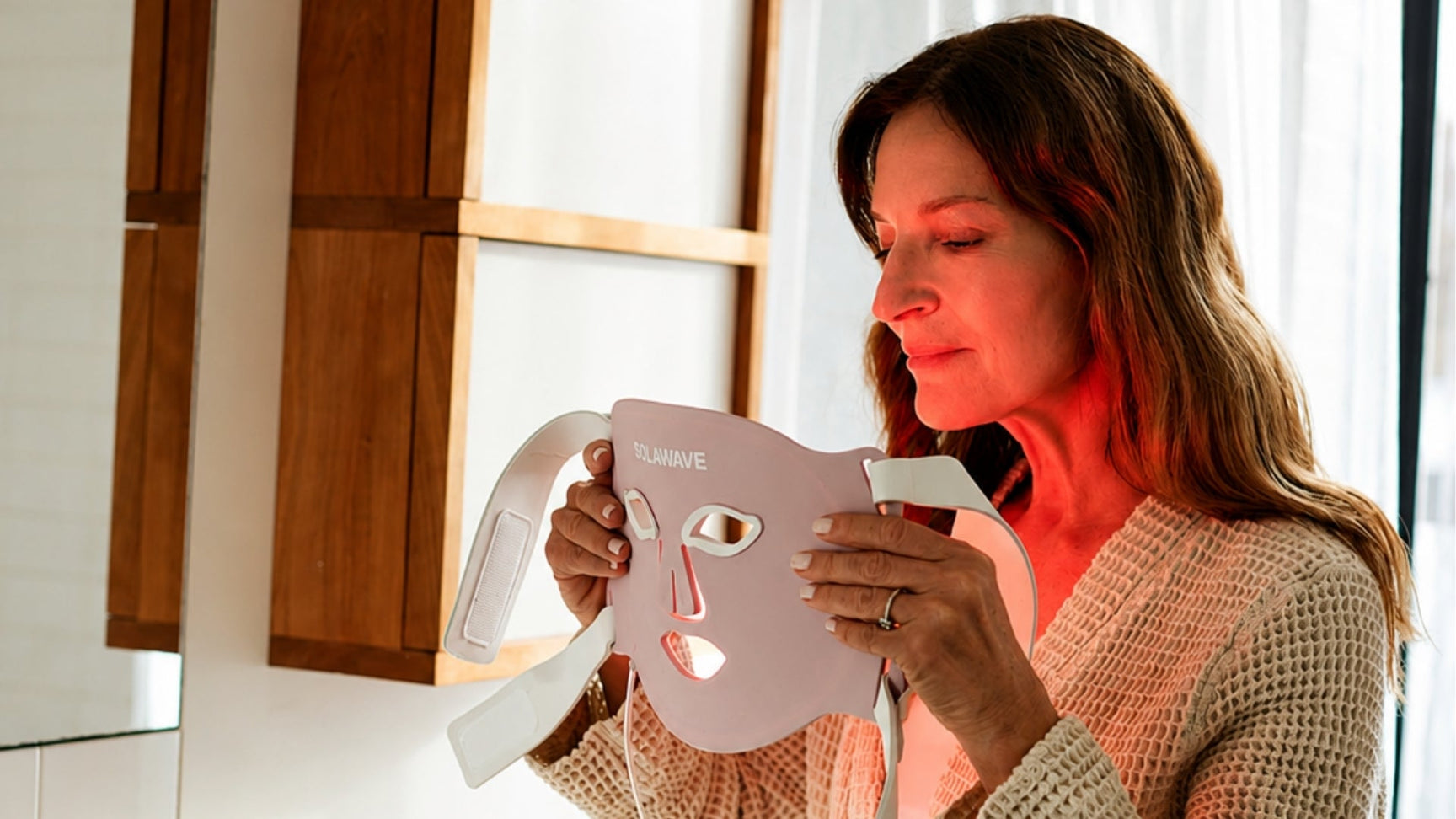
Oily skin is complicated. You've probably tried mattifying primers, oil-free everything, and harsh cleansers that strip your face dry only to watch the shine return by noon. But what if the answer to balanced skin isn't about stripping oil away at all? What if it's about working with your skin at the cellular level instead?
That's where red light therapy comes in. And yes, it can absolutely be part of an oily skin routine. In fact, more dermatologists and skincare professionals are recommending it for exactly this skin type. You just need to know how to use it properly.
Let's start with the science. Red light therapy, also called photobiomodulation, uses specific wavelengths of LED light to interact with your cells at the mitochondrial level. When skin absorbs red light at 630nm, it triggers increased production of ATP (adenosine triphosphate), the energy molecule that powers cellular function. More cellular energy means your skin can repair, regenerate, and regulate itself more efficiently.
For oily skin, this matters in a few important ways.
First, red light therapy has well-documented anti-inflammatory properties. Inflammation is often a hidden driver behind excess oil production. When skin is irritated or inflamed, sebaceous glands can go into overdrive, pumping out more oil as a protective response. By calming that inflammation at the source, red light therapy supports a more balanced environment for your skin.
Second, early research suggests that red light may influence sebaceous gland activity directly. A growing body of clinical evidence supports the role of photobiomodulation in improving overall skin health, and dermatologists increasingly recognize its potential for oily and acne-prone skin types.
Third, red light therapy supports collagen production and skin barrier function. A healthy skin barrier helps prevent the cycle of overstripping and overproducing oil that so many oily skin types get stuck in.
This is non-negotiable. Oil, sunscreen, and makeup residue sitting on the skin's surface can interfere with how effectively light penetrates. Wash your face with a gentle, non-stripping cleanser before every session.
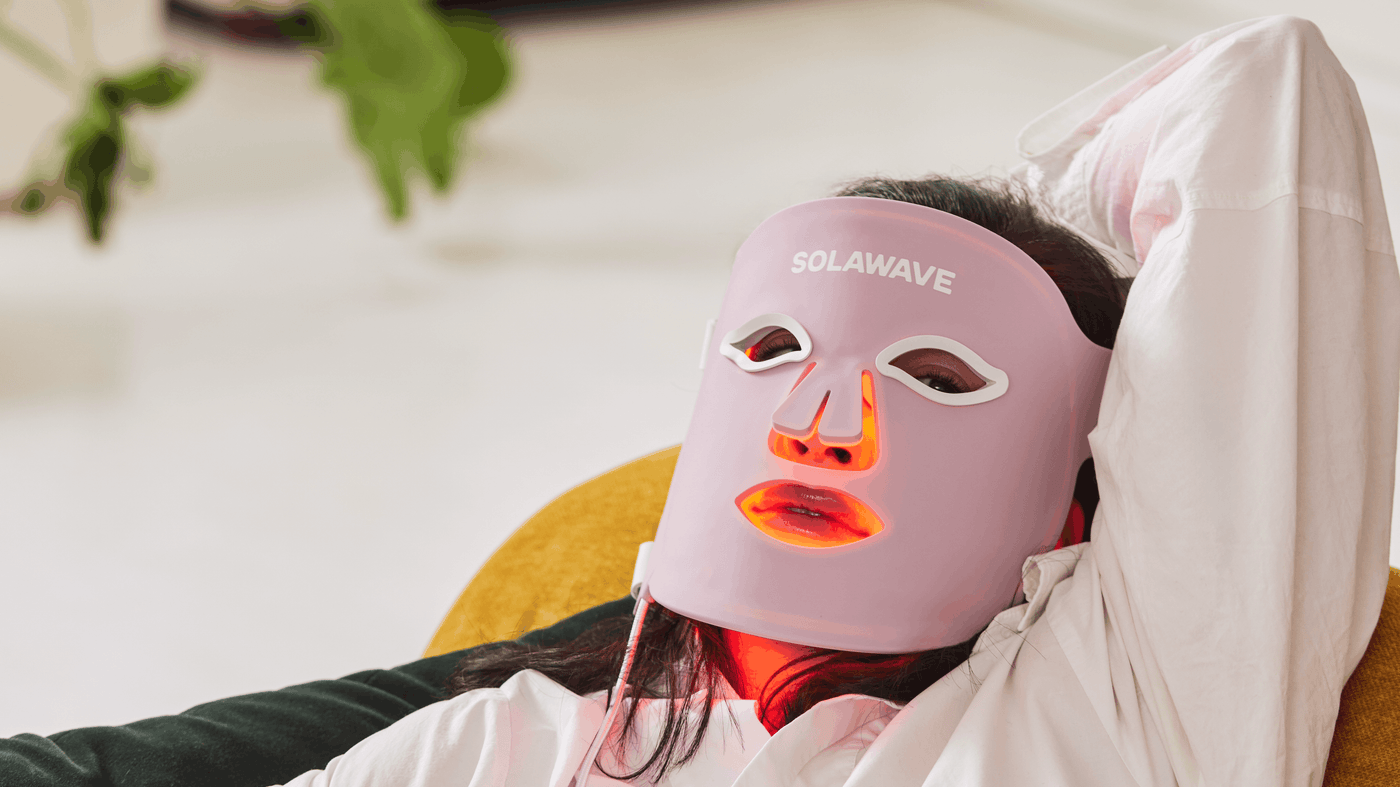
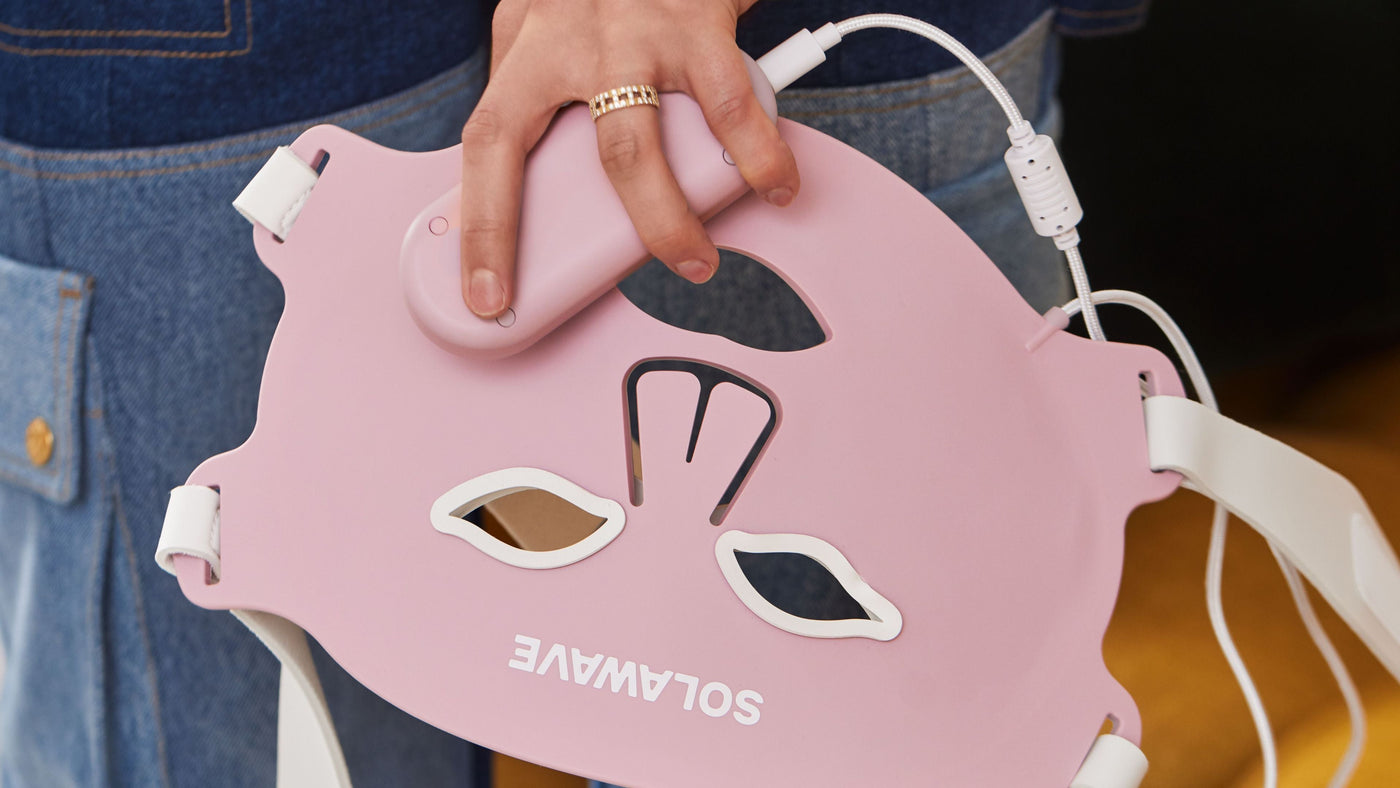
Red light therapy isn't a one-and-done fix. Like any science-backed skincare approach, the benefits build over time with regular use. Most people start noticing visible changes after 4 to 8 weeks of consistent sessions, used 3 to 5 times per week. The Wrinkle Retreat Pro LED Face Mask makes this easy with hands-free, 3-minute sessions that fit into any morning or evening routine.
If you're using a device like the 4-in-1 Skincare Wand, pair it with a lightweight, oil-free serum. The LightBoost Wand Activating Serum is formulated to be non-comedogenic, meaning it won't clog pores. It's also fragrance-free, vegan, and dermatologist-tested.
The American Academy of Dermatology recommends following device-specific instructions for frequency and duration. More is not always better. Solawave devices are designed with built-in timers and auto-shutoff features so you never have to guess.
Red light therapy works best as part of a complete skincare approach. For oily skin, look for serums with ingredients like niacinamide and peptides that support balanced skin. The LightBoost Face & Neck Serum is formulated with exactly these actives and is designed to enhance light therapy results.
Thick creams and oil-based serums can create a barrier that blocks light from reaching the skin effectively. Save rich moisturizers for after your treatment, and stick to lightweight, water-based formulas beforehand. Learn more about the best approach in this guide on how to use red light therapy at home.
Using your device more than recommended won't speed up results and could potentially irritate your skin. Stick to the 3 to 5 sessions per week that Solawave recommends. The Wrinkle Retreat Pro Face Mask is calibrated at 65 mW/cm² of total irradiance, delivering a clinically effective dose in just 3 minutes per session.
If you use retinoids or certain chemical exfoliants, consider applying them at a different time of day than your light therapy session. Using retinol in the evening and red light therapy in the morning is a simple way to get the benefits of both without risking irritation.
Think of it as a powerful addition, not a replacement. Red light therapy works beneath the skin's surface to support cellular health, but you still need to cleanse, hydrate, and protect your skin with SPF during the day.
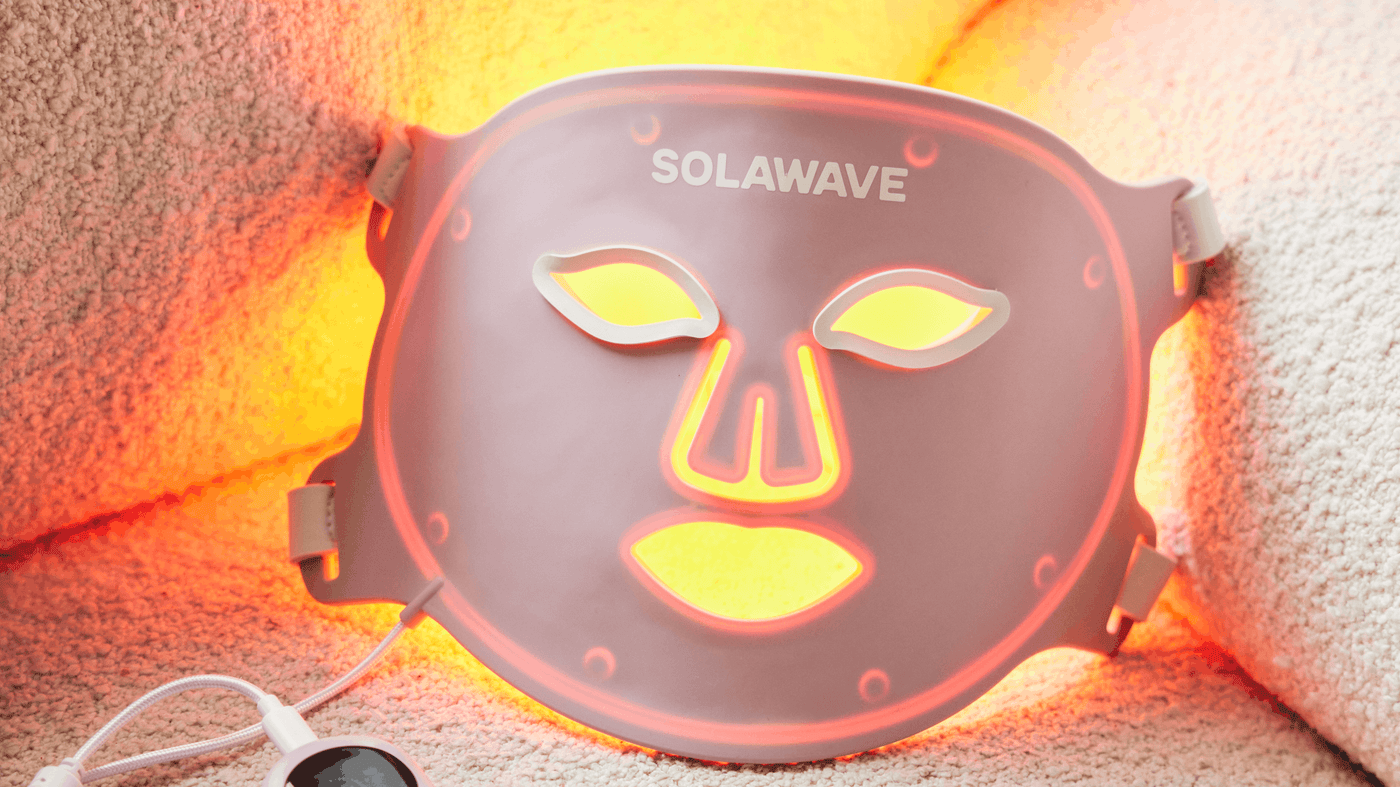
Oily skin concerns often focus on the T-zone, but balanced skin health means treating the full face. The Wrinkle Retreat Pro Face Mask provides edge-to-edge coverage with 320 LEDs across four wavelengths and zero blind spots, so every area gets treated evenly.
One of the biggest advantages of red light therapy for oily skin is that it's genuinely safe for everyone. Unlike lasers or IPL, which target melanin and carry risks of burns or hyperpigmentation in deeper skin tones, red light targets mitochondria. Every skin cell has mitochondria regardless of melanin content, making it safe and effective across all Fitzpatrick skin types from I to VI.
That means if you have oily skin and a deeper complexion, you don't need to worry about the risks that come with other light-based treatments. No UV. No irritation. No downtime. Just science-backed technology working with your skin's own biology to support healthier, more balanced results over time.
All Solawave devices are FDA-cleared, clinically tested, and backed by a 60-day money-back guarantee. In an independent 56-day clinical study of 30 participants who used the Wrinkle Retreat Pro Face Mask, 100% showed visible improvement in skin texture and 100% showed visibly brighter skin.
Balanced, healthier-looking skin is possible without stripping, drying, or guessing. It just takes the right science. Results may vary. Individual results are not guaranteed.
No. Red light therapy is non-comedogenic and does not increase oil production. Research suggests it may help support more balanced sebaceous gland function by reducing inflammation and supporting overall skin health.
Use your device 3 to 5 times per week for best results. The Solawave Wrinkle Retreat Pro Face Mask takes just 3 minutes per session with a built-in timer and auto-shutoff.
For the 4-in-1 Skincare Wand, yes. Use a lightweight, non-comedogenic serum like the LightBoost Wand Activating Serum. For the LED face mask, start with clean, dry skin and apply serums after your session.
Yes. Red light therapy is gentle, non-irritating, and supports the skin's natural healing processes. It can help calm inflammation associated with breakouts without drying or stripping the skin.
Yes, but it's best to use them at different times of day. Apply retinol in the evening and use your red light therapy device in the morning to avoid potential sensitivity.
Most people begin to notice visible improvements in skin texture and balance within 4 to 8 weeks with consistent use 3 to 5 times per week.