Rated 4.7 out of 5 stars
4.7 / 5


726,000+ customers
Free 60-Day Returns
1-Year Warranty
726,000+ customers
Free 60-Day Returns
1-Year Warranty

The world of light therapy has expanded far beyond single-color devices. Walk into any skincare retailer or scroll through beauty websites, and you'll encounter devices promising benefits from red light, blue light, green light, amber light, and sometimes all of the above. The rainbow of options can feel overwhelming, especially when marketing claims make every wavelength sound essential.
Two colors frequently appear in skincare conversations: red and green. Both have legitimate therapeutic applications, but they work through entirely different mechanisms and address different concerns. Understanding red light vs green light therapy helps you choose the right tool for your specific needs rather than collecting devices that duplicate efforts or miss your actual goals.
Before comparing specific colors, it helps to understand how light therapy works at all.
Light is electromagnetic radiation, and different wavelengths of light interact with biological tissue in different ways. When light hits skin, several things can happen: it can be reflected, scattered, absorbed, or transmitted through to deeper layers.
The therapeutic effects of light therapy depend on absorption. Specific molecules in skin, called chromophores, absorb specific wavelengths of light. This absorption triggers biological responses that can be harnessed for therapeutic benefit.
Different chromophores absorb different wavelengths. This is why red light and green light have different effects: they're absorbed by different targets and trigger different cascades of cellular activity.
Light wavelength directly affects how deeply it penetrates skin. Shorter wavelengths (like blue and green) penetrate less deeply, primarily affecting the epidermis and upper dermis. Longer wavelengths (like red and near-infrared) penetrate more deeply, reaching the lower dermis and even affecting underlying tissue.
This penetration difference is crucial for understanding which concerns each type of light can address. Surface issues may respond to shallower-penetrating light, while concerns involving deeper structures require wavelengths that can actually reach them.
Red light therapy uses wavelengths in the 620-700nm range, with near-infrared extending from 700-1100nm. These longer wavelengths penetrate deeply into skin, reaching the dermis and beyond.
The primary chromophore for red and near-infrared light is cytochrome c oxidase, an enzyme within mitochondria. According to photobiomodulation research, when this enzyme absorbs red light, it stimulates increased production of adenosine triphosphate (ATP), the energy currency that powers all cellular processes.
This mitochondrial stimulation creates a cascade of beneficial effects.
Increased cellular energy means cells have more resources for all their functions, from protein production to repair and defense.
Collagen and elastin synthesis increases as fibroblasts (the cells that produce these structural proteins) gain more energy to do their work.
Cellular repair mechanisms become more efficient, improving skin's ability to recover from damage.
Inflammation modulates as red light affects inflammatory signaling pathways, often reducing chronic inflammation while supporting healthy acute inflammatory responses.
Circulation improves through effects on blood vessel cells, delivering more oxygen and nutrients to skin.
The deep penetration and cellular energy effects make red light therapy effective for:
Fine lines and wrinkles through collagen stimulation that rebuilds structural support.
Loss of firmness and elasticity by addressing the underlying cause: insufficient collagen and elastin.
Overall skin texture improvement from enhanced cellular turnover and repair.
Inflammation and redness through anti-inflammatory pathway modulation.
Wound healing acceleration via improved cellular energy and repair capacity.
Post-treatment recovery after procedures like microneedling or chemical peels.
General skin health maintenance through ongoing cellular support.
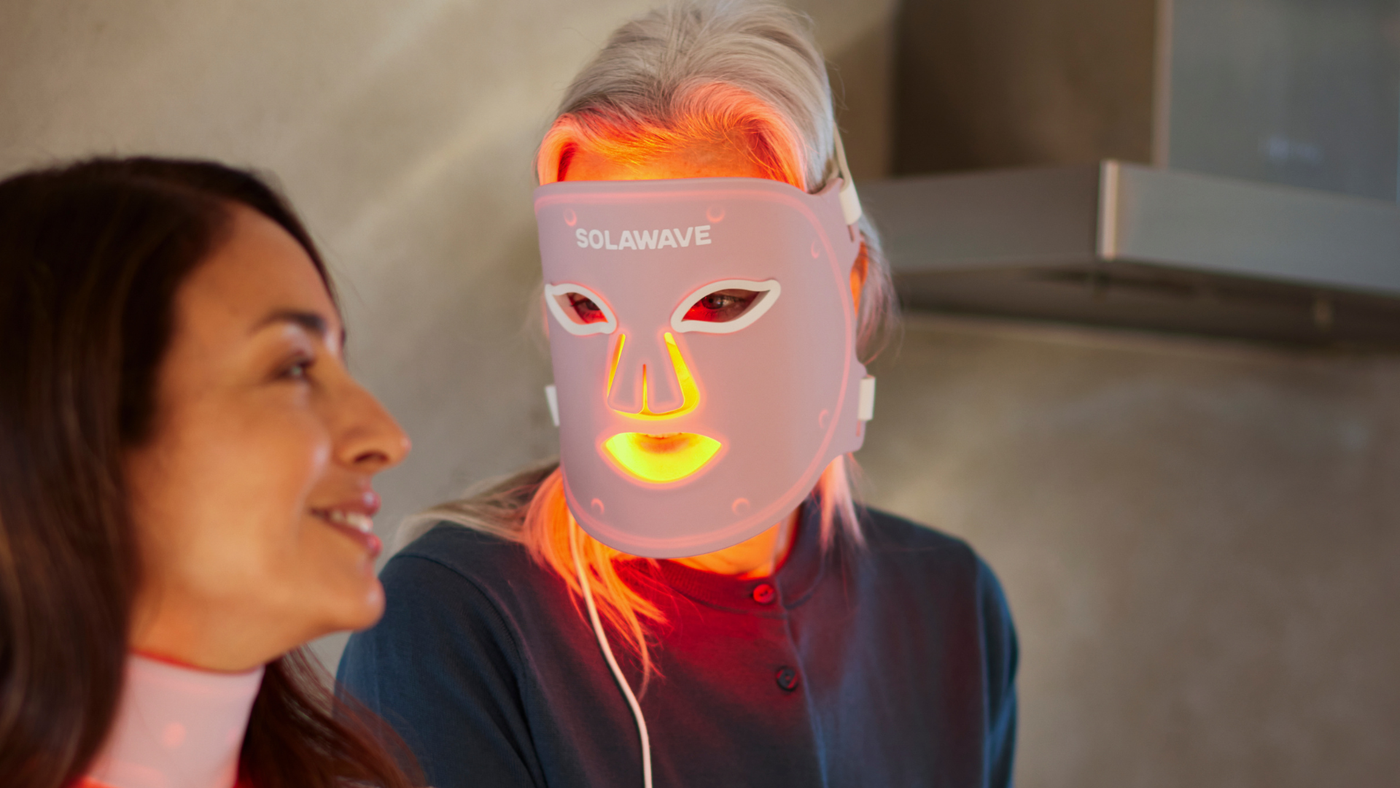
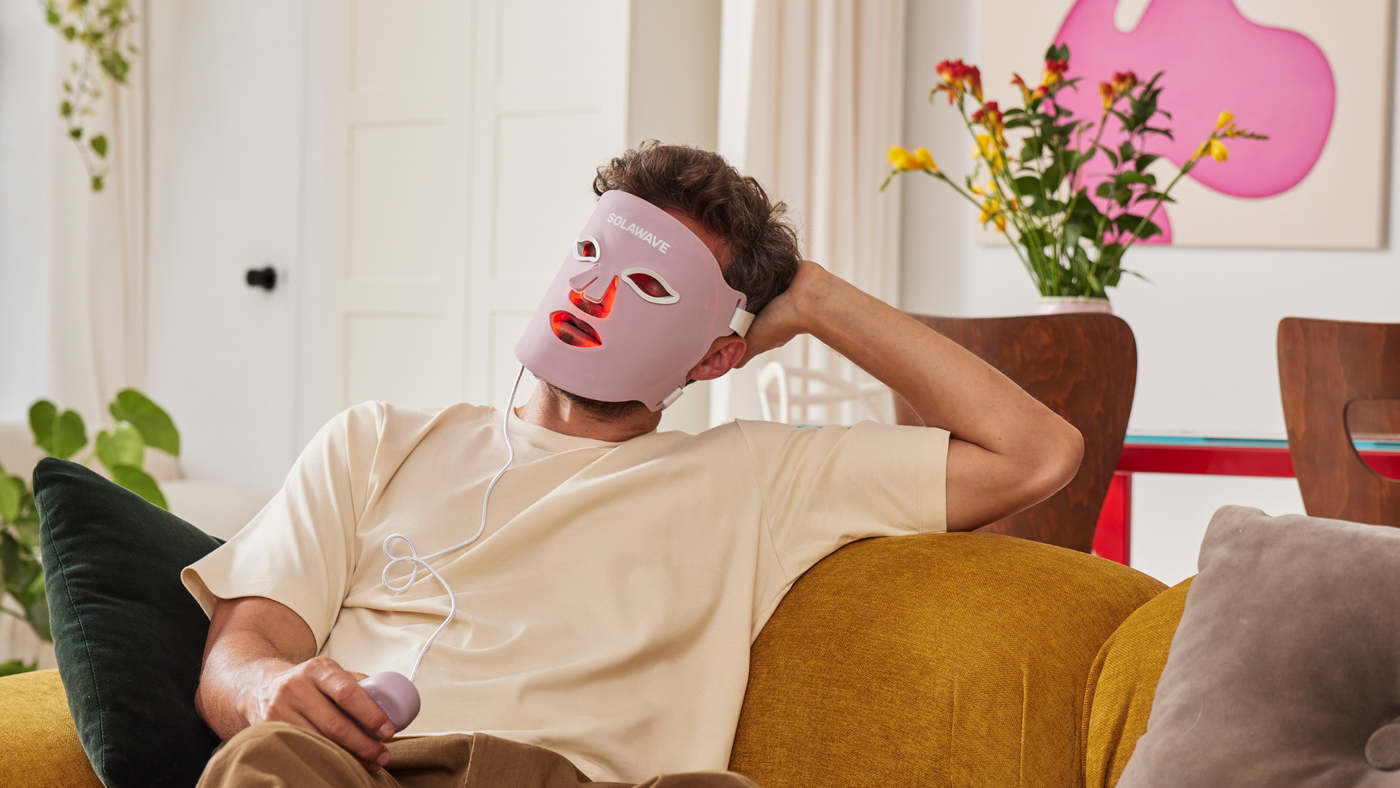
The Red Light Therapy Face Mask delivers four therapeutic wavelengths (Red 630nm, Deep Red 660nm, Amber 605nm, and Near-Infrared 830nm) through 320 medical-grade LEDs. FDA-cleared and requiring just 3 minute sessions, it provides comprehensive red light treatment for these concerns.
Many red light devices also include near-infrared wavelengths (typically around 830nm). These penetrate even deeper than visible red light, reaching below the dermis. Near-infrared is particularly valuable for inflammation reduction, muscle recovery, and supporting the deepest aspects of skin rejuvenation.
The combination of multiple wavelengths addresses skin at different depths simultaneously, which is why multi-wavelength devices often outperform single-wavelength alternatives.
Green light therapy uses wavelengths in the 520-560nm range. These shorter wavelengths penetrate less deeply than red light, primarily affecting the epidermis and upper dermis.
Green light interacts primarily with melanin and hemoglobin, the pigments responsible for skin color and blood visibility. This interaction drives its therapeutic applications.
When melanocytes (pigment-producing cells) absorb green light, the theory is that melanin production may be modulated. This forms the basis for using green light to address hyperpigmentation.
Green light also affects superficial blood vessels, which has implications for redness and vascular concerns.
Proponents of green light therapy suggest it may help with:
Hyperpigmentation through effects on melanin production.
Sun spots and age spots by targeting excess pigmentation.
Redness and vascular concerns through effects on superficial blood vessels.
Under-eye circles, particularly those with pigmentation components.
Skin tone evening by addressing surface discoloration.
Here's where honest assessment becomes important. While red light therapy has robust research support from decades of studies across multiple fields, green light therapy for skin applications has considerably less scientific backing.
This doesn't mean green light therapy doesn't work. It means the evidence base is thinner, the mechanisms less well-established, and the optimal parameters less clearly defined. Most green light research has focused on migraine treatment rather than skincare applications.
If you're choosing between red light vs green light therapy, the evidence currently favors red light for most anti-aging and skin health concerns.
Understanding the difference between red light and green light therapies becomes clearer through direct comparison.
Red light reaches the dermis and below (approximately 2-5mm depending on wavelength and device). This means it can affect fibroblasts, collagen structures, blood vessels, and other deep skin components.
Green light primarily affects the epidermis and upper dermis (approximately 0.5-2mm). Its effects are limited to more superficial structures, including melanocytes in the basal layer of the epidermis.
For concerns involving deeper skin structures like collagen loss, firmness decline, and deep wrinkles, red light's greater penetration makes it more appropriate.
Red light therapy works through mitochondrial stimulation, increasing cellular energy production across all cell types. This is a fundamental, broadly beneficial mechanism that supports virtually every aspect of skin function.
Green light therapy works through melanin and hemoglobin absorption, theoretically modulating pigment production and vascular appearance. This is a more targeted mechanism aimed at specific concerns.
Red light therapy has extensive research support including randomized controlled trials, systematic reviews, and decades of clinical use across dermatology, wound healing, sports medicine, and other fields. The mechanisms are well-established and the parameters well-defined.
Green light therapy for skin applications has limited research support, primarily consisting of small studies and theoretical frameworks extrapolated from research on other applications. More investigation is needed to establish optimal protocols.
Red light therapy excels for anti-aging concerns (wrinkles, firmness, elasticity), overall skin health, inflammation, healing support, and cellular-level rejuvenation.
Green light therapy is primarily marketed for pigmentation concerns (sun spots, hyperpigmentation, uneven tone) and some vascular issues.
Yes. Some devices combine multiple wavelengths, and there's no contraindication to using different light colors at different times. However, if you're choosing a single device or prioritizing your investment, red light therapy typically offers broader benefits for most skincare goals.
Your specific concerns should guide your choice.
Red light therapy is clearly indicated for wrinkles, firmness loss, and elasticity decline. The mechanism of action directly addresses collagen production and cellular function, which are the root causes of these concerns.
The red light therapy wand combines red light with therapeutic warmth, and galvanic current for targeted anti-aging treatment. The wand requires a water-based serum like the LightBoost Activating Serum to activate all four technologies.
This is where the choice becomes more nuanced. Green light therapy specifically targets pigmentation, but the evidence is less robust.
Consider that red light therapy also supports even skin tone through several mechanisms: improved cellular turnover helps fade existing pigmentation, anti-inflammatory effects reduce post-inflammatory hyperpigmentation triggers, and overall skin health improvements support more regulated melanin production.
Topical treatments with proven depigmenting ingredients (vitamin C, niacinamide, arbutin, tranexamic acid) often address pigmentation more reliably than green light alone.
The LightBoost Niacinamide Face and Neck Serum provides niacinamide, which has evidence for improving uneven skin tone and reducing hyperpigmentation over time.
Red light therapy is the better choice for general skin wellness. Its cellular-level benefits support all aspects of skin function, not just specific concerns. This makes it more versatile and more likely to address issues you may not even have identified yet.
For visible redness, broken capillaries, or rosacea, the picture is complex. Green light affects superficial vasculature, but red light's anti-inflammatory effects also benefit inflammatory redness. Professional treatments (IPL, vascular lasers) are typically more effective for pronounced vascular concerns than either green or red light therapy used at home.
If you've decided red light therapy addresses your primary concerns, here's how to incorporate it effectively.
Use red light therapy 3-5 times weekly for optimal results. Consistency matters more than session length, so regular brief sessions outperform sporadic longer ones.
Treatment duration depends on your device. The face mask requires just 3 minutes per session, making daily use practical.
Evening use is most common, as red light therapy pairs well with repair-focused nighttime skincare. However, morning use is fine if it fits your schedule better. There's no photosensitivity concern with red light therapy, so timing is flexible.
Use after cleansing, before applying treatment products. This allows light to reach skin without barriers from thick creams or oils.
Red light therapy enhances but doesn't replace a complete routine.
Continue using antioxidant protection (vitamin C) in the morning to prevent damage.
Maintain hydration with hyaluronic acid and quality moisturizers. The LightBoost Face and Neck Cream provides intensive hydration to support light therapy results.
Use retinoids if tolerated for additional collagen stimulation through a different pathway.
Never skip SPF. Light therapy supports skin health, but sun protection prevents the damage that ages skin most dramatically.
Don't forget areas beyond your face.
The red light therapy eye mask addresses the delicate eye area where fine lines and dark circles concentrate.
The LightBoost Collagen Caffeine Eye Cream provides targeted topical support for this zone.
The Neck & Chest Rejuvenating Mask treats commonly neglected areas that show aging prominently.
Many devices now offer multiple light colors in one unit. Understanding how to use these combinations requires knowing what each wavelength does.
These combinations are well-supported. Both wavelengths work through similar mechanisms (mitochondrial stimulation) at different depths. Using them together provides more comprehensive treatment than either alone.
This is why multi-wavelength devices like the face mask, which delivers red, deep red, amber, and near-infrared simultaneously, often outperform single-wavelength alternatives.
Blue light (around 415nm) kills acne-causing bacteria. Combined with red light's anti-inflammatory effects, these wavelengths can address active acne from multiple angles. This combination has reasonable evidence support for acne treatment.
This combination addresses different concerns through different mechanisms. Red light provides deep cellular support while green light theoretically addresses surface pigmentation. Whether the green light component adds meaningful benefit over red light alone isn't well-established.
Marketing sometimes implies that devices with more LED colors are automatically better. This isn't necessarily true. A well-designed device with proven wavelengths at appropriate power densities outperforms a device with many colors at inadequate intensities.
Quality matters more than color variety. All Solawave devices are FSA/HSA eligible and recommended by dermatologists, providing medical-grade treatment with proven wavelengths.
Whatever light therapy you choose, realistic expectations improve your experience.
Initial improvements in radiance and skin feel often appear within 2-4 weeks of consistent use.
More significant changes in texture, fine lines, and firmness typically emerge at 8-12 weeks.
Maximum benefits develop with continued use over months.
Light therapy is a long-term practice, not a quick fix.
Light therapy can improve skin quality, reduce fine lines, enhance firmness, calm inflammation, support healing, and contribute to more even tone over time.
Light therapy cannot replace professional procedures for severe concerns, instantly eliminate deep wrinkles, substitute for sun protection, or overcome fundamentally poor skincare habits.
Think of light therapy as powerful support for your skin's own function, not a replacement for comprehensive care.
The difference between red light and green light therapies comes down to depth, mechanism, and evidence. Red light therapy penetrates deeply, works through mitochondrial stimulation, and has robust research support for anti-aging, inflammation reduction, and overall skin health. Green light therapy works at the surface level, targets melanin and vasculature, and has more limited evidence for skincare applications specifically. For most people seeking to improve skin quality, address aging concerns, or support general skin health, red light vs green light therapy isn't really a close contest. Red light's broader benefits, deeper penetration, and stronger evidence base make it the more versatile and reliable choice. Green light may have niche applications for specific pigmentation concerns, but it's not a substitute for red light's foundational cellular support. Your light therapy investment should match your actual needs. For most skincare goals, that means prioritizing red light.
Ready to experience red light therapy? Shop Solawave's skincare collection today.
Yes, there's no contraindication to using both. Some devices offer multiple wavelengths in one unit. However, red light therapy provides broader benefits, so if you're choosing one to prioritize, red light typically offers more value for most skincare goals. Green light can be added if you have specific pigmentation concerns you want to target.
Red light therapy has substantially more research support for skincare applications. Decades of studies across dermatology, wound healing, and photomedicine have established its mechanisms and efficacy. Green light therapy research for skin concerns is more limited, with most studies being small or preliminary.
Green light is sometimes marketed for melasma, but evidence for this specific application is limited. Melasma is notoriously difficult to treat and typically requires a multi-pronged approach including strict sun protection, topical depigmenting agents, and sometimes professional treatments. Green light therapy alone is unlikely to resolve melasma, though it might be one component of a comprehensive approach.
Not necessarily. A quality red light therapy device addresses multiple concerns through its cellular-level benefits, including anti-aging, inflammation, healing, and overall skin health. This makes it versatile enough for most people's needs. Additional devices for specific wavelengths are optional additions rather than necessities.
Marketing often emphasizes color variety as a selling point, but more colors don't automatically mean better results. What matters is whether the specific wavelengths included have evidence support for their claimed benefits, and whether the device delivers them at appropriate power densities. A focused device with proven wavelengths often outperforms a "rainbow" device with many colors at inadequate intensities.