Rated 4.7 out of 5 stars
4.7 / 5


726,000+ customers
Free 60-Day Returns
1-Year Warranty
726,000+ customers
Free 60-Day Returns
1-Year Warranty

If breakouts, clogged pores, and oily skin have been running the show, salicylic acid might be the ingredient your routine is missing. But here's the part most people skip. How you pair salicylic acid with the rest of your skincare makes all the difference between good results and great ones.
Salicylic acid is a beta hydroxy acid, or BHA, naturally derived from willow bark. What sets it apart from alpha hydroxy acids like glycolic or lactic acid is that it's oil-soluble. That means it doesn't just work on the skin's surface. It actually penetrates into the pore lining, dissolving the mix of dead skin cells, excess sebum, and debris that causes congestion.
Think of it this way. AHAs clean the outside of your pores. Salicylic acid cleans the inside. That's why dermatologists have long considered it the gold standard for treating acne-prone and oily skin.
The benefits go well beyond just clearing breakouts. Here's what salicylic acid serum can do when used consistently.
Salicylic acid dissolves the keratin plugs that block pores and lead to blackheads and whiteheads. Regular use helps keep pores clear and visibly smaller over time.
Salicylic acid belongs to the same family as aspirin, which gives it natural anti-inflammatory properties. It helps reduce the redness and swelling around active breakouts, making blemishes less angry and easier to heal.
By regulating sebum production, salicylic acid helps balance oily skin without stripping it. The result is a complexion that looks less shiny and more evenly toned throughout the day.
That gritty, bumpy feeling on your skin? Often caused by a buildup of dead cells on the surface. Salicylic acid gently exfoliates that layer away, revealing smoother, more refined skin underneath. Over time, this consistent turnover creates a visibly more even complexion.
While it's not a brightening agent on its own, by accelerating cell turnover and keeping pores clear, salicylic acid can help reduce the appearance of post-inflammatory hyperpigmentation left behind after breakouts heal.
This is the catch. Salicylic acid is effective, but it can pull moisture from the skin, especially in higher concentrations or with frequent use. That's why skin experts consistently recommend pairing it with hydrating ingredients like hyaluronic acid or ceramides to keep the skin barrier balanced and protected.
If you're using a salicylic acid serum in your routine, following up with hydration is non-negotiable. The LightBoost Face & Neck Serum is a lightweight, fast-absorbing option that combines niacinamide with growth factors and neuropeptides. Niacinamide is an especially smart pairing with salicylic acid because it soothes inflammation, strengthens the skin barrier, and regulates oil production without interfering with the exfoliation process. It's fragrance-free, non-comedogenic, and dermatologist-tested.
For richer, more restorative hydration, reach for the LightBoost Face & Neck Cream. Its vegan collagen and pro-vitamin D replenish the moisture salicylic acid can strip and reinforce the skin barrier, so you won't undo the pore-clearing work you just did.
Here's where things get interesting. Salicylic acid clears the pores and removes the dead cell buildup on the surface. That freshly exfoliated skin allows LED light to penetrate more effectively, reaching the deeper layers where cellular regeneration actually happens.
Red light therapy at 630nm is absorbed by the mitochondria inside skin cells, triggering increased production of ATP, the energy molecule that powers collagen synthesis, cell repair, and skin renewal. When your skin is properly exfoliated, there's less buildup blocking that light from reaching its target.
For acne-prone skin specifically, blue light therapy at 415nm destroys the bacteria (P. acnes) that cause inflammatory breakouts, while red light therapy calms the inflammation left behind. Salicylic acid handles the pore congestion, and light therapy addresses the bacterial and inflammatory components. Together, they target acne from multiple angles simultaneously.
The Solawave blog on face serums and light therapy combinations recommends applying salicylic acid after your light therapy session to avoid potential sensitivity, then following with a hydrating serum to lock in moisture.
Getting the most from salicylic acid means using it strategically, not aggressively. Here's a practical approach.
If your skin is new to BHAs, begin with two to three times per week and gradually increase based on how your skin responds. Jumping straight into daily use can lead to dryness and irritation.
After cleansing, apply your salicylic acid product first. Follow with a hydrating serum. The guide to activating serums on the Solawave blog walks through how serums work together to deliver the best results.
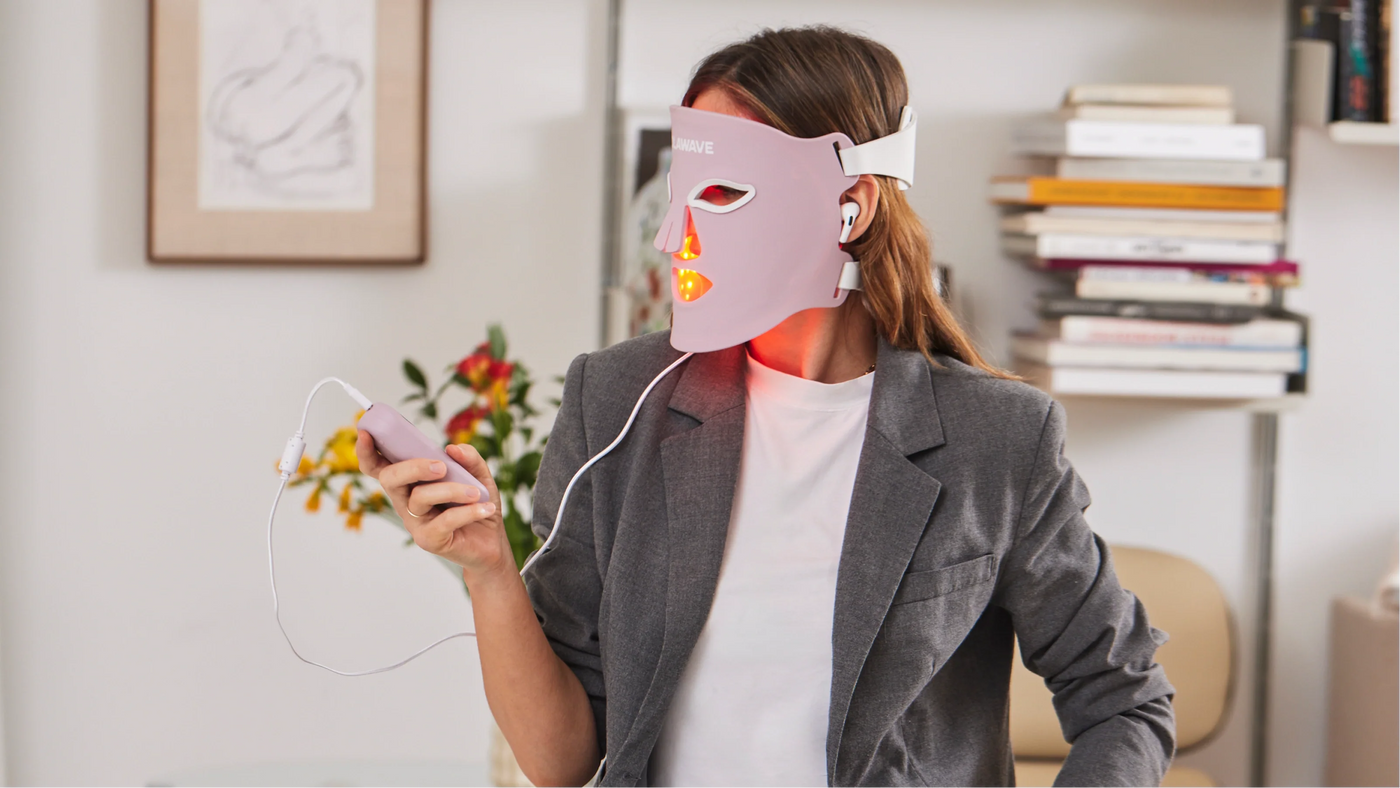
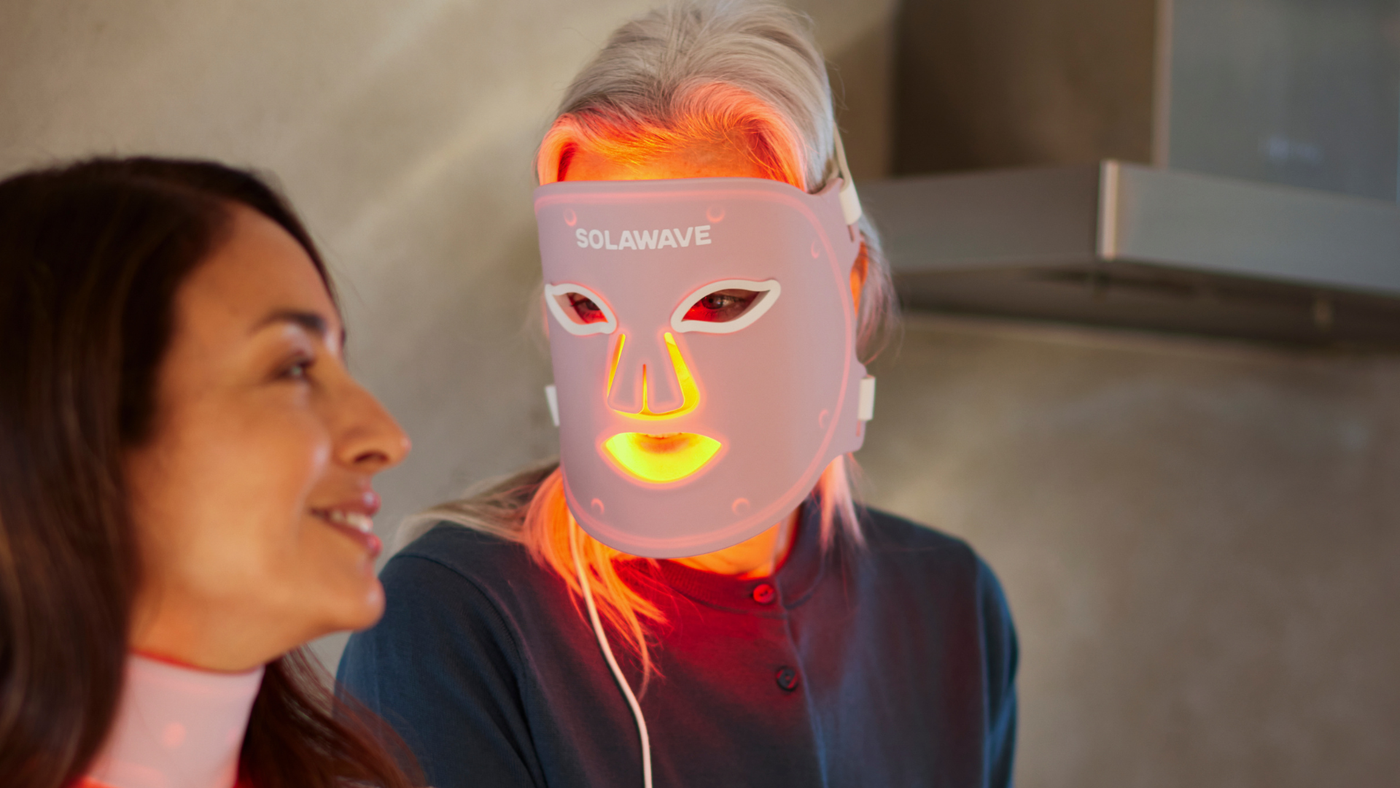
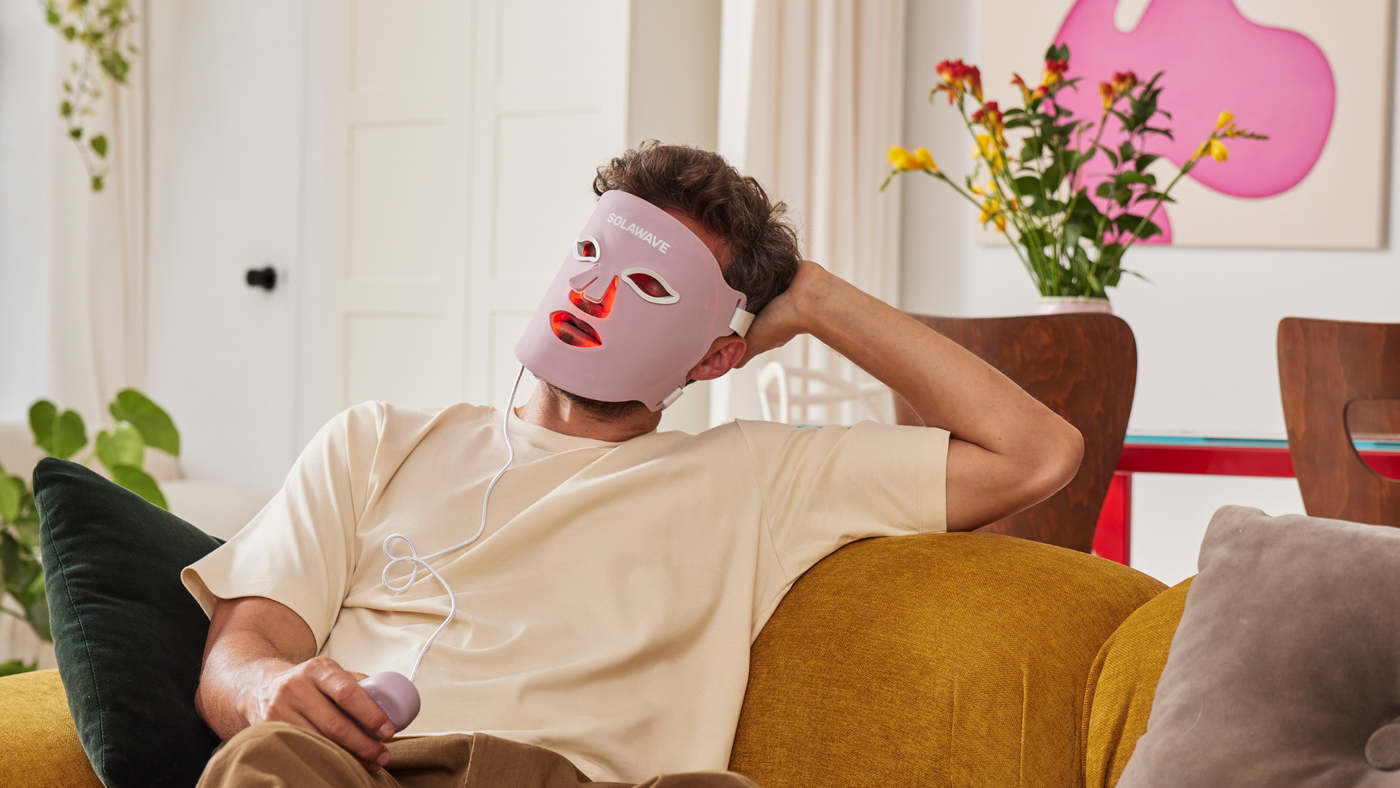
Use your light therapy device on clean, dry skin before applying your serums. The Wrinkle Retreat Pro LED Face Mask takes just 3 minutes per session and delivers four therapeutic wavelengths across the entire face with zero blind spots. Follow your session with your salicylic acid, then your hydrating serum to lock everything in.
For targeted treatment on active breakouts, the 4-in-1 Skincare Wand lets you focus red light therapy, galvanic current, therapeutic warmth, and facial massage on the exact zones that need it most.
Breakouts and congested skin don't stop at the jawline. The Neck & Chest Pro Light Therapy Mask brings the same quad-wavelength technology to the areas most routines neglect.
Salicylic acid increases photosensitivity. Daily SPF is essential, especially when combining exfoliating acids with any form of light-based skincare.
Salicylic acid clears the path. Light therapy and hydrating serums build on that foundation. When you pair a solid exfoliant with science-backed technology and targeted hydration, your skin gets the full support it needs to look clearer, smoother, and healthier over time.
Results may vary. Individual results are not guaranteed.
It can be, but start with a low concentration (0.5% to 1%) and use it two to three times per week. Always follow with a hydrating, fragrance-free serum to protect the skin barrier from dryness.
Yes. Salicylic acid exfoliates the skin surface, which can help LED light penetrate more effectively. Apply your salicylic acid after your light therapy session, then follow with a hydrating serum.
Hyaluronic acid and niacinamide are ideal partners. They replenish moisture, soothe inflammation, and support the skin barrier without interfering with salicylic acid's exfoliating action.
Most people start noticing fewer breakouts and smoother texture within four to six weeks of consistent use. Significant improvement in pore size and oil control often takes eight to twelve weeks.
Either works, but many dermatologists recommend nighttime use since the skin repairs itself while you sleep. If using it in the morning, always apply sunscreen as the final step.
Solawave's serum line focuses on hydrating and light-therapy-boosting formulas, including hyaluronic acid and niacinamide serums. These pair beautifully with a salicylic acid product from your existing routine, providing the hydration balance your skin needs after exfoliation.