Rated 4.7 out of 5 stars
4.7 / 5


726,000+ customers
Free 60-Day Returns
1-Year Warranty
726,000+ customers
Free 60-Day Returns
1-Year Warranty
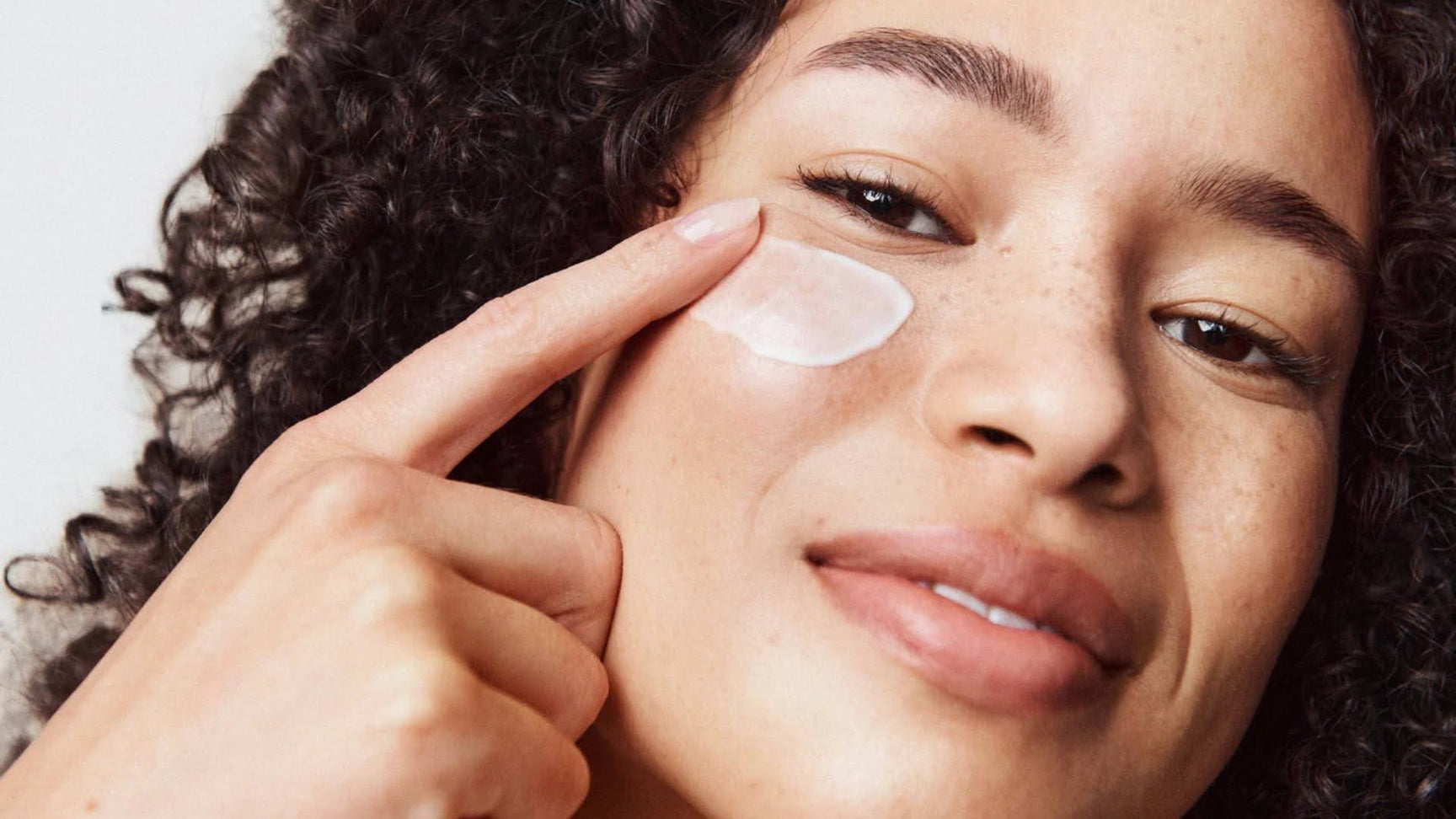
For decades, skincare operated on a simple premise: hide what you don't like. Conceal wrinkles. Mask discoloration. Fill in imperfections. Cover the evidence of aging and environmental damage with products that provided temporary illusion rather than a genuine change.
That era is ending. The regenerative beauty movement represents a fundamental shift in how we think about skincare, moving from surface-level concealment to actual tissue rebuilding. Instead of asking "how do I hide this?" the question becomes "how do I heal this?" The implications touch everything from product formulation to treatment technology to how we measure success.
Understanding where we're going requires acknowledging where we've been. Traditional skincare and cosmetics focused predominantly on immediate visual improvement.
Foundations covered uneven tone. Primers fill pores and fine lines temporarily. "Blurring" products scatter light to create optical illusions of smoothness. Even products marketed as treatment-focused often delivered primarily cosmetic benefits: temporary plumping from hyaluronic acid that deflated within hours, or surface smoothing from silicones that washed away at night.
This approach wasn't wrong exactly, but it was limited. It addressed symptoms rather than causes. It made skin look better momentarily without making skin actually healthier.
Several factors entrenched the cosmetic approach.
Speed of results mattered to consumers. A primer that fills wrinkles immediately is more satisfying than a treatment that requires eight weeks to show improvement. Marketing could promise instant transformation.
Measurement was easier. Before-and-after photos could demonstrate coverage immediately. Proving genuine tissue change required longer studies and more sophisticated measurements.
Technical limitations constrained alternatives. Until recently, we lacked both the understanding and the technology to meaningfully affect skin's regenerative capacity.
Over time, the shortcomings of pure concealment became apparent.
Daily covering didn't stop progression. Wrinkles still deepened. Discoloration still developed. Skin is still aged. The cosmetic layer just hid the ongoing deterioration.
Some cover-up products caused harm. Heavy foundations clogged pores. Certain ingredients sensitized the skin over time. The daily routine of covering and removing stressed skin rather than supporting it.
Consumers wanted more. As understanding of skin biology grew, people began asking whether they could actually change their skin rather than just paint over it.
The regenerative skincare trend represents a philosophical and practical shift toward supporting skin's inherent repair and renewal capabilities.
Regenerative beauty isn't just another marketing term. It describes an approach that works with skin's biology to enhance natural repair processes, stimulates production of structural components like collagen and elastin, supports cellular energy and function, promotes healthy turnover and renewal, and addresses underlying causes rather than surface symptoms.
The goal isn't hiding what's wrong but helping skin rebuild what's been lost or damaged.
According to dermatological research, skin possesses remarkable regenerative capacity. Cells continuously divide and differentiate. Collagen and elastin are constantly produced and remodeled. Wound healing demonstrates the body's ability to rebuild damaged tissue.
Aging and environmental damage impair these regenerative processes. Cellular energy production declines. Fibroblast activity decreases. Stem cell populations diminish. Inflammatory processes interfere with repair.
Regenerative beauty aims to restore and enhance these natural capabilities rather than masking their decline.
This transition manifests in several ways.
Ingredient focus shifts from cosmetic to biological. Instead of silicones that create temporary smoothness, formulations emphasize retinoids that stimulate actual collagen production. Instead of light-diffusing particles, products contain growth factors that support cellular function.
Technology becomes central. Devices that affect cellular energy, stimulate tissue response, or enhance delivery mechanisms move from professional settings to home use.
Timeframes extend. While cosmetic products promise instant results, regenerative approaches acknowledge that genuine tissue change requires consistent treatment over weeks and months.
Success metrics evolve. Rather than immediate visual improvement, regenerative approaches measure collagen density, cellular turnover rates, and other biological markers of genuine skin health.
The future of skincare innovation lies significantly in technologies that affect skin at the cellular and tissue levels.
Red light therapy exemplifies the regenerative approach by addressing skin function at its most fundamental level: cellular energy production.
Mitochondria, the powerhouses within cells, absorb red and near-infrared wavelengths. This stimulates increased ATP production, enhancing the energy available for all cellular processes, including collagen synthesis, repair mechanisms, and defense functions.
Rather than covering wrinkles, red light therapy supports the cellular machinery that produces the collagen needed to actually reduce them. Rather than masking inflammation, it helps modulate inflammatory pathways. The approach is biological rather than cosmetic.
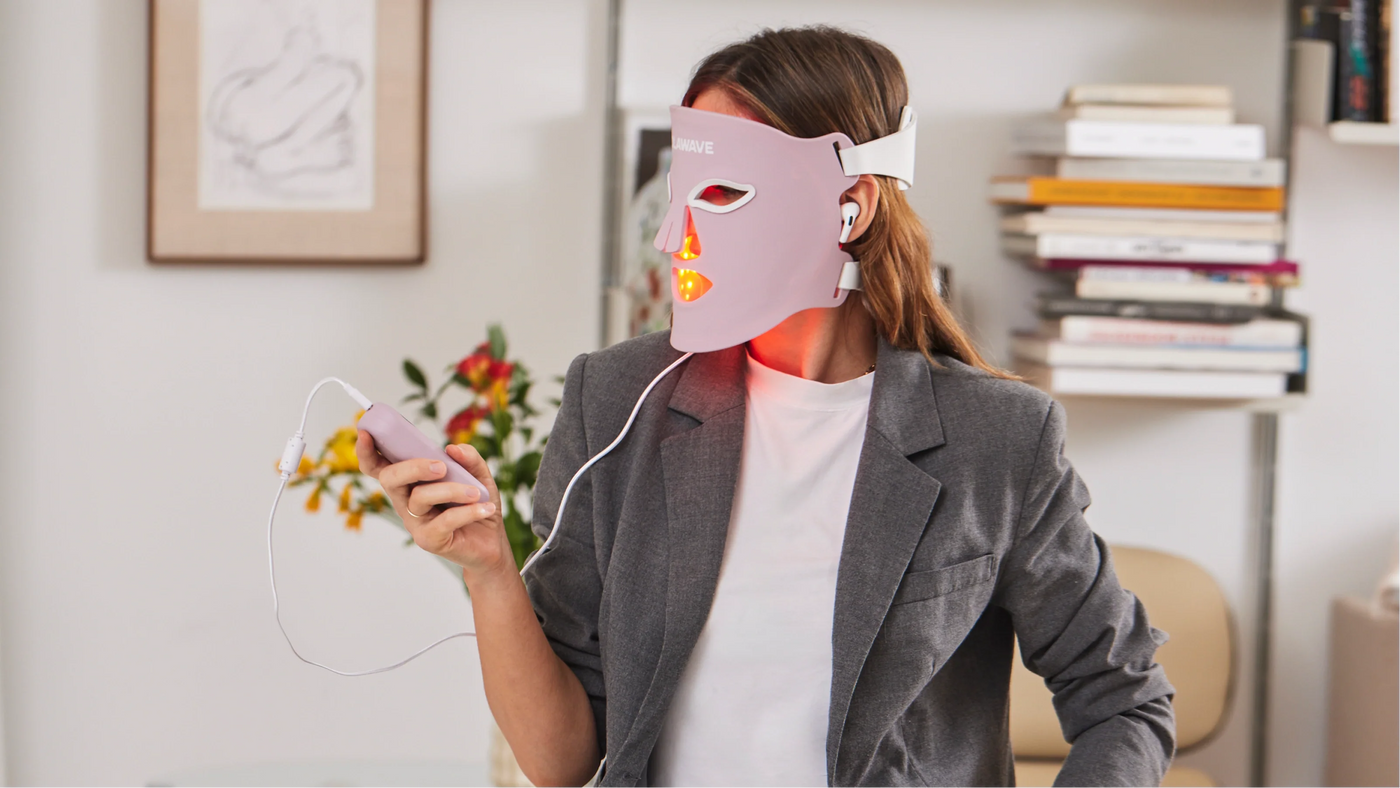
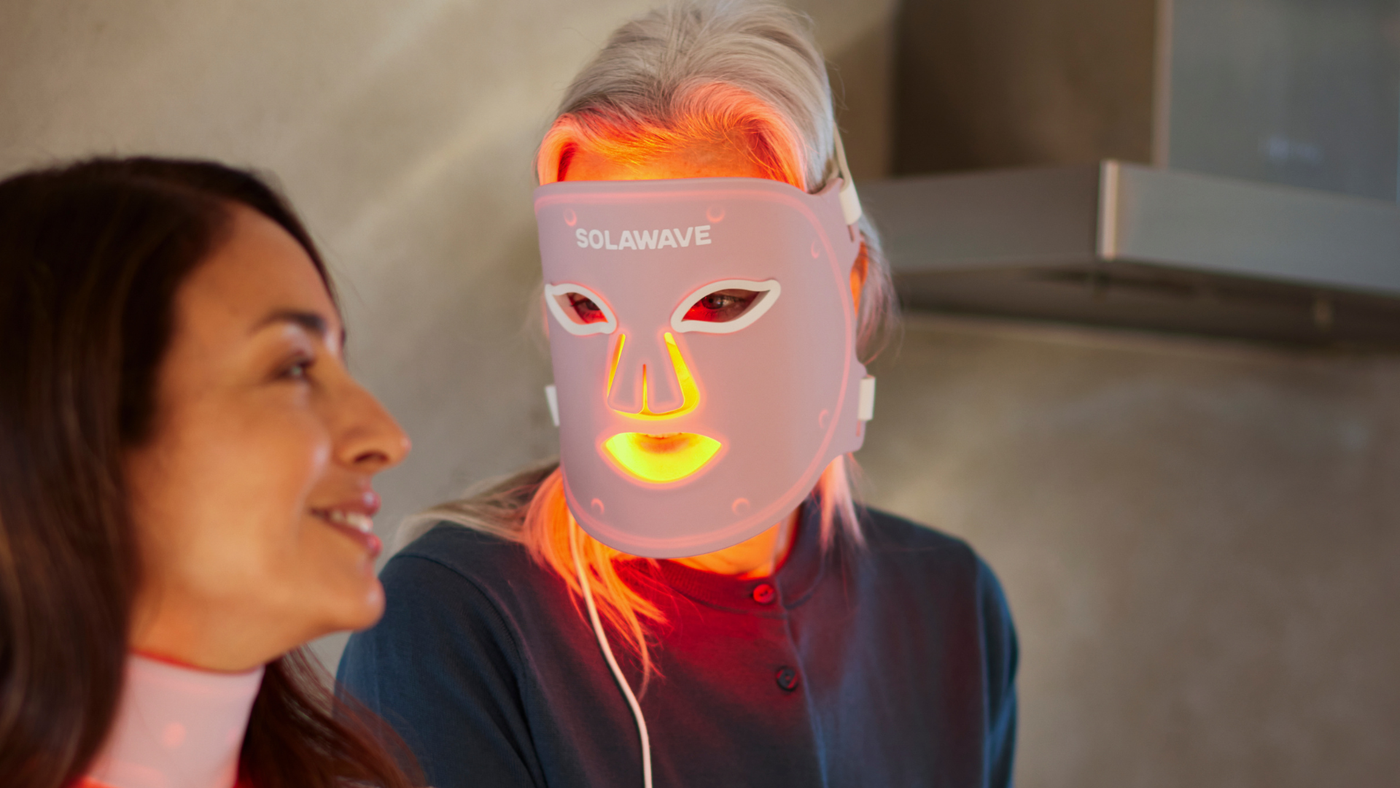
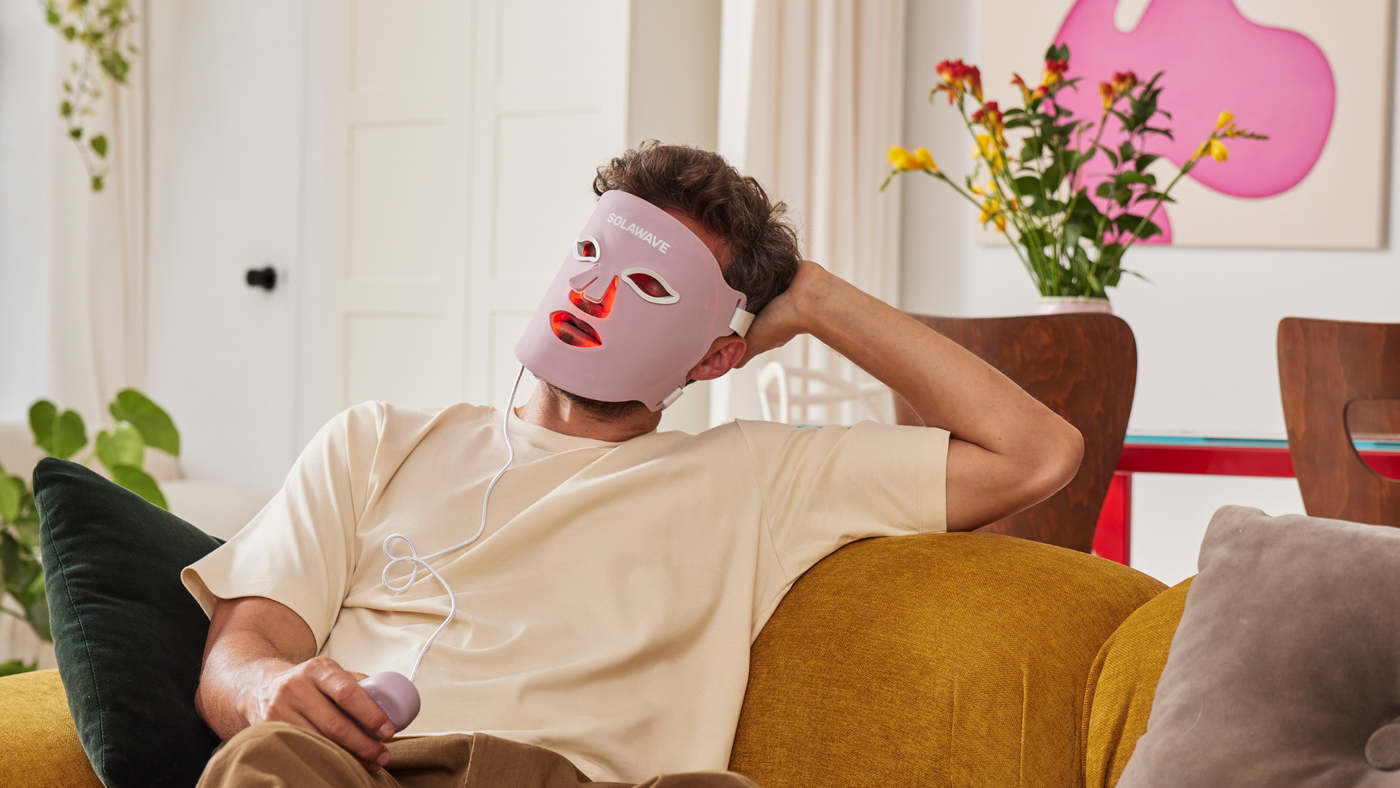
The Red Light Therapy Face Mask delivers four therapeutic wavelengths (Red 630nm, Deep Red 660nm, Amber 605nm, and Near-Infrared 830nm) through 320 medical-grade LEDs. FDA-cleared and requiring just 3-minute sessions, it represents accessible regenerative technology.
The red light therapy wand combines red light with galvanic current, therapeutic warmth, and galvanic current for multi-modal regenerative treatment. The wand requires a water-based serum like the LightBoost Activating Serum to activate all four technologies.
Regenerative ingredients only work if they reach their targets. Advanced delivery systems, including liposomal encapsulation, nanoparticles, and penetration enhancers, help active ingredients reach deeper skin layers where regenerative processes occur.
This represents another shift from cover-up to rebuild: rather than ingredients sitting on the surface, formulations are engineered to reach the tissue depths where change actually happens.
The regenerative approach has driven the development of ingredients that actively support biological processes.
Peptides signal cells to perform specific functions, essentially providing biological instructions that support collagen production or other regenerative activities.
Growth factors support cellular proliferation and tissue repair, providing the signaling molecules that coordinate regenerative responses.
Stem cell factors derived from plant or human stem cells may support the skin's own stem cell populations and their regenerative capacity.
Exosomes, tiny vesicles that carry cellular signals, represent an emerging category that may influence regenerative processes through cell-to-cell communication.
The regenerative skincare trend isn't just industry-driven. Consumer attitudes and expectations have fundamentally changed.
Consumers increasingly understand that genuine results require time. The expectation of instant transformation gives way to appreciation for progressive improvement through consistent treatment.
This represents a maturation in how people think about skincare. Rather than seeking magic bullets, they invest in sustainable practices that support long-term skin health.
The holistic understanding of skin health has expanded. Consumers recognize that skin reflects internal health, that stress and sleep affect appearance, and that nutrition matters. This systems thinking aligns naturally with regenerative approaches that address underlying function rather than surface symptoms.
The rise of home devices reflects consumers' desire to do more than apply products. They want to actively treat their skin, engaging with technologies that affect tissue in ways creams cannot. This proactive stance fits the regenerative ethos of building skin health rather than covering deficiencies.
Embracing regenerative beauty means restructuring how you approach skincare.
Regenerative routines prioritize skin health over aggressive correction. This means ensuring the barrier is intact before adding active treatments, supporting hydration and cellular function as foundational concerns, and treating skin gently rather than assaulting it with harsh actives.
The LightBoost Niacinamide Face and Neck Serum exemplifies this approach, providing niacinamide that supports barrier function and cellular health rather than aggressive correction.
Regenerative treatment goes beyond surface application. Red light therapy provides cellular energy support that enhances all other regenerative processes. Use consistently, 3-5 times weekly, as the foundation of your treatment approach.
Topical treatments should focus on ingredients with demonstrated biological activity. Retinoids stimulate collagen production through vitamin A pathways. Vitamin C supports collagen synthesis and provides antioxidant protection. Peptides provide signaling that supports regenerative processes.
Regeneration means little if you're constantly creating new damage. Sun protection becomes even more important in a regenerative framework because you're not just preventing aging but protecting the results of your regenerative efforts.
The LightBoost Face and Neck Cream provides intensive hydration and barrier support as part of a regenerative approach.
Different areas have different needs. The delicate eye area benefits from targeted treatment with the red light therapy eye mask and supportive products like the LightBoost Collagen Caffeine Eye Cream.
The neck and chest, often neglected in traditional routines, deserve regenerative attention. The Neck & Chest Rejuvenating Mask extends light therapy benefits to these areas prone to visible aging.
The regenerative beauty movement points toward where skincare is heading.
As we understand individual variation in skin biology, regenerative approaches will become increasingly personalized. Genetic testing may reveal which regenerative pathways an individual can best support. Skin analysis may identify specific deficits to target. Treatment protocols will be tailored rather than one-size-fits-all.
The future holds devices that combine multiple regenerative modalities in a single treatment. Light therapy plus galvanic current plus targeted delivery plus real-time monitoring might eventually integrate into sophisticated home devices that adapt to the skin's changing needs.
Biotechnology will produce increasingly sophisticated regenerative ingredients. Lab-grown growth factors identical to human versions, precisely engineered peptides that target specific regenerative pathways, and other advanced biologics will move from research to routine use.
Skin health will increasingly connect with overall health monitoring. Wearables might track factors affecting skin regeneration. Apps might coordinate skincare with sleep, stress, and nutrition data. The boundary between skincare and healthcare will blur.
Regenerative thinking extends beyond individual skin to environmental considerations. Products that regenerate skin while minimizing environmental impact align with broader regenerative values. Sustainable ingredients, minimal packaging, and low-impact manufacturing will become expectations rather than differentiators.
The regenerative approach requires new ways of evaluating results.
While visual improvement still matters, regenerative success includes metrics you can't see in photos. Skin that functions better, responds to challenges more effectively, and maintains health more consistently represents success even before visible changes appear.
How does your skin feel? Is it less reactive? Does it recover faster from stress or environmental exposure? Does it maintain hydration better? These functional improvements often precede and predict visible changes.
Regenerative thinking emphasizes trajectory over snapshot. Is your skin improving over months and years? Is the rate of aging slowing? Are you preventing damage that would have occurred without regenerative support? These long-term questions matter more than immediate, dramatic change.
How does your skin relate to your overall health? Are you sleeping better because your skin is more comfortable? Are you more confident because your skin feels genuinely healthy rather than just covered? Regenerative success extends beyond appearance to overall well-being.
All Solawave devices are FSA/HSA eligible and recommended by dermatologists, representing accessible entry points into regenerative skincare technology.
Beyond practical changes, regenerative beauty represents a deeper shift in how we relate to our skin and aging.
The aggressive language of anti-aging, fighting wrinkles, and battling time gives way to gentler concepts of support, restoration, and enhancement. We're not at war with our bodies but working with their inherent capabilities.
The impulse to conceal imperfections transforms into motivation to address underlying causes. Rather than pretending problems don't exist, we engage with them therapeutically.
The regenerative approach recognizes that skin already knows how to renew and repair. Rather than depending entirely on external products to create change, we support internal processes that produce lasting improvement.
The fantasy of overnight transformation gives way to appreciation for gradual, sustainable improvement. Like fitness or nutrition, regenerative skincare is a practice rather than a purchase.
The regenerative skincare trend represents more than a marketing evolution. It reflects fundamental changes in our understanding of skin biology, our technological capabilities, and our philosophical relationship with aging and appearance. The shift from cover-up to rebuild acknowledges that genuine skin health matters more than temporary concealment and that we now have tools to actually influence skin's regenerative capacity rather than merely hiding its decline.
Regenerative beauty is the future of skincare innovation because it addresses what people actually want: not the illusion of better skin but actually better skin. Technologies like red light therapy, formulations built around biological activity, and approaches that support rather than assault skin's natural processes will continue gaining ground as consumers recognize the difference between hiding problems and solving them. The era of pure cosmetic concealment isn't ending entirely, but it's being joined and increasingly superseded by approaches that work with skin's biology to rebuild what time and environment have worn away.
Ready to embrace regenerative skincare? Shop Solawave's skincare collection today.
Traditional anti-aging often focuses on cosmetic improvement: filling wrinkles, blurring imperfections, and creating temporary smoothness. Regenerative skincare aims to actually restore tissue function and structure by supporting cellular energy, stimulating collagen production, and enhancing the body's natural repair processes. The distinction is between hiding decline and reversing it through biological mechanisms.
Because regenerative approaches work through biological processes like collagen production and cellular renewal, results develop over weeks and months rather than instantly. Expect 8-12 weeks of consistent use before meaningful visible improvement, though functional improvements like better hydration retention or reduced sensitivity may appear sooner.
Not necessarily, and that's okay. There's nothing wrong with cosmetics that provide immediate aesthetic improvement. The regenerative approach simply adds another dimension focused on long-term tissue health. Many people combine both: regenerative treatments that build genuine skin health plus cosmetics for occasions when immediate enhancement is desired.
The regenerative concept is grounded in real biology. Skin does regenerate. Cellular energy does decline with age. Technologies like red light therapy do affect cellular function. However, like any category, some products use regenerative language without genuine regenerative action. Look for specific mechanisms of action, evidence support, and realistic claims rather than vague regenerative language alone.
Red light therapy exemplifies regenerative principles by addressing skin at the cellular level. Rather than cosmetically covering problems, it enhances mitochondrial function and cellular energy production, which supports all regenerative processes, including collagen synthesis, repair mechanisms, and healthy cell turnover. It's regenerative in the truest sense: supporting the body's inherent capacity to rebuild and renew.