Rated 4.7 out of 5 stars
4.7 / 5


726,000+ customers
Free 60-Day Returns
1-Year Warranty
726,000+ customers
Free 60-Day Returns
1-Year Warranty

You've tried every serum, committed to your routine, invested in quality products, yet your skin still isn't cooperating. The frustrating reality is that sometimes the answer isn't on your bathroom shelf. Sometimes it's in your gut.
The connection between gut health and skin has moved from alternative medicine speculation to mainstream dermatological understanding. Research increasingly confirms what holistic practitioners have long suggested: the trillions of microorganisms living in your digestive system profoundly influence your skin's appearance, behavior, and health.
Understanding this gut-skin axis doesn't mean abandoning topical skincare. It means recognizing that truly healthy skin requires addressing both external care and internal environment.
The relationship between your digestive system and your skin isn't metaphorical. It's biological, measurable, and increasingly well-documented.
Your gut houses trillions of microorganisms, including bacteria, fungi, viruses, and other microbes. Collectively called the gut microbiome, these organisms perform essential functions: digesting food, producing vitamins, training the immune system, and maintaining the gut barrier.
A healthy microbiome exists in balance, with beneficial organisms outnumbering potentially harmful ones. When this balance shifts, a state called dysbiosis, problems emerge throughout the body, including in the skin.
According to dermatological research, the gut and skin communicate through several pathways.
The immune system connection is significant because approximately 70% of immune cells reside in the gut. Gut dysbiosis can trigger systemic immune responses that manifest as skin inflammation, whether that appears as acne, eczema, rosacea, or general sensitivity.
The metabolic pathway matters because gut bacteria produce metabolites that enter the bloodstream and affect skin cells. Some metabolites are beneficial, supporting skin health. Others, particularly those from harmful bacteria, can trigger inflammation and oxidative stress.
The hormonal axis plays a role because gut bacteria influence hormone metabolism, including hormones that affect sebum production, skin thickness, and cellular turnover. Disrupted gut flora can create hormonal imbalances that show in the skin.
The nervous system connection exists because the gut contains millions of neurons, earning it the nickname "second brain." Gut-brain communication affects stress responses, which in turn affect skin through cortisol and other stress hormones.
Chronic low-grade inflammation increasingly appears as a common denominator in both gut dysbiosis and skin problems. An unhealthy gut allows inflammatory compounds to enter the bloodstream through a compromised gut barrier, sometimes called "leaky gut." These compounds travel throughout the body, triggering inflammation wherever they land, including in the skin.
This explains why gut problems so often coincide with skin problems. They share an underlying inflammatory cause.
Understanding how gut imbalances manifest in skin helps connect internal conditions to visible symptoms.
The relationship between gut health and acne is particularly well-established. Studies show that people with acne have measurably different gut microbiome compositions than those with clear skin.
Several mechanisms explain this connection. Gut dysbiosis increases systemic inflammation that triggers acne formation. Certain gut bacteria affect hormone metabolism, influencing sebum production. A compromised gut barrier allows endotoxins into the bloodstream that promote acne. Gut bacteria influence insulin sensitivity, and insulin affects acne through multiple pathways.
Treating only the skin while ignoring gut health often produces frustrating cycles of clearing and recurring breakouts.
Rosacea has strong gut associations. Research shows significantly higher rates of small intestinal bacterial overgrowth (SIBO) in rosacea patients. When SIBO is treated, rosacea often improves or resolves.
The flushing and inflammation characteristic of rosacea appear connected to inflammatory compounds produced by gut bacteria and to immune dysregulation that begins in the gut.
Eczema, particularly in children, correlates with gut microbiome composition. The diversity and balance of gut bacteria in early life influence eczema risk. Probiotics have shown benefit for eczema in multiple studies, further confirming the gut connection.
The barrier dysfunction central to eczema parallels gut barrier dysfunction, suggesting shared underlying mechanisms.
The effects of the microbiome on complexion extend to aging. Gut dysbiosis promotes systemic inflammation that accelerates aging throughout the body, including skin. The oxidative stress associated with gut imbalance damages collagen and accelerates the cellular aging processes that create wrinkles and loss of firmness.
Populations known for longevity and youthful aging consistently show diverse, healthy gut microbiomes. The connection appears causal rather than coincidental.
Even without specific conditions, gut health affects overall skin vitality. Nutrient absorption depends on gut health, and deficiencies show in skin quality. The energy and resources skin needs for healthy function depend partly on what the gut provides.
Dull, tired-looking skin that doesn't respond to topical products may be signaling gut issues that no serum can address.
Certain patterns suggest gut involvement in skin issues.
Skin problems that don't respond to appropriate topical treatment after an adequate time may indicate gut involvement.
Conditions that fluctuate with digestive symptoms suggest a connection. If skin worsens when digestion is off, the link becomes clearer.
Skin issues that appeared after antibiotics, dietary changes, or digestive illness often have gut roots since these events disrupt microbiome balance.
Inflammatory skin conditions that resist treatment frequently involve gut inflammation that perpetuates the cycle.
Skin problems accompanied by bloating, irregular bowel habits, or other digestive symptoms obviously point toward gut involvement.
Skin is an organ connected to every other system. Viewing skin problems in isolation, as purely topical issues, misses these connections. The healthiest approach considers skin as part of whole-body health.
Improving gut health can meaningfully impact skin, though results require patience as microbiome changes develop over weeks and months.
What you eat shapes your microbiome more than any other factor.
Fiber feeds beneficial bacteria. Diverse plant foods provide diverse fibers that support diverse microbiome populations. Aim for variety in vegetables, fruits, legumes, nuts, and whole grains.
Fermented foods provide probiotics directly. Yogurt, kefir, sauerkraut, kimchi, kombucha, and other fermented products introduce beneficial organisms to the gut.
Polyphenols from colorful plant foods support beneficial bacteria. These compounds also provide antioxidant benefits that help skin directly.
Limiting processed foods, excess sugar, and artificial additives protects microbiome balance. These inputs tend to favor harmful bacteria over beneficial ones.
Adequate hydration supports both gut and skin health. Water helps maintain the mucus layer that protects the gut lining and supports skin hydration from within.
Probiotic supplements can help, though strain selection matters. Different bacterial strains have different effects, and not all probiotics benefit skin specifically.
Research supports certain strains for skin conditions. Lactobacillus rhamnosus has shown benefit for eczema. Lactobacillus acidophilus and Bifidobacterium strains appear helpful for acne. Consultation with a healthcare provider can help identify appropriate options.
Probiotics work best alongside dietary improvements rather than as standalone interventions.
The gut-brain connection means stress directly impacts gut health. Chronic stress alters microbiome composition, increases gut permeability, and triggers inflammation.
Whatever stress management works for you, whether exercise, meditation, therapy, time in nature, or creative pursuits, also supports gut health and, by extension, skin health.
Sleep affects gut microbiome composition. Poor sleep disrupts the circadian rhythms that gut bacteria follow, leading to dysbiosis. Prioritizing sleep supports both gut and skin health through multiple mechanisms.
The gut-skin axis doesn't make topical skincare irrelevant. Instead, it adds context for why comprehensive approaches work best.
Optimal skin health requires both internal and external support. Gut health creates the internal environment that allows skin to thrive. Topical care provides direct support to skin cells and structures.
Neither alone produces the same results as both together.
While you work on gut health, topical skincare continues to provide essential support.
Hydration maintains skin function and appearance regardless of gut status. The LightBoost Activating Serum provides hyaluronic acid that supports skin hydration from the outside.
Barrier support helps skin protect itself. The LightBoost Niacinamide Face and Neck Serum delivers niacinamide for barrier strengthening alongside hydrating components.
Moisture sealing prevents transepidermal water loss. The LightBoost Face and Neck Cream provides intensive hydration that maintains skin condition.
Red light therapy supports skin at the cellular level, providing benefits that complement gut health improvements.
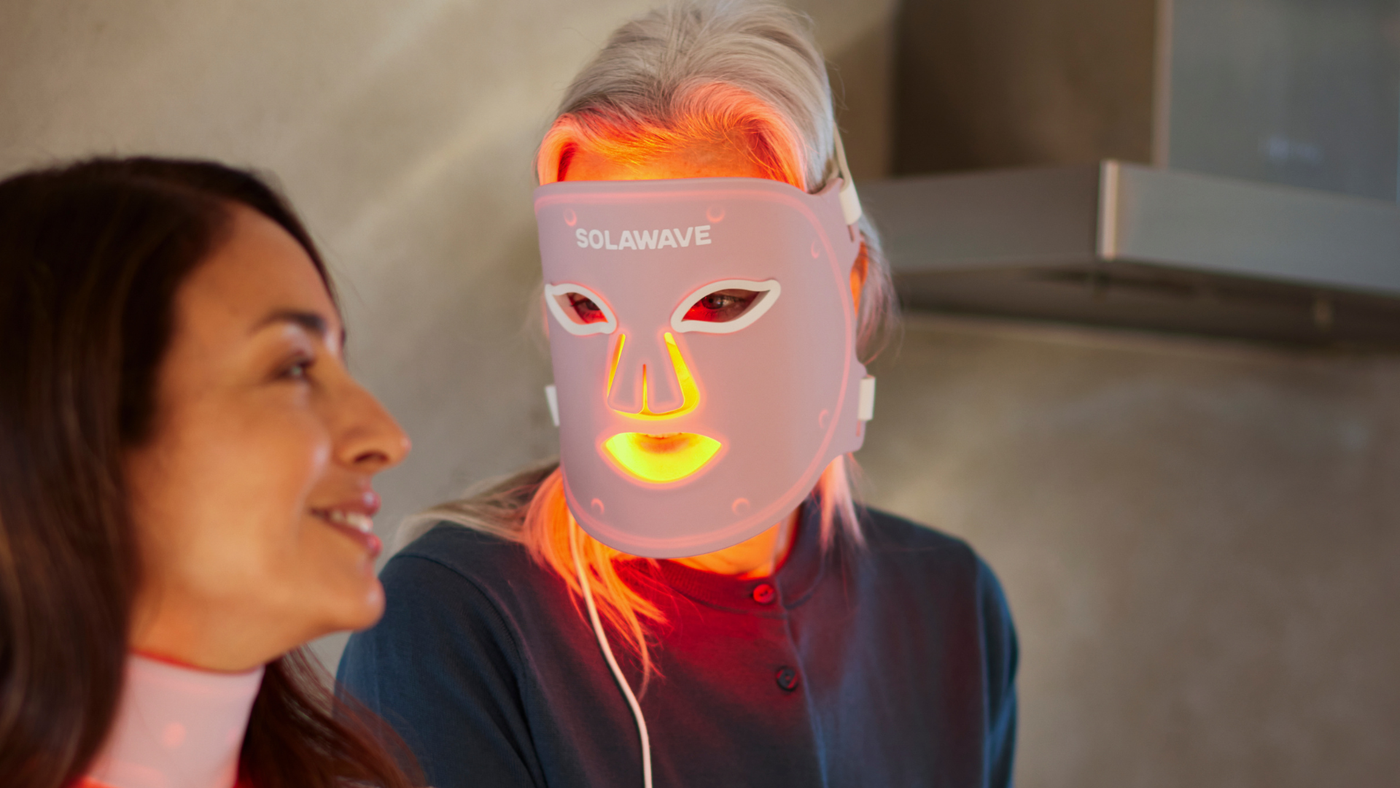
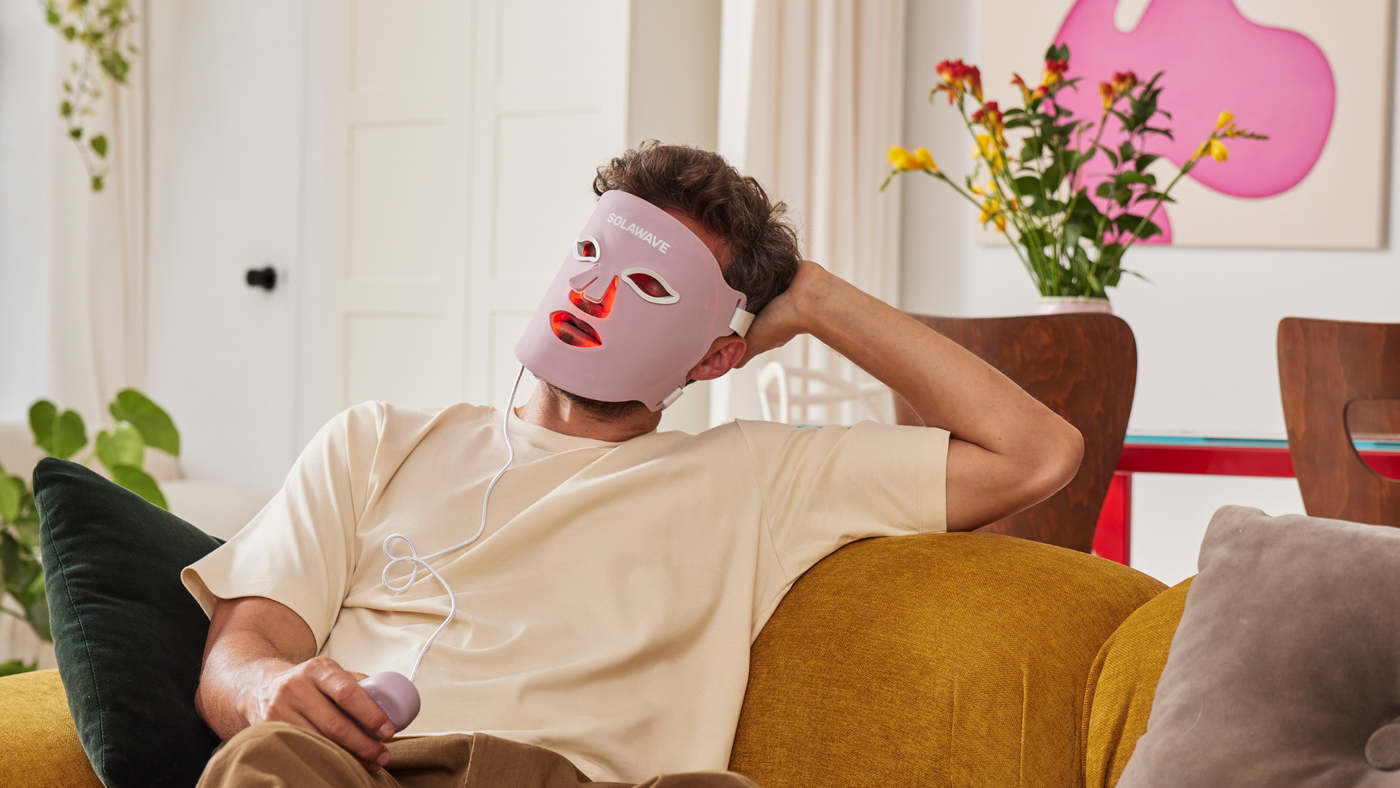
The Red Light Therapy Face Mask delivers four therapeutic wavelengths (Red 630nm, Deep Red 660nm, Amber 605nm, and Near-Infrared 830nm) through 320 medical-grade LEDs. FDA-cleared and requiring just 3-minute sessions, it supports cellular function that gut health alone cannot address.
For targeted treatment, the red light therapy wand combines red light with galvanic current, therapeutic warmth, and galvanic current. The wand requires a water-based serum to activate all four technologies.
According to research on photobiomodulation, red light therapy stimulates mitochondrial function, supporting the cellular energy production that skin needs for health and repair, regardless of gut status.
The eye area benefits from targeted attention. The red light therapy eye mask provides specific treatment for this delicate zone.
The LightBoost Collagen Caffeine Eye Cream delivers topical support with caffeine and collagen-supporting ingredients.
The neck and chest deserve attention, too. The Neck & Chest Rejuvenating Mask extends light therapy benefits to these commonly neglected areas.
Gut health improvements don't produce overnight skin changes. Understanding realistic timelines prevents frustration.
Gut microbiome composition can begin shifting within days of dietary changes, but meaningful rebalancing takes weeks to months. The effects on skin follow even further behind as inflammation calms and cellular function improves.
Expect to maintain gut-supporting practices for 2-3 months before evaluating skin results. Some people see faster improvement; others need longer. The relationship is real but not immediate.
Gut health requires ongoing maintenance. Unlike a medication course that ends, dietary and lifestyle practices that support the microbiome need to continue. The good news is these practices also support overall health, making them worth maintaining regardless of skin effects.
All Solawave devices are FSA/HSA eligible and recommended by dermatologists, providing ongoing skin support while gut health improvements develop.
Some situations warrant professional guidance.
Persistent skin conditions that don't respond to either topical treatment or gut health improvements deserve professional evaluation. Underlying conditions may require specific treatment.
Significant digestive symptoms accompanying skin problems warrant gastroenterological evaluation. Conditions like SIBO, inflammatory bowel disease, or other gut disorders may need specific diagnosis and treatment.
Practitioners who understand both gut health and dermatology can provide comprehensive guidance. Functional medicine practitioners, integrative dermatologists, and naturopathic doctors often specialize in these connections.
The gut-skin axis represents a fundamental shift in understanding skin health. Recognizing the effects of the microbiome on complexion explains why some skin problems resist topical treatment and why addressing internal health can produce external results. Gut health and skin exist in constant communication, with gut microbiome composition influencing inflammation, immune function, nutrient status, and hormonal balance, all of which manifest visibly in the skin. The relationship between microbiome and skincare isn't either/or. It's both. Internal support through diet, probiotics, stress management, and sleep creates the foundation. External support through appropriate products and device technology provides direct skin benefits. Together, they create conditions for skin to truly thrive.
Ready to support your skin from the outside while you work on the inside? Shop Solawave's skincare collection today.
Most people need 2-3 months of consistent gut-supporting practices before seeing clear skin improvements. The gut microbiome takes time to rebalance, and the effects on skin follow behind as inflammation decreases and cellular function improves. Some see faster results; others need longer. Patience and consistency are essential.
Probiotics can help, but rarely provide complete solutions alone. They work best as part of a comprehensive gut support, including dietary changes, stress management, and adequate sleep. Additionally, topical skincare continues to provide direct skin benefits that probiotics cannot replace. A combined approach produces the best results.
Acne, rosacea, and eczema have the strongest research connections to gut health. However, general skin quality, including texture, radiance, and aging signs, also relates to microbiome health. Even without diagnosed conditions, gut imbalances can manifest as dull, problematic skin.
No. Topical skincare continues to provide benefits regardless of gut involvement. While addressing gut health, maintain appropriate external care. The combination of internal and external support produces better results than either alone. Think of it as working on your skin from both directions simultaneously.
Signs that suggest gut involvement include skin problems that don't respond to appropriate topical treatment, conditions that fluctuate with digestive symptoms, skin issues that appeared after antibiotics or dietary changes, and inflammatory conditions that resist standard treatment. If digestive symptoms accompany skin problems, the connection becomes even more likely.