Rated 4.7 out of 5 stars
4.7 / 5


726,000+ customers
Free 60-Day Returns
1-Year Warranty
726,000+ customers
Free 60-Day Returns
1-Year Warranty

You've committed to your weight loss journey, whether through GLP-1 medications, lifestyle changes, or a combination of approaches. But while you're focused on the number on the scale, your skin is quietly adapting to significant changes. The difference between skin that bounces back beautifully and skin that sags and loses elasticity often comes down to one factor: proactive skincare during weight loss.
Building a weight loss skincare routine isn't vanity. It's strategic self-care that preserves your skin's health while you transform your body. Here's how to create a comprehensive approach that supports your skin every step of the way.
Understanding what happens to skin during weight loss helps explain why a dedicated GLP-1 skincare routine matters.
Your skin has been stretched to accommodate your body's current size. When you lose weight, especially rapidly, you're essentially asking skin to shrink and conform to a smaller frame. This requires:
Without adequate support, skin can't keep pace with these changes, resulting in laxity, crepiness, and a deflated appearance.
Weight loss typically involves caloric restriction, which can affect your body's ability to produce collagen and maintain skin health. According to dermatological research, adequate protein and specific nutrients are essential for collagen synthesis. When these are limited, skin may suffer alongside your shrinking waistline.
Rapid weight loss, particularly common with GLP-1 medications like Ozempic, Wegovy, and Mounjaro, presents a greater challenge than gradual weight loss. Your skin simply doesn't have time to adapt when pounds drop quickly. A proactive collagen support plan helps mitigate this challenge.
Weight loss affects hormone levels, which in turn influence skin health. Changes in estrogen, testosterone, and cortisol can affect oil production, collagen synthesis, and skin barrier function. Your skincare routine needs to account for these shifts.
Before building your weight loss skincare routine, assess your current skin condition and goals.
Consider these factors:
Skin Type: Is your skin oily, dry, combination, or normal? Weight loss can shift your skin type as hormone levels change.
Current Concerns: Do you have existing issues like acne, hyperpigmentation, or sensitivity that need attention?
Age: Older skin has less collagen production capacity and may need more aggressive support.
Weight Loss Method: GLP-1 medications often produce faster results, requiring more proactive skin support than gradual lifestyle-based weight loss.
Target Areas: Where do you carry weight? These areas will experience the most significant skin changes.
A good skincare during weight loss approach can:
It cannot:
Your morning routine focuses on protection and hydration to support skin throughout the day.
Start with a gentle, hydrating cleanser that removes overnight buildup without stripping your skin barrier. Avoid harsh, foaming cleansers that can compromise skin integrity.
Why it matters for weight loss: A healthy skin barrier retains moisture better, keeping skin plump and resilient during body composition changes.
Apply a vitamin C serum to protect against environmental damage and support collagen synthesis. Vitamin C is essential for the enzymatic reactions that create collagen fibers.
Why it matters for weight loss: Your body needs all the collagen support it can get while adapting to a smaller frame. Vitamin C provides the raw materials for this process.
Apply a hyaluronic acid serum to damp skin. This humectant draws moisture into skin cells, creating a plumping effect that minimizes the appearance of fine lines and crepiness.
Why it matters for weight loss: Hydrated skin looks firmer and healthier. Dehydration emphasizes every sign of skin laxity.
Layer a peptide-rich serum or moisturizer. Peptides are signaling molecules that tell your skin cells to produce more collagen and elastin.
Why it matters for weight loss: Peptides actively stimulate the collagen production your skin needs to adapt to volume changes.
The LightBoost Niacinamide Face and Neck Serum combines niacinamide with supportive ingredients to strengthen your skin barrier while providing essential hydration. This is particularly valuable during weight loss when the skin is under stress.
Seal everything in with a moisturizer appropriate for your skin type. During weight loss, even oily skin types may benefit from richer formulations than usual.
Why it matters for weight loss: Moisturizer creates an occlusive layer that prevents transepidermal water loss, keeping all those hydrating ingredients locked in.
Finish with broad-spectrum SPF 30 or higher. This is non-negotiable.
Why it matters for weight loss: UV exposure breaks down collagen and elastin. When your body is already challenged to maintain these proteins during weight loss, sun damage accelerates the problem exponentially.
Your evening routine is where the real transformation work happens. This is when you incorporate active treatments and technologies that stimulate collagen and repair skin.
Start with an oil-based cleanser to remove sunscreen and makeup, followed by a gentle water-based cleanser for a thorough but non-stripping clean.
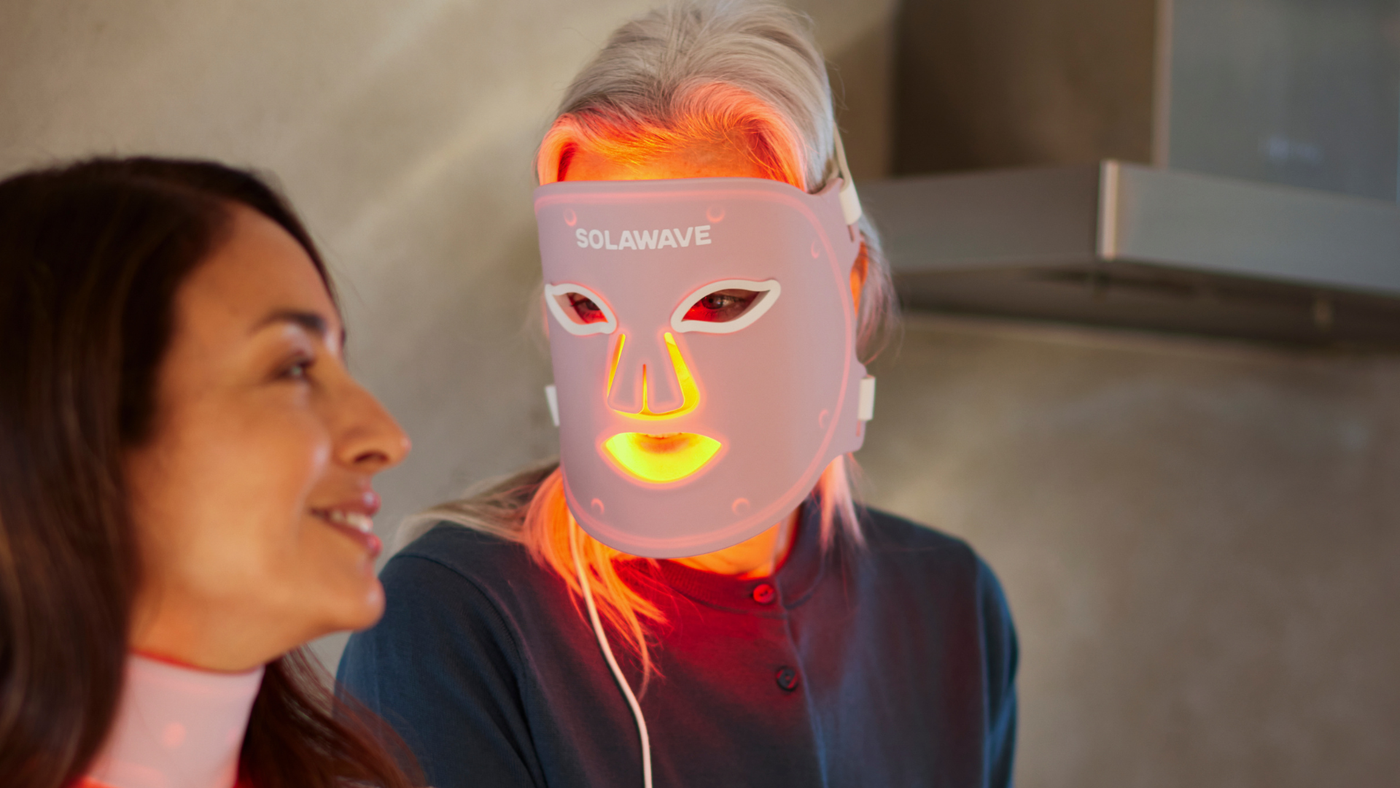
This is the cornerstone of your collagen support plan. Red light therapy stimulates mitochondrial function, increasing cellular energy production and collagen synthesis.
The Red Light Therapy Face Mask features 320 medical-grade LEDs delivering four therapeutic wavelengths: Red (630nm), Deep Red (660nm), Amber (605nm), and Near-Infrared (830nm). FDA-cleared and designed for full-face coverage, it provides comprehensive treatment in just 3-minute sessions.
For targeted treatment of specific areas showing early signs of laxity, the red light therapy wand combines red light with facial massage, therapeutic warmth, and galvanic current. This multi-technology approach addresses skin concerns from multiple angles. The wand requires a water-based serum like the LightBoost Activating Serum to work properly and activate all four technologies.
Why it matters for weight loss: Red light therapy directly stimulates the collagen production your skin desperately needs during weight loss. Consistent use helps skin adapt to changing body contours.
After light therapy, apply your active treatment serums. Options include:
Retinol/Retinoids: The gold standard for collagen stimulation. Start slowly (2-3 times weekly) and build tolerance.
Growth Factors: Signal skin cells to regenerate and repair.
Additional Peptides: Layer different peptide formulations for comprehensive signaling.
The delicate eye area often shows weight loss changes first. Apply a dedicated eye cream using gentle tapping motions.
The LightBoost Collagen Caffeine Eye Cream addresses hollowness, dark circles, and crepiness that can develop around the eyes during weight loss.
For targeted eye area treatment, the red light therapy eye mask delivers therapeutic wavelengths to this sensitive zone.
Finish with a richer night cream that provides intensive hydration while you sleep.
The LightBoost Face and Neck Cream delivers deep moisture to support overnight repair and regeneration.
A comprehensive weight loss skincare routine extends beyond the face. Weight loss affects skin throughout your body.
The neck and décolleté are particularly vulnerable to laxity during weight loss. These areas have thinner skin with fewer oil glands, making them prone to crepiness and sagging.
The Neck & Chest Rejuvenating Mask targets these often-neglected areas with medical-grade LEDs for visible improvement in skin texture and firmness.
Extend your facial serums and moisturizers to your neck and chest daily. Apply SPF to these areas whenever they're exposed.
Areas experiencing significant fat loss, such as the abdomen, upper arms, and thighs, benefit from targeted care:
Beyond daily care, incorporate these weekly treatments into your GLP-1 skincare routine:
Gentle chemical exfoliation removes dead skin cells, improving product penetration and stimulating cellular turnover. Choose AHAs (glycolic, lactic acid) or PHAs (gentler option) based on your skin's tolerance.
Why it matters for weight loss: Fresh, healthy skin cells are better equipped to produce collagen and adapt to changes.
Sheet masks or leave-on hydrating masks provide an intensive moisture boost that supports skin elasticity.
Masks or treatments containing ingredients like DMAE, caffeine, or firming peptides can provide temporary tightening effects while supporting long-term improvement.
Your skincare during weight loss extends to what you eat. Even with caloric restriction, prioritize these skin-supporting nutrients:
Collagen is a protein, and your body needs amino acids to build it. Aim for at least 0.8-1 gram of protein per pound of body weight daily. Include collagen-rich foods like bone broth or consider collagen peptide supplements.
Essential for collagen synthesis. Include citrus fruits, berries, bell peppers, and leafy greens daily.
Support skin barrier function and reduce inflammation. Include fatty fish, walnuts, flaxseed, or consider supplementation.
Necessary for collagen production and wound healing. Found in oysters, beef, pumpkin seeds, and legumes.
Works with vitamin C in collagen formation. Found in shellfish, nuts, seeds, and dark chocolate.
Drink adequate water daily. Dehydrated skin cannot function optimally or produce collagen efficiently.
Your collagen support plan extends beyond products and nutrition:
During sleep, your body produces growth hormone and engages in cellular repair. Aim for 7-9 hours nightly to support skin regeneration.
Chronic stress elevates cortisol, which breaks down collagen. Incorporate stress-reduction practices like meditation, yoga, or regular walks.
Moderate exercise improves circulation, delivering nutrients to skin cells. However, extreme exercise during significant caloric restriction can stress the body further. Find balance.
Both accelerate collagen breakdown and impair skin health. If you're investing in skin support, these habits work against your efforts.
Setting realistic expectations helps you stay committed to your weight loss skincare routine.
All Solawave devices are FSA/HSA eligible and recommended by dermatologists, making professional-grade treatment accessible throughout your weight loss journey.
While an at-home routine provides significant support, consider consulting a dermatologist if:
A proactive weight loss skincare routine is an investment in your complete transformation. By implementing a comprehensive GLP-1 skincare routine that includes collagen-stimulating treatments like red light therapy, hydrating products, protective measures, and nutritional support, you give your skin the best possible chance to adapt beautifully to your changing body. Starting your collagen support plan early, ideally before significant weight loss occurs, provides the greatest benefit, but it's never too late to begin skincare during weight loss. With consistency and patience, you can achieve your weight loss goals while maintaining skin that looks healthy, firm, and radiant.
Ready to support your skin through your weight loss journey? Shop Solawave's skincare collection today.
Ideally, start your weight loss skincare routine before or at the very beginning of your weight loss journey. Proactive support gives your skin the best chance to adapt as changes occur. However, starting at any point provides a benefit. It's never too late to begin supporting your skin.
Skincare can significantly minimize the severity of skin laxity and support skin's adaptation to volume changes, but it cannot completely prevent loose skin from significant weight loss. The degree of improvement depends on factors including age, genetics, amount of weight lost, speed of loss, and consistency of your routine.
You don't need expensive products for effective support. Focus on key categories: gentle cleanser, vitamin C, hyaluronic acid, peptides, retinol, moisturizer, and SPF. Invest more in treatment devices like red light therapy that provide long-term value. FDA-cleared devices like those from Solawave are one-time purchases that deliver ongoing benefits.
Your routine may need adjustments as your skin changes. Weight loss can shift your skin type, making oily skin drier or vice versa. Pay attention to how your skin responds and adjust product textures and frequencies accordingly. The core principles (collagen support, hydration, protection) remain constant.
Red light therapy stimulates collagen and elastin production at the cellular level, providing exactly what skin needs to adapt to reduced volume. Energizing fibroblasts (collagen-producing cells), it helps skin remodel and tighten rather than simply hanging loose. Consistent use throughout your weight loss journey provides cumulative benefits.