Rated 4.7 out of 5 stars
4.7 / 5


726,000+ customers
Free 60-Day Returns
1-Year Warranty
726,000+ customers
Free 60-Day Returns
1-Year Warranty
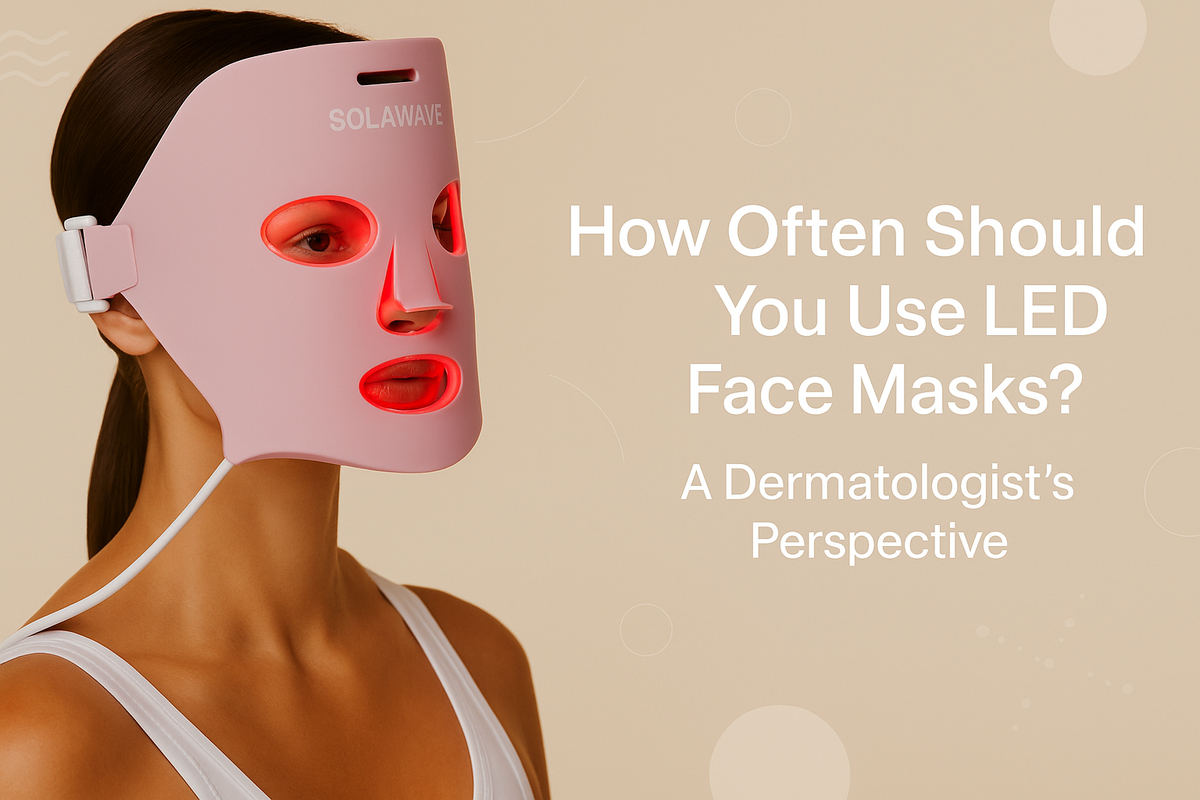
For most people, using an LED face mask 3 to 5 times per week delivers the best results. This frequency gives skin cells consistent light exposure through photobiomodulation while allowing adequate recovery time between sessions.
Beginner phase (weeks 1– 4): Start with 3 sessions per week to let your skin adapt to red and near-infrared wavelengths. Sessions of 10 to 20 minutes — or the full automated cycle on your specific device — are sufficient. Do not extend session time beyond the manufacturer's recommended duration; additional exposure does not accelerate results and may cause mild dryness.
Active phase (weeks 4–12): Once skin has adjusted, increase to 4 to 5 sessions per week. This is the period when collagen stimulation, reduced redness, and improved skin texture become most visible. Consistency matters more than intensity during this phase.
Maintenance phase (after 12 weeks): Reduce to 1 to 3 sessions per week to preserve results without overstimulating skin cells. Think of it as upkeep rather than treatment.
Signs you may be overdoing it: If you notice tightness, increased dryness, or plateaued results despite daily use, space sessions further apart. LED therapy follows a biphasic dose response — cells can only absorb a beneficial amount of light energy per session, and more is not always better.
Morning or evening? Either works. Evening sessions pair naturally with post-treatment serum application, as skin undergoes repair while you sleep. Morning sessions can be incorporated before SPF application.
LED light therapy masks have become a staple in modern skincare, delivering visible improvements in skin texture, firmness, and radiance. But the most common question customers ask is: how often should you use an LED face mask for optimal results? This article, informed by leading research and dermatologists' opinions, explores the science, best routines, and expert advice for getting the most from your Red Light Therapy mask.
LED face masks use targeted wavelengths of red and near-infrared light to penetrate the skin, stimulating cellular processes that drive rejuvenation. Red light, typically in the 600 to 700nm range, reaches deep into the skin, energizing skin cells and supporting collagen and elastin production. This process, known as photobiomodulation, is the foundation of the mask's anti-aging and skin health benefits.
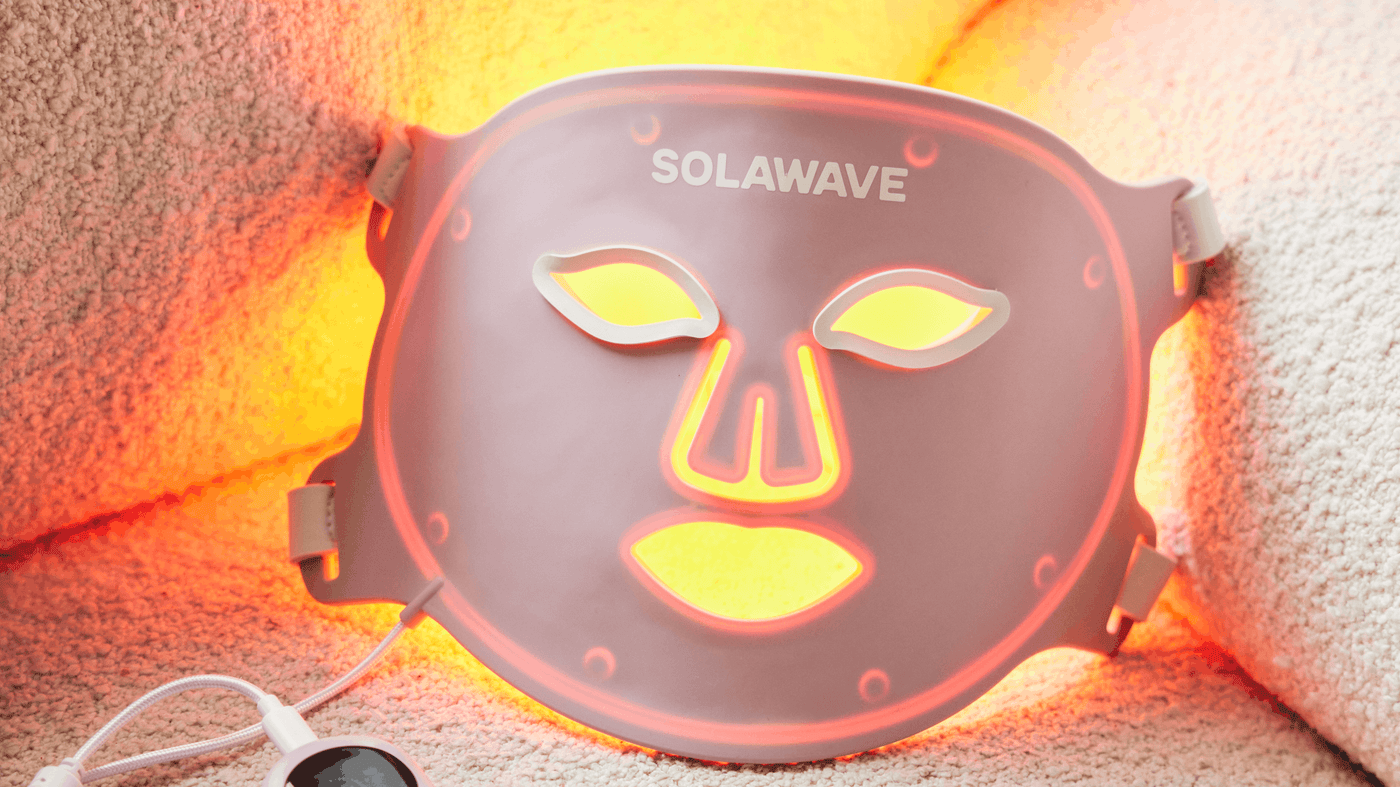
The Solawave red light therapy face mask uses 320 medical-grade LEDs to deliver four targeted wavelengths in a single session: Amber (605nm) to calm redness and promote even tone, Red (630nm) to visibly reduce fine lines and wrinkles, Deep Red (660nm) to target signs of aging and support rejuvenation, and Near-Infrared (830nm) to penetrate deeper and promote radiance from within. All of this is delivered in just 3 minutes per session, making it one of the fastest and most convenient options on the market.
|
Phase |
Frequency |
Session Length |
Best For |
|
Beginner (Weeks 1 to 4) |
3x per week |
3 minutes (Wrinkle Retreat Pro auto-timer) |
Letting skin adjust to red and near-infrared wavelengths |
|
Active (Weeks 4 to 12) |
4 to 5x per week |
3 minutes |
Fine lines, firmness, and tone. The phase where changes become most visible |
|
Maintenance (After Week 12) |
1 to 3x per week |
3 minutes |
Preserving results without overstimulating skin cells |
|
Acne-Prone Skin |
3 to 4x per week, evenings |
3 minutes |
Pair with Bye Acne 3-Minute Spot Treatment (Blue 415nm + Red Light) for targeted breakouts |
|
Sensitive or Rosacea-Prone Skin |
Start at 2x per week |
3 minutes |
Patch test first. Increase gradually only if no irritation occurs |
Research supporting the effectiveness of LED face masks continues to grow. A randomized controlled trial found that participants using home-use LED devices at 637nm and 854nm wavelengths experienced significantly higher skin elasticity after 6 and 8 weeks, respectively, compared to a control group. This supports the conclusion that consistent LED face mask use yields measurable improvements in skin firmness.
A 2024 review highlighted that Red Light Therapy masks reduce the appearance of wrinkles, enhance skin firmness, and improve overall skin texture. Another study published in 2023 demonstrated that red light photobiomodulation can reverse visible signs of aging within just one month of use by stimulating collagen and elastin synthesis in the skin.
At the cellular level, red light activates cytochrome c oxidase in skin cells, increasing energy production and enhancing cell metabolism and repair. This mechanism is linked to increased fibroblast activity, collagen production, and improved tissue regeneration.
Red Light Therapy has also shown promise in reducing inflammation and supporting acne treatment, especially when combined with Blue Light Therapy. The anti-inflammatory effect helps calm redness, support healing, and minimize the appearance of post-acne marks.
Clinical studies and dermatologist reviews agree that LED face masks are generally safe for most people, with a very low risk of side effects when used as directed. Overuse or misuse, however, can lead to temporary skin irritation or dryness, which is why following recommended frequency guidelines matters.
Dermatologists widely support the use of Red Light Therapy masks for skin health, particularly for anti-aging and inflammation reduction.
Leading dermatologists have noted that red light therapy is primarily valued for its anti-aging benefits, including collagen stimulation and reduced inflammation. Board-certified dermatologists have observed that Red Light Therapy can reduce the appearance of wrinkles, pigmentation, and broken blood vessels while improving the skin's elasticity and hydration. The scientific consensus is that red and near-infrared wavelengths help reduce inflammation and support collagen production at the cellular level.
The American Academy of Dermatology has reported that the vast majority of patients in studies noticed improvement, including softer and smoother skin, less redness, and lightening of dark spots.
These endorsements reflect a growing professional consensus that LED face masks are a positive addition to a skincare routine, provided customers follow proper guidelines and device instructions.
Most studies and dermatologists recommend using an LED face mask 3 to 5 times per week for the best results. This frequency allows your skin to benefit from consistent light exposure while having adequate time to respond between sessions.
Consistency is essential. Sporadic sessions may delay or diminish results, while once-a-week use is unlikely to deliver the visible improvements most customers are looking for. Building regular sessions into your weekly routine is what drives real, noticeable changes in your skin over time.
The Solawave red light therapy face mask completes a full treatment in just 3 minutes, making it exceptionally easy to maintain this recommended frequency even on the busiest days.
Always follow the manufacturer's instructions for your specific device. Different masks have different session lengths and power outputs, so adhering to the guidelines that came with your device ensures both safety and effectiveness.
If you have sensitive or reactive skin, begin with 2 to 3 sessions per week and monitor your skin's response. If irritation occurs, reduce the frequency and consult a dermatologist. Many customers with sensitive skin use Solawave devices safely and effectively by starting slowly and building up to the recommended 3 to 5 sessions per week.
While the general recommendation of 3 to 5 sessions per week applies across Solawave's product line, each device has its own session length, pre-treatment requirements, and usage guidelines. Here is the device-by-device breakdown.
Frequency: 3 to 5 times per week
Session length: 3 minutes (auto-timer shuts off automatically)
Wavelengths: Amber (605nm), Red (630nm), Deep Red (660nm), Near-Infrared (830nm)
LEDs: 320 medical-grade LEDs powered by 160 dual-core chips
Irradiance: 65mw/cm²
Pre-treatment: Clean, dry skin only. No products applied beforehand.
Post-treatment: LightBoost Niacinamide Face and Neck Serum, LightBoost Collagen Caffeine Eye Cream, LightBoost Face and Neck Cream. In the morning, finish with broad-spectrum sunscreen.
Best for: Full-face anti-aging, fine lines, wrinkles, uneven tone, overall radiance. This is the best starting device for customers new to Light Therapy because it is completely hands-free, requires no technique, and completes a session in just 3 minutes.
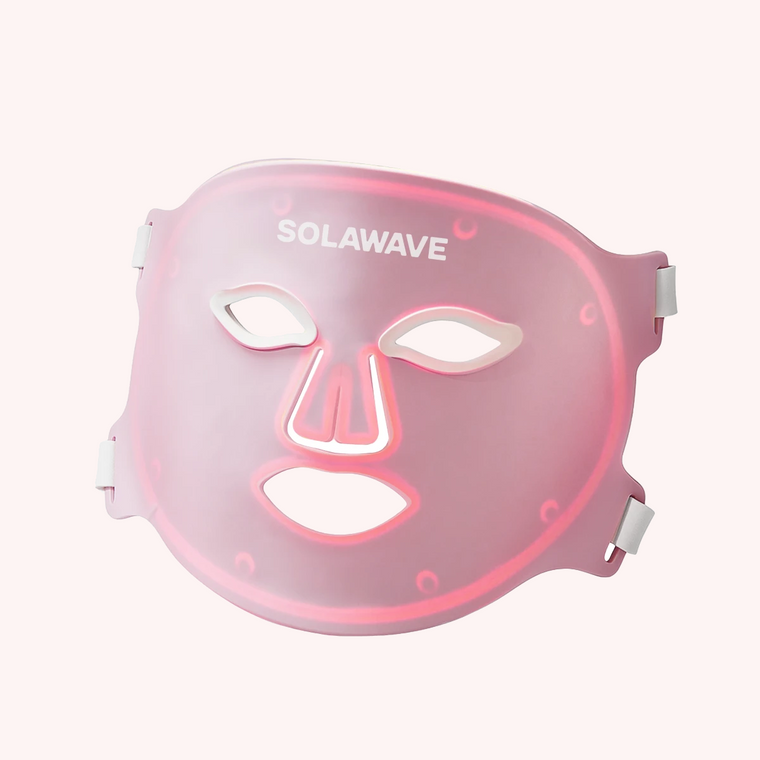


Frequency: 3 to 5 times per week
Session length: 3 minutes (auto-timer shuts off automatically)
Wavelengths: Amber (605nm), Red (630nm), Deep Red (660nm), Near-Infrared (880nm)
LEDs: 80 LEDs powered by 40 dual-core chips
Pre-treatment: Clean, dry skin only. No products applied beforehand.
Post-treatment: LightBoost Collagen Caffeine Eye Cream
Best for: Dark circles, puffiness, crow's feet, frown lines, 11 lines. The eye area is one of the first places to show visible signs of aging, and a dedicated eye mask delivers targeted wavelengths to this delicate skin more effectively than a full-face mask alone.

Frequency: 3 to 5 times per week
Session length: Auto-timer shuts off automatically
Wavelengths: Red (630nm), Near-Infrared (830nm)
Pre-treatment: Clean, dry skin only. No products applied beforehand.
Post-treatment: LightBoost Face and Neck Cream
Best for: Neck and chest fine lines, sagging, crepey texture, uneven tone, dark spots. The neck and chest are frequently exposed to sun damage and often neglected in daily skincare routines, making them among the first areas to show visible signs of aging. This mask is designed specifically for the thinner, more delicate skin below the jawline.

Frequency: 3 to 5 times per week
Session length: 3 minutes per zone, 12 minutes total across four facial zones (forehead, cheeks, jawline, eye area)
Wavelength: Red (630nm)
LEDs: 14 LEDs powered by 7 dual-core chips
Technologies: Red Light Therapy, therapeutic warmth, galvanic current, facial massage
Pre-treatment: Apply LightBoost Activating Serum before every session. This is required, not optional. The galvanic current technology needs a water-based serum to conduct the current and to allow the wand to glide smoothly across the skin. Without it, the galvanic current cannot function as intended.
Post-treatment: LightBoost Niacinamide Face and Neck Serum, LightBoost Face and Neck Cream
Best for: Targeted treatment of specific areas like smile lines, forehead, jawline, and the eye area. The wand is ideal for customers who want to focus extra attention on particular zones of concern. Its four combined technologies deliver a more targeted, customizable session compared to the hands-free masks.


Many customers use several Solawave devices in a single routine for the most comprehensive results. A typical combined session might look like this.
Start with the face mask on clean, dry skin (3 minutes). Follow with the eye mask on clean, dry skin (3 minutes). Add the neck mask to clean, dry skin. If using the wand for targeted areas, apply the LightBoost Activating Serum and complete your wand session (12 minutes). After all device sessions are complete, apply your full post-treatment skincare routine.
Using multiple mask devices on the same day is safe because each targets a different treatment area. The total combined session time remains short and manageable, and the frequency recommendation of 3 to 5 times per week applies to the overall routine, not to each device individually.
Cleanse thoroughly. Remove all makeup, sunscreen, and impurities so the light can penetrate effectively. Use the mask on clean, dry skin with no products applied beforehand, as products can create a barrier that reduces the effectiveness of your treatment.
Apply the mask. Place the red light therapy face mask comfortably over your face, ensuring full coverage. Secure the strap and use the included protective goggles if desired for added comfort.
Complete your session. Hold the power button to turn on the device and relax while the Light Therapy works. The Solawave face mask automatically shuts off after its 3-minute session is complete.
Follow up with skincare. After your session, your skin is primed to absorb nourishing products. Apply the LightBoost Niacinamide Face and Neck Serum for barrier support and texture improvement. For the eye area, apply the LightBoost Collagen Caffeine Eye Cream. Finish with the LightBoost Face and Neck Cream to lock in hydration and support firmness.
Clean the device. Wipe down the mask after each use with a soft, damp cloth or a Solawave Device Cleaning Wipe to maintain hygiene and optimal light delivery.
Track Your Progress. Skin changes from consistent LED therapy are gradual and easy to miss in daily mirror checks. Take a photo of your skin in the same lighting and angle every two weeks. This gives you a reliable visual record of your improvement over time and helps you stay committed through the early weeks before visible changes become obvious.
Either time is effective. Morning use can help reduce puffiness and create a refreshed canvas for the day. Evening use fits well into a relaxing nighttime routine and allows your skin to benefit during its natural overnight repair cycle. The most important factor is choosing the time that allows you to be most consistent and sticking with it.
Within the first 1 to 2 weeks of consistent use, many customers notice early improvements in skin tone and a more radiant, refreshed-looking complexion. After 4 to 6 weeks, more noticeable changes become apparent, including a reduction in fine lines, a smoother texture, and the fading of dark spots. By 8 to 12 weeks, significant improvements in firmness, elasticity, and overall skin health are typically visible, consistent with what clinical studies have confirmed.
Patience and consistency are the two most important factors. Red Light Therapy works by supporting the skin's natural processes over time, and the results are cumulative.
The face mask is an excellent foundation, but many customers build a more comprehensive routine by combining it with other Solawave devices.
The red light therapy eye mask provides focused treatment for the delicate eye area, targeting dark circles, puffiness, crow's feet, and fine lines in a 3-minute session. Pair it with the LightBoost Collagen Caffeine Eye Cream for enhanced results.
The Neck and Chest Pro Light Therapy Mask addresses the often-neglected skin below the jawline, combining Red Light and Near-Infrared Light Therapy to target fine lines, sagging, and uneven tone on the neck and chest. Pair it with the LightBoost Face and Neck Cream for post-treatment hydration and firmness support.
The red light therapy wand offers targeted treatment for specific areas like smile lines, the forehead, or the jawline. It combines Red Light Therapy at 630nm with therapeutic warmth, galvanic current, and facial massage. For best results, pair the wand with the LightBoost Activating Serum applied before your session, as the galvanic current technology requires a water-based serum to function optimally. Each treatment zone takes 3 minutes, with a total session time of 12 minutes across four zones.
LED face masks are generally safe for most adults with a very low risk of side effects when used as directed. However, certain individuals should consult a healthcare provider before starting.
Those with light sensitivity conditions, certain skin conditions such as lupus or photosensitive eczema, or those using medications that increase skin sensitivity to light should speak with their doctor first. This includes people taking photosensitizing medications such as certain antibiotics, retinoids, or acne treatments that can heighten the skin's response to light. If you are currently using prescription-strength retinoids, check with your dermatologist about how to safely incorporate LED therapy into your routine.
Individuals with darker skin tones (Fitzpatrick skin types V and VI) should consult their dermatologist before use, as higher melanin concentrations can increase light absorption. If you are pregnant, always consult with your doctor before using any new treatments or devices. Solawave devices are designed for customers who are 18 years of age or older.
As Brown University Health notes, red light therapy is different from ultraviolet (UV) light and does not typically cause permanent damage to the skin or increase the risk of skin cancers. However, high levels of light exposure can cause temporary redness or irritation, which is why following your device's recommended session length and frequency matters.
For more details, check out who should avoid LED face masks, including specific medications and health conditions.
When selecting an LED mask, look for FDA-cleared devices from reputable brands. At-home options like Solawave are FDA-cleared, making them safe and reliable for regular use. With more brands entering the market without FDA clearance and therefore uncertain safety protocols, this distinction matters more than ever for your safety and results.
The Solawave red light therapy face mask uses four clinically targeted wavelengths through 320 medical-grade LEDs in a 3-minute session, making it one of the most efficient and effective at-home options available. It comes with protective goggles, is made from flexible medical-grade silicone, and automatically shuts off when the session is complete.
Many Solawave purchases may also be eligible for coverage with FSA/HSA funds, making the investment more accessible.
Explore the full Solawave collection to find the right devices and products for your skincare goals.
The research is clear: consistent use of an LED Red Light Therapy face mask, typically 3 to 5 times per week, delivers measurable improvements in skin firmness, texture, and radiance. Clinical studies and dermatologist endorsements strongly support the benefits of Red Light Therapy for anti-aging, inflammation reduction, and overall skin health.
The key to success is consistency. With the Solawave red light therapy face mask, completing a session in just 3 minutes, maintaining the recommended frequency is easier than ever. Pair your mask with complementary LightBoost skincare products and, for the most comprehensive routine, additional targeted devices for the eye area, neck, and chest.
Ready to get started? Browse the full range of Solawave skincare devices and discover how consistent, science-backed Light Therapy can help you achieve healthier, more youthful-looking skin from the comfort of home.
Yes, most at-home LED face masks are safe for daily use because they emit non-thermal, UV-free light. However, 3 to 5 sessions per week is the clinically recommended frequency; daily use is not required to see results. The Solawave red light therapy face mask is gentle enough for frequent use, but building in rest days allows your skin to respond optimally between sessions.
For the Solawave face mask, 3 to 5 sessions per week at 3 minutes per session is recommended. This frequency has been shown in clinical research to deliver the best balance of visible results and skin tolerance. Once-a-week sessions are unlikely to deliver the improvements most customers are looking for. Always check your specific device's manual for guidance. Beginners should start with 3 sessions weekly and increase frequency after the first 4 weeks once skin has adapted to the wavelengths.
Cleanse your skin thoroughly and remove all products. Use the mask on clean, dry skin for the recommended session length. After your session, apply serums like the LightBoost Niacinamide Face and Neck Serum and finish with the LightBoost Face and Neck Cream. Stick to a consistent schedule for the best outcomes.
Either time works effectively. Evening use is popular because it aligns with skin's natural nighttime repair cycle and allows serums applied post-treatment to absorb overnight. Morning use pairs well with SPF application and can help reduce puffiness and energize the skin for the day. Choose the time that fits best with your routine and allows you to be most consistent.
Most customers notice subtle improvements in skin tone and radiance within 1 to 2 weeks of consistent use. More noticeable results, such as a reduction in fine lines and a smoother texture, typically appear after 4 to 6 weeks. Significant improvements in firmness and elasticity are usually visible by 8 to 12 weeks. Clinical studies confirm this timeline with regular use at the recommended frequency.
No. The red light therapy face mask should be used on clean, dry skin with no products applied beforehand. Products applied before the session can create a barrier that reduces light penetration and effectiveness. Save your serums and moisturizers for after the session, when your skin is primed for absorption.
Yes. Many customers use the face mask alongside other Solawave devices for a comprehensive routine. The red light therapy eye mask provides focused eye area treatment. The Neck and Chest Pro Light Therapy Mask extends Light Therapy below the jawline. The red light therapy wand offers targeted treatment for specific zones. Using multiple devices allows you to address the full face, eye area, neck, and chest in one routine.
The Solawave red light therapy face mask is engineered with 320 LEDs across 160 dual-core chips, delivering a concentrated and effective dose of four wavelengths simultaneously. This advanced design allows for a complete treatment in a shorter timeframe compared to older-generation masks that may use fewer LEDs or single wavelengths. The result is the same quality of treatment in a fraction of the time.
Yes. LED light therapy is generally gentle and well-tolerated by sensitive skin. If you have heightened sensitivity, start with 2 to 3 sessions per week and monitor your skin's response before increasing to the recommended 3 to 5 times per week. Performing a patch test before your first full session is recommended. If irritation occurs, reduce frequency and consult your dermatologist.
FDA clearance means the device has been reviewed by the Food and Drug Administration for safety and efficacy. This designation provides confidence that the device meets rigorous standards and has been properly evaluated. With more brands entering the market without FDA clearance and therefore uncertain safety protocols, choosing an FDA-cleared device like those from Solawave provides an important layer of protection. Solawave devices also come with a 1-year warranty and a 60-day money-back guarantee.
After your session, apply the LightBoost Niacinamide Face and Neck Serum for barrier support and texture improvement. For the eye area, use the LightBoost Collagen Caffeine Eye Cream. Seal everything with the LightBoost Face and Neck Cream, which contains multi-peptides, vegan collagen, and ceramides to lock in hydration and support firmness. These products are specifically formulated to complement and enhance the effects of Light Therapy treatments.
Both the face mask and the wand are recommended for use 3 to 5 times per week. The key difference is session length and preparation. The face mask completes a full treatment in 3 minutes on clean, dry skin with no products applied. The wand takes 3 minutes per zone (12 minutes total across four zones) and requires the LightBoost Activating Serum applied before every session because the galvanic current technology needs a water-based serum to function. Many customers use both devices in the same routine: the face mask for full-face coverage and the wand for targeted precision treatment on specific areas of concern.
Yes. Many customers combine the face mask (3 minutes), the eye mask (3 minutes), and the Neck and Chest Pro Light Therapy Mask in a single session. Each device targets a different treatment area, so using them together is safe and allows you to address the full face, eye area, neck, and chest in one routine. Use all mask devices on clean, dry skin with no products applied, and save all skincare products for after your sessions are complete. The frequency recommendation of 3 to 5 times per week applies to the overall routine.
Overusing an LED face mask can cause temporary dryness, tightness, or skin sensitivity. This occurs because LED therapy follows a biphasic dose response — excess light exposure beyond the therapeutic threshold does not increase benefits and may irritate the skin barrier.
Use a red light mask on clean, dry skin before applying serums or moisturizers. This allows light wavelengths to penetrate without interference from skincare products. Apply hydrating serum immediately after your session for best absorption.
Most at-home LED masks are designed for 10 to 20 minutes per session. Sessions longer than 20 minutes do not improve results because the skin's photobiological response plateaus rather than increasing with additional exposure time.
No, red light overuse is not dangerous, but exceeding recommended session frequency can cause temporary dryness or overstimulation. Sticking to 3–5 times per week gives skin time to respond and reduces the risk of irritation.
 News
News