Rated 4.7 out of 5 stars
4.7 / 5


726,000+ customers
Free 60-Day Returns
1-Year Warranty
726,000+ customers
Free 60-Day Returns
1-Year Warranty
One day, your skin just works. The next, or so it seems, everything changes. Products that served you well for years suddenly don't. Your skin feels drier, thinner, and more reactive. Fine lines appear where there were none. And no matter what you try, that familiar radiance seems to have packed its bags.
If you're in your 40s or 50s and this sounds familiar, you're not imagining things. Perimenopause skin changes are real, significant, and often catch women completely off guard. The hormonal shifts that precede menopause don't just affect your cycles and body temperature. They fundamentally alter your skin's structure, function, and appearance.
Understanding these changes is the first step toward addressing them. And increasingly, red light therapy is emerging as a powerful tool for supporting skin through this transition.
Perimenopause typically begins in the mid-40s, though it can start earlier or later. This transition period, which can last anywhere from a few years to over a decade, involves dramatic fluctuations in hormone levels that affect nearly every system in the body, including skin.
Estrogen isn't just a reproductive hormone. It's deeply involved in skin health through multiple mechanisms.
Collagen production depends significantly on estrogen. The hormone stimulates fibroblasts, the cells responsible for producing collagen and elastin. As estrogen levels decline, so does the signal to produce these structural proteins. According to dermatological research, women can lose up to 30% of their skin collagen in the first five years after menopause, with continued losses of about 2% per year thereafter.
Skin thickness decreases alongside collagen. Estrogen maintains the dermal layer that gives skin its plump, cushioned appearance. Declining levels lead to thinner, more fragile skin that shows veins, bones, and underlying structures more prominently.
Moisture retention suffers as estrogen helps skin hold onto water through effects on hyaluronic acid production and skin barrier function. Perimenopause collagen loss comes paired with hydration loss, creating skin that feels parched regardless of how much moisturizer you apply.
Oil production shifts as some women experience increased dryness while others develop adult acne as hormonal ratios change. The predictability of your skin disappears.
Wound healing slows because estrogen supports the inflammatory and proliferative phases of tissue repair. Cuts, blemishes, and other injuries take longer to resolve.
While estrogen gets the most attention, other hormonal changes contribute to perimenopause skin changes.
Progesterone fluctuates alongside estrogen, affecting skin elasticity and sebum production. The ratio between these hormones matters as much as absolute levels.
Testosterone may become relatively more dominant as estrogen declines, potentially contributing to adult acne, facial hair growth, and changes in skin texture.
Cortisol often increases during perimenopause, driven by sleep disruption, hot flashes, and the general stress of this life transition. Elevated cortisol accelerates collagen breakdown and impairs the skin's recovery capacity.
Growth hormone and IGF-1 decline with age, reducing cellular repair and regeneration capacity.
These hormonal shifts manifest as visible and sensible changes.
Fine lines and wrinkles accelerate, particularly around the eyes, mouth, and forehead. Skin that held firm suddenly shows its age.
Sagging and loss of definition appear as the structural support network weakens. Jawlines soften, cheeks flatten, and skin appears to slide downward.
Dryness and dehydration become constant battles. Skin feels tight, looks dull, and develops a crepey texture.
Texture changes as skin becomes rougher, more uneven, and less luminous.
Sensitivity increases. Many women develop reactive skin for the first time in their lives, with products they've used for years suddenly irritating.
Hyperpigmentation worsens as melanocyte regulation becomes erratic. Sun spots, melasma, and uneven tone become more prominent.
Slow healing means blemishes that once resolved in days now linger for weeks.
If you've noticed your trusted menopause skin care routine no longer delivers, you're experiencing a common frustration. The skincare strategies that worked in your 30s were designed for skin with fundamentally different needs.
Products can only do so much when the underlying machinery of the skin is changing. Topical retinoids help stimulate collagen, but if fibroblasts are receiving weaker signals from declining hormones, the response is diminished. Hyaluronic acid serums provide temporary hydration, but if the skin's natural hyaluronic acid production has slowed, you're constantly fighting against the current.
This isn't to say topical skincare is useless during perimenopause. It absolutely matters. But products alone often cannot fully compensate for hormonal changes affecting skin at the cellular level.
At the root of many perimenopause skin changes is a cellular energy problem. Mitochondrial function declines with age, and hormonal shifts accelerate this decline. Cells simply have less energy available for the demanding work of producing collagen, maintaining barrier function, fighting inflammation, and repairing damage.
This is where red light therapy enters the conversation. It addresses skin concerns at the cellular level, where hormonal aging skin actually originates.
Red light therapy uses specific wavelengths of visible red and near-infrared light to stimulate cellular function. The mechanism is particularly relevant to hormonal skin changes in the 40s and 50s.
Red light wavelengths are absorbed by cytochrome c oxidase, an enzyme within mitochondria. This absorption stimulates increased production of ATP, the energy currency that powers all cellular processes.
For perimenopausal skin, this means fibroblasts gain more energy for collagen and elastin production, even as hormonal signals diminish. It means barrier cells have more resources for maintaining hydration. It means repair processes can function more efficiently despite the challenging hormonal environment.
You're essentially supplementing the energy that hormonal changes have depleted, addressing the problem at its source rather than just treating symptoms.
Perimenopause collagen loss is one of the most significant contributors to visible aging during this transition. Red light therapy directly addresses this through multiple mechanisms.
Fibroblast activation increases as these collagen-producing cells respond to improved energy availability with increased activity.
Gene expression shifts toward collagen production. Research shows red light therapy upregulates genes involved in collagen synthesis.
Collagen degradation may slow, as some evidence suggests red light therapy reduces the activity of enzymes that break down collagen.
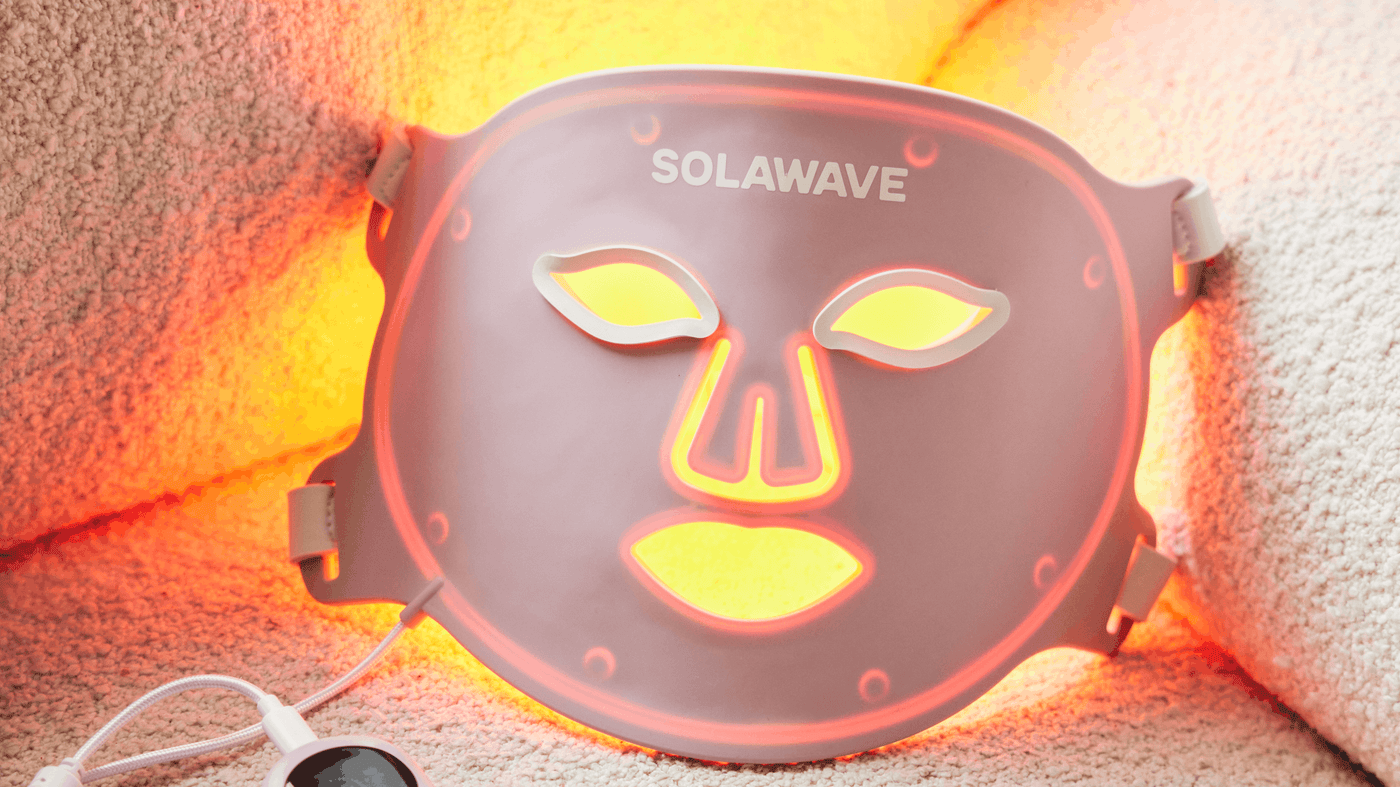
The Red Light Therapy Face Mask delivers four therapeutic wavelengths (Red 630nm, Deep Red 660nm, Amber 605nm, and Near-Infrared 830nm) through 320 medical-grade LEDs. FDA-cleared and requiring just 3-minute sessions, it provides the consistent collagen-stimulating treatment that perimenopausal skin needs.
Perimenopause often brings increased systemic inflammation, which manifests in skin as sensitivity, redness, and accelerated aging. Red light therapy has documented anti-inflammatory effects, helping calm reactive skin and reduce the "inflammaging" that drives many visible changes.
Improved blood flow delivers more oxygen and nutrients to skin cells while removing waste products more efficiently. This supports all aspects of skin function during a time when circulatory efficiency may be declining.
The slower healing characteristic of hormonal aging skin responds to red light therapy's regenerative effects. Blemishes resolve faster, and skin recovers more quickly from any insult.
Effective menopause skin care requires a strategic approach that addresses the specific challenges of this transition. Red light therapy forms a powerful foundation, but the complete routine matters.
Start with a gentle cleanser. Perimenopausal skin often becomes more sensitive, so avoid stripping cleansers that worked when you had more oil production. Cream or milk cleansers preserve barrier integrity better than foaming formulas.
Apply antioxidant protection. Vitamin C serum provides antioxidant defense against environmental damage while supporting collagen synthesis. Skin that's losing collagen benefits from every boost it can get.
Layer hydration generously. Hyaluronic acid serums help compensate for declining natural production. Apply to damp skin for best absorption.
Use a nourishing moisturizer. The LightBoost Face and Neck Cream provides intensive hydration to address the persistent dryness of hormonal skin changes in the 40s and 50s.
Finish with SPF 30 or higher. Sun protection becomes even more critical as skin thins and becomes more vulnerable to UV damage. Hyperpigmentation, already problematic during perimenopause, worsens dramatically with sun exposure.
Double cleanse to thoroughly remove sunscreen and daily accumulation. Start with an oil-based cleanser, follow with a gentle water-based formula.
Use red light therapy consistently. This is the cornerstone of your treatment protocol. Use your device 3-5 times weekly for optimal results.
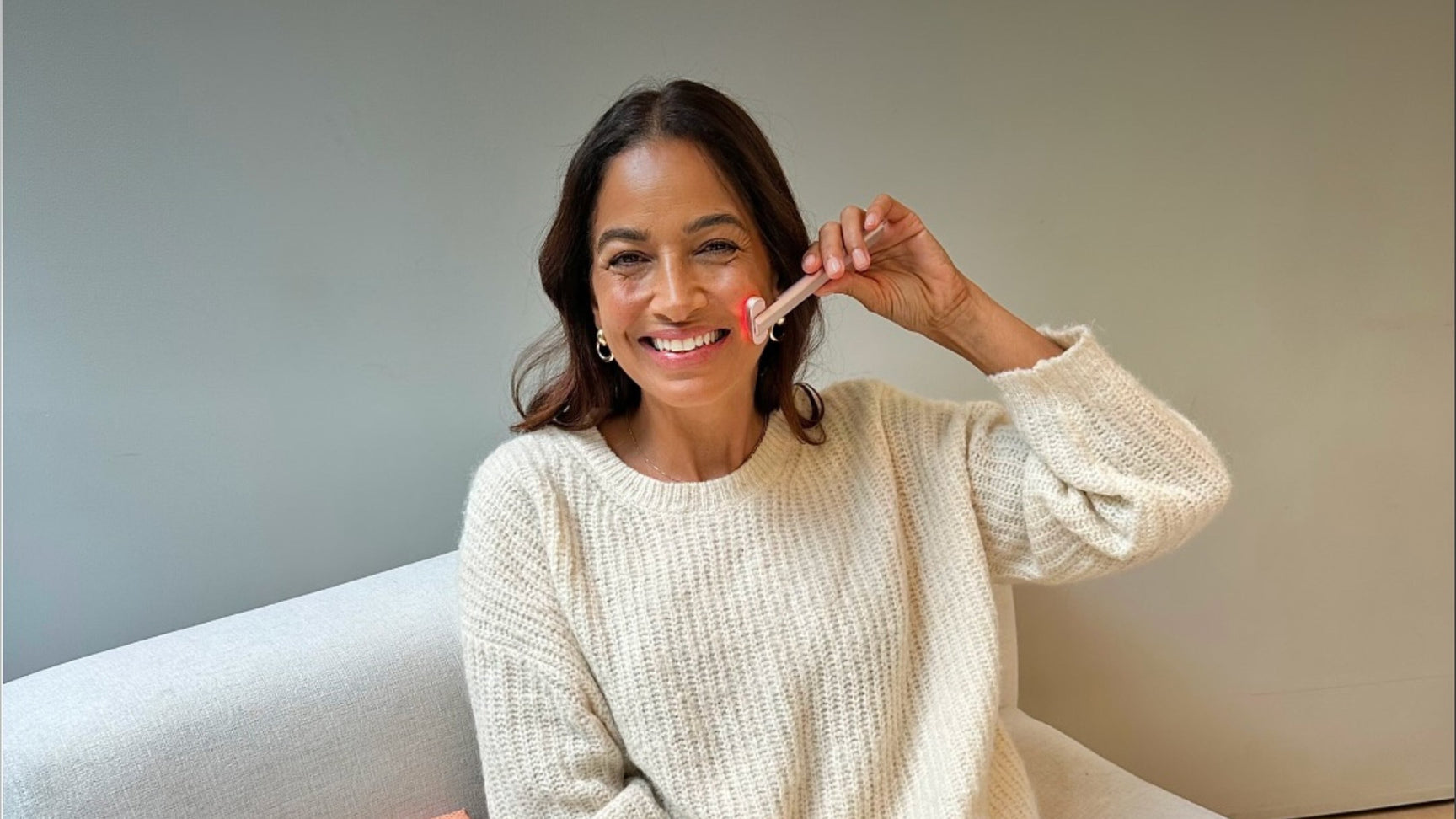
For targeted treatment of specific concerns, the red light therapy wand combines red light with facial massage, therapeutic warmth, and galvanic current. The wand requires a water-based serum like the LightBoost Activating Serum to activate all four technologies.
Apply treatment serums strategically. Retinol remains valuable during perimenopause but may require gentler formulations as sensitivity increases. Start with lower concentrations and build tolerance. Peptide serums support collagen without irritation for those who can't tolerate retinoids.
The LightBoost Niacinamide Face and Neck Serum provides barrier support alongside brightening and pore-refining benefits, addressing multiple perimenopause concerns in one product.
Address the eye area specifically. This delicate zone shows hormonal changes prominently. The red light therapy eye mask provides targeted treatment, while the LightBoost Collagen Caffeine Eye Cream offers topical support for fine lines, puffiness, and dark circles.
Seal with rich moisturizer. Nighttime is when skin repairs itself. Support this process with occlusive moisturizers that lock in hydration and create optimal conditions for regeneration.
Perimenopause skin changes affect your entire body, but the neck and chest often show dramatic changes that get overlooked. The Neck & Chest Rejuvenating Mask extends light therapy benefits to these areas, addressing the crepey skin and sun damage that commonly appear.
Don't forget hands, arms, and body. Extend your facial serums and treatments to these areas, and use body lotions with ingredients like retinol and niacinamide.
A perimenopause skincare routine works best alongside lifestyle practices that support skin from the inside.
Protein intake matters more than ever. Collagen is a protein, and your body needs amino acids to build it. Aim for adequate protein at each meal, and consider collagen peptide supplementation, which has some evidence for improving skin hydration and elasticity.
Omega-3 fatty acids support barrier function and have anti-inflammatory effects. Fatty fish, walnuts, flaxseed, and supplementation all contribute.
Phytoestrogens from foods like soy, flaxseed, and legumes may provide mild estrogenic support, though research is mixed on skin-specific effects.
Antioxidant-rich foods combat oxidative stress that accelerates aging. Prioritize colorful fruits and vegetables, green tea, and dark chocolate.
Limit sugar and refined carbohydrates that accelerate glycation, a process that damages collagen and elastin.
Sleep disruption is common during perimenopause, and it directly impacts skin. Growth hormone, which supports cellular repair, is released primarily during deep sleep. Hot flashes and night sweats interrupt sleep cycles, reducing this regenerative time.
Prioritize sleep hygiene: consistent bedtimes, cool sleeping environments, and limited screen time before bed. Consider discussing hormone therapy or other interventions with your healthcare provider if sleep problems persist.
Perimenopause often coincides with major life stressors: aging parents, career demands, changing relationships, and children leaving home. Chronic stress elevates cortisol, which breaks down collagen and impairs skin function.
Whatever stress management techniques work for you, whether meditation, exercise, therapy, creative pursuits, or time in nature, they benefit your skin alongside your mental health.
Regular physical activity improves circulation, supports sleep, reduces stress, and may help maintain hormone levels longer. Both cardiovascular exercise and resistance training benefit skin, the former through circulation effects and the latter through growth hormone stimulation.
Setting realistic expectations helps you evaluate whether treatment is working.
During weeks 1-4, you'll likely notice improved radiance and skin texture as circulation improves and cellular function enhances. Skin may feel more hydrated and look less dull.
From weeks 4-8, early firmness improvements emerge. Fine lines may begin softening, and overall skin quality improves.
At weeks 8-12 and beyond, collagen remodeling becomes more apparent. This is when you see more significant improvements in wrinkles, sagging, and structural integrity.
Results build with continued use. Red light therapy isn't a one-time treatment but an ongoing practice that supports skin through the perimenopausal transition and beyond.
Concerns that respond well include fine lines and wrinkles, loss of firmness and elasticity, dull and lackluster skin, uneven texture, inflammation and sensitivity, slow healing, and overall skin quality decline.
Red light therapy cannot replace lost estrogen or stop hormonal changes. It cannot instantly reverse years of aging. And it cannot replace other important skincare practices like sun protection and hydration.
Think of it as powerful support for skin navigating a challenging transition, not a magic solution that makes perimenopause irrelevant.
Red light therapy works well alongside other approaches to perimenopausal skin.
For women using hormone replacement therapy (HRT), red light therapy complements hormonal support. HRT addresses the root cause of many skin changes, while red light therapy provides additional cellular-level support. The combination may be more effective than either alone.
In-office procedures like microneedling, radiofrequency, and chemical peels can be combined with at-home red light therapy. Use red light therapy to support healing after procedures and maintain results between appointments.
Red light therapy enhances the effectiveness of topical skincare by improving cellular function and potentially increasing product penetration. Your serums and treatments may work better with consistent light therapy as part of your routine.
All Solawave devices are FSA/HSA eligible and recommended by dermatologists, making them accessible additions to comprehensive perimenopause care.
Perimenopause skin changes are significant but not inevitable sentences to accelerated aging. Understanding that declining hormones affect skin at the cellular level reveals why topical products alone often fall short and why technologies that address cellular function become so valuable. Red light therapy offers a practical, effective way to support skin through this transition by restoring cellular energy, stimulating collagen production, reducing inflammation, and enhancing the regenerative processes that hormonal aging skin desperately needs. Combined with a strategic perimenopause skincare routine, appropriate lifestyle practices, and potentially other interventions, red light therapy helps maintain skin health and vitality even as hormones shift. Your skin doesn't have to surrender to perimenopause. With the right support, it can thrive through the transition and beyond.
Ready to support your skin through perimenopause? Shop Solawave's skincare collection today.
There's no single right answer, as perimenopause timing varies widely. Pay attention to changes in your skin rather than waiting for a specific age. If you notice increased dryness, new sensitivity, accelerating fine lines, or products that no longer seem effective, your skin may be signaling hormonal shifts. Starting collagen-supporting treatments like red light therapy before significant loss occurs is more effective than trying to rebuild later.
No. Red light therapy supports skin function but doesn't replace hormones. HRT addresses the root cause of perimenopausal changes throughout the body, including skin. Red light therapy provides cellular-level support that complements hormonal approaches but doesn't substitute for them. Many women use both for comprehensive support.
Skin changes during perimenopause typically persist through menopause and beyond, though the rate of change slows once hormone levels stabilize. The goal isn't returning to pre-perimenopausal skin but rather supporting skin health through the transition and maintaining it afterward. Consistent care with appropriate treatments like red light therapy helps achieve the best possible outcomes for your new normal.
Red light therapy offers unique advantages, including no downtime, no irritation, safety for sensitive skin, and addressing concerns at the cellular level. It complements rather than competes with other treatments. Retinoids, peptides, antioxidants, and professional procedures all have roles, and red light therapy enhances their effectiveness while providing benefits they cannot.
Yes. Red light therapy is generally well-tolerated, even by newly sensitive perimenopausal skin. Unlike topical actives that may irritate compromised barriers, red light therapy works through light absorption rather than chemical interaction with skin. Many women find it's one treatment they can use consistently, even as their skin becomes more reactive to products.