Rated 4.7 out of 5 stars
4.7 / 5


726,000+ customers
Free 60-Day Returns
1-Year Warranty
726,000+ customers
Free 60-Day Returns
1-Year Warranty
You did everything right. You researched ingredients, built a thoughtful routine, and stayed consistent for months. Your skin improved dramatically at first, maybe the best it's ever looked. And then... nothing. The progress stalled. That stubborn concern remains stubbornly unchanged. New products that should help just don't seem to do anything.
If you're wondering why your skincare is not working anymore, you're experiencing one of the most common and frustrating phenomena in skincare: the plateau. It happens to nearly everyone eventually, and understanding why it occurs is the first step toward breaking through it.
A skincare plateau isn't a myth or an excuse. It's a real phenomenon with biological explanations. Several factors contribute to why your routine that once delivered visible improvements now seems to have hit a wall.
When you first start an effective skincare routine, you're often correcting years of accumulated issues. Dehydration, sun damage, barrier compromise, texture concerns, dullness from inadequate exfoliation: these problems yield quickly to appropriate treatment.
The initial dramatic improvements you saw weren't magic. They were correcting existing deficits. Your skin was functioning below its potential, and proper care brought it up to baseline.
Once you've corrected those deficits, you enter the maintenance phase. Progress becomes incremental rather than dramatic. The difference between month one and month two is much larger than the difference between month twelve and month thirteen. This isn't failure. It's a success transitioning to a new stage.
Skin adaptation is real, though often misunderstood. Your skin doesn't become "immune" to beneficial ingredients the way bacteria become resistant to antibiotics. However, certain mechanisms do change with consistent product use.
Exfoliating acids work by disrupting the bonds holding dead cells to the surface. When you first start using them, there's a significant backlog of dead cells to remove. Once you've cleared that backlog, continued use maintains clarity but doesn't produce the same dramatic transformation.
Hydrating ingredients plump dehydrated skin immediately and visibly. Once skin is properly hydrated, adding more hyaluronic acid doesn't produce additional plumping. You're maintaining optimal hydration, not correcting a deficit.
Antioxidants protect against ongoing damage. The benefit is cumulative prevention rather than visible correction. You won't see your skin getting better and better indefinitely because the benefit is damage not occurring, rather than improvement you can observe.
Here's the uncomfortable truth that skincare marketing rarely acknowledges: topical products have fundamental limitations.
Penetration depth restricts what ingredients can actually reach. Many beneficial molecules are too large to pass through the stratum corneum in meaningful concentrations. What gets absorbed often gets metabolized before reaching target cells.
Surface-level action means most topical products work primarily on the epidermis and upper dermis. They cannot meaningfully affect deeper structures where much of skin aging actually occurs.
Collagen stimulation from topicals is modest at best. While some ingredients like retinoids can stimulate fibroblast activity, the magnitude of collagen increase is limited compared to what's possible with treatments that affect deeper tissue.
According to dermatological research, even well-formulated topical products work within constraints imposed by the skin's barrier function, which is, after all, designed to keep things out.
Not all plateaus have the same cause. Identifying why your skincare routine stopped working helps you choose the right solution.
If your routine is well-constructed with proven ingredients at appropriate concentrations, and you've been consistent for six months or more, you may have simply reached the limits of topical skincare.
Signs this is your situation include a routine that includes retinoids, vitamin C, quality moisturizers, and SPF already. You're using appropriate concentrations (not too weak, not irritating). Your skin is healthy, hydrated, and functioning well. The remaining concerns involve deeper structures like collagen loss, significant wrinkles, or firmness decline.
Skin changes over time due to age, hormones, seasons, stress, and environment. A routine that worked perfectly two years ago may no longer address your current needs.
Signs this is your situation include new concerns that have emerged since you built your routine. Seasonal changes correlate with when products stopped working. You've gone through hormonal shifts like perimenopause, pregnancy, or stopping birth control. Your lifestyle has changed significantly with new stress levels, a different climate, or altered sleep patterns.
Formulations change. Companies get acquired and reformulate. Products degrade over time, especially those with active ingredients like vitamin C.
Signs this is your situation include reliance on products you've used for years without checking if formulations have changed. Accounts that have been open for more than the recommended period after opening. Products stored in humid bathrooms or sunny windows.
True tolerance is rare but can occur with certain ingredients, particularly those that work through receptor activation.
Retinoid tolerance is well-documented: skin becomes less reactive to the same concentration over time. This is partly beneficial (less irritation) and partly limiting (potentially less stimulation).
Sometimes more is not better. Routine complexity can backfire.
Signs this is your situation include a routine that has grown to ten or more products. Multiple activities layered without a clear purpose. Frequent product switching in search of the "missing" ingredient. Signs of barrier compromise include sensitivity, dehydration despite hydrating products, and increased breakouts.
Once you've identified why you've plateaued, you can choose appropriate strategies to break through.
If your routine has grown complex, stripping back to basics often produces better results than adding yet another product.
Reduce to essentials for 4-6 weeks: gentle cleanser, one treatment product, moisturizer, SPF. Let your skin recover and recalibrate. Then rebuild thoughtfully, adding one product at a time with clear purpose and evaluation periods.
This approach works when your plateau stems from routine complexity, barrier compromise, or product overload.
If you've been using the same retinol concentration for a year, your skin can likely handle more. If you've been using a basic vitamin C, upgrading to a more bioavailable form might help.
Increase retinoid strength gradually. A step up in concentration can restart progress if tolerance has developed.
Upgrade the vitamin C formulation to more stable or more potent forms if your current product has been ineffective.
Add or increase treatment frequency for ingredients that benefit from more regular use.
This approach works when your plateau stems from ingredient tolerance or using concentrations below your skin's capacity.
If your skin's needs have shifted, your routine must shift too.
Reassess your primary concerns. What bothered you two years ago may not be what bothers you now.
Consider hormonal factors. Perimenopause, menopause, and other hormonal shifts require routine adjustments. What worked for 35-year-old skin may not work for 45-year-old skin.
Account for environmental changes. Moved to a drier climate? Different water? More pollution? Adjust accordingly.
The LightBoost Niacinamide Face and Neck Serum addresses multiple concerns simultaneously, providing barrier support, tone improvement, and hydration that adapts to changing skin needs.
When you've genuinely reached the limits of topical skincare, it's time to add modalities that work through different mechanisms.
This is where technology becomes valuable. Devices that affect skin through non-chemical pathways can produce improvements that topicals cannot. They work at different depths, through different mechanisms, creating effects that no serum can replicate.
Red light therapy stands out for its ability to affect skin at the cellular level, addressing the energy deficit and collagen decline that topicals cannot meaningfully influence.
If you're hitting the limits of topical skincare, red light therapy offers a fundamentally different approach that can restart progress.
Topical products work by delivering ingredients to skin that are then absorbed and utilized (or not) based on penetration, stability, and cellular conditions.
Red light therapy works by delivering energy directly to cells. Specific wavelengths are absorbed by cytochrome c oxidase in mitochondria, stimulating increased ATP production. This energy boost enhances all cellular functions, not just one pathway.
The mechanism is complementary to topicals rather than competitive. Red light therapy doesn't do the same thing as retinol through a different method. It does something retinol cannot do at all: directly enhance cellular energy production.
The penetration limitations of topicals don't apply to light. Red wavelengths reach the dermis where collagen lives. Near-infrared penetrates even deeper. This means affecting structures that topicals essentially cannot touch.
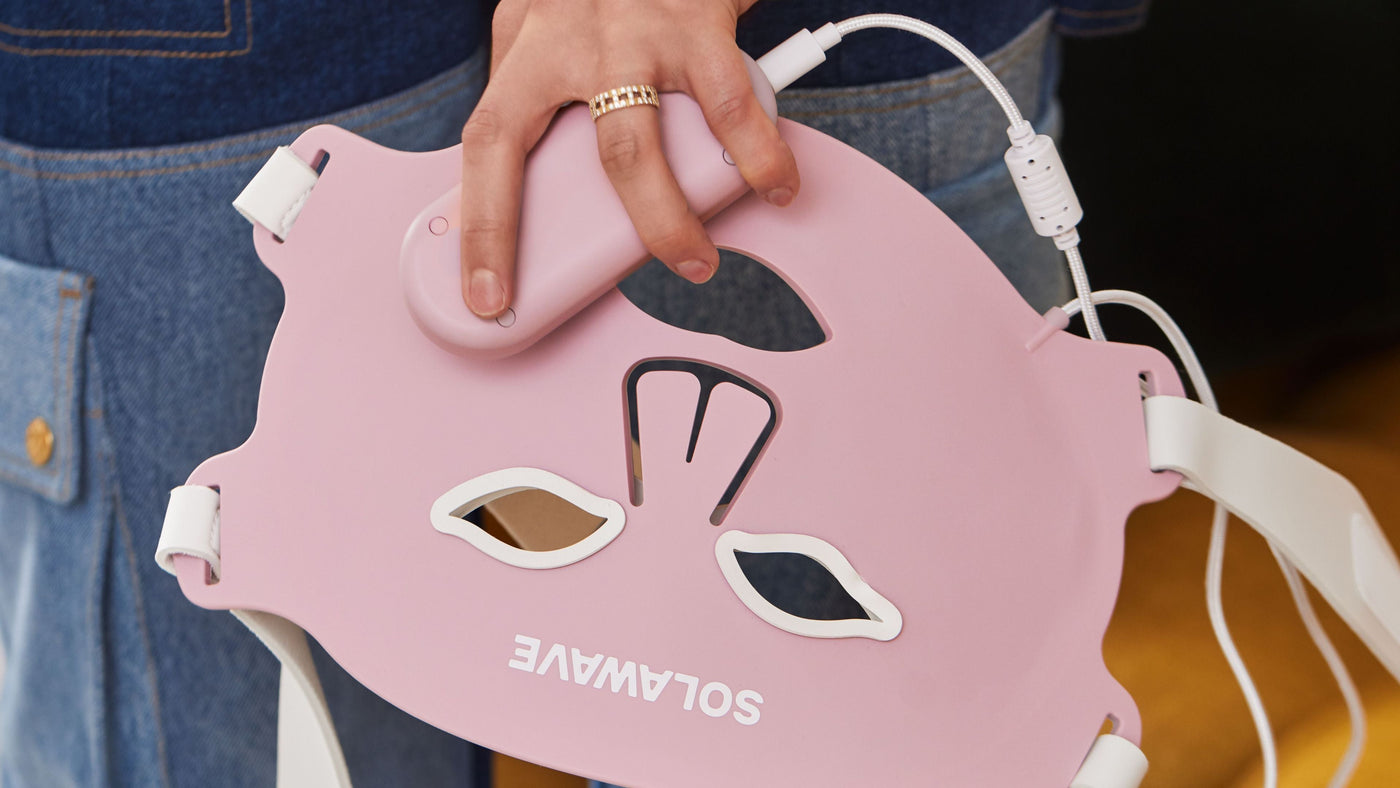
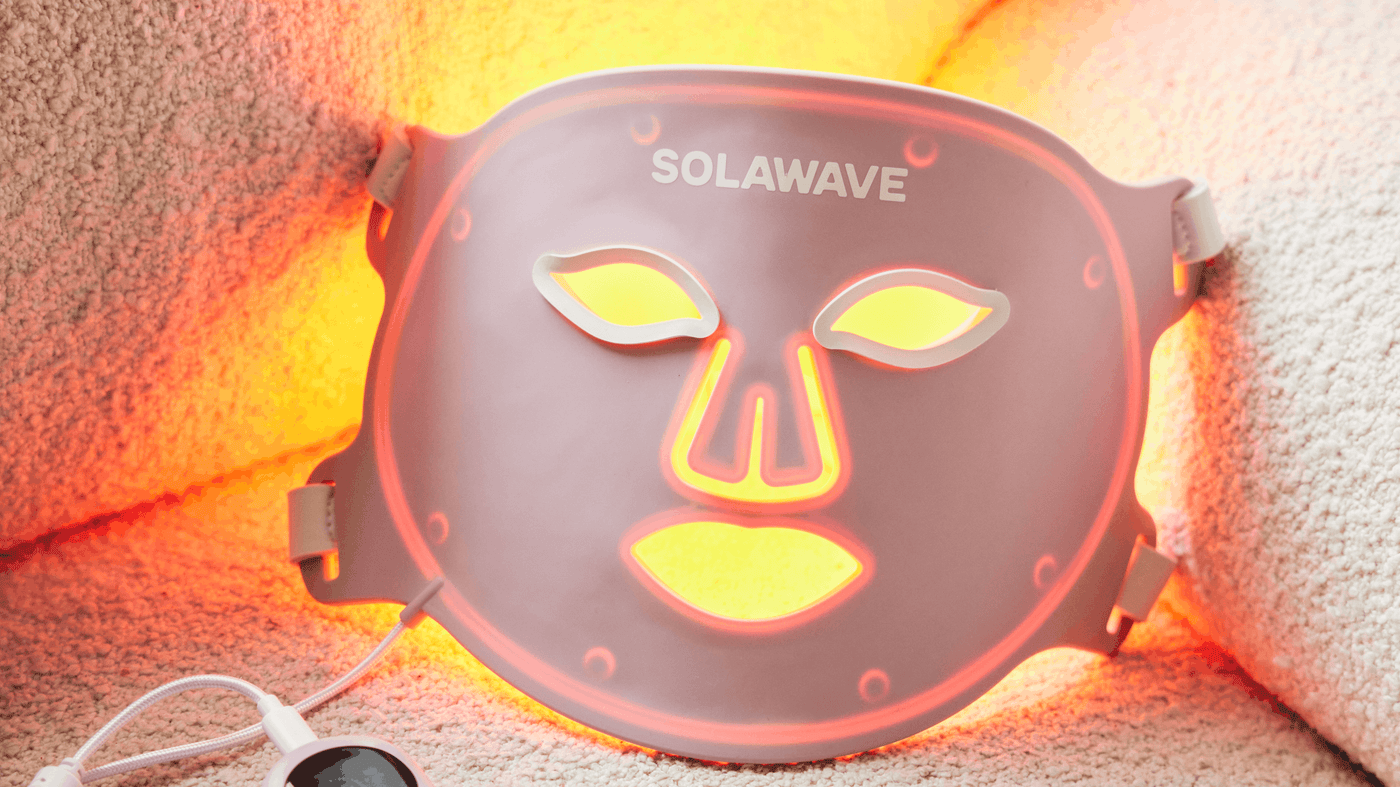
The Red Light Therapy Face Mask delivers four therapeutic wavelengths (Red 630nm, Deep Red 660nm, Amber 605nm, and Near-Infrared 830nm) through 320 medical-grade LEDs. FDA-cleared and requiring just 3 minute sessions, it reaches tissue depths that products simply cannot.
Red light therapy doesn't replace your skincare routine. It amplifies it. With improved cellular energy, your skin processes and utilizes topical ingredients more efficiently. That vitamin C serum may actually work better when cells have the energy to use it effectively.
This synergistic relationship means adding light therapy to an already good routine often produces more improvement than any single product addition could.
Unlike some topicals where tolerance develops, consistent red light therapy continues producing benefits over time. The mechanism doesn't involve receptor desensitization or cellular adaptation that diminishes effects. Your cells continue responding to light energy even after months and years of use.
If topical plateaus have stalled your progress, here's how to integrate technology for continued improvement.
Cleanse gently to prepare skin without stripping. Your cleanser should remove what needs removing without compromising barrier function.
Apply your most important treatment serum. For most people, this means vitamin C or another antioxidant for daytime protection.
Hydrate appropriately for your skin type. The LightBoost Activating Serum provides hyaluronic acid hydration that works with or without device treatment.
Moisturize to seal in hydration and support barrier function.
Apply SPF 30 or higher without exception. This remains the most important anti-aging step regardless of what else you do.
Double cleanse if you wore SPF or makeup. Oil-based cleanser first, then gentle water-based cleanser.
Use red light therapy consistently. This is your primary treatment step that goes beyond what topicals can do. Use 3-5 times weekly for optimal results.
For targeted treatment of specific areas, the red light therapy wand combines red light with therapeutic warmth, and galvanic current. The wand requires a water-based serum to activate all four technologies.
Apply your evening treatment serum. This might be retinol, peptides, or other actives appropriate for your concerns.
Address the eye area specifically. The red light therapy eye mask targets this delicate zone, while the LightBoost Collagen Caffeine Eye Cream provides topical support.
Finish with a richer moisturizer for overnight recovery. The LightBoost Face and Neck Cream delivers intensive hydration to support nighttime repair processes.
The neck and chest often show aging prominently but get excluded from facial routines. The Neck & Chest Rejuvenating Mask extends light therapy benefits to these areas that topicals alone struggle to improve.
Patience remains essential even when you've added new modalities.
Initial improvements appear in radiance, hydration, and skin feel. These reflect immediate effects of improved circulation and cellular function. Don't expect dramatic anti-aging results yet.
Texture improvements become noticeable. Skin may feel firmer and look healthier overall. Early signs of progress beyond your previous plateau begin appearing.
Collagen remodeling becomes visible. This is when you see improvements in fine lines, firmness, and structural integrity that topicals alone couldn't produce.
Continued use maintains and builds on results. Unlike the adaptation that stalled your topical routine, light therapy continues producing benefits with consistent use.
All Solawave devices are FSA/HSA eligible and recommended by dermatologists, making them practical long-term investments in skin that keeps improving.
Sometimes what to do when skincare stops working involves professional consultation.
Consider seeing a dermatologist if your plateau involves concerns that might indicate skin conditions beyond normal aging, you've tried multiple approaches without breaking through, you want personalized guidance on device use and advanced treatments, or you're considering prescription-strength ingredients or in-office procedures.
Professional treatments like microneedling, radiofrequency, laser resurfacing, and injectable treatments can produce results beyond what home devices achieve. At-home red light therapy maintains and extends those results between appointments.
A skincare plateau isn't failure. It's often a sign that your routine worked exactly as it should, bringing skin to the best state that topical products alone can achieve. Understanding the limits of topical skincare reveals why even perfect routines eventually stop producing dramatic improvements. The question of how to level up your skincare routine has a clear answer: add modalities that work through different mechanisms. Red light therapy addresses skin at depths and through pathways that products cannot touch, creating genuine breakthrough potential for those who've hit the ceiling of topical care. Your skin hasn't stopped being capable of improvement. It's waiting for the right tool to unlock the next level. If you've been wondering why your skincare is not working anymore, the answer might not be a new serum but a new approach entirely.
Ready to break through your skincare plateau? Shop Solawave's skincare collection today.
Skin adaptation is real but often misunderstood. Your skin doesn't become "immune" to beneficial ingredients like bacteria become resistant to antibiotics. However, initial dramatic improvements from correcting deficits give way to maintenance mode. Some ingredients like retinoids do produce tolerance requiring higher concentrations over time. The solution is usually adjusting approach rather than abandoning effective ingredients.
Give any routine 8-12 weeks of consistent use before evaluating. If you've been consistent for that long and see no continued improvement, you've likely plateaued. Signs of a genuine plateau include healthy, functional skin with remaining concerns that simply won't budge, and no progress despite routine adherence. If your skin is still reactive, dehydrated, or compromised, the routine may need adjustment rather than addition.
No. Products that brought you to your current level are still valuable for maintenance. The issue usually isn't that products stopped working but that you've reached their capability ceiling. Keep effective products as your foundation while adding modalities like light therapy that can take you further.
You can try, but you'll likely hit the same wall. More products don't overcome the fundamental limitations of topical delivery. Additional serums face the same penetration constraints, the same stability issues, the same reliance on cellular function that may itself be the limiting factor. Devices work through different mechanisms that products cannot replicate.
Consistency matters more than intensity. Use red light therapy 3-5 times weekly for optimal results. This frequency provides sustained cellular stimulation without requiring excessive time commitment. Most devices require just 3-15 minutes per session, making regular use practical for most schedules.
 News
News