Rated 4.7 out of 5 stars
4.7 / 5


726,000+ customers
Free 60-Day Returns
1-Year Warranty
726,000+ customers
Free 60-Day Returns
1-Year Warranty
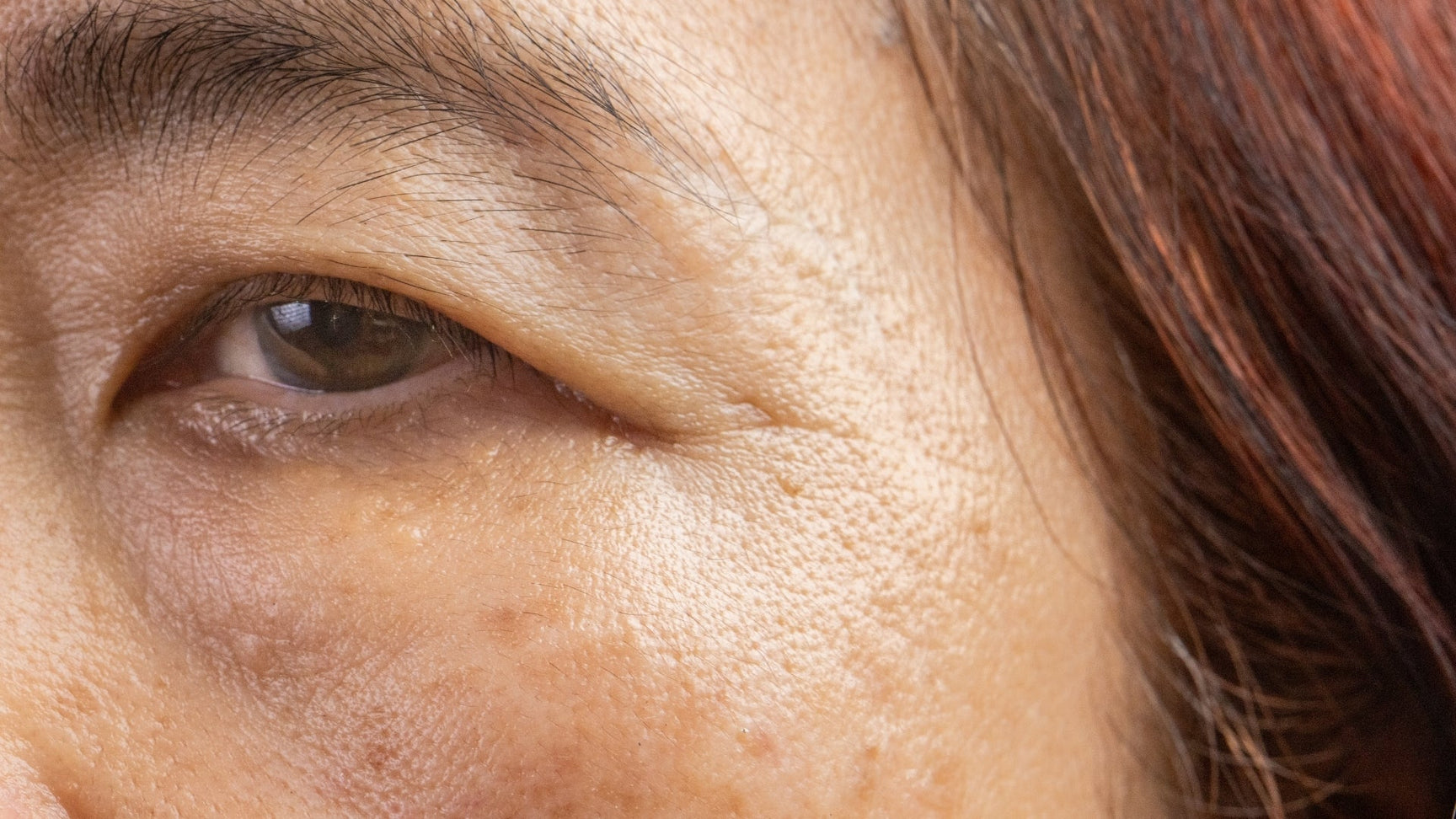
Dark spots are one of those skincare frustrations that feel deeply personal. You've tried the vitamin C serums. You've layered on the retinol. And yet those stubborn patches of uneven tone stick around like unwelcome guests. If that sounds familiar, there's a reason K-beauty enthusiasts have been raving about one ingredient that takes a completely different approach to fighting dark spots. And it might just be the missing piece your brightening routine needs.
Korean beauty has always been ahead of the curve when it comes to brightening. Clear, even-toned skin isn't just a trend in K-beauty. It's a foundational goal that has driven decades of innovation.
So when an ingredient starts dominating K-beauty formulations, it's worth paying attention. The ingredient generating the most buzz right now for dark spots is tranexamic acid, often called TXA. It's been showing up in serums, creams, and ampoules across Korean beauty brands at a rapid pace, and dermatologists worldwide are taking notice.
What makes TXA so exciting is that it doesn't work the way most brightening ingredients do. It doesn't exfoliate. It doesn't bleach. And it doesn't irritate sensitive skin. Instead, it tackles dark spots at their root by interrupting the inflammatory process that causes them in the first place.
Here's where it gets interesting. Tranexamic acid was never meant to be a skincare ingredient. It was originally developed as a medical compound to help control excessive bleeding. But doctors began noticing something unexpected. Patients using TXA for medical reasons consistently showed brighter, more even skin. Dark patches many of them had been dealing with started to visibly fade.
That accidental discovery sparked serious research. And now we understand why it works so well.
Most dark spots form because of an inflammatory cascade. When your skin experiences a trigger like UV exposure, a breakout, or hormonal shifts, it sends distress signals to your melanocytes, the cells that produce pigment. Those signals activate an enzyme called plasmin, which kicks off a chain reaction that leads to excess melanin production. That excess melanin is what shows up as a dark spot, a post-acne mark, or a patch of melasma.
Tranexamic acid blocks plasmin activity, effectively quieting those distress signals before they reach your pigment-producing cells. Less signal means less excess melanin. And that means dark spots are addressed at the source rather than just on the surface.
One of the biggest reasons TXA has exploded in K-beauty is how gentle it is compared to traditional dark spot treatments. Ingredients like glycolic acid or hydroquinone can be effective, but they often come with trade-offs like peeling, dryness, sun sensitivity, or irritation that limits who can safely use them.
Tranexamic acid is non-exfoliating and anti-inflammatory by nature. It doesn't strip or sensitize the skin. That makes it compatible with virtually all skin types, including sensitive, acne-prone, and reactive skin. It's also considered safe across all skin tones, which is particularly important for deeper complexions (Fitzpatrick types IV through VI) that are more prone to post-inflammatory hyperpigmentation and can react poorly to harsher brighteners.
This gentleness is a big part of why K-beauty has embraced TXA so enthusiastically. It fits perfectly into the Korean philosophy of building skin health through gentle, layered care rather than aggressive treatments.
Tranexamic acid is powerful on its own, but K-beauty has always been about smart ingredient combinations. And TXA plays exceptionally well with two ingredients you probably already know.
Niacinamide is the first natural pairing. While TXA blocks the inflammatory signals that trigger melanin production, niacinamide reduces oxidative stress and helps inhibit pigment transfer from melanocytes to surrounding skin cells. Together, they address dark spots through two different pathways simultaneously.
The LightBoost Face & Neck Serum is formulated with niacinamide alongside five biomimetic growth factors and two neuropeptides. It's designed to visibly firm, smooth fine lines, and even tone across the face, neck, and chest.
Hyaluronic acid is the second essential companion. Brightening ingredients work best on well-hydrated skin because a healthy moisture barrier supports more efficient cell turnover and ingredient absorption. The LightBoost Wand Activating Serum delivers deep hydration through hyaluronic acid while also including Nonapeptide-1, a peptide that visibly brightens and evens skin tone.
And for a formula that brings TXA directly into your routine, the LightBoost Face & Neck Rich Cream includes tranexamic acid in its formula alongside vegan collagen, multi-peptides, and the proprietary LightBoost Complex. It's a rich, restorative moisturizer that supports the skin barrier while working toward a more even, brighter-looking complexion.
Here's something most dark spot conversations miss entirely. Topical ingredients like tranexamic acid and niacinamide do critical work on the skin's surface and within the epidermis. But red light therapy works at a deeper cellular level. When you combine both approaches, you're supporting your skin from multiple directions at once.
Red light therapy at 630nm is absorbed by an enzyme in the mitochondria of skin cells called cytochrome c oxidase. This triggers increased production of ATP, the energy that fuels cellular regeneration. With more cellular energy available, skin cells repair faster, inflammatory pathways are modulated, and circulation improves to deliver nutrients more efficiently.
That inflammation-modulating effect is especially relevant for dark spots. Remember, dark spots are fundamentally an inflammatory response. Calming that response at a cellular level supports the work that TXA is already doing topically.
This is the Solawave Ritual in practice. Technology and topicals working together, not competing. The 4-in-1 Skincare Wand's galvanic current drives hydrating and brightening serum actives deeper into the skin than passive topical application alone. The therapeutic warmth boosts circulation. The facial massage stimulates lymphatic drainage. And the red light therapy supports the skin's own regenerative processes from deep within.
Patience is part of the process. Most dermatologists suggest visible improvements from tranexamic acid typically appear within 4 to 8 weeks of consistent use, with more significant results around the 8 to 12 week mark. Pairing TXA with complementary ingredients like niacinamide and amplifying the routine with red light therapy can support that timeline.
Daily sunscreen is also non-negotiable. UV exposure triggers the exact inflammatory cascade that TXA works to block, so protecting your skin from the sun is just as important as what you put on at night.
Dark spots don't have to be permanent. With the right K-beauty ingredients, the right technology, and consistent daily use, visibly brighter, more even skin is absolutely within reach.
Tranexamic acid, or TXA, is the K-beauty ingredient generating the most buzz for fighting dark spots. It works by blocking the inflammatory signals that trigger excess melanin production, making it effective yet gentle for all skin types.
Yes. Unlike exfoliating acids or harsh brighteners, tranexamic acid is non-exfoliating and anti-inflammatory. It's generally well-tolerated by sensitive and acne-prone skin, which is a big reason K-beauty has embraced it so widely.
Absolutely. Tranexamic acid and niacinamide target dark spots through different pathways, so using both together amplifies brightening results. Dermatologists frequently recommend this combination.
Yes. The LightBoost Face & Neck Rich Cream includes tranexamic acid in its formula. The LightBoost Face & Neck Serum features niacinamide alongside biomimetic growth factors and neuropeptides.
Red light at 630nm supports cellular energy production and modulates inflammatory pathways. Since dark spots are driven by inflammation, calming that response at a cellular level complements what brightening topicals like TXA do on the surface.
 News
News