Rated 4.7 out of 5 stars
4.7 / 5


726,000+ customers
Free 60-Day Returns
1-Year Warranty
726,000+ customers
Free 60-Day Returns
1-Year Warranty
You've probably noticed that not all wrinkles look the same. Some are tiny and barely there. Others are deep grooves that seem to show up overnight. And knowing which types of wrinkles you're dealing with makes it a whole lot easier to figure out what to do about them.
Let's break it down.
Here's the thing. The different types of wrinkles on your face form for different reasons, in different places, and at different depths. Some wrinkles only show up when you make a facial expression, like when you smile or squint. These are called dynamic wrinkles, and they happen because of repeated muscle movement over the years.
Then there are the wrinkles that are just there all the time, whether you're making a face or not. These are called static wrinkles, and they form because your skin is naturally losing collagen and elastin as you age. Collagen is the protein that keeps your skin firm and smooth. When your body makes less of it, lines start to stick around.
Most of us end up with a mix of both. And that's completely normal.
Let's walk through the types of face wrinkles you're most likely to see in the mirror and what's going on beneath each one.
Forehead lines are those horizontal lines that run across your forehead. Every time you raise your eyebrows, the muscle underneath contracts and creates a crease. Do that thousands of times over the years, and those creases become permanent lines. Research has found that forehead wrinkles are some of the most noticeable wrinkles on the face, especially in women.
Frown lines are the vertical creases between your eyebrows. You might also hear them called "elevens" because they often look like two parallel lines. They come from frowning, concentrating, or staring at screens for long stretches. If you've ever caught yourself scrunching your brows while reading emails, this one's for you.
Smile lines run from the sides of your nose down to the corners of your mouth. They're also called nasolabial folds. These deepen over time as your skin loses firmness and volume in the mid-face. They're one of the most common types of face wrinkles, and almost everyone develops them eventually.
Lip lines are those little vertical creases that form around the mouth. They tend to be fine and delicate, but they can make lipstick bleed and draw more attention than you'd like. These form from the constant movement of the muscle that circles your mouth.
Neck wrinkles are the ones we tend to forget about until a photo reminds us. Your neck and chest get just as much sun exposure as your face, but the skin there is thinner and more delicate. It shows wrinkles, sagging, and sun damage earlier, and most skincare routines stop at the jawline.
The skin around your eyes is the thinnest skin on your entire face. It has less collagen, less fat underneath, and it moves constantly. That's why the types of eye wrinkles tend to be the first ones people notice.
The good news? Because the eye area is so responsive to changes in collagen production, it's also one of the areas that tends to respond well to targeted care.
All the different types of wrinkles share a common story underneath. As Mayo Clinic explains, aging skin naturally becomes less elastic and drier, with less collagen in the deeper layers. That's the biggest driver of wrinkle formation.
But aging isn't the only factor. UV exposure from the sun breaks down collagen and elastin fibers faster than your body can rebuild them. Smoking slows down new collagen production. And environmental pollutants get into your pores and speed up the whole process.
Here's the takeaway. Whether you're looking at forehead lines, crow's feet, or smile lines, they all trace back to the same root issue. Your skin cells are running low on the energy they need to keep producing collagen and repairing themselves.
This is where it gets fun. Because all the different types of wrinkles share that same root cause, you can address them with one smart approach instead of ten different products.
Red light therapy works by delivering specific wavelengths of LED light to your skin cells. When your skin absorbs red light at 630 nm, it gives your cells more energy to do what they already know how to do naturally. That means supporting healthy collagen production, smoother texture, and a more radiant look over time.
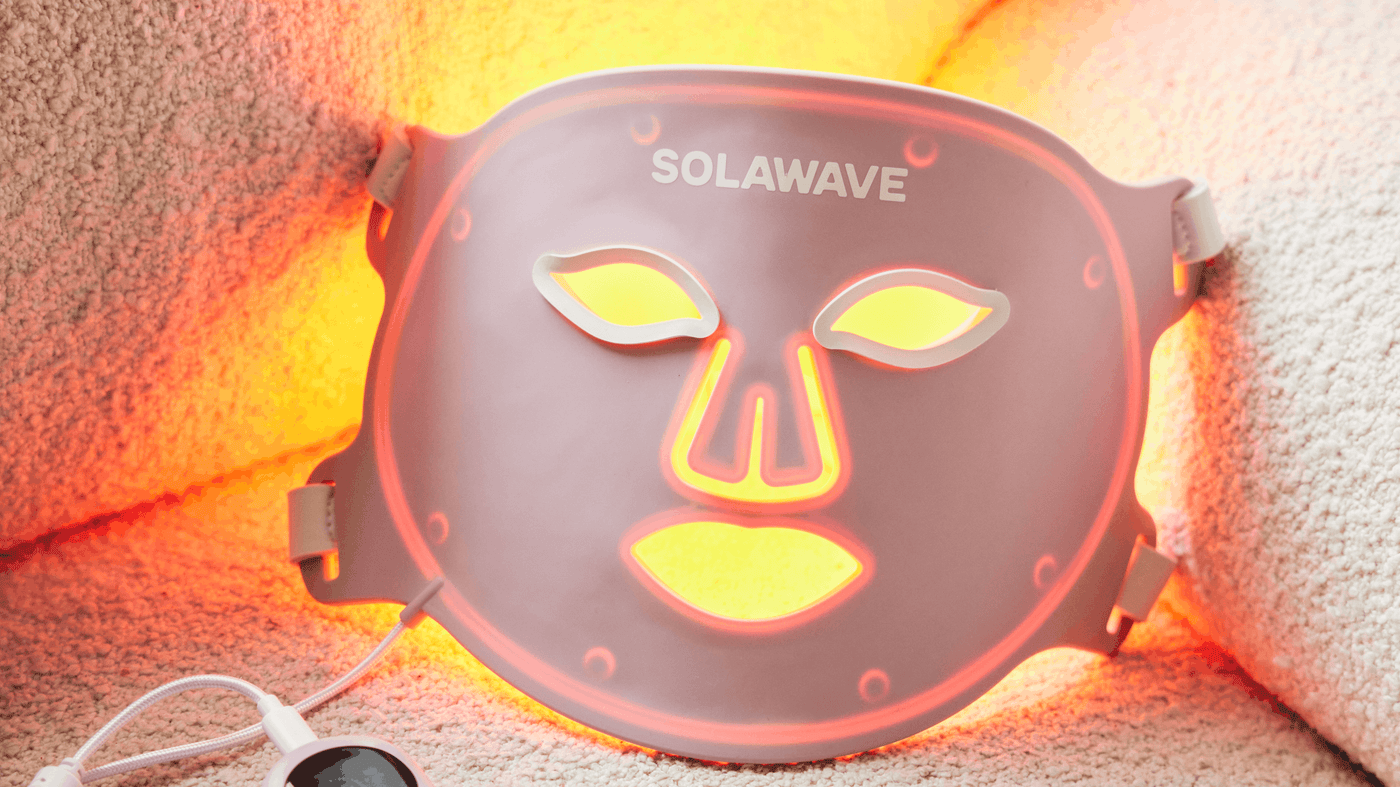
The Wrinkle Retreat Pro LED Face Mask covers your entire face with 320 LEDs across four therapeutic wavelengths.
For specific wrinkle zones like crow's feet, frown lines, or smile lines, the 4-in-1 Skincare Wand lets you target exactly where you want to see change. It combines red light therapy, galvanic current for deeper serum absorption, therapeutic warmth, and facial massage.
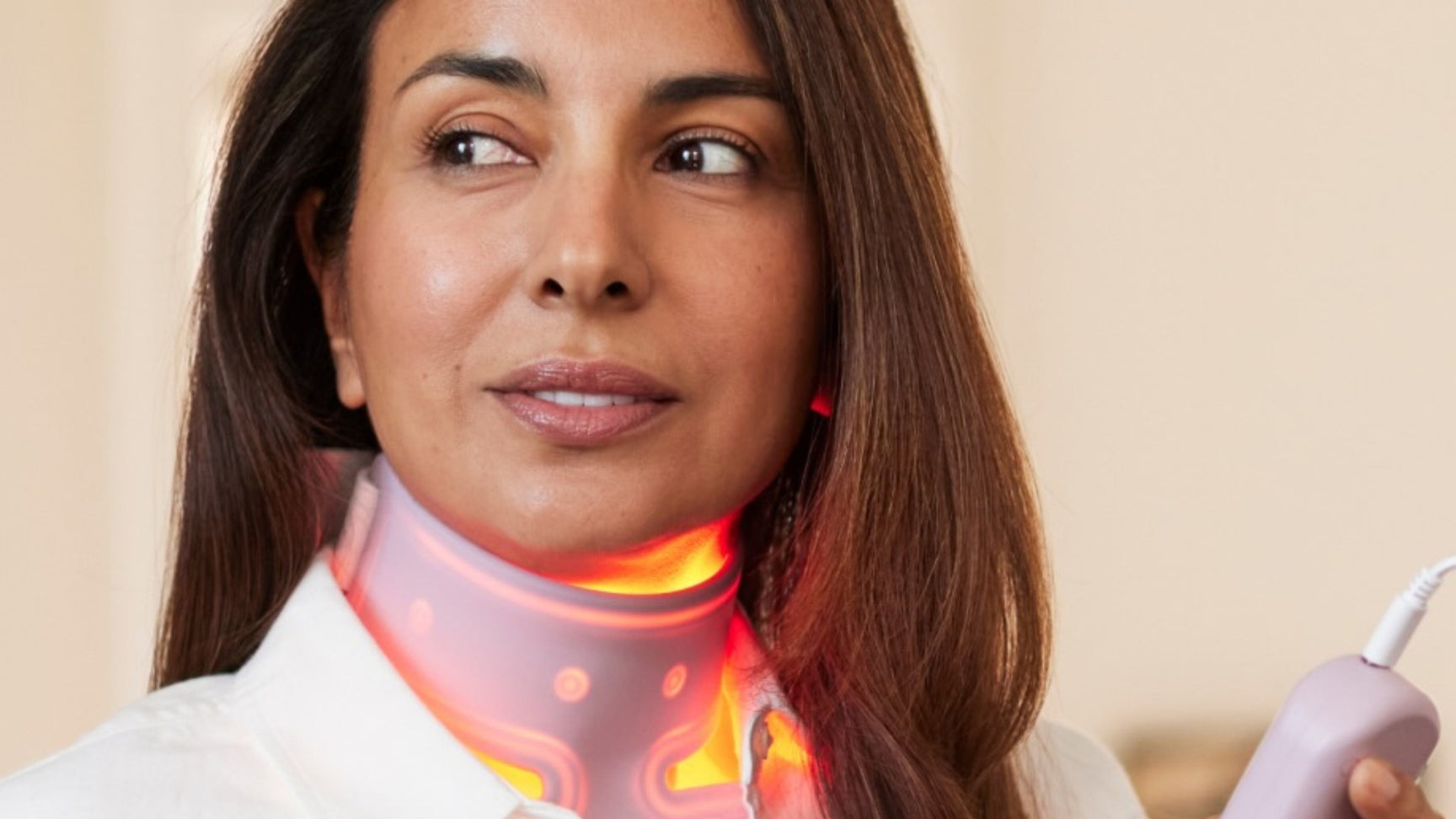
And for the neck and chest you've been neglecting? The Wrinkle Retreat Face and Neck Mask gives that forgotten skin the same professional-grade treatment in just 3 minutes.
Every wrinkle has a cause. Now you know what's behind yours. And every Solawave device is FDA-cleared, clinically tested, and backed by a 60-day money-back guarantee, so there's nothing to lose except the lines.
The most common types of facial wrinkles include forehead lines, frown lines, crow's feet, smile lines, lip lines, and neck wrinkles. Each one forms from a combination of muscle movement, collagen loss, and sun exposure.
Crow's feet and under-eye lines are usually the first types of eye wrinkles to show up. The skin around the eyes is the thinnest on the face, so it loses collagen and shows lines earlier than other areas.
The biggest cause is the natural slowdown of collagen production as you age. UV sun exposure, smoking, and environmental pollutants speed up this process by breaking down collagen and elastin faster than your body can replace them.
Fine lines can start appearing after age 25 as collagen production begins to slow. Most people see more noticeable wrinkles between the ages of 40 and 55.
Yes. Red light therapy supports your skin's natural collagen production at the cellular level. Solawave's FDA-cleared devices deliver professional-grade light therapy in just 3 minutes per session, right at home.
Fine lines are shallow, surface-level creases that tend to appear first around the eyes and mouth. Wrinkles are deeper folds that develop over time as fine lines are compounded by aging and gravity.
 News
News