Rated 4.7 out of 5 stars
4.7 / 5


726,000+ customers
Free 60-Day Returns
1-Year Warranty
726,000+ customers
Free 60-Day Returns
1-Year Warranty

You've probably searched for both terms. Maybe you noticed those creases running from your nose to the corners of your mouth getting deeper, and you weren't sure what to call them. Nasolabial folds? Smile lines? Laugh lines? Are they all the same thing, or is there actually a difference? Let's clear it up once and for all.
The short answer is that these terms are often used interchangeably, but they describe slightly different things depending on who you ask.
Nasolabial folds are the clinical term for the creases that run from the sides of your nose down to the corners of your mouth. Everyone has them to some degree. They're a normal part of facial anatomy, created by the boundary between your cheek and your upper lip. When you're younger, they tend to be subtle and only really show up when you smile. But as you age, they can deepen and become visible even when your face is completely at rest.
Smile lines, on the other hand, is the more casual, everyday term people use to describe the lines that appear when you smile or laugh. These can include the creases around the mouth, but they can also refer to the fine lines that fan out from the corners of your eyes (often called crow's feet).
So here's the key distinction. All nasolabial folds can be called smile lines, but not all smile lines are nasolabial folds. Nasolabial folds are specifically the two creases framing your mouth. Smile lines is a broader, less precise term that can describe several types of expression lines across the face.
This is where it gets interesting. A 2024 study published in Diagnostics classified nasolabial folds into three distinct types, each driven by different underlying causes.
The first type is related to volume loss in the area beside the nose. When the bone structure and fat pads in this region recede with age, a hollow appears that makes the fold look deeper than it actually is.
The second type involves sagging. The skin and fat tissue above the fold are loosely connected, which means they droop over time. Meanwhile, the skin below the fold is firmly attached to the underlying muscle. That contrast between the sagging tissue above and the anchored tissue below creates a visible crease.
The third type is driven by the muscles themselves. The muscles that lift your upper lip attach to the skin near the nasolabial fold. Every time you smile, they pull the skin in a way that deepens the crease. Over years of repetitive movement, those lines become etched into the skin even when you're not smiling.
Most people experience a combination of these types, which is why nasolabial folds can feel so stubborn to treat.
Beyond these structural factors, collagen and elastin loss plays a major role. As your body produces less of these structural proteins with age, skin loses its firmness and resilience. Sun damage accelerates this process, as does smoking and significant weight fluctuation. A commentary in the Rhode Island Medical Journal noted that photodamage from UV exposure remains one of the primary contributors to premature skin aging, including the deepening of facial folds.
Here's the good news. While deep structural changes like bone resorption or fat pad descent require professional intervention, the skin quality component of nasolabial folds is absolutely something you can address at home.
The science of photobiomodulation, also known as red light therapy, offers a non-invasive way to support your skin's natural collagen production from the inside out. When specific wavelengths of red and near-infrared light are absorbed by the mitochondria in your skin cells, they trigger increased production of ATP, the energy molecule that powers cellular regeneration. More cellular energy means more collagen synthesis, faster cell turnover, and visibly firmer, smoother skin over time.
This is the mechanism behind the Solawave 4-in-1 Skincare Wand. It delivers red light therapy at 630nm directly to targeted zones like the nasolabial fold area. But it doesn't stop there. The wand also uses galvanic current to drive hydrating serum actives deeper into the skin, therapeutic warmth to boost circulation and reduce puffiness, and facial massage to stimulate lymphatic drainage.
That combination is particularly well suited for wrinkles around the mouth because you can angle the wand precisely along the fold and spend extra time on the areas that need it most. Three minutes per zone, twelve minutes total for the full face. Use it 3 to 5 times per week with the LightBoost Wand Activating Serum for best results.
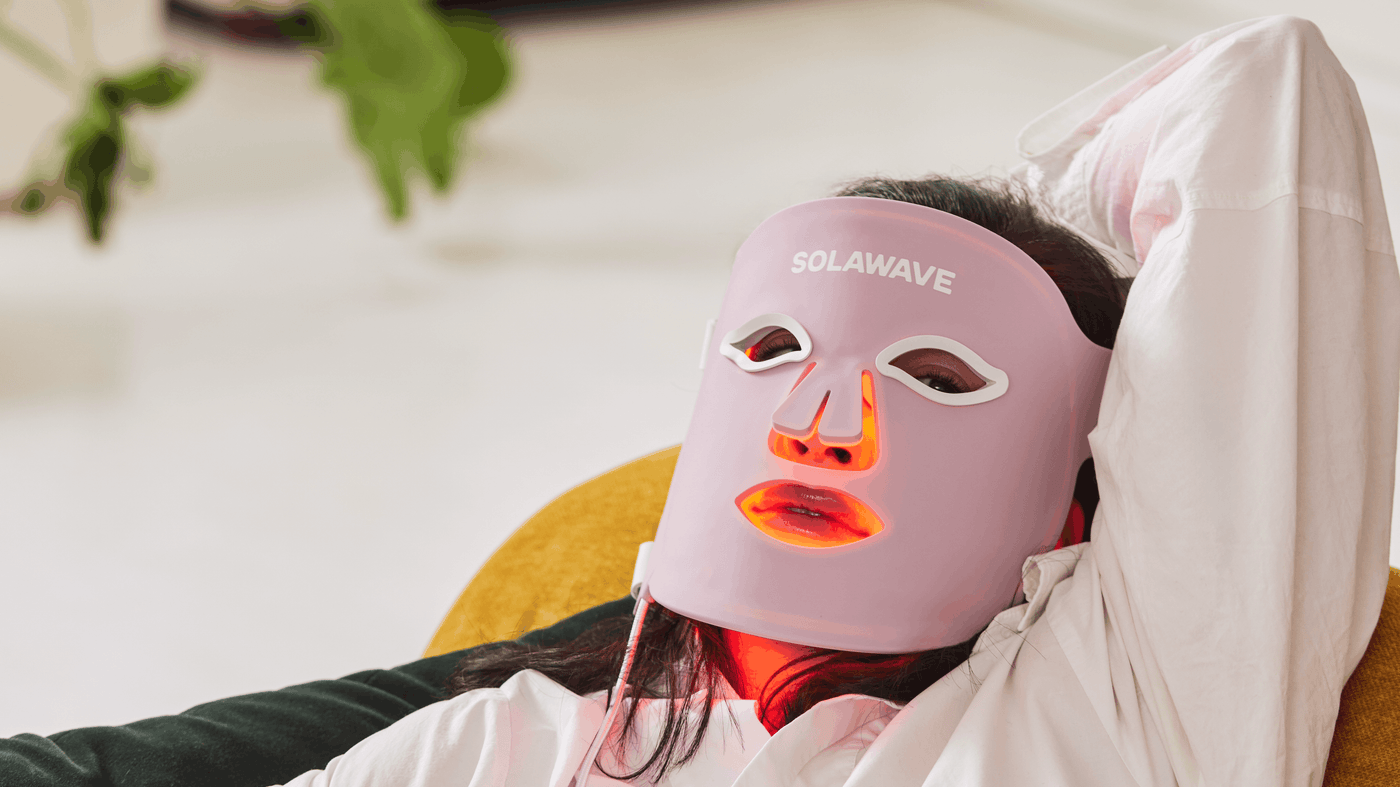
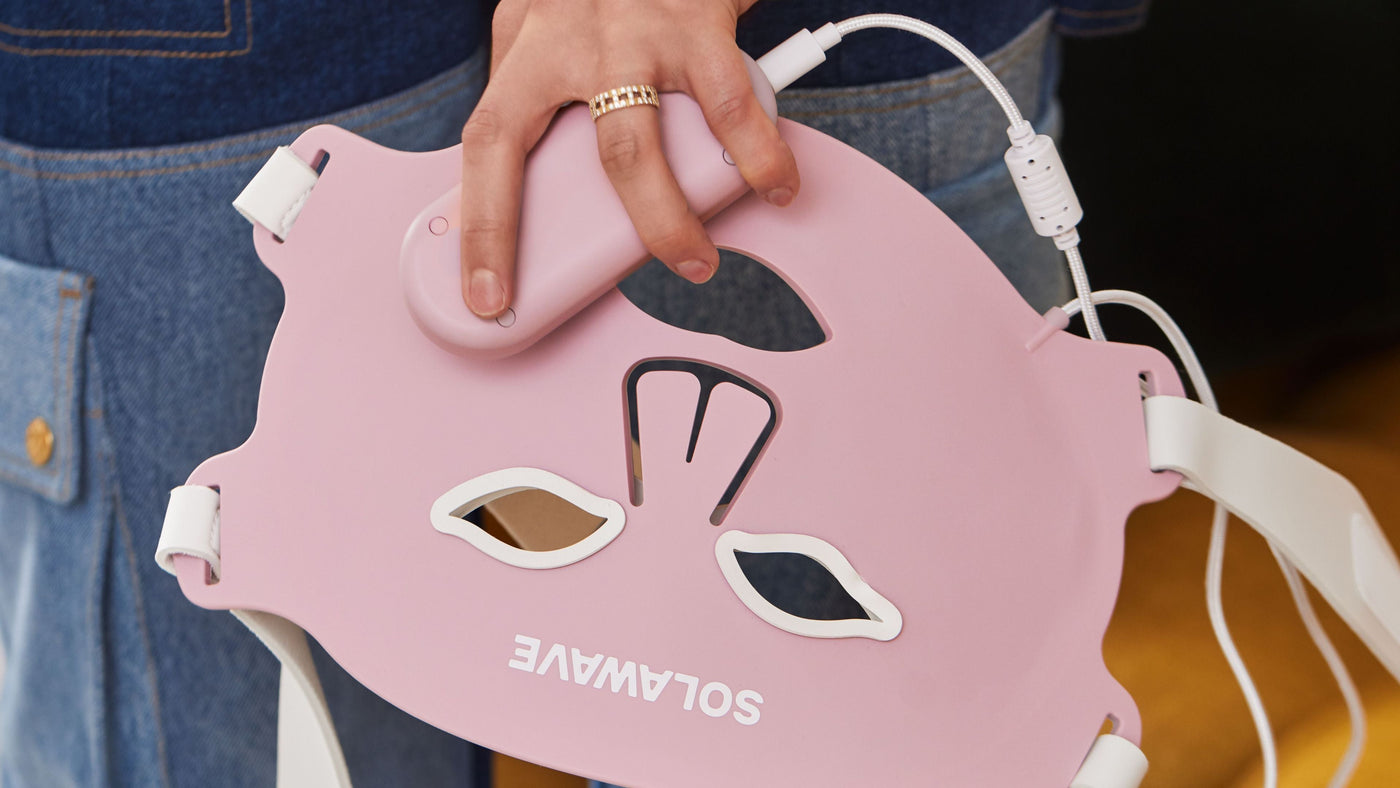
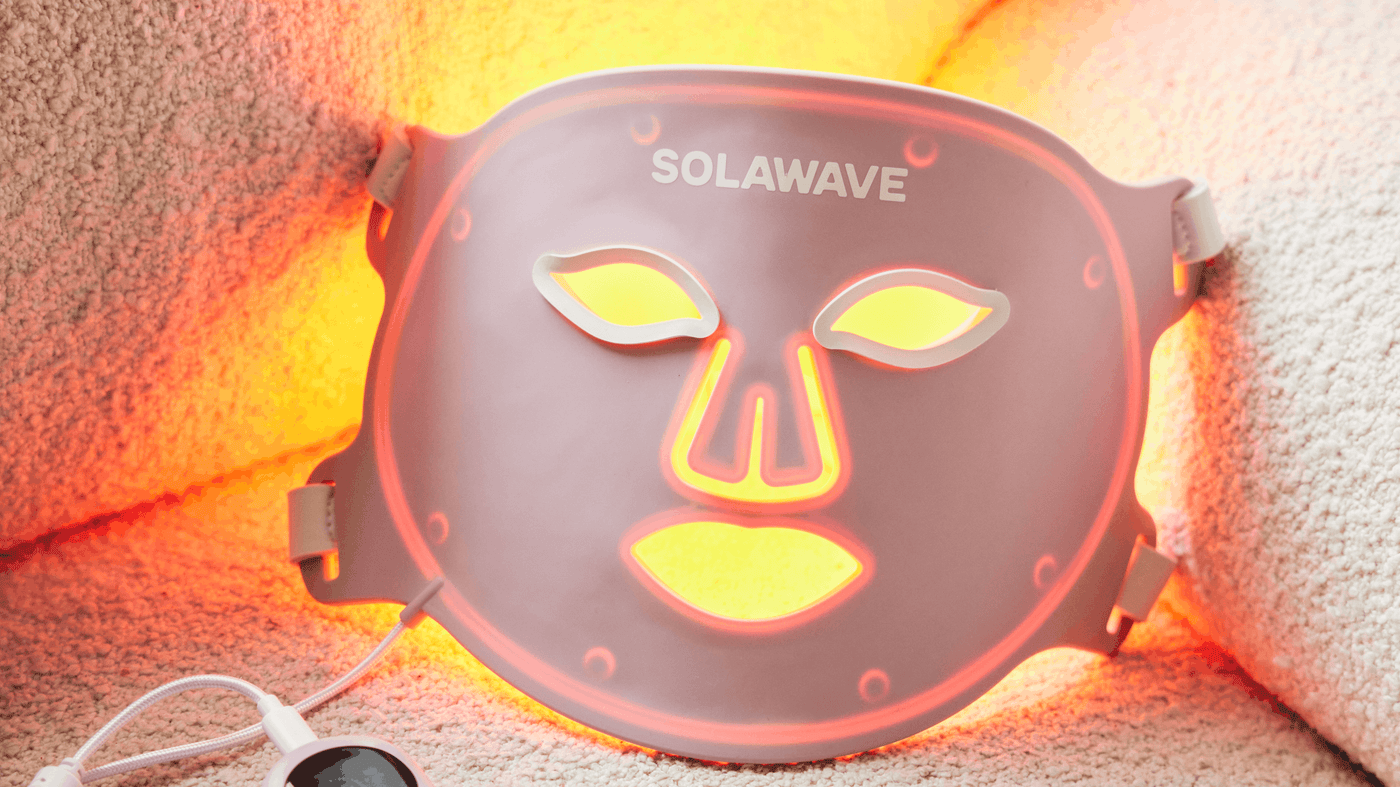
For full-face coverage, the Wrinkle Retreat Pro LED Face Mask delivers four therapeutic wavelengths across 320 dual-core LEDs in just 3 minutes per session. It's FDA-cleared, clinically tested, and designed to visibly smooth fine lines, firm skin, and even tone across the entire face, including those nasolabial areas that concern so many of us.
One critical point worth highlighting. Unlike lasers or IPL treatments that target melanin and carry risks of burns or hyperpigmentation for darker skin tones, red light therapy targets mitochondria. Every skin cell has mitochondria, regardless of melanin content. That makes red light therapy safe and equally effective across all Fitzpatrick skin types, from I to VI.
This matters because lip lines and mouth wrinkles are a universal concern. Everyone deserves access to science-backed technology that works for their skin, without worrying about adverse reactions.
Nasolabial folds are the specific creases running from your nose to the corners of your mouth. Smile lines are a broader, informal term that can include those folds plus other expression lines around the eyes and mouth. Both deepen with age due to a mix of collagen loss, volume changes, muscle movement, and sun damage.
You can't stop time. But you can support your skin's ability to rebuild itself from within. All Solawave devices are FDA-cleared, clinically tested, and backed by a 60-day money-back guarantee. Because visibly smoother skin shouldn't require an appointment.
Results may vary. Individual results are not guaranteed.
They overlap but aren't identical. Nasolabial folds specifically describe the creases from your nose to your mouth corners. Smile lines are a broader term that can also include fine lines around the eyes and other expression-related creases.
Most people start noticing deeper nasolabial folds in their 30s and 40s as collagen production slows and facial volume shifts. However, genetics, sun exposure, and lifestyle factors can cause them to appear earlier or later.
Red light therapy at 630nm supports the skin's natural collagen production by energizing cells at the mitochondrial level. Over consistent use, this can help visibly smooth fine lines and improve skin firmness in the nasolabial fold area.
Yes. The 4-in-1 Skincare Wand is FDA-cleared, non-invasive, and designed for precision treatment of specific zones including smile lines, jawline, and under-eyes. It uses galvanic current (not microcurrent) to enhance serum absorption.
Multiple factors contribute, including collagen and elastin loss, sagging of cheek fat pads, repetitive facial muscle movement, sun damage, and natural bone resorption. Most people experience a combination of these causes.
For the 4-in-1 Skincare Wand, use 3 to 5 times per week for 12 minutes per session. For the Wrinkle Retreat Pro Face Mask, use 3 to 5 times per week for 3 minutes per session. Consistent use over 8 weeks is recommended for visible results.
 News
News