Rated 4.7 out of 5 stars
4.7 / 5


726,000+ customers
Free 60-Day Returns
1-Year Warranty
726,000+ customers
Free 60-Day Returns
1-Year Warranty
You've probably seen IPL pop up on every "best skin treatments" list. And honestly, there's a reason. Intense pulsed light therapy can do some impressive things for sun-damaged, uneven skin. But it's not the right fit for everyone, and it's definitely not the only light-based technology worth knowing about.
Let's break down what IPL actually does, who it works for, where it falls short, and what alternatives exist for the people it leaves behind.
IPL stands for intense pulsed light. It's a broad-spectrum light therapy that was first developed in 1992 and received FDA approval in 1995. Unlike lasers, which emit a single wavelength of light, IPL devices use flashlamps to deliver multiple wavelengths across a broad spectrum of approximately 400 to 1400 nanometers.
The mechanism behind IPL is called selective photothermolysis. In simple terms, the light is absorbed by specific targets in the skin called chromophores, primarily melanin and hemoglobin. When these chromophores absorb the light, they heat up and break down. That's how IPL reduces the appearance of dark spots, broken blood vessels, and redness.
It's an in-office procedure performed by a dermatologist or trained provider. Sessions typically last 15 to 30 minutes, and most people need five to six treatments spaced two to four weeks apart to see full results. Maintenance sessions once or twice a year are usually recommended to sustain those results.
IPL is versatile. It can address multiple concerns at once because different wavelengths target different chromophores. According to published clinical literature, FDA-approved indications for IPL include sun damage and age spots, rosacea and facial redness, broken capillaries and spider veins, fine wrinkles and signs of photoaging, freckles and hyperpigmentation, acne, and unwanted hair.
The treatment can also stimulate collagen production over time, which helps improve overall skin texture and elasticity. For people dealing with visible sun damage on the face, neck, chest, and hands, IPL can make a real difference.
This is where things get more nuanced, and it's the part that often gets glossed over.
According to UT Southwestern Medical Center, ideal candidates for IPL are people with light to medium skin tones, specifically Fitzpatrick types I through III. Patients with darker skin tones, Fitzpatrick IV through VI, may not be good candidates because IPL can cause hyperpigmentation or worsen existing discoloration.
Why? Because IPL targets melanin. And people with more melanin in their skin have a higher risk of the light energy being absorbed by the epidermis instead of the intended target deeper in the skin. Published research confirms that side effects occur more frequently at higher energy levels and in darker-skinned individuals, with potential complications including burns, blistering, and pigmentation changes.
People should also avoid IPL if they have active skin infections, a recent tan, are pregnant, or are using certain medications like isotretinoin.
This is a significant limitation. It means that a large portion of the population, including many people who are actively looking for solutions to hyperpigmentation and uneven tone, are excluded from one of the most popular light-based skin treatments available.
Beyond the skin tone limitations, there are practical considerations worth knowing about.
IPL requires in-office visits. Each session can cost anywhere from $300 to $600 depending on your location and provider, and you'll need five to six sessions for initial results. That's a significant time and financial commitment before you even factor in annual maintenance.
There's also downtime. While it's minimal compared to more aggressive procedures, you can expect redness, swelling, and temporary darkening of pigmented spots after each session. Sun exposure needs to be strictly avoided during the treatment period, and SPF 30 or higher is essential throughout recovery.
And there's the discomfort factor. Many patients describe the sensation during IPL as similar to a rubber band snapping against the skin.
This is where it gets interesting, because LED red light therapy works through a completely different mechanism.
While IPL uses selective photothermolysis to destroy specific targets like melanin and hemoglobin, LED red light therapy uses a process called photobiomodulation. Instead of targeting pigment, red light at specific wavelengths like 630nm is absorbed by cytochrome c oxidase, an enzyme inside the mitochondria of every skin cell. This absorption triggers increased production of ATP, the energy molecule that powers cellular regeneration.
The result is that fibroblast cells produce more collagen and elastin, skin cells repair and regenerate faster, inflammatory pathways are calmed, and circulation improves. And because the target is mitochondria, not melanin, red light therapy is safe and effective across all Fitzpatrick skin types, from I to VI.
That fundamental difference in mechanism is why red light therapy has become one of the fastest-growing categories in at-home skincare. No burns. No hyperpigmentation risk. No downtime. No UV exposure.
This is the question that actually matters for most people. And the answer is yes, if the device is built on real science.
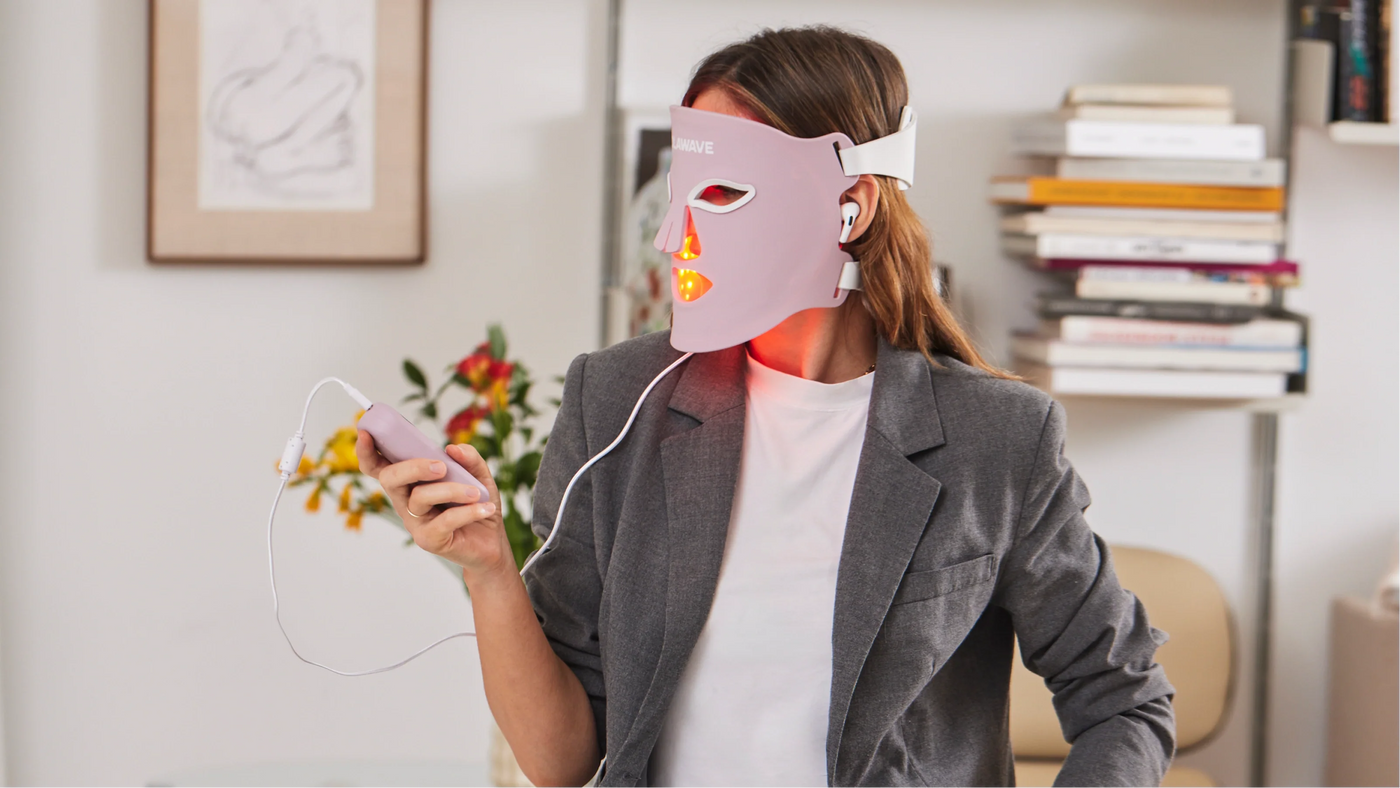
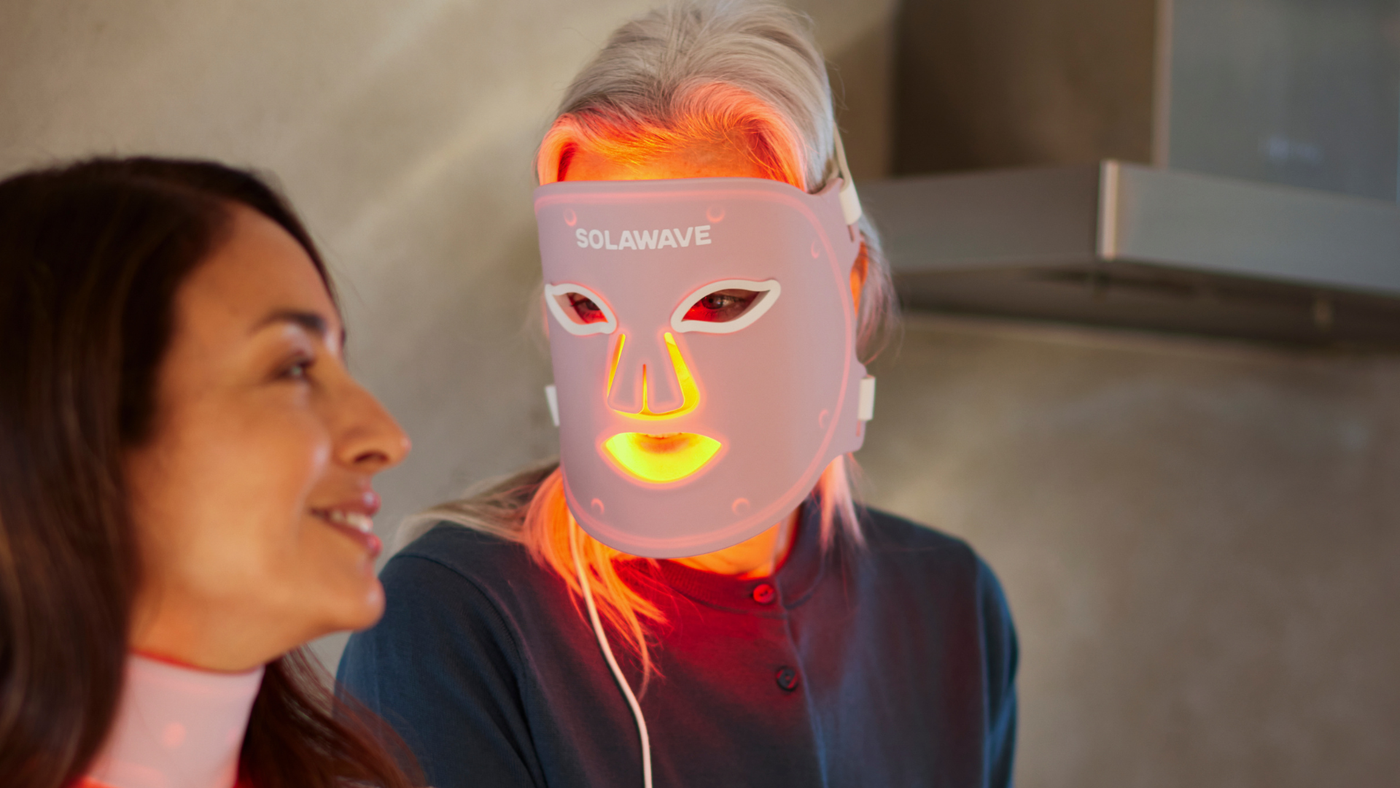
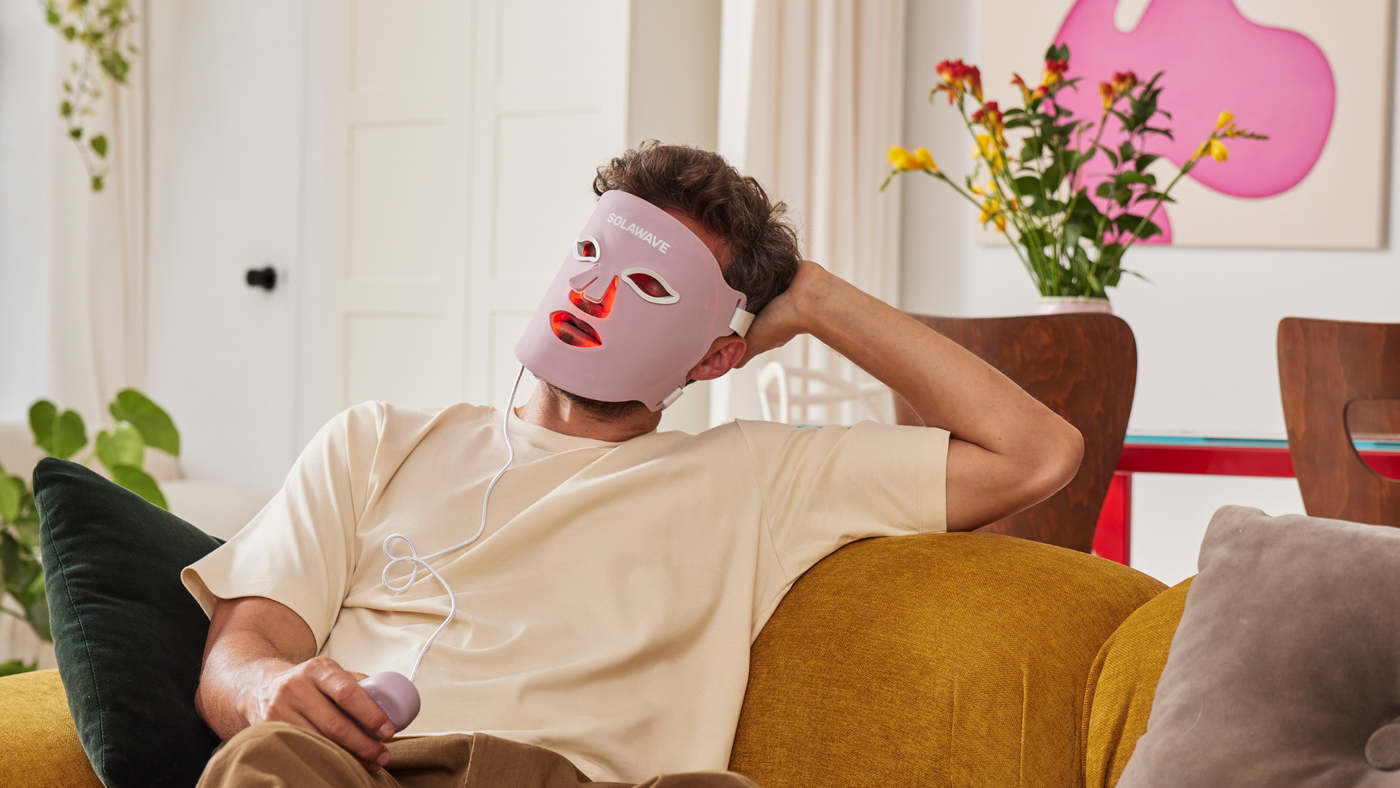
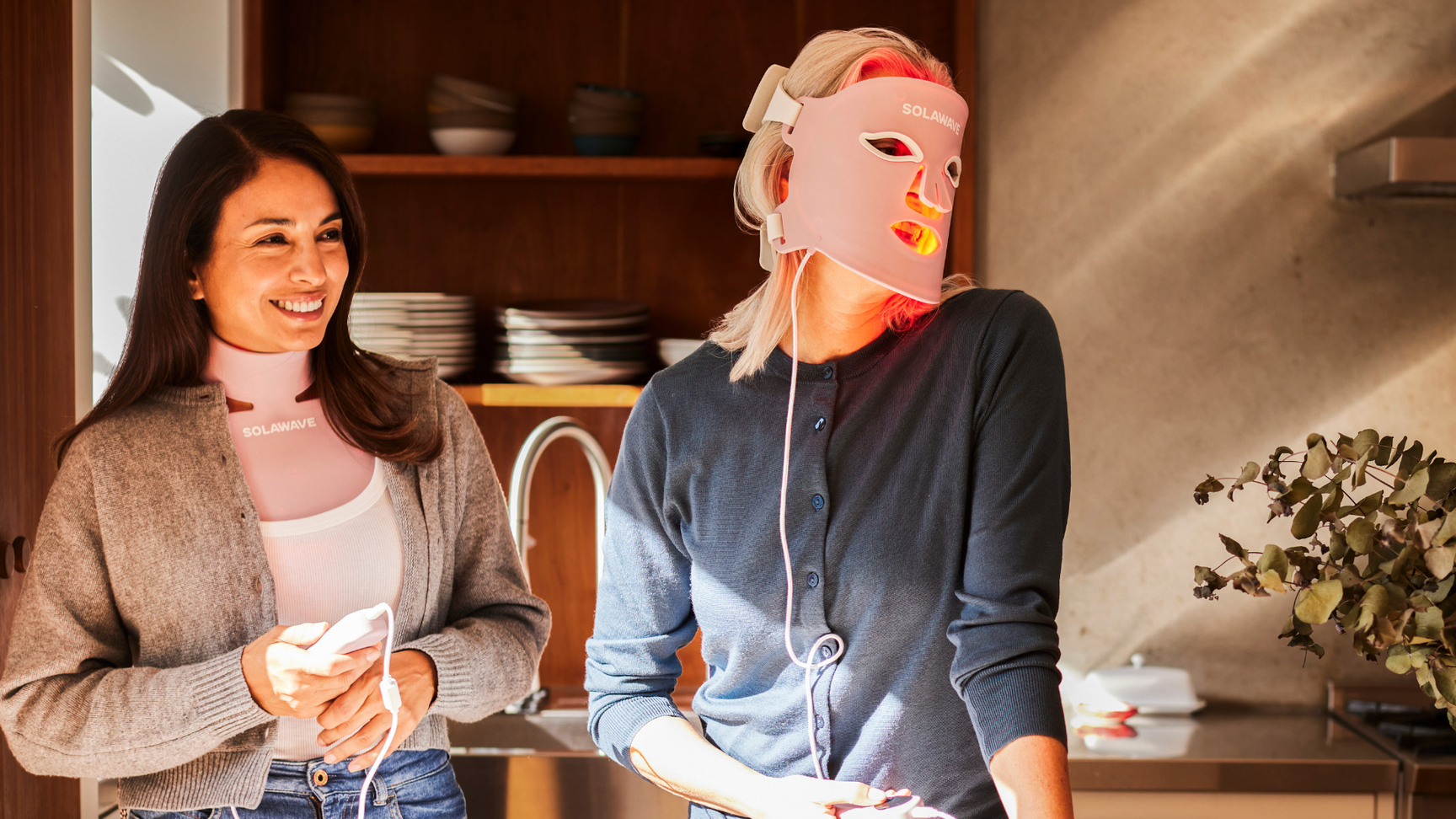
Solawave's FDA-cleared devices use clinically tested wavelengths to deliver professional-grade light therapy in your own home, on your own schedule. The Wrinkle Retreat Pro LED Face Mask delivers four therapeutic wavelengths through 320 dual-core LEDs with edge-to-edge coverage, treating the full face in just 3 minutes per session. It's clinically tested, backed by independent studies, and safe for all skin tones.
For targeted, zone-by-zone treatment of specific areas like smile lines, crow's feet, and under-eye puffiness, the 4-in-1 Skincare Wand combines red light therapy at 630nm with galvanic current, therapeutic warmth, and facial massage. The galvanic current drives the hydrating actives in the LightBoost Wand Activating Serum deeper into the skin for enhanced absorption. It takes just 12 minutes for a full-face session.
And for the neck and chest, the area that ages first but gets treated last, the Neck & Chest Pro Light Therapy Mask brings the same quad-wavelength technology to the skin below the jawline.
Solawave devices are FDA-cleared, clinically tested, and backed by a 60-day money-back guarantee. No appointments. No recovery time. No skin tone restrictions.
Because great skin tech shouldn't come with an exclusion list.
Results may vary. Individual results are not guaranteed.
IPL uses broad-spectrum light to target melanin and hemoglobin in the skin, reducing the appearance of sun damage, age spots, redness, broken capillaries, and fine wrinkles. It can also stimulate collagen production over time.
No. IPL is best suited for Fitzpatrick skin types I through III (light to medium skin). People with darker skin tones face higher risks of burns, hyperpigmentation, and pigmentation changes because IPL targets melanin.
IPL targets melanin and hemoglobin through selective photothermolysis. LED red light therapy targets mitochondria through photobiomodulation, which supports cellular energy production and collagen synthesis. Red light therapy is safe for all skin tones.
Most providers recommend five to six IPL sessions spaced two to four weeks apart, followed by maintenance treatments once or twice a year. Each session is performed in-office by a trained provider.
Solawave devices and IPL treat different things through different mechanisms. While IPL targets pigmented and vascular lesions in-office, Solawave's FDA-cleared LED devices support collagen production, smooth fine lines, and improve radiance at home, safely across all skin tones.
No. LED red light therapy is completely non-invasive with zero downtime, no UV exposure, and no irritation. Solawave treatments take just 3 to 12 minutes and fit seamlessly into any daily routine.