Rated 4.7 out of 5 stars
4.7 / 5


726,000+ customers
Free 60-Day Returns
1-Year Warranty
726,000+ customers
Free 60-Day Returns
1-Year Warranty
Your skin knows when you haven't slept. Before you even look in the mirror, the puffiness, dullness, and deeper-looking fine lines have already given you away. But the impact of sleep on skincare goes far deeper than one rough night.
Sleep isn't downtime for your skin. It's the most active repair window your body has.
While you're sleeping, your body shifts into recovery mode. Blood flow to the skin increases, delivering oxygen and nutrients that fuel cellular repair. Collagen production ramps up, helping maintain the structural proteins that keep skin firm and resilient. And your skin's barrier function works to restore moisture levels that were depleted throughout the day.
Think of it this way. During the day, your skin is in defense mode, fighting UV exposure, pollution, and environmental stressors. At night, it switches to offense, actively repairing, rebuilding, and regenerating. When you cut that repair window short, the damage from the day doesn't fully get addressed, and it starts to accumulate.
The short answer is yes, and the research backs it up.
A 2015 clinical study published in Clinical and Experimental Dermatology evaluated 60 women between the ages of 30 and 49, split between good sleepers and poor sleepers. The results were significant. Women who regularly got poor-quality sleep showed increased signs of intrinsic skin aging, diminished skin barrier function, and lower satisfaction with their overall appearance. Good sleepers also recovered 30% faster from skin barrier disruption compared to poor sleepers.
Another study published in Clinical, Cosmetic and Investigational Dermatology found that regular late bedtimes significantly affected skin physiology, including hydration, texture, and even the skin's bacterial microbiome. In other words, consistently staying up late doesn't just make you tired. It changes your skin at a measurable, biological level.
The American Academy of Sleep Medicine has also highlighted the connection between sleep health and skin health, reinforcing that "beauty sleep" isn't just a figure of speech. It's a real physiological process.
You've seen it on yourself. After a bad night, the evidence shows up fast. Dark circles, puffiness, sallow tone, and fine lines that look more pronounced than usual. But why does one or two nights of poor sleep make such a visible difference?
When you don't sleep enough, your body produces more cortisol. Elevated cortisol triggers inflammation, which breaks down collagen and hyaluronic acid, the two molecules responsible for keeping skin plump, smooth, and elastic. At the same time, reduced blood flow during poor sleep means your skin gets fewer nutrients and less oxygen, which is why you wake up looking dull instead of refreshed.
Your skin's moisture balance also takes a hit. Sleep deprivation impairs barrier function, which means your skin loses water faster and struggles to hold onto hydration. That's why skin often feels tight and looks flat after a rough night.
Over time, this cycle compounds. Less collagen production. More inflammation. Weaker barrier function. Increased water loss. The result is skin that ages faster than it should, and no amount of concealer can fully mask what's happening underneath.
Getting 7 to 9 hours of quality sleep is the foundation. But if you're already doing that and still want to maximize your skin's overnight results, what you do in those final minutes before bed matters more than most people realize.
This is where red light therapy fits naturally into a nighttime skincare ritual. Red light at 630nm is absorbed by cytochrome c oxidase, an enzyme in the mitochondria. This triggers increased ATP production, essentially giving your cells more energy to fuel their natural repair and regeneration processes. Using red light therapy in the evening primes your skin cells with the energy they need to make the most of that overnight recovery window.
The Solawave 4-in-1 Skincare Wand is designed to slot into an evening routine in just 12 minutes. Its four synchronized technologies work together. Red light therapy at 630nm supports collagen production. Galvanic current drives the LightBoost Wand Activating Serum deeper into the skin for enhanced hydration. Therapeutic warmth soothes and de-puffs. And facial massage stimulates lymphatic drainage to help your skin look visibly lifted and refreshed.
In an 8-week clinical study of 33 participants who used the wand with the activating serum five times per week, 97% said their skin looked more radiant and glowing, and 88% saw a visible reduction in fine lines and wrinkles.
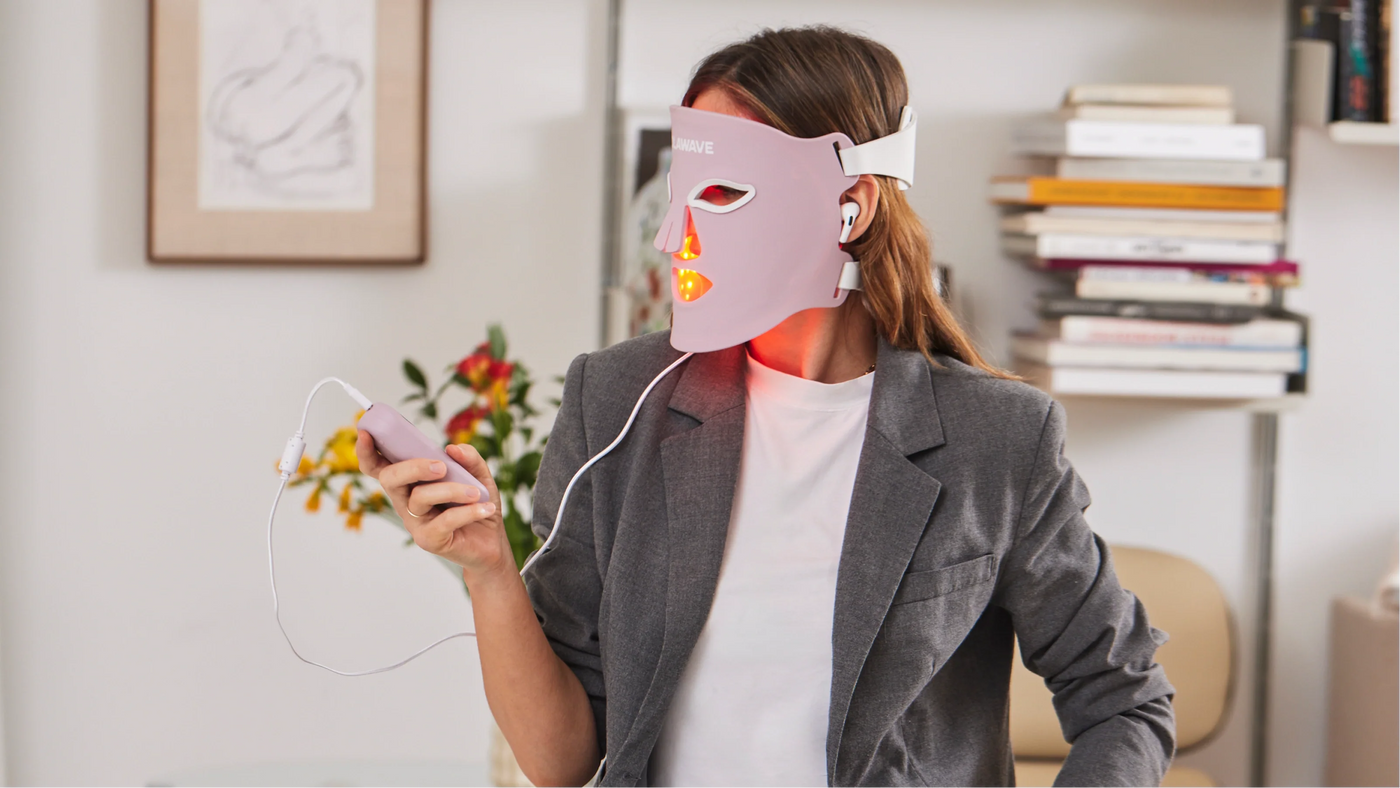
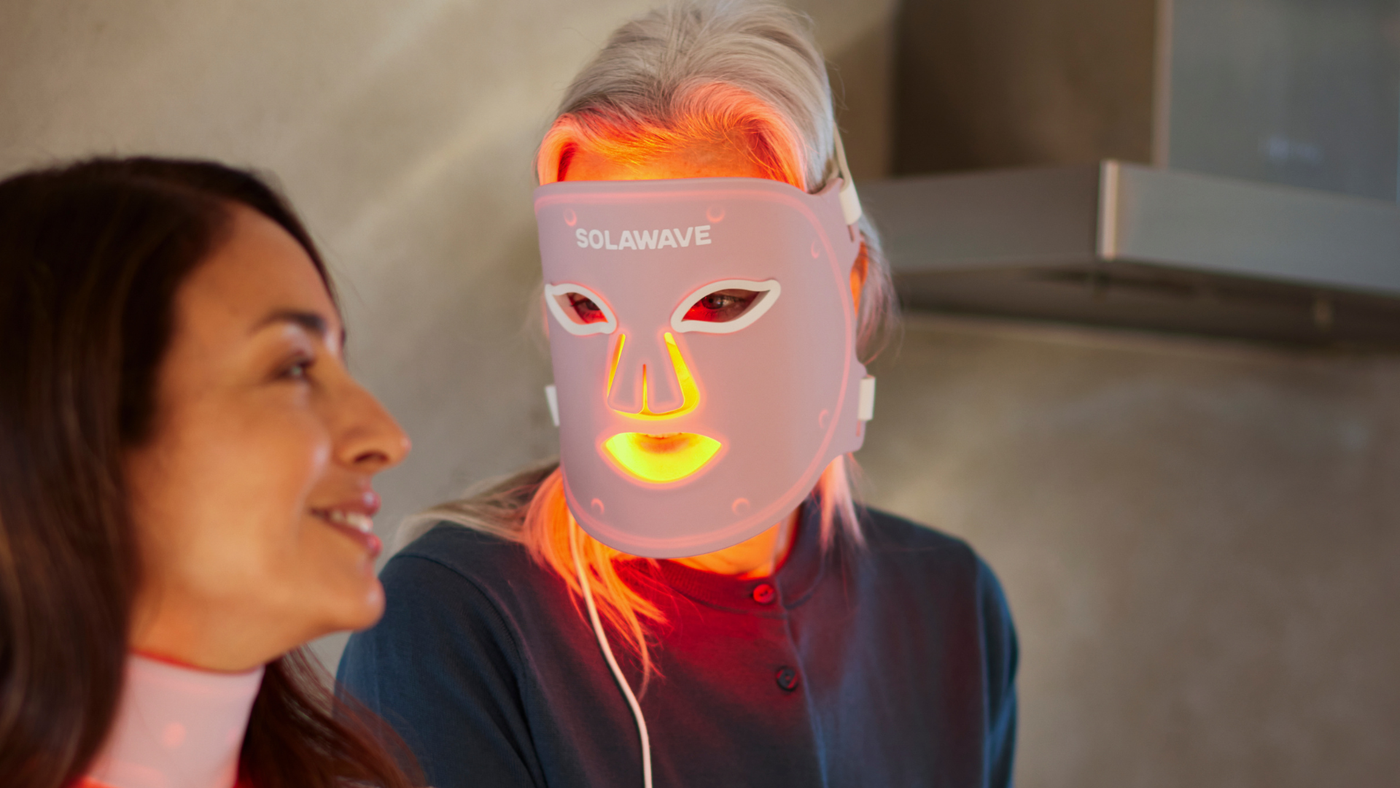
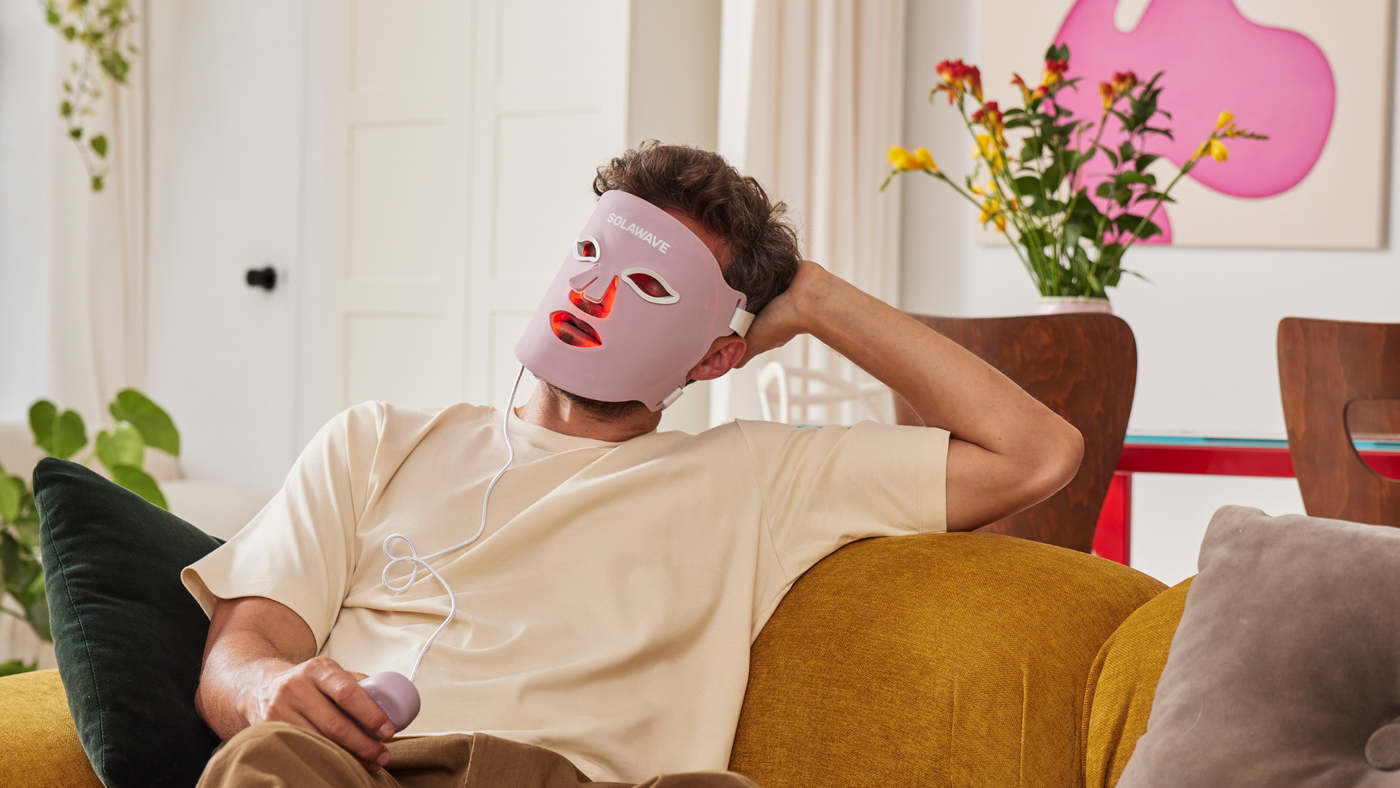
For hands-free, full-face coverage, the Wrinkle Retreat Pro LED Face Mask delivers four therapeutic wavelengths in just 3 minutes. With 320 dual-core LEDs, it targets fine lines, uneven tone, and dullness across the entire face with zero blind spots. In an independent 56-day clinical study of 30 participants, 100% showed visible improvement in fine lines, brightness, and skin texture.
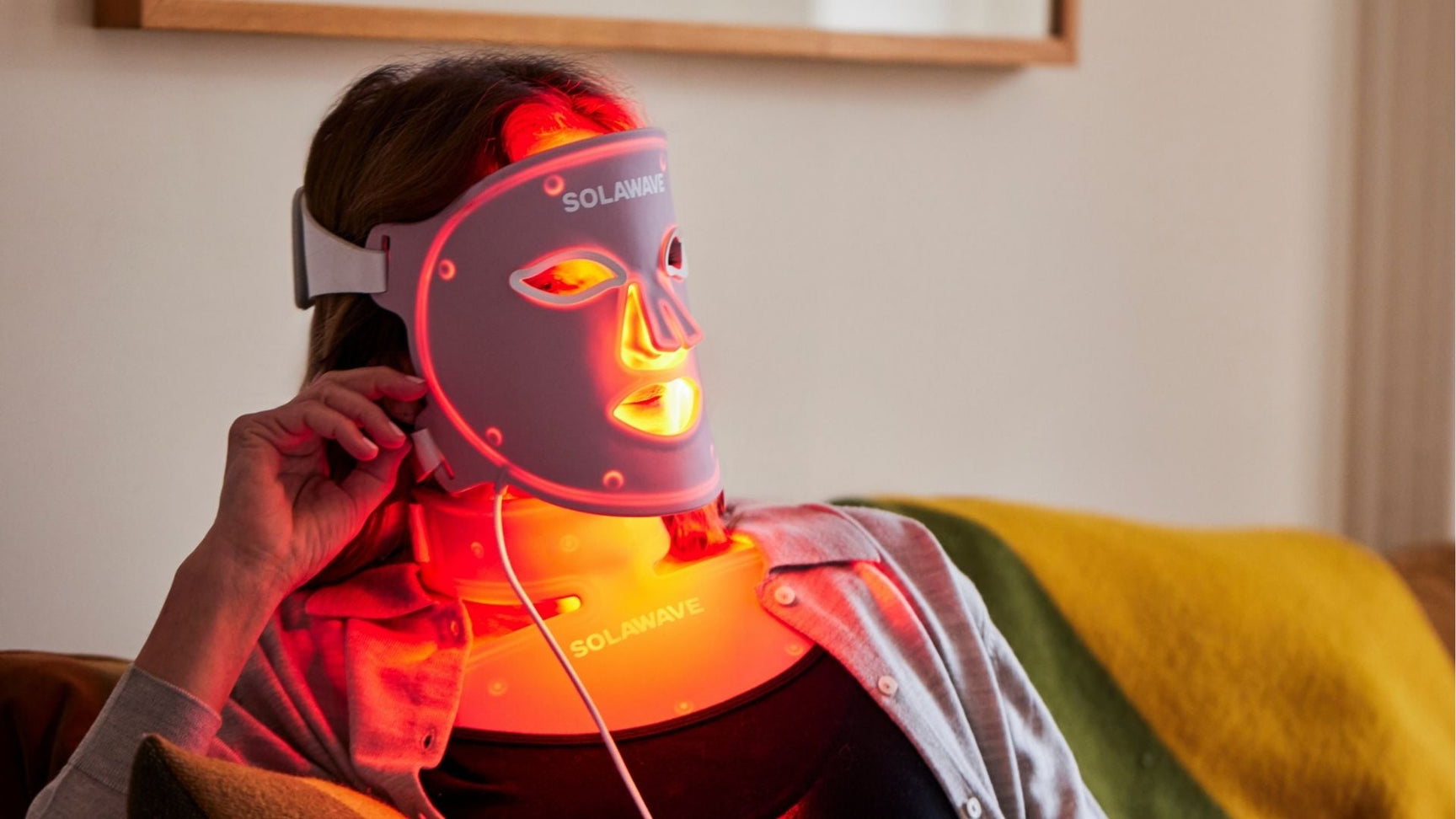
And the skin below your jawline deserves the same attention. Your neck and chest repair overnight too, and the Neck & Chest Pro Light Therapy Mask brings that same quad-wavelength technology to the most neglected area of your routine.
This is a common question, and it's worth addressing. Red light therapy devices like Solawave's are designed for short, targeted sessions, not prolonged overnight exposure. A quick evening session before your nighttime skincare primes your cells for repair, but you don't need to sleep with any lights on.
Curious about the details? Solawave has explored this topic further in their guides on why you shouldn't sleep with red lights on and whether to use red light therapy before bed.
The takeaway is simple. Use your device as part of your evening wind-down, then let your skin do the rest while you sleep. Three to twelve minutes of targeted light therapy, followed by hours of uninterrupted cellular repair. That's the combination that works.
All Solawave devices are clinically tested, and backed by a 60-day money-back guarantee and 1-year warranty. Your best skin starts with better sleep and smarter science.
Results may vary. Individual results are not guaranteed.
Poor sleep reduces collagen production, increases cortisol-driven inflammation, and weakens the skin barrier. Research shows that chronic poor sleepers exhibit more signs of intrinsic skin aging and recover more slowly from environmental damage.
Most dermatologists recommend 7 to 9 hours of quality sleep per night. During deep sleep, blood flow to the skin increases and growth hormone release peaks, supporting collagen synthesis and cellular repair.
Red light at 630nm supports cellular energy production by boosting ATP in the mitochondria. Using it before bed primes skin cells for overnight repair, which can help visibly improve radiance, firmness, and fine lines over time.
Both work, but evening sessions align well with your skin's natural overnight repair cycle. A quick 3-to-12-minute session before bed gives your cells extra energy right when they need it most.
Yes. Poor sleep reduces blood circulation and increases fluid retention, leading to visible dark circles and under-eye puffiness. These effects are often among the first signs of a rough night.
No. Solawave devices are designed for short, targeted sessions of 3 to 12 minutes. They are not intended for overnight use. Complete your treatment before bed, then let your skin recover naturally while you sleep.