Rated 4.7 out of 5 stars
4.7 / 5


726,000+ customers
Free 60-Day Returns
1-Year Warranty
726,000+ customers
Free 60-Day Returns
1-Year Warranty
If you've been anywhere near a skincare aisle or social media feed lately, you've probably seen niacinamide everywhere. And unlike a lot of trendy ingredients that fizzle out, this one has decades of research behind it. The real question isn't whether niacinamide works. It's how to use it the right way to get the most out of it.
Niacinamide is a form of vitamin B3, a water-soluble nutrient your body needs but doesn't produce enough of on its own. When applied topically, it gets absorbed into the skin and goes to work on multiple fronts at once.
Think of it as a true multitasker. Research published in the journal Pharmaceutics shows that niacinamide supports the skin barrier by boosting the production of ceramides, the lipid molecules that keep moisture locked in and irritants out. A stronger barrier means skin that holds onto hydration better, feels less reactive, and looks visibly smoother.
But that's just the starting point. Niacinamide also helps calm inflammation, which makes it a go-to ingredient for redness, acne-prone skin, and conditions like rosacea. It helps regulate oil production without stripping the skin dry. It supports collagen synthesis, which can visibly reduce the appearance of fine lines over time. And it helps fade the look of dark spots and uneven tone by influencing how melanin is distributed across the skin.
According to Baylor College of Medicine, niacinamide supports healthier skin both topically and systemically. And a comprehensive literature review in CosmoDerma describes it as a "multitasking marvel" for its wide-ranging efficacy across skin types and concerns.
The best part? It's gentle enough for almost everyone, including sensitive and acne-prone skin.
Using niacinamide is straightforward, but a few details make a difference.
Most studies showing visible results used formulations at 5% or lower. Higher isn't always better here. If you have sensitive skin, starting with a lower concentration and building up is a smart move.
Niacinamide can be used morning, evening, or both. It's stable in light, doesn't increase sun sensitivity, and plays well with most other skincare actives. That flexibility is part of what makes it so popular.
Apply niacinamide after cleansing and before heavier creams or moisturizers. If you're using it in serum form, a thin, even layer across the face, neck, and chest is all you need. For a deeper look at layering, this guide on how to apply serum in the correct order breaks it down step by step.
Niacinamide works beautifully alongside hyaluronic acid, peptides, and ceramides. These ingredients complement each other without competing, creating a well-rounded routine that targets hydration, firmness, and barrier repair all at once.
Here's where things get interesting. Niacinamide and red light therapy support your skin through two different but deeply connected cellular pathways. And when you combine them, those pathways work together.
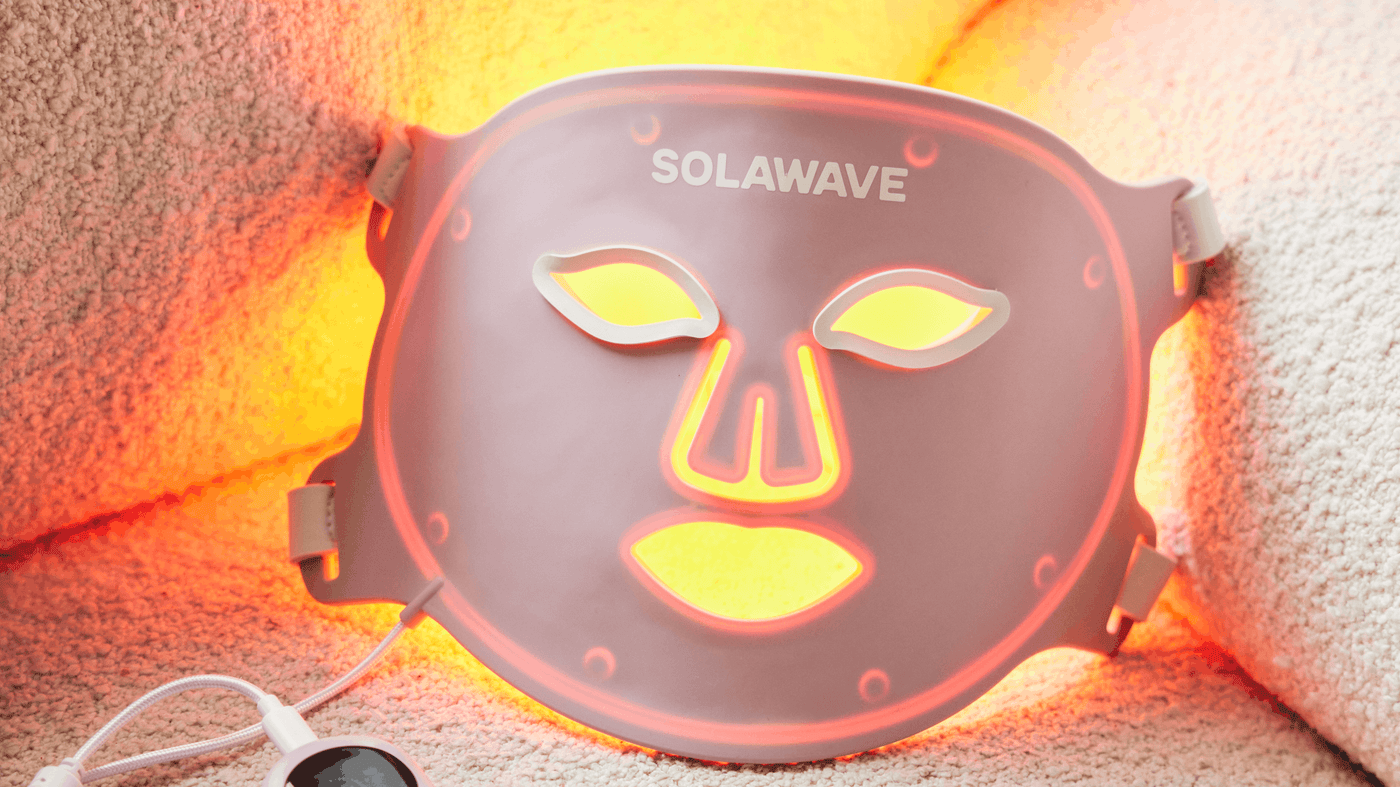
Red light therapy at 630nm is absorbed by cytochrome c oxidase, an enzyme inside the mitochondria of your skin cells. This triggers increased production of ATP, the energy molecule that powers cellular regeneration. More ATP means more collagen production, faster cell turnover, and visibly healthier skin.
Niacinamide, meanwhile, gets converted into NAD+ inside the body. NAD+ is a molecule that drives cellular repair and supports mitochondrial health. So while red light therapy is supercharging your cells' energy output, niacinamide is feeding the repair process that puts that energy to use.
Think of it this way. Red light gives your cells more fuel. Niacinamide gives them better tools to use it. Together, they create an environment where your skin's natural regenerative processes can function at their best.
This is exactly why certain skincare ingredients are recommended alongside red light therapy. Niacinamide, hyaluronic acid, and peptides are among the most effective pairings because they support the skin without interfering with light absorption.
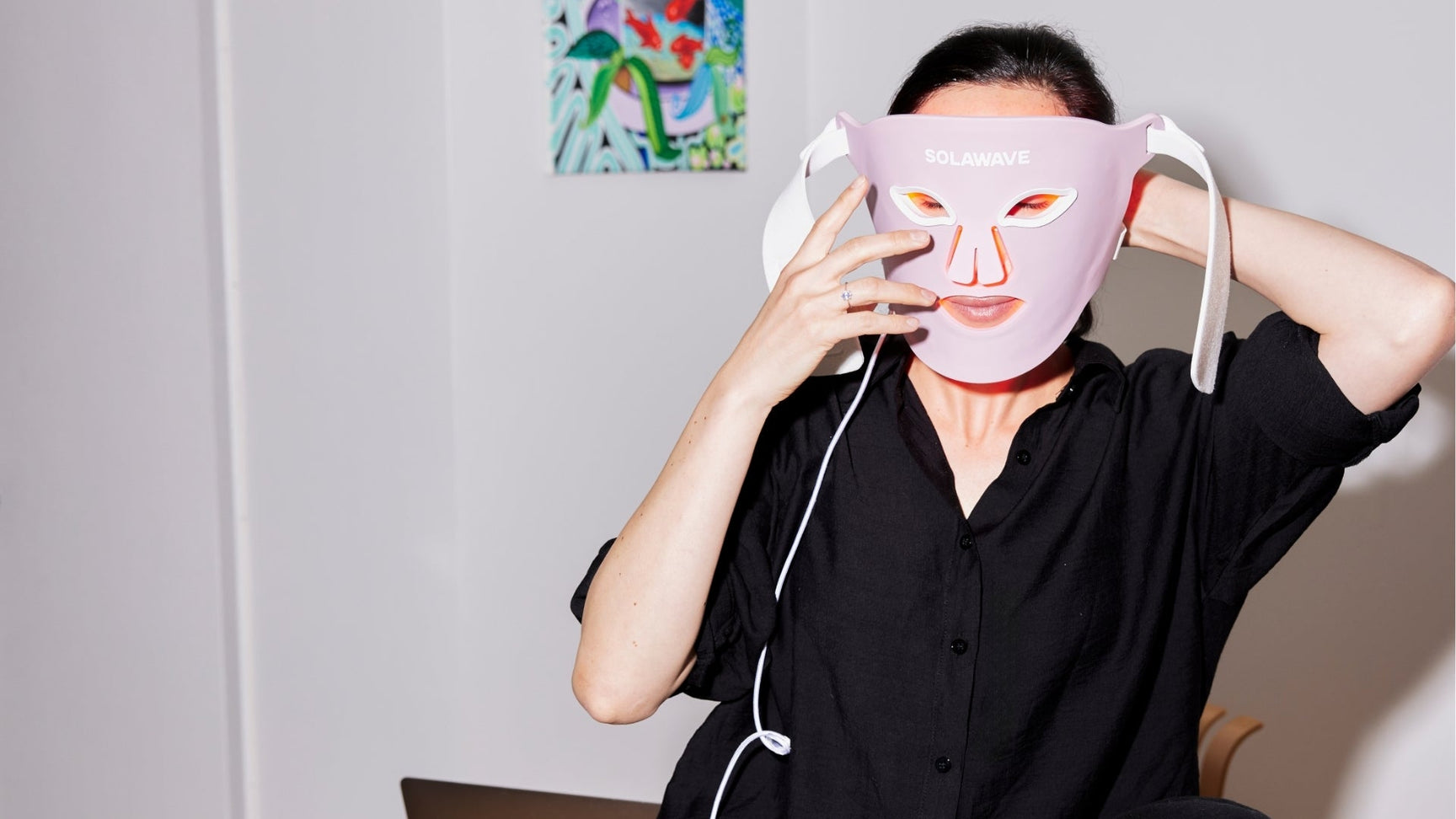
The LightBoost Face & Neck Serum includes niacinamide as a key ingredient in its formula, alongside five biomimetic growth factors, two neuropeptides, and the proprietary LightBoost Complex. It was designed specifically to pair with the Wrinkle Retreat Pro Face Mask and Neck & Chest Pro Mask, applied before your light therapy session for enhanced absorption.
The serum is lightweight, fast-absorbing, and formulated to visibly smooth fine lines, firm the feel of skin, and even tone across the face, neck, and chest. It's fragrance-free, vegan, cruelty-free, dermatologist-tested, and non-comedogenic.
For wand users, the LightBoost Wand Activating Serum is formulated with hyaluronic acid, peptides, and the LightBoost Complex to activate galvanic current technology while flooding the skin with hydration. Both serums are designed to work alongside niacinamide-containing products in your broader routine. For more on what to apply before red light therapy, Solawave's guide walks through the best practices.
Niacinamide isn't a one-trick ingredient. Its versatility is backed by research, and it addresses several of the most common skin concerns simultaneously.
By supporting collagen and elastin production, niacinamide helps visibly reduce the appearance of fine lines and improve skin's overall firmness over time.
Niacinamide influences melanin transfer within the skin, which can help fade the appearance of hyperpigmentation, sun spots, and post-inflammatory marks.
Its anti-inflammatory properties calm active breakouts, while its ability to regulate sebum production helps prevent new ones without drying out the skin.
By boosting ceramide production, niacinamide strengthens the skin barrier, reducing sensitivity, dryness, and irritation over time.
Whether from rosacea, environmental stress, or reactive skin, niacinamide helps calm visible redness and soothe irritation.
Most people begin to see visible results within 4 to 8 weeks of consistent daily use. Pairing niacinamide with red light therapy may help support those results even further by enhancing the cellular environment where repair and regeneration happen.
All Solawave devices are FDA-cleared, clinically tested, and backed by a 60-day money-back guarantee. Healthy skin takes time, but the investment is risk-free.
Yes. Niacinamide is gentle enough for daily use, morning and evening. It doesn't increase sun sensitivity and is well tolerated by most skin types, including sensitive and acne-prone skin.
Most research shows visible benefits at concentrations of 5% or lower. If you have sensitive skin, start with a lower concentration and build up gradually over a few weeks.
Absolutely. Niacinamide and hyaluronic acid complement each other well. Niacinamide strengthens the skin barrier while hyaluronic acid draws in and holds moisture, creating a hydrating, balanced routine.
For mask-based light therapy, apply a niacinamide serum before your session and allow it to absorb fully. The LightBoost Face & Neck Serum is designed specifically for this purpose.
Yes. Niacinamide is safe and beneficial for all Fitzpatrick skin types. Its ability to help fade hyperpigmentation and even skin tone makes it especially valuable for those concerned about dark spots or post-inflammatory marks.
Most people notice visible improvements in skin texture, tone, and hydration within 4 to 8 weeks of consistent daily use. Pairing it with red light therapy may support enhanced results over time.
 News
News