Rated 4.7 out of 5 stars
4.7 / 5


726,000+ customers
Free 60-Day Returns
1-Year Warranty
726,000+ customers
Free 60-Day Returns
1-Year Warranty
You've been diligent about sunscreen, committed to your retinol, and invested in quality skincare. Yet somehow your face looks older than it should. Before blaming genetics or product failures, consider a factor that no serum can fully address: stress.
The connection between stress and facial aging isn't just anecdotal. It's biological, measurable, and increasingly understood by dermatologists and researchers. Chronic stress fundamentally alters skin at the cellular level, accelerating aging in ways that topical products alone cannot reverse. Understanding cortisol and skin aging is the first step toward addressing this invisible but powerful aging accelerator.
Your skin and brain are more connected than you might realize. They share embryonic origins, communicate constantly through neural and hormonal pathways, and influence each other profoundly. When your brain perceives stress, your skin knows about it almost immediately.
When you encounter a stressor, whether a work deadline, relationship conflict, or simply the low-grade anxiety of modern life, your body activates the hypothalamic-pituitary-adrenal (HPA) axis. This triggers a cascade of hormonal responses designed to help you survive immediate threats.
Cortisol, often called the "stress hormone," is central to this response. Released by the adrenal glands, cortisol increases blood sugar, suppresses the immune system, and redirects resources toward immediate survival functions. In short bursts, this response is adaptive and even beneficial.
The problem is chronic activation. When stress becomes constant, cortisol levels remain elevated, and the systems designed for emergency response become sources of ongoing damage.
Skin contains cortisol receptors and can even produce its own cortisol in response to stress. According to dermatological research, elevated cortisol affects skin through multiple mechanisms.
Collagen degradation accelerates because cortisol activates enzymes called matrix metalloproteinases (MMPs) that break down collagen and elastin. These are the structural proteins that keep skin firm and resilient. More cortisol means more collagen destruction.
Collagen synthesis decreases simultaneously. While cortisol is busy breaking down existing collagen, it also inhibits the production of new collagen. You're losing structural support faster while replacing it slower, a recipe for accelerated aging.
Barrier function becomes compromised as cortisol impairs the skin barrier by reducing lipid production and disrupting the tight junctions between skin cells. A weakened barrier leads to dehydration, sensitivity, and increased vulnerability to environmental damage.
Inflammation increases because chronic cortisol exposure creates a pro-inflammatory state in the skin. This "inflammaging" drives cellular damage and accelerates virtually every aspect of skin aging.
Healing slows down because cortisol suppresses immune function, impairing the skin's ability to repair damage from UV exposure, pollution, and daily wear.
How do you know if stress is aging your face specifically? Stress-related aging has characteristic patterns and presentations.
The forehead develops horizontal lines from chronic tension and furrowing. These stress wrinkles often appear earlier and more prominently in highly stressed individuals.
Between the eyebrows, the "eleven lines" (vertical furrows) deepen from habitual frowning and concentration. These lines literally map your stress onto your face.
Around the eyes, crow's feet, and under-eye hollowing accelerate. Sleep disruption from stress compounds this, creating dark circles and puffiness alongside wrinkles.
Along the jawline and neck, tension-related patterns emerge. Clenching, grinding teeth, and holding tension in the jaw contribute to jowling and neck aging.
Dullness and sallowness develop because cortisol constricts blood vessels, reducing circulation and oxygen delivery to skin cells. The result is skin that looks tired, gray, and lifeless.
Texture changes emerge as skin becomes rougher, more uneven, and less luminous. Cell turnover slows under chronic stress, leaving dead cells to accumulate on the surface.
Breakouts increase because stress triggers increased oil production while simultaneously compromising barrier function and immune response. Adult acne often correlates with stress levels.
Sensitivity and reactivity worsen as stressed skin becomes more reactive to products, environmental factors, and minor irritants. What your skin tolerated before may suddenly cause problems.
Slow healing becomes apparent as minor blemishes that once resolved in days now linger for weeks. Cuts and wounds take longer to heal. This reflects cortisol's suppression of repair mechanisms.
Stress and facial aging connect through sleep in a vicious cycle. Stress disrupts sleep. Poor sleep increases cortisol levels the next day. Higher cortisol causes more stress and worse sleep the following night. Meanwhile, skin misses out on the deep sleep phases when repair and regeneration occur.
If you're sleeping poorly and your skin shows it, stress may be the root cause rather than inadequate skincare.
Cortisol and skin aging don't exist in isolation. Stress amplifies virtually every other factor that ages skin.
UV exposure damages DNA in skin cells. Normally, repair mechanisms fix much of this damage. But cortisol impairs DNA repair, meaning more sun damage becomes permanent under chronic stress. That same amount of UV exposure causes more lasting harm in a stressed person than in a relaxed one.
Stress often triggers poor eating habits: more sugar, more processed foods, less nutrient density. These dietary patterns increase glycation (sugar binding to proteins, including collagen) and reduce the raw materials needed for skin repair. Stress makes dietary insults hit harder.
Pollution, smoke, and environmental toxins generate free radicals that damage skin. Antioxidant defenses normally neutralize much of this damage. But chronic stress depletes antioxidant reserves and impairs the body's ability to respond to oxidative stress. Environmental damage accumulates faster.
Conditions like eczema, psoriasis, rosacea, and acne all worsen under stress. If you have any predisposition to skin issues, stress will find it and make it worse.
Addressing stress-related aging requires a dual approach: reducing cortisol's impact on skin through targeted skincare while simultaneously addressing the stress itself. Neither alone is sufficient.
Your skincare routine should prioritize barrier repair since compromised barrier function underlies many stress-related skin issues. Focus on ceramides, fatty acids, cholesterol, and niacinamide to restore barrier integrity.
The LightBoost Niacinamide Face and Neck Serum provides barrier-strengthening benefits that help counteract cortisol's disruptive effects on skin structure.
Anti-inflammatory ingredients become essential because chronic inflammation drives stress-related aging. Incorporate calming ingredients like centella asiatica, green tea extract, licorice root, and chamomile. Avoid products that trigger inflammation, even if they promise dramatic results.
Antioxidant protection helps replenish depleted defenses. Vitamin C, vitamin E, niacinamide, and botanical antioxidants help neutralize the increased oxidative stress that cortisol creates. Apply antioxidants in the morning to protect against daily environmental assault.
Deep hydration counteracts how cortisol compromises skin's ability to retain moisture. Hyaluronic acid, glycerin, and other humectants help maintain hydration levels that stressed skin can't maintain on its own.
The LightBoost Face and Neck Cream delivers intensive hydration to support skin that's struggling under chronic stress conditions.
Red light therapy has emerged as a particularly effective intervention for stress-related skin aging because it addresses the problem at the cellular level.
While cortisol impairs mitochondrial function and reduces cellular energy, red light therapy does the opposite. It stimulates mitochondria to produce more ATP, the energy currency that powers all cellular processes, including collagen production, repair, and regeneration.
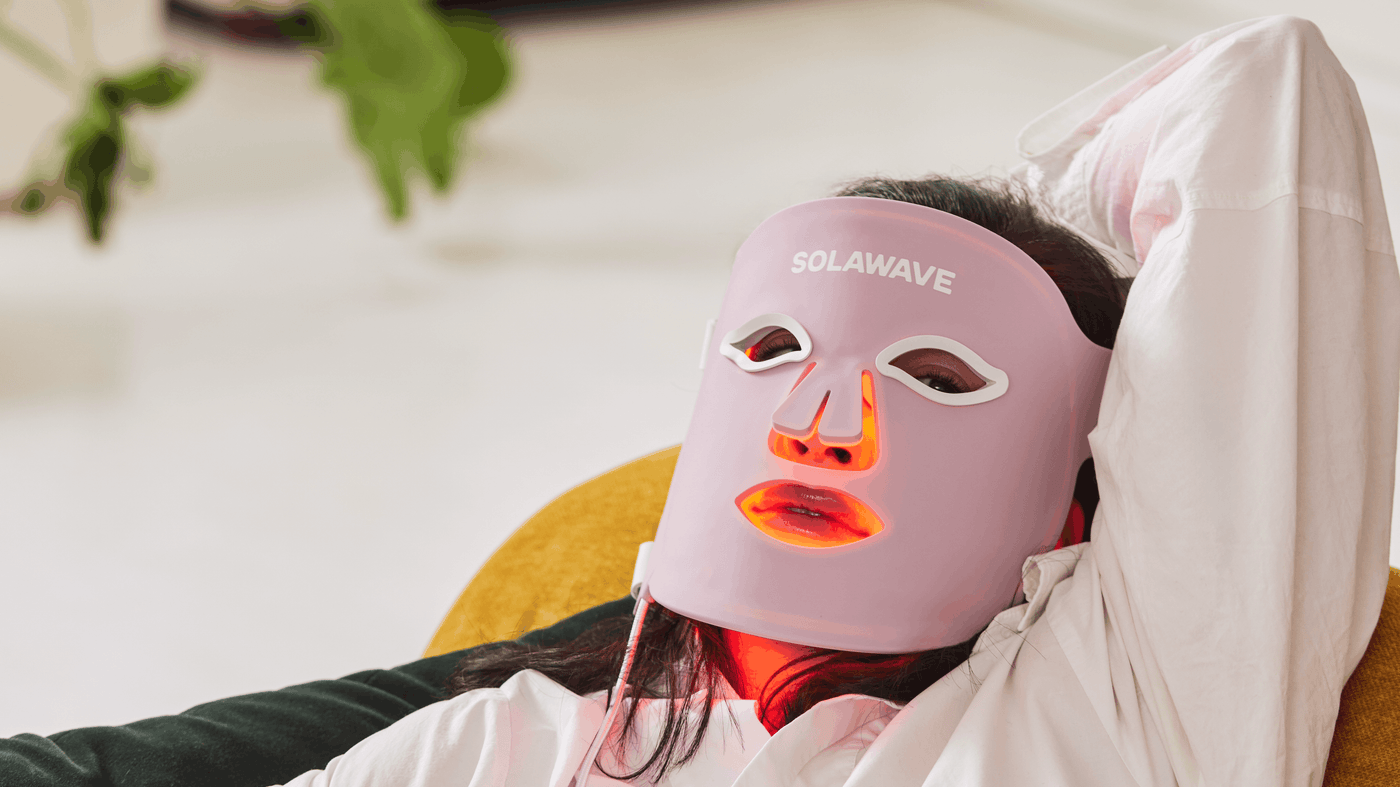
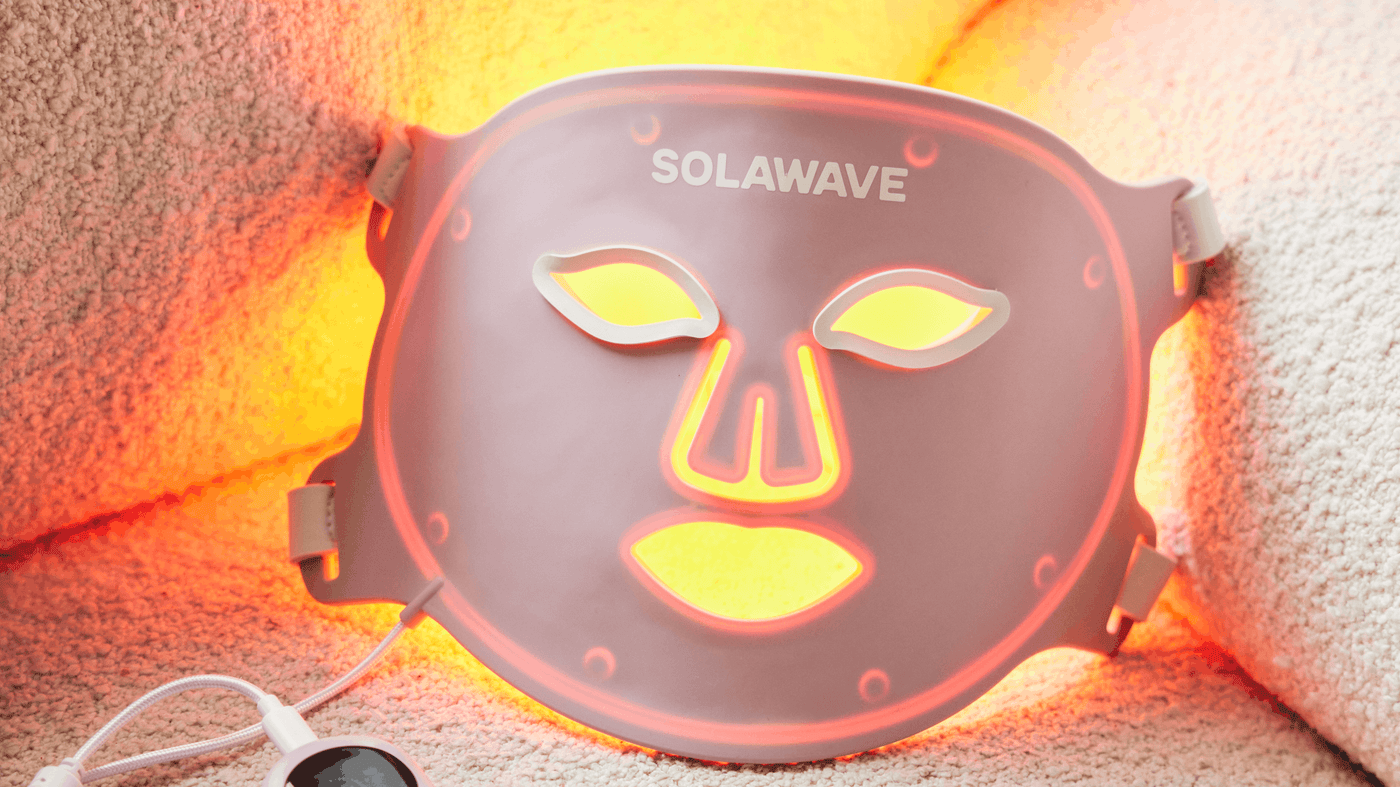
The Red Light Therapy Face Mask delivers four therapeutic wavelengths (Red 630nm, Deep Red 660nm, Amber 605nm, and Near-Infrared 830nm) through 320 medical-grade LEDs. FDA-cleared and requiring just 3-minute sessions, it helps restore the cellular function that chronic stress depletes.
Red light therapy also has documented anti-inflammatory effects, helping calm the inflammaging that cortisol promotes. And crucially, the act of using a light therapy device can itself become a stress-reduction ritual, addressing both sides of the cortisol-skin equation simultaneously.
For targeted treatment, the red light therapy wand combines red light with facial massage, therapeutic warmth, and galvanic current. The wand requires a water-based serum like the LightBoost Activating Serum to activate all four technologies.
In the morning, cleanse gently without stripping already-compromised barriers. Apply vitamin C or another antioxidant serum to protect against the day's environmental stressors. Follow with hydrating serum to support moisture retention. Use moisturizer with ceramides or barrier-supporting ingredients. Finish with SPF 30 or higher, since stressed skin is more vulnerable to UV damage.
In the evening, double cleanse to thoroughly remove the day's pollution and products. Use red light therapy for 3-10 minutes, depending on the device. Apply barrier-supporting serum for overnight repair. Use the LightBoost Collagen Caffeine Eye Cream for the delicate eye area, which shows stress prominently. Finish with a rich moisturizer to support overnight recovery.
The red light therapy eye mask provides targeted treatment for the eye area, addressing the dark circles, puffiness, and fine lines that stress creates.
For neck and chest, areas often neglected but visibly aged by stress, the Neck & Chest Rejuvenating Mask extends light therapy benefits beyond the face.
Cortisol skincare matters, but it's only half the equation. You cannot fully counteract chronic stress through topical products alone. Reducing actual cortisol levels is essential for long-term skin health.
Meditation and mindfulness practices have documented effects on cortisol levels. Even brief daily practice (10-15 minutes) can meaningfully reduce chronic stress activation. Apps, classes, and guided programs make starting easier than ever.
Physical activity reduces cortisol and increases endorphins. The type matters less than consistency. Walking, yoga, strength training, dancing, whatever you'll actually do regularly works better than the "optimal" exercise you'll skip.
Sleep hygiene directly affects cortisol. Establish consistent sleep and wake times. Reduce blue light exposure in the evening. Create a cool, dark sleeping environment. Avoid caffeine after early afternoon.
Social connection buffers against stress. Meaningful relationships and social support reduce cortisol responses to stressors. Prioritize time with people who make you feel good.
Nature exposure lowers cortisol measurably. Even a brief time outdoors, especially in green spaces, reduces stress hormones. A daily walk in a park does more than you might expect.
Therapy and professional support help when stress feels unmanageable. Cognitive behavioral therapy, in particular, has strong evidence for reducing chronic stress activation.
Caffeine increases cortisol release. This doesn't mean you must eliminate coffee, but consider moderating intake and timing consumption for morning hours only.
Alcohol disrupts sleep and dehydrates skin while also increasing cortisol. Reducing alcohol often produces noticeable skin improvements within weeks.
Sugar triggers cortisol spikes and increases glycation damage to collagen. Reducing added sugar benefits skin from multiple angles.
Smoking dramatically accelerates skin aging through direct toxicity and increased cortisol. If you smoke, quitting provides more skin benefits than any product or treatment.
For some people, skincare has become another source of stress rather than self-care. Complicated routines, product overwhelm, and anxiety about "doing it right" add stress rather than reducing it.
If this resonates, simplify ruthlessly. A basic routine done consistently beats an elaborate routine done sporadically. The stress of maintaining a complex routine may be counteracting whatever benefits the products provide.
Reframe skincare as self-care. The few minutes you spend caring for your skin can become a meditative practice rather than a chore. The act of applying a mask, feeling products absorb, and seeing your reflection improve can all become small positive moments in your day.
Red light therapy fits naturally into stress-reducing self-care. The warmth, the glow, the enforced stillness of a 3-10 minute session creates a pocket of calm. All Solawave devices are FSA/HSA eligible and recommended by dermatologists, making them both practical investments and self-care tools.
Addressing stress and facial aging takes time. Collagen doesn't rebuild overnight. Cortisol patterns don't shift in a week. Set realistic expectations and track progress appropriately.
Take photos under consistent lighting weekly or biweekly. Changes are often too gradual to notice day-to-day, but become apparent in comparison photos.
Track your stress levels using a simple journal or app. Note major stressors, sleep quality, and how your skin looks and feels. Patterns emerge over time.
Notice skin behavior beyond appearance. Is your skin less reactive? Healing faster? Looking less dull and tired? These functional improvements often precede visible anti-aging results.
Give your interventions time. Expect 8-12 weeks before seeing significant changes from skincare adjustments, and longer for lifestyle changes to show full effects.
Understanding the cortisol-skin connection reveals why skincare alone sometimes isn't enough. How stress is aging your face isn't just a vague concern but a measurable biological process that accelerates every aspect of skin aging. Stress wrinkles are real, cortisol-driven collagen loss is documented, and the inflammaging that chronic stress creates underlies many skin complaints that products fail to resolve. Effective cortisol skincare combines barrier support, anti-inflammatory ingredients, cellular-level treatments like red light therapy, and crucially, actual stress reduction. Neither skincare nor stress management alone fully addresses stress and facial aging. Together, they offer a comprehensive approach to an aging factor that too often goes unaddressed. Your face isn't just reflecting your years. It's reflecting your stress. Address both, and you address more of the aging equation than any single product ever could.
Ready to support your skin against stress-related aging? Shop Solawave's skincare collection today.
Yes. Cortisol and skin aging are directly connected through multiple mechanisms. Cortisol accelerates collagen breakdown while inhibiting new collagen production. It also causes chronic inflammation that damages skin tissue over time. The resulting loss of structural support and ongoing cellular damage create and deepen wrinkles faster than would occur from aging alone.
Acute stress can affect skin within hours, triggering inflammation, breakouts, and dullness. Chronic stress effects accumulate over weeks, months, and years. You might notice increased sensitivity or breakouts within days of a stressful period, while structural aging from sustained cortisol elevation develops over longer timeframes.
Research supports that stress reduction improves skin outcomes. Studies have shown that stress management interventions improve wound healing, reduce inflammatory skin condition flares, and enhance overall skin appearance. The improvements may take weeks to months to become visible, but the biological mechanisms are well-established.
Red light therapy helps counteract several effects of chronic stress on skin. It stimulates mitochondrial function and cellular energy production, which cortisol depletes. It has anti-inflammatory effects that address inflammaging. And it supports collagen production that cortisol suppresses. It doesn't eliminate cortisol from your system, but it helps address cortisol's effects on skin.
Skincare products work on the surface and upper layers of skin. Cortisol affects skin from the inside out through hormonal and cellular pathways that topical products cannot fully address. No matter how perfect your routine, if cortisol is constantly breaking down collagen and creating inflammation from within, you're fighting against internal forces that external products cannot completely overcome. That's why addressing stress itself, not just its skin effects, is essential.
 News
News