Rated 4.7 out of 5 stars
4.7 / 5


726,000+ customers
Free 60-Day Returns
1-Year Warranty
726,000+ customers
Free 60-Day Returns
1-Year Warranty
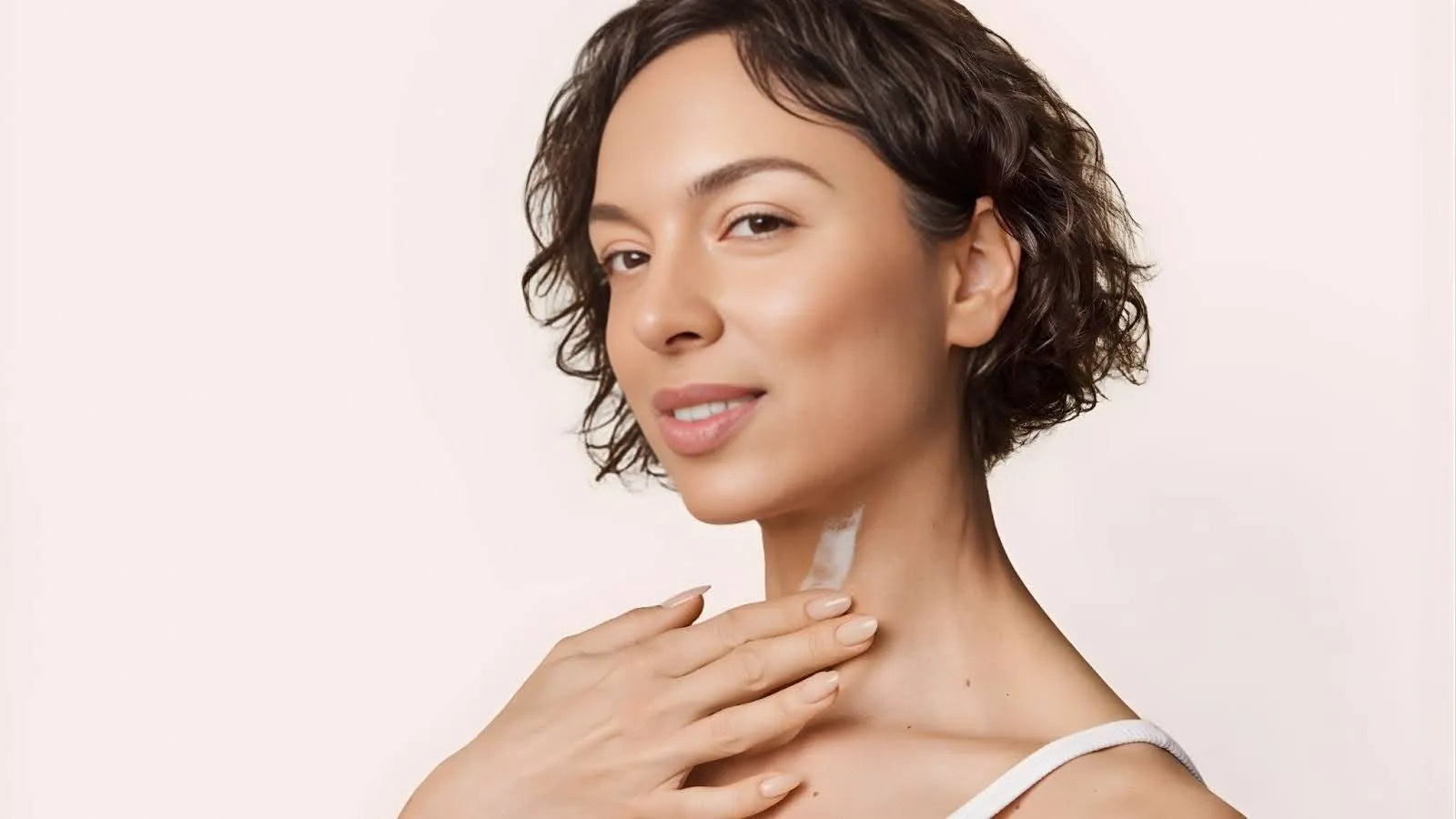
You've perfected your facial skincare routine, but have you looked in the mirror lately and noticed your neck and chest telling a different story? The décolleté, that delicate area spanning your neck and upper chest, often reveals signs of aging before your face does. Understanding the decollete skin vs face skin comparison helps explain why this happens and what you can do about it.
The skin on your décolleté is fundamentally different from facial skin in several important ways. These structural variations explain why the two areas age differently and require distinct care approaches.
Facial skin varies in thickness across different zones, with the forehead and cheeks being relatively robust. The neck skin vs face skin difference becomes apparent when you consider that neck and chest skin is significantly thinner, containing fewer collagen fibers and less structural support. This thinner composition makes the décolleté more susceptible to sagging, crepiness, and fine lines.
The chest area has even less subcutaneous fat than the neck, meaning there's minimal cushioning between the skin and underlying muscle. This is why chest skin vs face skin shows such dramatic differences in how wrinkles form and deepen over time.
Your face contains a high concentration of sebaceous (oil) glands, particularly in the T-zone. These glands produce sebum that naturally moisturizes and protects your skin. The décolleté has far fewer oil glands, leaving this area chronically under-moisturized compared to your face.
This lack of natural lubrication means the décolleté is more prone to:
Melanocytes, the cells responsible for producing pigment, are distributed differently across your body. The chest area is particularly vulnerable to uneven pigmentation because sun exposure affects melanocyte activity in this region more dramatically. This explains why sun spots, freckles, and hyperpigmentation often appear more prominently on the décolleté than on well-protected facial skin.
Several factors combine to make the décolleté one of the first areas to show visible signs of aging.
According to dermatological research, the chest receives significant cumulative UV exposure throughout life, yet most people neglect to apply sunscreen below the chin. While you might diligently protect your face, your décolleté often goes unprotected in V-neck tops, dresses, and swimwear. This asymmetric sun protection creates a visible divide between facial skin and chest skin over time.
Your neck moves constantly throughout the day, creating horizontal creases that deepen with repetition. Side sleeping compresses the chest, creating vertical lines between the breasts that become more pronounced with age. Facial skin, while also subject to expression lines, doesn't experience the same degree of mechanical stress from sleeping positions.
Most skincare routines stop at the jawline. The décolleté rarely receives the same attention as the face in terms of cleansing, treatment serums, moisturizers, and sun protection. This neglect compounds over the years, resulting in a noticeable contrast between a well-maintained face and an aging chest.
Understanding the specific concerns affecting each area helps you target your skincare more effectively.
|
Concern |
Face |
Décolleté |
|
Primary wrinkle type |
Expression lines (crow's feet, forehead) |
Horizontal neck lines, vertical chest creases |
|
Texture issues |
Enlarged pores, uneven tone |
Crepey, thin, papery texture |
|
Pigmentation |
Sun spots, melasma |
Poikiloderma (red/brown discoloration) |
|
Sagging pattern |
Jowls, nasolabial folds |
Loose neck skin, chest draping |
|
Oil production |
Often adequate or excessive |
Chronically dry |
Given the structural differences between decollete skin vs face skin, your chest and neck area benefits from targeted treatments designed specifically for its unique needs.
Red light therapy has emerged as one of the most effective treatments for addressing décolleté aging. Because neck and chest skin is thinner, it responds well to light wavelengths that stimulate collagen production at a cellular level.
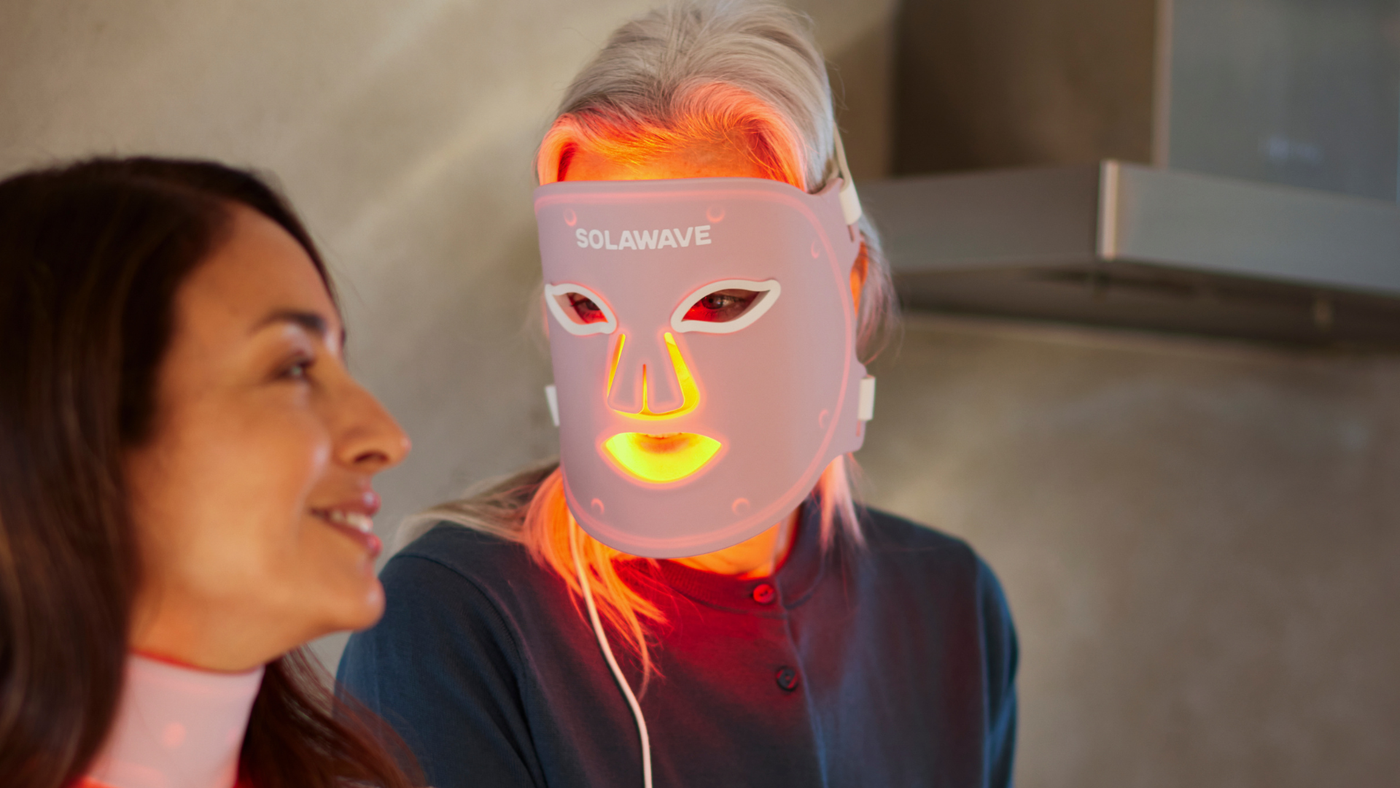
The Neck & Chest Rejuvenating Mask is specifically designed to target this often-neglected area. Featuring medical-grade LEDs, it delivers therapeutic light wavelengths directly to the neck and chest for visible improvement in skin texture and firmness.
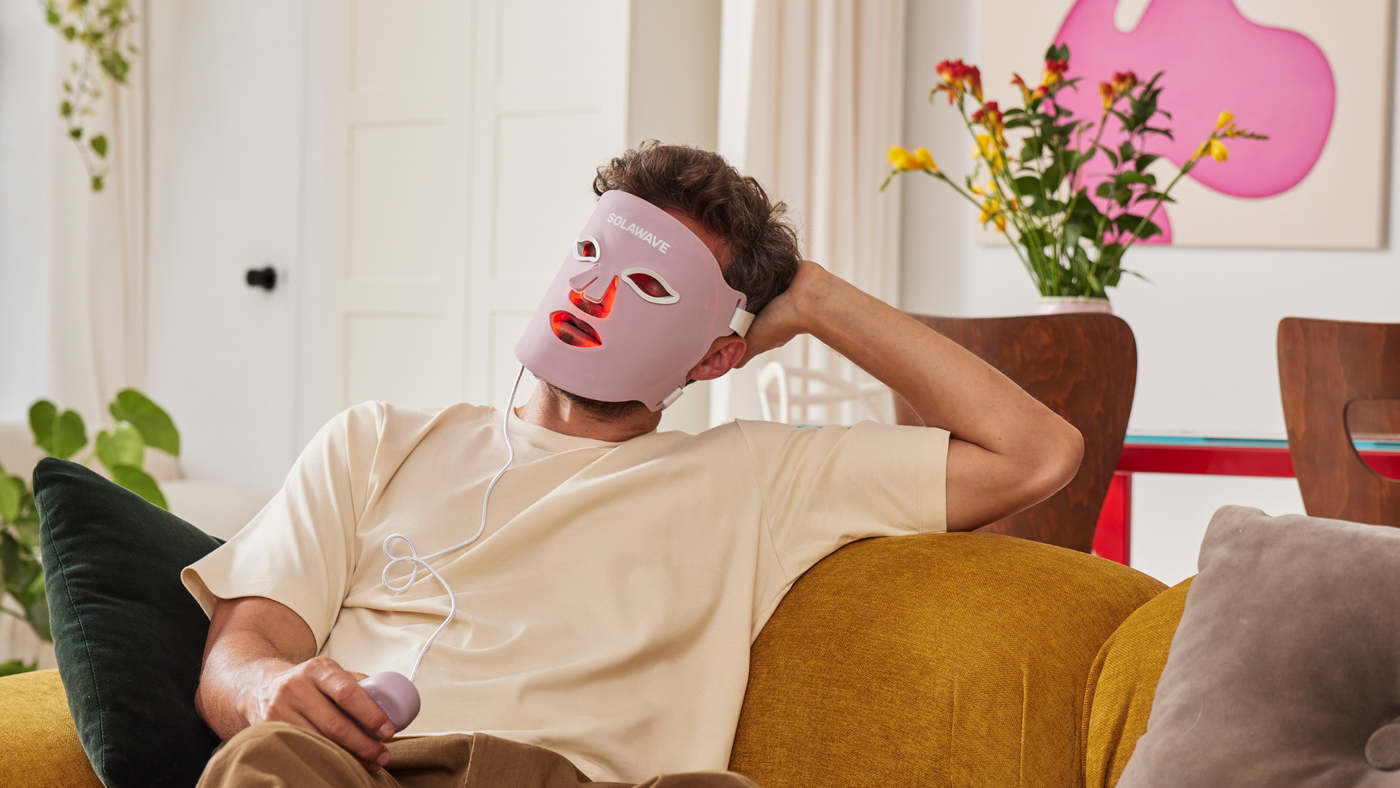
For full-face treatment that you can extend to the upper neck, the Red Light Therapy Face Mask features 320 medical-grade LEDs delivering four wavelengths: Red (630nm), Deep Red (660nm), Amber (605nm), and Near-Infrared (830nm) in just 3-minute sessions.
For targeted treatment on specific areas of concern, the red light therapy wand combines red light therapy with microcurrent, therapeutic warmth, and galvanic current. The wand requires a water-based serum like the LightBoost Activating Serum to work properly and activate all four technologies.
Because the décolleté lacks adequate oil glands, intensive hydration is critical. Look for products containing:
The LightBoost Niacinamide Face and Neck Serum is formulated specifically to address both facial and décolleté concerns, providing barrier support and hydration where this delicate skin needs it most.
For richer hydration, the LightBoost Face and Neck Cream delivers intensive moisture to help restore suppleness to dry, crepey skin.
The single most effective way to prevent further décolleté aging is consistent sun protection. Apply broad-spectrum SPF 30 or higher every morning, extending coverage from your face down to the top of your chest. Reapply every two hours when outdoors, and consider UPF clothing for extended sun exposure.
Creating a dedicated routine for your neck and chest doesn't require excessive time, just intention.
Morning:
Evening:
Use your devices 3-5 times weekly for 8 weeks to see visible improvements in skin texture and firmness. All Solawave devices are FSA/HSA eligible and recommended by dermatologists.
Prevention is always easier than correction. Ideally, décolleté care should begin in your late 20s or early 30s, before visible signs of aging appear. However, starting at any age provides benefits. The thin skin of the neck and chest responds well to consistent care, and visible improvements are possible even for mature skin with established sun damage.
If you're already noticing significant texture changes, pigmentation, or sagging, consider consulting a dermatologist to discuss whether professional treatments might complement your at-home routine.
The decollete skin vs face skin comparison reveals significant structural and functional differences that explain why your chest often ages faster than your face. Thinner skin, fewer oil glands, chronic sun exposure, and years of neglect combine to create visible signs of aging in the neck and chest area. Understanding that neck skin vs face skin and chest skin vs face skin have distinct needs empowers you to build a targeted care routine. By incorporating red light therapy, intensive hydration, consistent sun protection, and dedicated attention to this often-overlooked area, you can help your décolleté match the youthful appearance of your well-maintained face.
Ready to give your neck and chest the attention they deserve? Shop Solawave's skincare collection today.
The chest has thinner skin with fewer oil glands and less collagen than facial skin. Combined with chronic sun exposure from V-neck clothing and neglected skincare below the jawline, these factors cause the décolleté to show signs of aging earlier and more dramatically than the face.
Yes, most facial products work well on the neck and chest. However, because décolleté skin is thinner and drier, you may need richer formulations and should introduce active ingredients like retinol more gradually. Products specifically formulated for the neck and chest address these unique needs more effectively.
With consistent care including red light therapy 3-5 times weekly, hydrating products, and sun protection, most people notice visible improvements in texture and firmness within 8 weeks. Significant improvement in pigmentation and deeper wrinkles may take 12 weeks or longer.
Yes, red light therapy stimulates collagen production at a cellular level, making it particularly effective for the thin skin of the décolleté. FDA-cleared devices like the Solawave Neck & Chest Mask deliver therapeutic wavelengths directly to this area for visible improvement in crepey texture and fine lines.
Retinol can be beneficial for the décolleté, but because this skin is thinner and more sensitive, start with lower concentrations and less frequent application than you use on your face. Begin with once or twice weekly, gradually increasing as your skin builds tolerance. Always follow with a rich moisturizer and use SPF during the day.