Rated 4.7 out of 5 stars
4.7 / 5


726,000+ customers
Free 60-Day Returns
1-Year Warranty
726,000+ customers
Free 60-Day Returns
1-Year Warranty

You've been smiling your whole life. But somewhere around your mid-30s, those lines from your nose to the corners of your mouth decided to stick around even when you stopped. Those are nasolabial folds, and they're one of the earliest and most visible signs of facial aging. Understanding why they form is the first step toward doing something about them.
Nasolabial folds are the creases that run from both sides of your nose down to the corners of your mouth. You might know them as smile lines or laugh lines. According to Cleveland Clinic, they become more prominent and permanent as you age, especially if you smoke or don't protect your skin from sun exposure.
When you're younger, these folds only show up when you smile or laugh. Your skin snaps back into place as your face relaxes. But over time, the lines deepen and stay visible whether you're smiling or not. They can appear symmetrical or uneven, and their severity varies from person to person.
The formation of nasolabial folds isn't caused by a single factor. It's a combination of changes happening across multiple layers of facial anatomy, from the bone all the way to the skin's surface.
Research published in the Aesthetic Surgery Journal describes facial aging as a process that works from the inside out, involving changes to bone, fat, muscle, and skin simultaneously.
Here's what's going on at each layer.
Your facial bones don't stay the same shape forever. As you age, the maxilla (upper jaw) and mandible (lower jaw) gradually recess. This shrinkage reduces the structural support underneath your cheeks and around your mouth, allowing soft tissue to shift downward and inward, which deepens the nasolabial groove.
Your face has distinct compartments of fat, both superficial and deep. As the deep fat pads deflate with age, the overlying superficial fat pads lose support and descend. This shift contributes directly to the deepening of nasolabial folds and the loss of cheek projection. Research on dermal fat changes in facial aging shows how this redistribution alters facial contours over time.
Facial muscles insert directly into the dermis. As you age, these muscles can weaken, but their relative pull on thinning, less resilient skin actually increases, creating what researchers call "dynamic discord." This means your smile pulls harder on skin that's less able to bounce back.
This is where elasticity comes in. The dermis, the skin's structural layer, relies on collagen for strength, elastin for bounce-back ability, and glycosaminoglycans for hydration. With age, collagen breaks down faster than it's produced. Elastin biosynthesis declines steeply after age 40 to 50. And the glycosaminoglycans that keep your skin plump and hydrated degrade. The result is skin that wrinkles, sags, and can no longer resist the downward pull of gravity and muscle movement.
Skin elasticity is your skin's ability to stretch and return to its original shape. It's the quality that makes young skin look firm, smooth, and resilient. When you lose it, everything starts to droop.
The decline happens through two pathways. Intrinsic aging is the natural, time-driven process. Your body simply produces less collagen and elastin as the years pass. Sun exposure and environmental damage accelerate this through extrinsic aging, which breaks down collagen fibers, disorganizes elastin networks, and triggers oxidative stress that damages the structural matrix of the dermis.
According to research exploring the anatomical origins of nasolabial folds, this loss of structural integrity in the dermis is a key contributor to fold formation. When skin can no longer resist the forces of muscle contraction and gravity, folds become permanent fixtures rather than temporary expressions.
Sun damage makes things worse. Ultraviolet radiation increases the activity of enzymes called matrix metalloproteinases, which actively break down collagen. It also causes solar elastosis, where elastic fibers become abnormal and eventually degrade. This is why people with significant sun exposure tend to develop deeper nasolabial folds earlier.
Smoking compounds the problem even further. It destroys collagen and elastin directly, accelerating the timeline of visible aging. And significant weight loss or gain can accentuate nasolabial folds by changing the volume and distribution of fat beneath the skin.
This is where the conversation gets interesting. Traditionally, nasolabial folds have been addressed through dermal fillers, surgical facelifts, or prescription retinoids. These options work, but they come with cost, downtime, and ongoing maintenance that doesn't fit everyone's life.
Red light therapy has emerged as a clinically studied, non-invasive alternative that works at the cellular level. When skin absorbs red light at specific wavelengths, particularly 630nm, it triggers increased production of ATP in the mitochondria. More ATP means more energy available for collagen synthesis, cell repair, and the regenerative processes that keep skin firm and resilient.
The Solawave 4-in-1 Skincare Wand was designed with exactly this concern in mind. It combines red light therapy at 630nm with galvanic current, therapeutic warmth, and facial massage in a single FDA-cleared device. The galvanic current drives hydrating serum actives deeper into the skin, therapeutic warmth boosts circulation and reduces puffiness, and the vibration massage stimulates lymphatic drainage for a visibly lifted appearance.
For targeted treatment of nasolabial folds, the wand's precision design lets you focus on specific zones. Glide it along the lines from nose to mouth, spending three minutes per area, and you're directly addressing the skin that needs the most support.
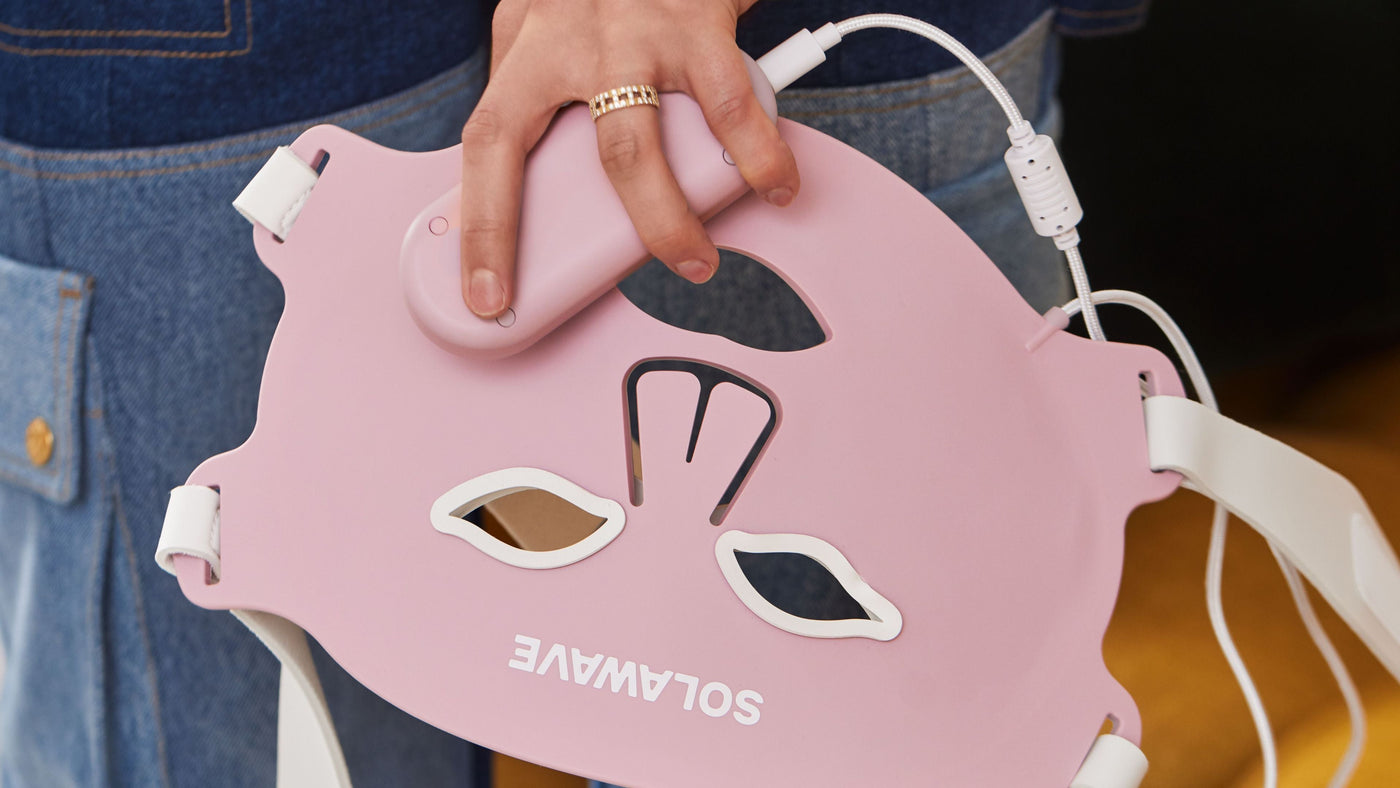
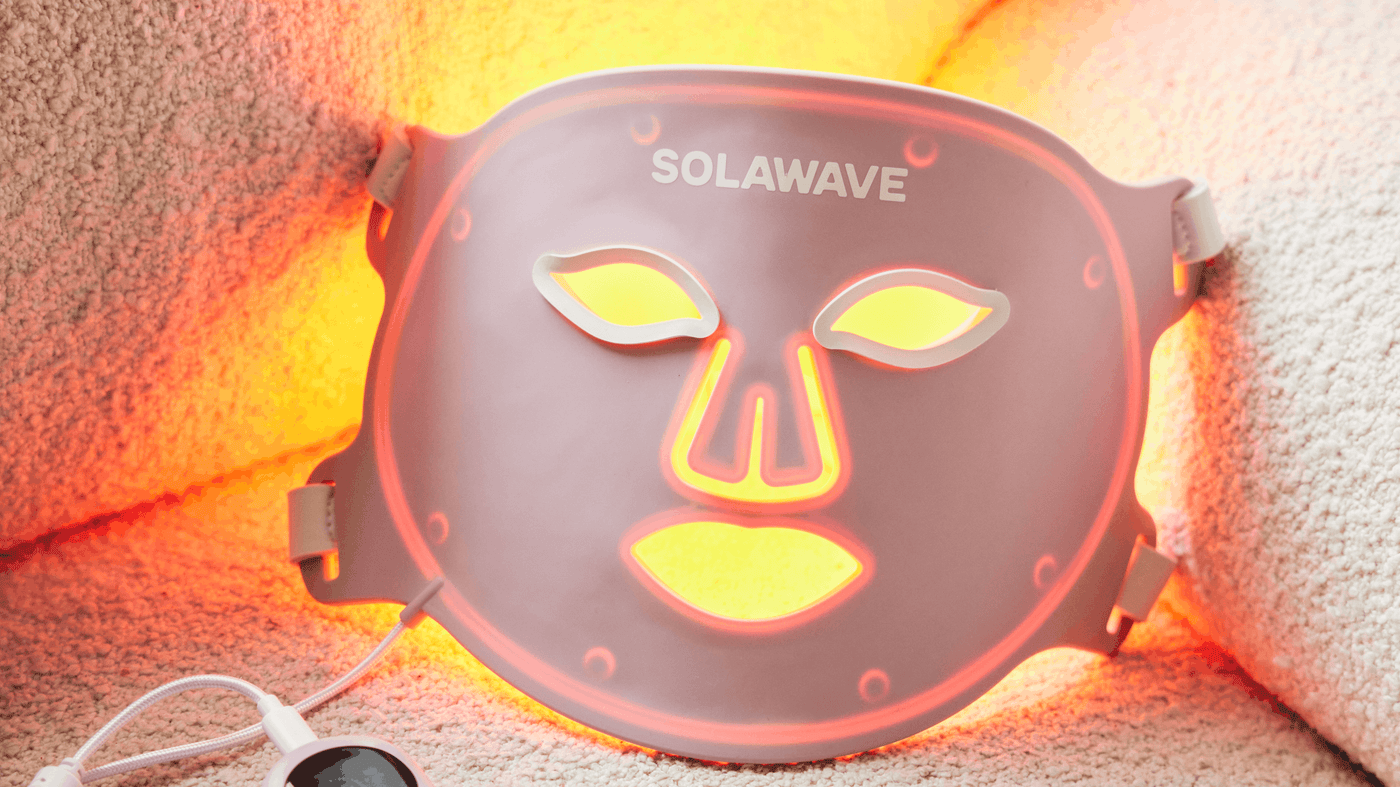
For full-face treatment that covers everything from forehead lines to jawline firmness, the Wrinkle Retreat Pro LED Face Mask delivers 320 LEDs across four therapeutic wavelengths in just three minutes per session. It's FDA-cleared, clinically tested, and backed by independent studies.
Both devices work because they support the skin's own biology rather than masking the problem. Red light therapy doesn't target melanin, making it safe for all Fitzpatrick skin types (I through VI). No UV. No irritation. No downtime.
Every Solawave device comes with a 60-day money-back guarantee and a 1-year warranty. Because healthy skin takes time, but your investment shouldn't feel like a gamble.
Results may vary. Individual results are not guaranteed.
Nasolabial folds deepen due to a combination of bone remodeling, fat pad descent, muscle changes, and loss of collagen and elastin in the skin. These factors work together to reduce support beneath the skin's surface.
Most people begin noticing permanent nasolabial folds in their 30s to 40s, though the timeline varies based on genetics, sun exposure, and lifestyle factors like smoking.
Red light therapy at 630 nm supports the skin's natural collagen production by boosting cellular energy at the mitochondrial level. Consistent use can help visibly smooth the appearance of fine lines in the nasolabial area.
Yes. Red light therapy targets mitochondria, not melanin, making it safe and effective for all Fitzpatrick skin types from I to VI with no risk of burns or hyperpigmentation.
Galvanic current delivers a steady direct current to drive serum actives deeper into the skin for enhanced absorption. Microcurrent stimulates facial muscles for a lifting effect. The Solawave 4-in-1 Skincare Wand uses galvanic current, not microcurrent.
Yes. The wand's handheld, precision design lets you target specific zones like nasolabial folds. Spend three minutes per area, gliding in slow upward motions for focused treatment.
 News
News