Rated 4.7 out of 5 stars
4.7 / 5


726,000+ customers
Free 60-Day Returns
1-Year Warranty
726,000+ customers
Free 60-Day Returns
1-Year Warranty
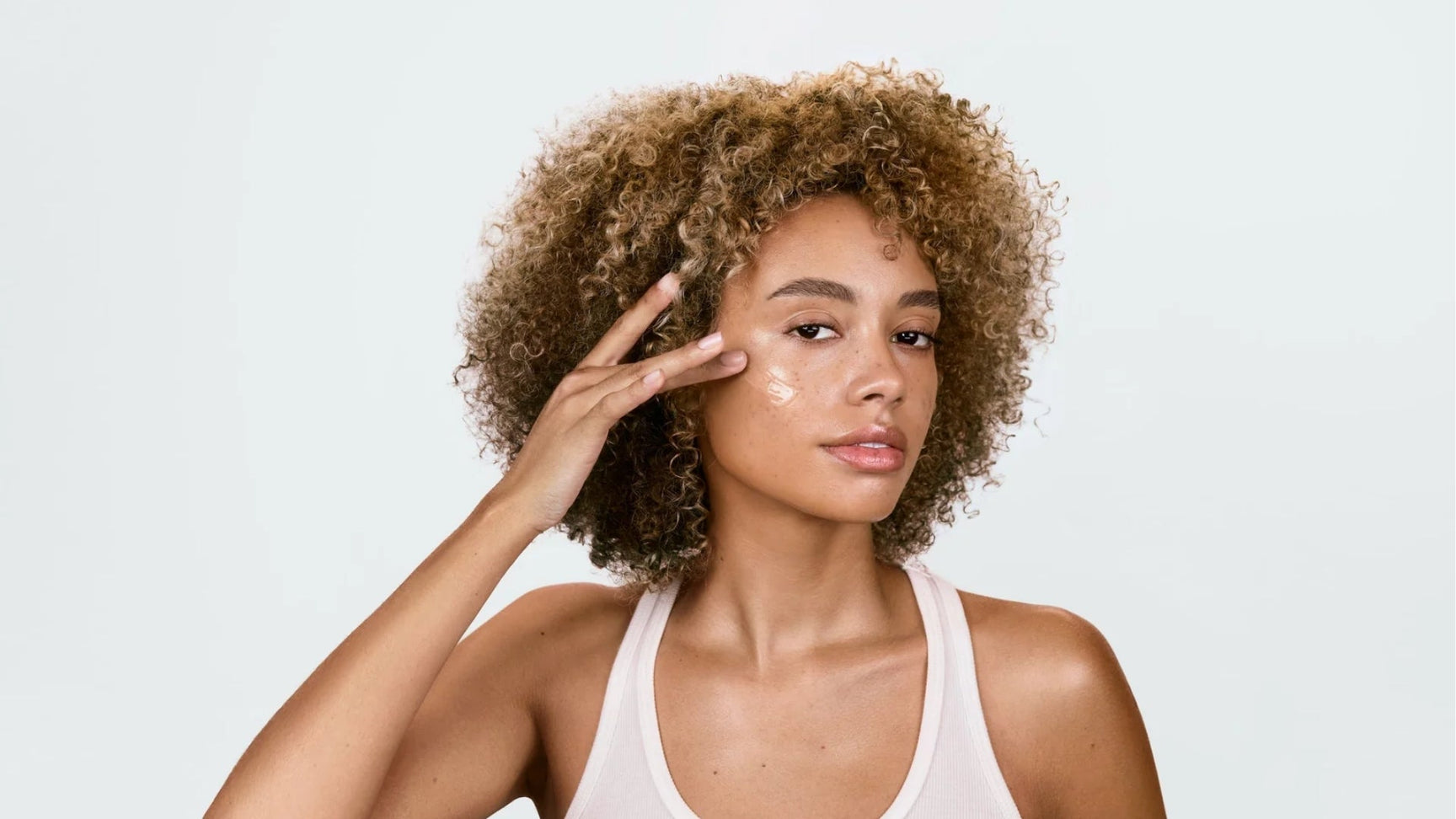
Those tiny dark dots on your nose and chin? They're not dirt. They're blackheads, and they happen when pores fill with excess oil and dead skin cells. The dark color comes from the clogged material reacting with oxygen, not from anything on the surface. And if you've been scrubbing harder thinking you can wash them away, you're probably making things worse.
The good news is that most blackheads respond well to simple, consistent home care. Here's what actually works, what to avoid, and how to support clearer skin from the inside out.
Understanding what causes blackheads makes it much easier to treat them effectively. According to the Cleveland Clinic, blackheads are a type of acne that forms when hair follicles become clogged with excess sebum and dead skin cells. The pore stays open, and the trapped material oxidizes and turns dark.
Increased oil production, hormonal changes, and dead skin cell buildup all play a role. They most commonly appear on the nose, chin, cheeks, and forehead, but the neck, back, and chest are fair game too.
And it's not just a teenage problem. Yale Medicine reports that more than 25% of women in their 40s still deal with acne, including blackheads. Adult breakouts are more common than most people think, and they often require a different approach than the harsh products marketed to teens.
Not every home remedy you see online is worth your time. But a few approaches are genuinely effective when done consistently and gently.
The single most important step for managing blackheads is regular, gentle exfoliation. This helps clear away the dead skin cells that trap oil inside your pores. The key word here is gentle. Harsh scrubbing can irritate the skin, strip its natural oils, and trigger even more oil production, which creates a cycle that makes blackheads worse.
Think of it this way. You want to lift dead cells off the surface, not sandblast your face. For a closer look at technique, check out this guide on how to properly exfoliate your face and skin at home.
According to Jamaica Hospital Medical Center, baking soda's fine granules can work as a natural and inexpensive way to occasionally exfoliate and remove buildup that clogs pores. Mix it with water to form a thick paste, massage gently in circular motions, rinse thoroughly, and follow with moisturizer. Just don't overdo it. The saltiness can dry out your skin if used too frequently.
Green tea isn't just for drinking. Jamaica Hospital also recommends mixing a teaspoon of dry green tea leaves with a little water to create a paste, then gently scrubbing the affected area for two to three minutes. Green tea has natural antioxidant properties that help deep-clean oily skin and support unclogging pores.
This over-the-counter ingredient is one of the most widely recommended options for blackheads. According to the Cleveland Clinic, salicylic acid dissolves dead skin cells and prevents hair follicles from clogging. Yale Medicine's Dr. Sara Perkins recommends it as a solid option for mild acne and comedonal breakouts. It's available in cleansers, toners, and leave-on treatments.
Here's where a lot of people go wrong. When blackheads show up, the instinct is to throw everything at them. Scrubs, acids, pore strips, clay masks, all in the same week. But Yale Medicine's dermatologists are clear on this point. Using too many active products at once can trigger irritation, dryness, and peeling, and there's even concern that excessively drying out the skin may encourage more oil production.
The smarter approach is to pick one or two methods and stay consistent. Results from home remedies for blackheads take time. No product or treatment will clear pores overnight. What works is building a routine and sticking with it.
This is where science gets interesting. While home remedies tackle the surface, light therapy works at a deeper level by interacting with skin cells themselves.
Red light therapy at 630nm is absorbed by the mitochondria inside skin cells, triggering increased production of ATP, the energy molecule that powers cellular regeneration. With more energy available, skin cells repair faster, inflammatory pathways are modulated, and circulation improves, delivering more nutrients to the skin tissue.
What does that mean for pore health? Healthier, better-functioning skin cells are more efficient at turning over and less likely to contribute to the kind of buildup that leads to clogged pores. Red light therapy also helps calm the visible redness and inflammation that often accompanies breakouts.
The Solawave 4-in-1 Skincare Wand delivers red light therapy at 630nm alongside therapeutic warmth, galvanic current, and facial massage. The therapeutic warmth supports circulation and helps open the skin, while galvanic current drives serum actives like hyaluronic acid deeper into the skin for enhanced hydration. Well-hydrated skin is less likely to overproduce oil, which is one of the primary drivers of blackhead formation.
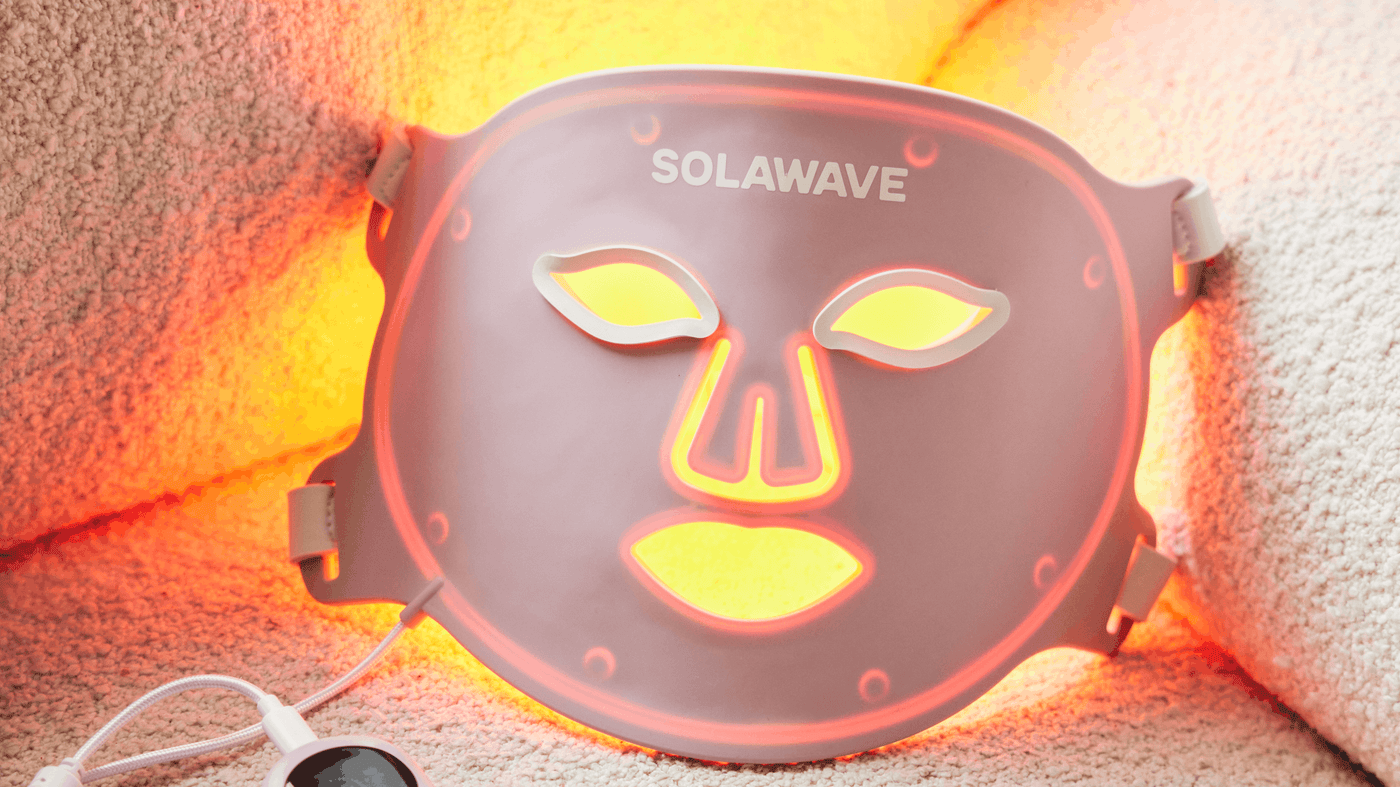
For a comprehensive approach, the Wrinkle Retreat Pro LED Face Mask uses four wavelengths, including amber light at 605nm, which helps visibly calm redness and even skin tone. In an independent 56-day clinical study of 30 participants, 100% showed visible improvement in skin texture. Three minutes per session, 3 to 5 times per week.
And since blackheads don't stop at the jawline, the Neck & Chest Pro Light Therapy Mask targets the delicate skin below the face that is just as prone to clogged pores and breakouts but rarely gets attention.
For more on how light therapy supports pore health, read this guide on how to minimize enlarged pores and blackheads.
Knowing what not to do is just as important as knowing what works.
Don't squeeze them. Squeezing can push bacteria deeper into the pore, cause inflammation, and lead to scarring or post-inflammatory hyperpigmentation.
Don't use pore strips too often. They only remove the top of the clog without addressing what's underneath.
Don't skip moisturizer. This is the most common mistake. Stripping your skin of moisture signals your sebaceous glands to produce more oil, which creates more blackheads. Even oily skin needs hydration.
And don't expect overnight results. Consistency beats intensity every time.
The best routine for blackheads and clogged pores is one you'll actually stick with. Here's a straightforward approach.
Cleanse with a gentle, non-stripping cleanser. Apply a lightweight moisturizer with SPF.
Cleanse again. Use your salicylic acid product or gentle exfoliant (not both on the same night). Follow with a hydrating serum or moisturizer. Two to three times per week, add a light therapy session with the 4-in-1 Skincare Wand or Wrinkle Retreat Pro Face Mask to support skin renewal at a cellular level.
Simple. Consistent. Effective.
All Solawave devices are FDA-cleared, clinically tested, and backed by a 60-day money-back guarantee. Results may vary. Individual results are not guaranteed.
Blackheads are open, clogged pores filled with excess oil and dead skin cells. The dark color comes from oxidation when the trapped material is exposed to air, not from dirt.
You can significantly reduce blackheads with consistent exfoliation, salicylic acid, and proper hydration. However, they tend to recur, so ongoing prevention through a steady routine is key.
Red light therapy at 630nm supports cellular energy production and skin cell turnover, which can help reduce the buildup that leads to clogged pores. It also helps calm inflammation and redness associated with breakouts.
No. Squeezing can push bacteria deeper, cause inflammation, and lead to scarring or hyperpigmentation. Gentle exfoliation and consistent skincare are safer and more effective long-term approaches.
Two to three times per week is generally a good starting point. Over-exfoliating can irritate the skin and trigger more oil production, which makes blackheads worse.
Yes. Red light therapy targets mitochondria, not melanin, making it safe and effective across all Fitzpatrick skin types from I to VI. There is no UV exposure, no irritation, and no downtime.
 News
News