Rated 4.7 out of 5 stars
4.7 / 5


726,000+ customers
Free 60-Day Returns
1-Year Warranty
726,000+ customers
Free 60-Day Returns
1-Year Warranty
Your skincare routine might be perfect. Your serum game is flawless. But if you're skimping on sleep, you could be leaving results on the table. Turns out, what happens while you're sleeping has a massive impact on how well light therapy works for your skin. Let's break it down.
Sleep isn't just rest for your brain. It's prime time for your skin. During deep sleep stages, your body releases growth hormone, which triggers a cascade of repair processes that simply don't happen when you're awake. Research published in the National Library of Medicine confirms that collagen production peaks during nighttime hours, cell turnover accelerates, and blood flow to the skin increases significantly.
Think of it this way. During the day, your skin is in defense mode, protecting itself from UV exposure, pollution, and environmental stressors. At night, it flips into repair mode. This is when fibroblast cells ramp up collagen and elastin production, damaged cells get replaced with new ones, and your skin's natural barrier rebuilds itself.
When sleep is cut short or disrupted, these repair processes get interrupted. Cortisol, the stress hormone, stays elevated instead of dropping to its lowest levels at night. Elevated cortisol suppresses both collagen production and barrier lipid synthesis. That's why a string of bad nights shows up on your face as dullness, puffiness, more visible fine lines, and skin that just looks tired.
Here's where things get interesting. Red light therapy works by delivering specific wavelengths of light, particularly at 630 nm, that are absorbed by cytochrome c oxidase, an enzyme inside the mitochondria of your skin cells. This absorption triggers increased ATP production, giving your cells more energy to carry out their natural functions. More ATP means more collagen production, faster cell regeneration, and better inflammatory response.
But here's the key. Light therapy gives your cells the energy boost. Sleep is when your body actually uses that energy to rebuild.
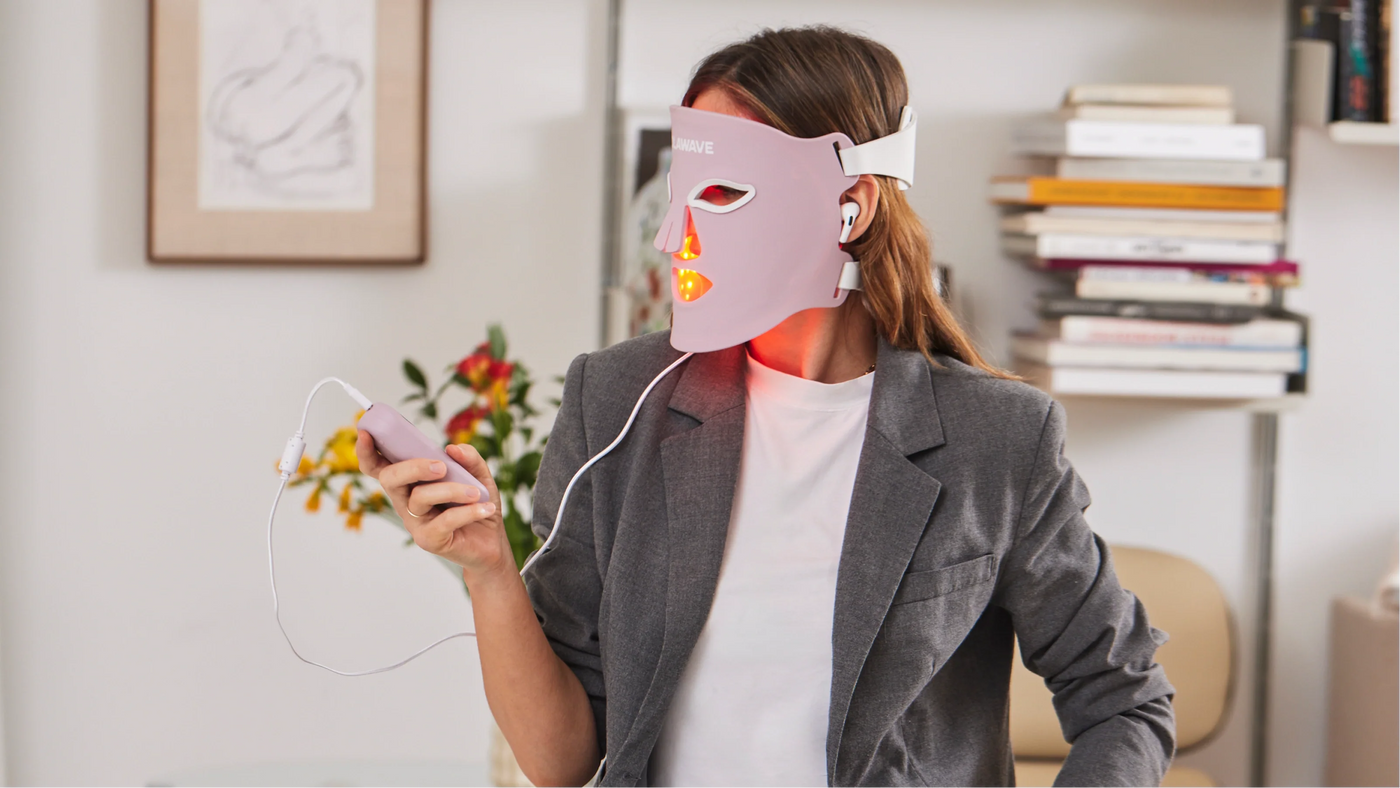
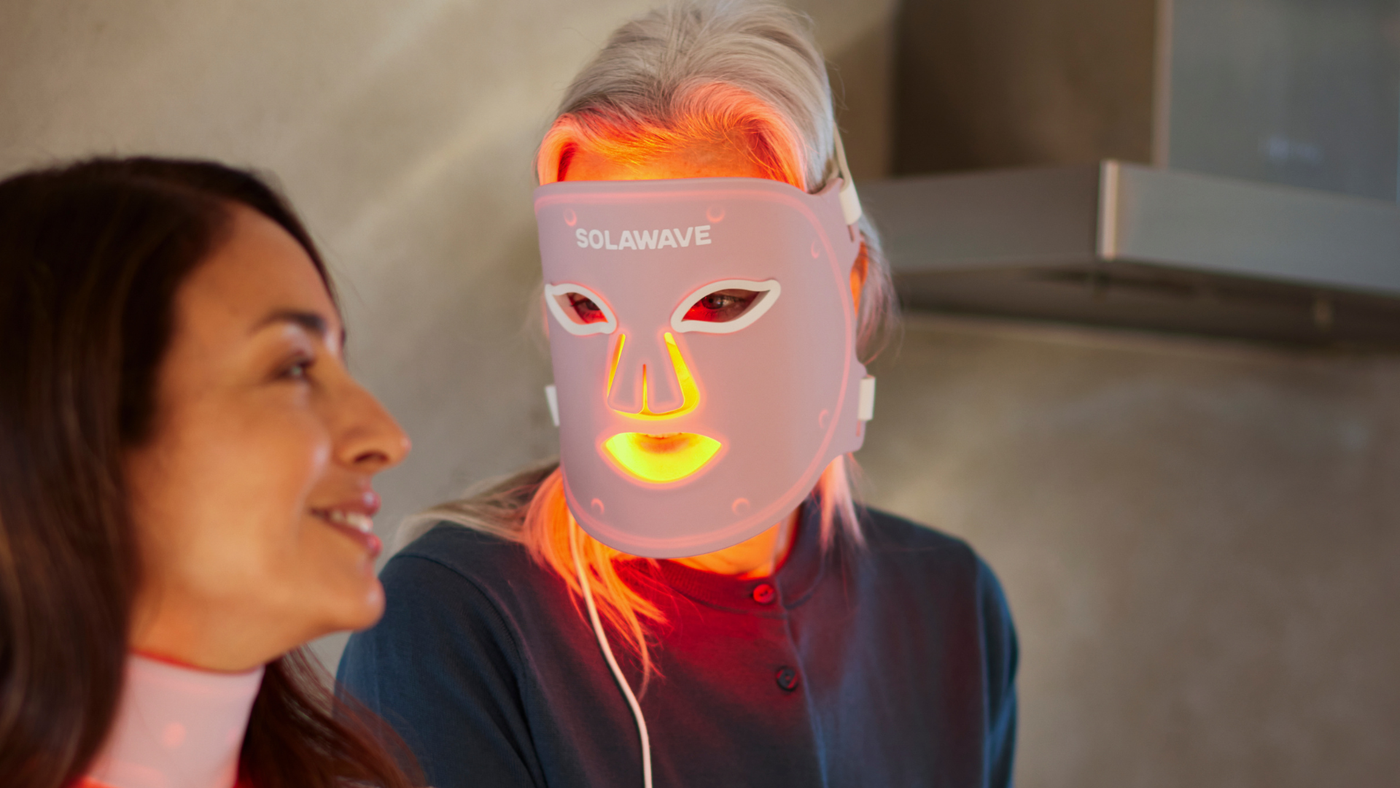
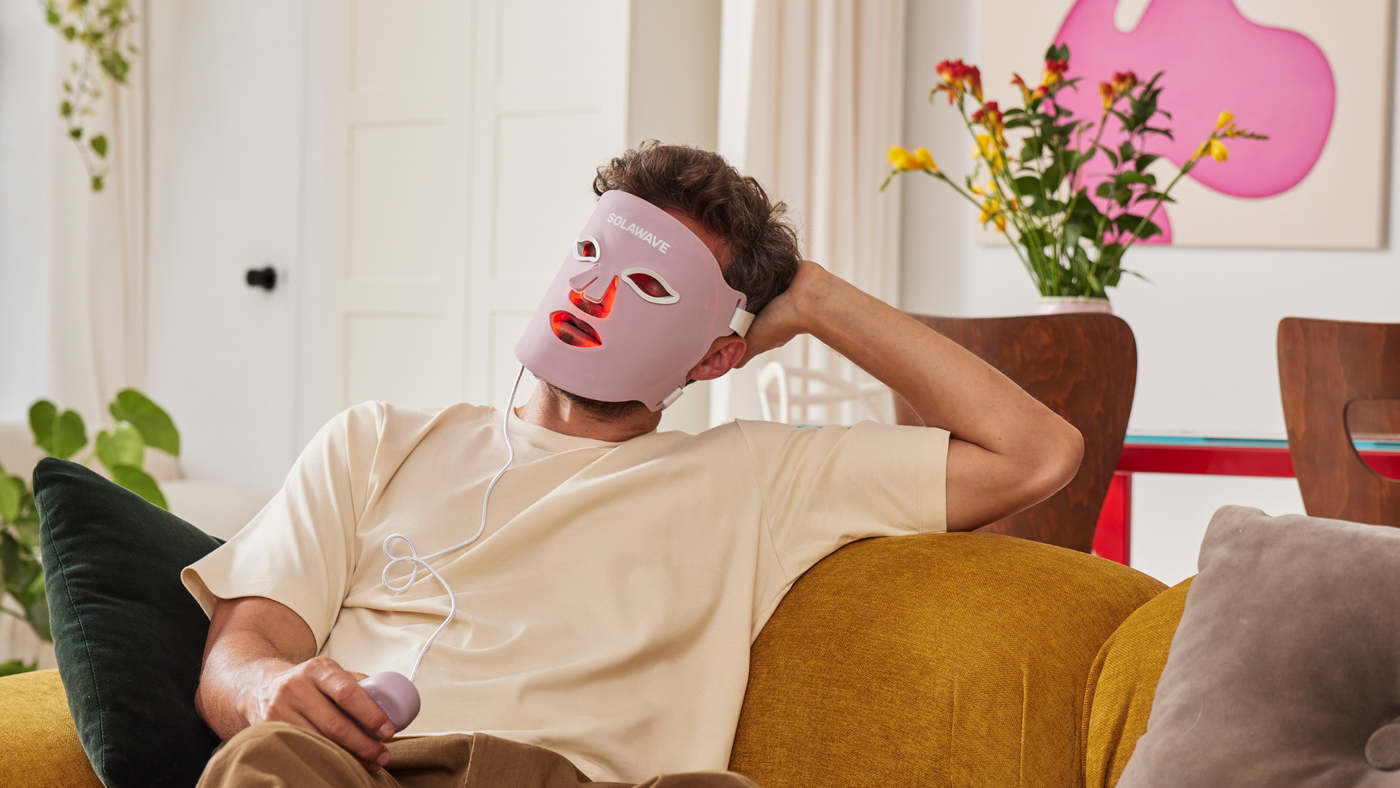
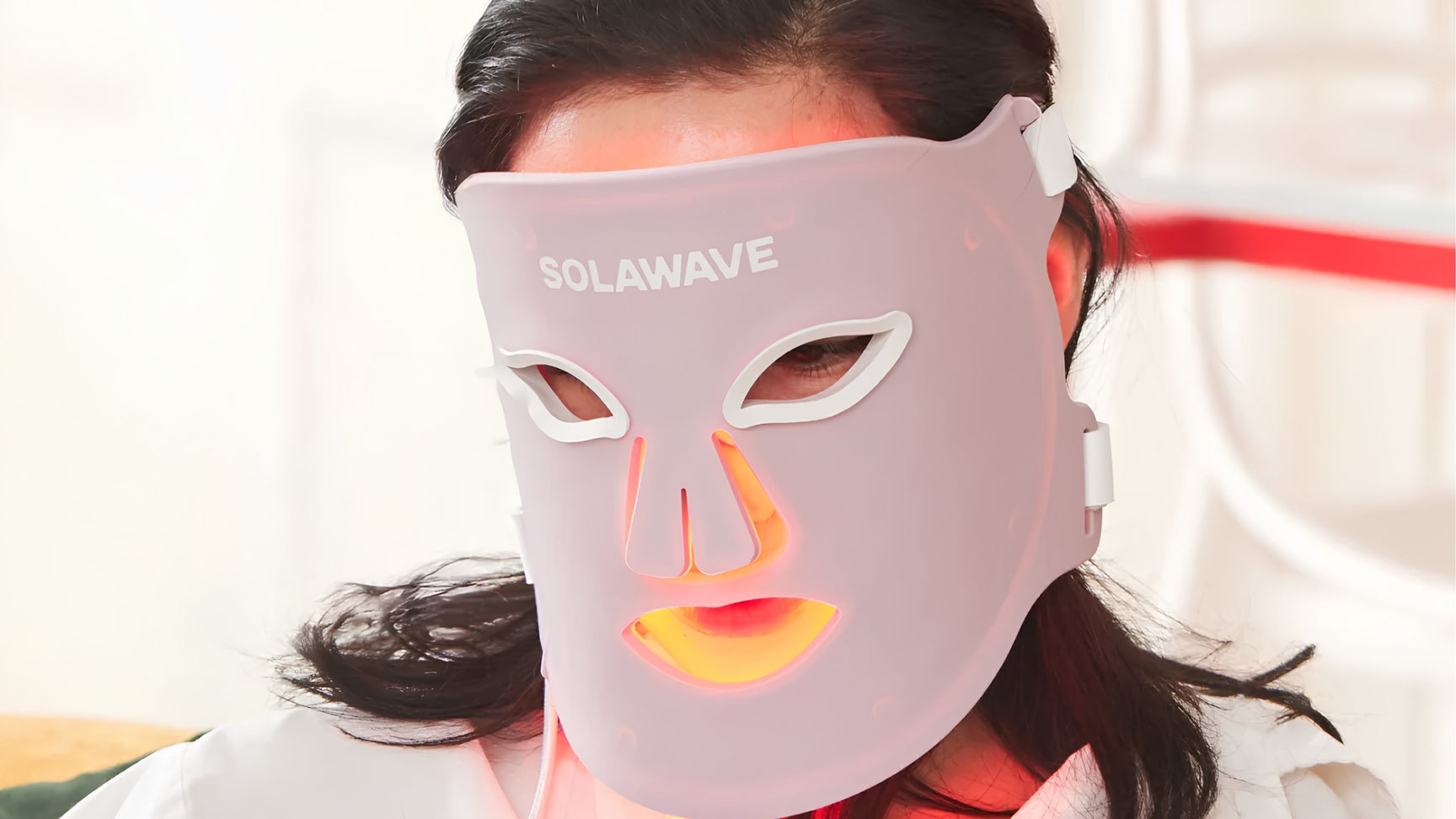
Think of red light therapy as charging your skin's battery. Sleep is when the battery gets put to work. If you use a device like the Wrinkle Retreat Pro LED Face Mask in the evening and then get a solid 7 to 8 hours of sleep, you're giving your skin the cellular energy it needs right before its most active repair window. Your fibroblasts have more fuel. Your cell turnover runs more efficiently. And the collagen synthesis that red light stimulates has the ideal conditions to follow through.
On the flip side, if you're consistently sleep-deprived, even the best light therapy routine is working against a compromised repair cycle. Your body simply can't capitalize on the cellular boost as effectively when cortisol is high and growth hormone is suppressed.
This is a question that comes up a lot, and the answer depends on the type of device and how you use it. Unlike blue light from screens, which suppresses melatonin and disrupts circadian rhythm, red light at therapeutic wavelengths does not carry that same risk. Red wavelengths above 600nm have minimal impact on the photoreceptors in your eyes that regulate your sleep-wake cycle.
That said, Solawave devices are designed for skincare, not as sleep aids. They are not a cure or treatment for sleep disorders. But many people find that using them as part of an evening wind-down ritual adds a calming, spa-like moment to their night. A 3-minute session with the Wrinkle Retreat Pro Face Mask or a 12-minute treatment with the 4-in-1 Skincare Wand can become a natural transition between a busy day and a restful night.
For more on this topic, Solawave has explored whether you should use red light therapy before bed and why you shouldn't sleep with red lights on in greater detail.
The science connecting sleep quality to skin health is well established. Studies have shown that sleep-deprived skin has measurably higher transepidermal water loss, meaning the skin barrier is weaker and moisture escapes more easily. Reduced sleep has also been linked to slower wound healing, decreased elasticity, and increased visibility of fine lines.
When you pair that with what we know about photobiomodulation, the picture becomes clear. Red light therapy at 630nm supports collagen synthesis and cellular regeneration. Sleep creates the biological environment where those processes are most active. Together, they form a powerful loop. Light therapy energizes the cells. Sleep lets the cells do their best work.
This is also why consistency matters so much. Using the Wrinkle Retreat Pro Face Mask 3 to 5 times per week gives your skin regular doses of therapeutic light. In an independent 56-day clinical study of 30 participants, 100% showed visible reduction in fine lines and wrinkles, 100% showed visibly brighter skin, and 100% showed visible improvement in skin texture. Imagine those results supported by consistently good sleep.
The best approach is simple. Pair your light therapy session with your evening skincare routine, then prioritize quality rest.
Evening routine idea. Cleanse your skin, then apply the LightBoost Face & Neck Serum. Slip on the Wrinkle Retreat Pro Face Mask and the Neck & Chest Pro Light Therapy Mask together and run one 3-minute session. Both areas treat at once, so you are done in just 3 minutes with your skin primed for the repair window ahead.
For targeted treatments on specific zones, the 4-in-1 Skincare Wand with the LightBoost Wand Activating Serum takes 12 minutes for a full-face session. The therapeutic warmth and facial massage can feel deeply relaxing, making it a natural fit for nighttime use.
Then, let sleep do the rest. Your skin has the energy. Your body has the blueprint. All it needs is time.
For a deeper dive into how red light therapy and sleep work together, explore more on the Solawave blog.
Results may vary. Individual results are not guaranteed.
Yes. Sleep is when your body releases growth hormone, ramps up collagen production, and accelerates cell turnover. These are the same processes that red light therapy supports, so quality sleep helps your skin follow through on the cellular boost.
Both work, but evening use pairs naturally with your skin's nighttime repair cycle. Using light therapy before bed means your cells are energized right before their most active recovery window.
No. Solawave devices are designed for short treatment sessions of 3 to 12 minutes and have built-in auto-shutoff. They are not meant to be worn during sleep.
Red light at therapeutic wavelengths like 630 nm does not suppress melatonin the way blue light from screens does. However, Solawave devices are skincare tools, not sleep aids, and are not intended to treat sleep disorders.
Most research suggests 7 to 9 hours of quality sleep per night is ideal for supporting your skin's natural repair processes, including collagen production and cell regeneration.
Not entirely, but chronic sleep deprivation can reduce your skin's ability to repair itself. Elevated cortisol from poor sleep suppresses collagen synthesis and weakens the skin barrier, which can limit how effectively your skin responds to any treatment.