Rated 4.7 out of 5 stars
4.7 / 5


726,000+ customers
Free 60-Day Returns
1-Year Warranty
726,000+ customers
Free 60-Day Returns
1-Year Warranty
You glance in the mirror and notice it. A small cluster of red or purple lines just beneath your eye that definitely wasn't there yesterday. It looks alarming, but before you spiral, take a breath. Broken blood vessels under the eye are incredibly common, and in most cases, they're completely harmless.
Let's walk through what's actually happening under your skin, what causes it, when to see a doctor, and what you can do at home to support the delicate skin around your eyes.
First, a quick anatomy lesson. The skin under your eyes is some of the thinnest on your entire body. It has less collagen, fewer oil glands, and very little fat padding compared to the rest of your face. That means the tiny blood vessels sitting just beneath the surface, called capillaries, are much more visible here than anywhere else.
When people talk about "broken blood vessels" under the eye, they're usually referring to one of two things. The first is broken capillaries on the skin, also known as telangiectasia. These are dilated or weakened blood vessels that become permanently visible as fine red, purple, or blue lines beneath the skin's surface. Despite the name, they aren't actually "broken." They've stretched beyond their ability to contract back to normal size.
The second is subconjunctival hemorrhage, which is a burst blood vessel on the white of the eye itself. This is a different condition entirely and typically resolves on its own within one to two weeks without treatment. If you're seeing redness on the eyeball rather than the skin beneath it, that's what you're likely dealing with.
This article focuses on broken blood vessels on the skin under and around the eye.
Several factors contribute to visible capillaries in the under-eye area. Understanding the root cause can help you figure out the best path forward.
Sun exposure is one of the biggest culprits. UV radiation weakens blood vessel walls over time and thins the skin, making capillaries more visible and more vulnerable to damage. This is especially true around the eyes, where the skin is already naturally thin.
Aging plays a major role as well. As we get older, the body produces less collagen and elastin. The skin becomes thinner, the fat pads beneath it shrink, and the structural support around delicate capillaries weakens. Research published in Clinical Ophthalmology confirms that aging and vascular fragility are closely linked, with blood vessel walls becoming more prone to damage over time.
Genetics also matter. If your family members have visible capillaries, you're more likely to develop them yourself. Studies suggest that over 80% of people with spider veins have a family history of the condition.
Rubbing or trauma to the eye area is another common trigger. Even something as simple as rubbing your eyes too vigorously, aggressive makeup removal, or harsh exfoliation can damage the fragile capillaries under the eye.
Other contributing factors include hormonal changes during pregnancy or menopause, inflammatory skin conditions like rosacea, extreme temperature shifts, excessive alcohol consumption, and certain medications like blood thinners.
In most cases, broken capillaries under the eye are a cosmetic concern rather than a medical one. They don't cause pain, and they don't affect your vision.
However, there are situations where you should consult a healthcare professional. If you notice sudden or widespread discoloration around both eyes, periorbital bruising can sometimes signal a more serious underlying condition that requires evaluation. You should also seek medical advice if the broken vessels appear alongside pain, swelling, or changes in vision, or if they're recurring frequently without an obvious cause.
A board-certified dermatologist can provide a proper diagnosis, rule out underlying conditions like rosacea or blood clotting disorders, and recommend the most appropriate treatment for your specific situation.
For broken capillaries on the skin under the eye, the most effective clinical treatments include laser therapy and intense pulsed light. These procedures use focused light energy to target and collapse the visible vessels, causing them to fade over time. Because the under-eye area is so delicate, these treatments require precise application by a qualified professional.
Topical products containing ingredients like vitamin K, niacinamide, or retinoids can support blood vessel strength and improve overall skin texture, though they're generally less effective at reducing existing broken capillaries compared to professional procedures.
It's worth noting that broken capillaries on the skin typically do not resolve on their own. Once the vessels have dilated beyond their ability to contract, they tend to remain visible unless treated professionally. That said, adopting protective skincare habits can make a real difference in preventing new broken capillaries from forming and supporting the skin's overall resilience.
While at-home care can't eliminate existing broken capillaries, it can absolutely help protect the delicate under-eye area and reduce the likelihood of further damage. Here's where daily habits make a measurable impact.
UV damage is the number one preventable cause of broken capillaries. Apply a broad-spectrum SPF to your face, including the under-eye area, even on cloudy days.
Avoid rubbing, tugging, or using abrasive exfoliants near this area. When removing makeup, use a soft cloth and a gentle, oil-based cleanser. Pat rather than pull.
Keeping the skin around your eyes firm and resilient helps provide structural support to the capillaries underneath. Products with peptides, hyaluronic acid, and niacinamide can all contribute to a stronger skin barrier.
Very hot showers, saunas, and exposure to freezing temperatures can cause blood vessels to expand and contract rapidly, increasing the risk of damage over time.
For a deeper look at what to expect during recovery, this guide on how long broken capillaries take to heal covers timelines and what factors influence the process.
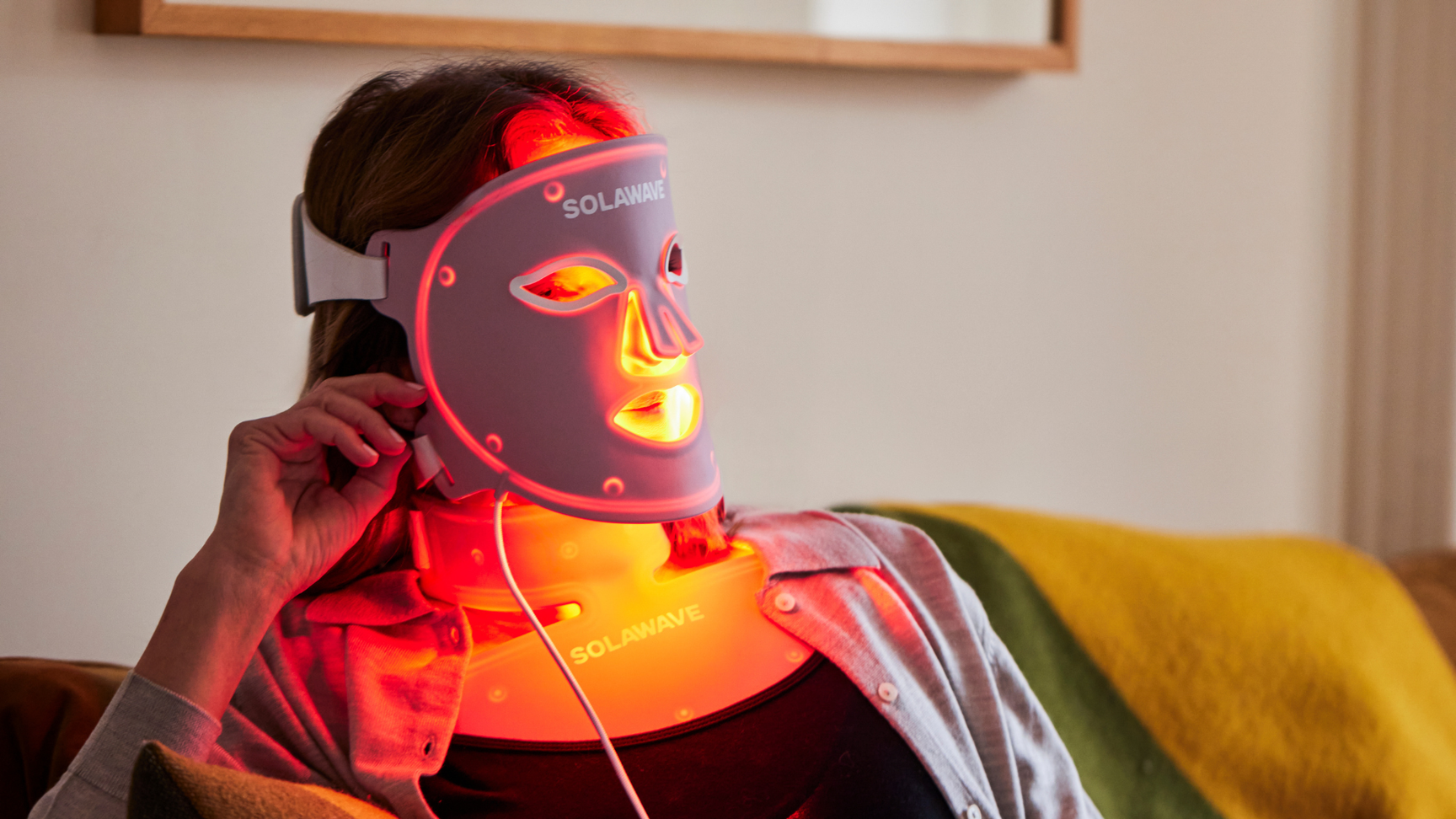
This is an important question, and the honest answer is nuanced. Red light therapy is not a treatment for broken capillaries. It cannot collapse or eliminate dilated blood vessels. That job belongs to clinical-grade vascular laser treatments administered by a dermatologist.
However, red light therapy can play a supportive role in overall skin health around the eye area. By supporting collagen production, reducing visible inflammation, and strengthening the surrounding skin barrier, consistent red light therapy use can help make the area around broken capillaries look and feel healthier. A stronger skin structure means capillaries have better support, and existing redness can appear less prominent over time.
If you're interested in supporting your skin's health as part of a broader care routine, always consult with your dermatologist first to make sure any device or treatment is appropriate for your specific concerns.
This article is for informational purposes only. It is not intended to diagnose, treat, cure, or prevent any disease. Always consult a qualified healthcare professional for medical advice.
In most cases, broken capillaries on the skin under the eye are a cosmetic concern and are not medically dangerous. However, if discoloration appears suddenly around both eyes or is accompanied by pain or vision changes, consult a doctor to rule out underlying conditions.
Unfortunately, broken capillaries on the skin typically do not resolve without professional treatment. Once the blood vessels have dilated permanently, they tend to remain visible. Clinical laser treatments are the most effective option for reducing their appearance.
A broken blood vessel in the eye, called a subconjunctival hemorrhage, is a burst vessel on the white of the eyeball. Broken blood vessels under the eye refer to dilated capillaries on the skin beneath the eye. They have different causes and treatment approaches.
Yes. The skin around the eyes is extremely thin and delicate. Rubbing, tugging, or applying pressure to this area can damage fragile capillaries and contribute to their becoming permanently visible over time.
Absolutely. UV radiation is one of the leading causes of broken capillaries on the face. Wearing broad-spectrum sunscreen daily, including around the eye area, helps protect blood vessel walls and the surrounding skin from sun-related damage.
No. Red light therapy is not a cure or treatment for broken capillaries. However, it can support overall skin health by promoting collagen production and reducing visible redness, which may complement a dermatologist-guided treatment plan for the surrounding skin.