Rated 4.7 out of 5 stars
4.7 / 5
Wrinkle Retreat Pro Face Mask


726,000+ customers
Free 60-Day Returns
1-Year Warranty
726,000+ customers
Free 60-Day Returns
1-Year Warranty

Acne scars can linger long after breakouts clear, but the good news is that scarring isn't inevitable. With the right approach to acne scarring prevention, you can help reduce the appearance of post-acne marks and support your skin's healing process. The key is taking preventive steps now, rather than waiting until scars have already formed.
An estimated 80% of people ages 11 to 30 will experience at least a mild form of acne, making it the most common skin condition. While acne itself is frustrating, the lasting marks it can leave behind may be even more challenging to address. Prevention is always easier than treatment, which is why acting early matters so much.
The single most important step in learning how to prevent acne scars is treating breakouts early. When acne remains inflamed for extended periods, your skin is more likely to develop lasting marks and textural changes.
Research shows a strong relationship between the severity and duration of inflammation in scar development. Treating mild acne can prevent new breakouts and deeper lesions that are more likely to cause scarring.
Starting a consistent routine when you notice your first breakouts helps reduce inflammation before it becomes severe. Over-the-counter options like salicylic acid, benzoyl peroxide, and adapalene can help control mild acne. For moderate to severe breakouts, consulting a dermatologist may be necessary.
Most acne treatments take 2 to 4 weeks to start showing visible results, and 8 to 12 weeks for full improvement. Understanding acne healing time helps set realistic expectations.
One of the fastest ways to increase your risk of scarring is picking or squeezing acne. When you manipulate a breakout, you can push bacteria deeper into the skin, damage surrounding tissue, and prolong inflammation. The more inflamed your skin becomes, the more likely post-acne marks will develop.
Apply a hydrocolloid patch to cover breakouts, keep your hands busy with other activities, and avoid over-examining your skin in the mirror.
UV exposure can darken post-acne marks and prolong healing time. When melanin production increases in response to sun damage, hyperpigmentation becomes more visible and takes longer to fade.
Wearing a broad-spectrum SPF 30 or higher sunscreen daily helps prevent hyperpigmentation and promotes a more even skin tone. Sunscreen is particularly important if you're using acne treatments containing retinoids or acids, as these can make your skin more sensitive to UV rays. Apply sunscreen as the final step in your morning routine, and reapply every two hours when spending extended time outdoors.
While acne is healing, supporting your skin with gentle, consistent care can help reduce the appearance of marks over time. Red light therapy has become increasingly popular as a slow-healing acne solution.
The 4-in-1 Skincare Wand combines red light therapy with galvanic current, therapeutic warmth, and facial massage to help improve skin texture and tone. The wand requires a water-based serum like the LightBoost Activating Serum to work properly and activate all four technologies. FDA-cleared and recommended by dermatologists, it supports your skin's natural healing process when used consistently.
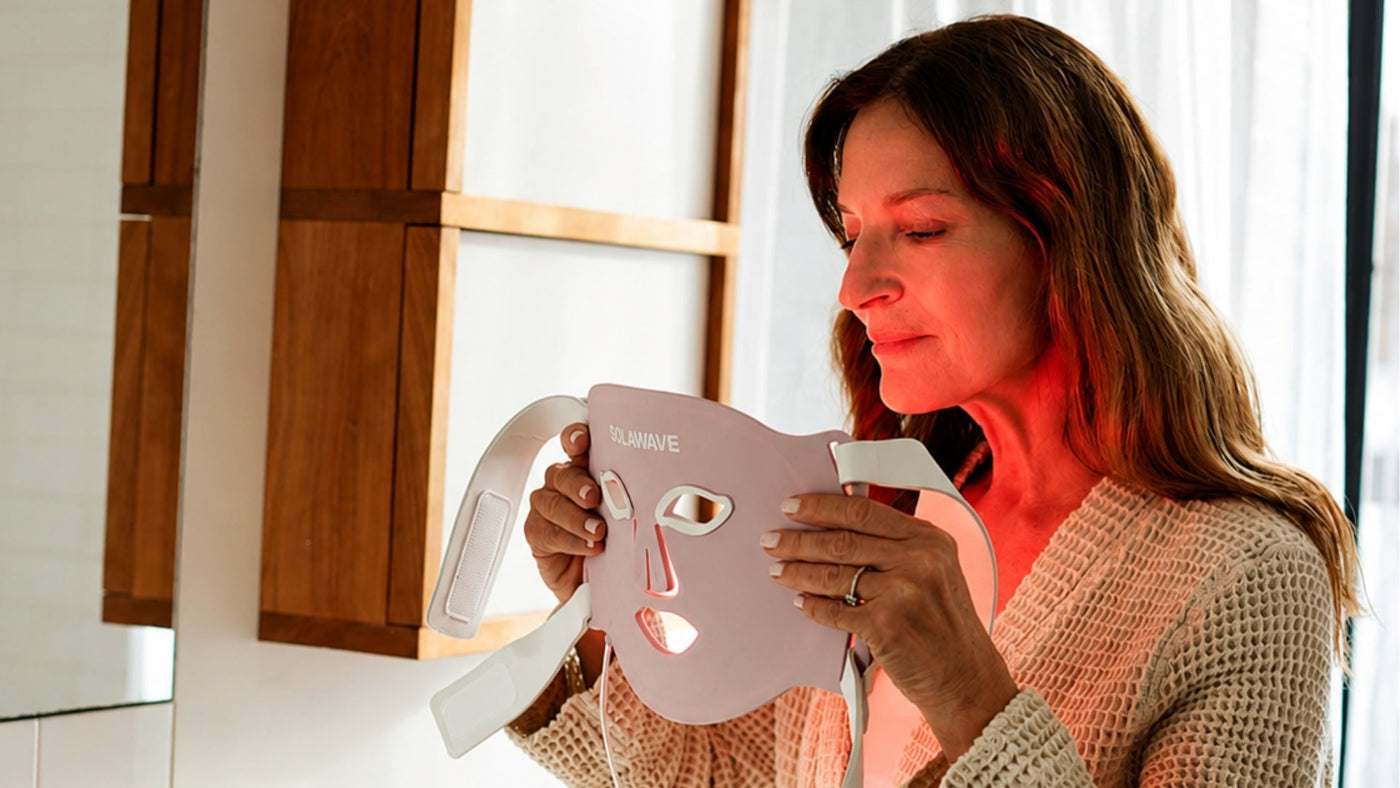
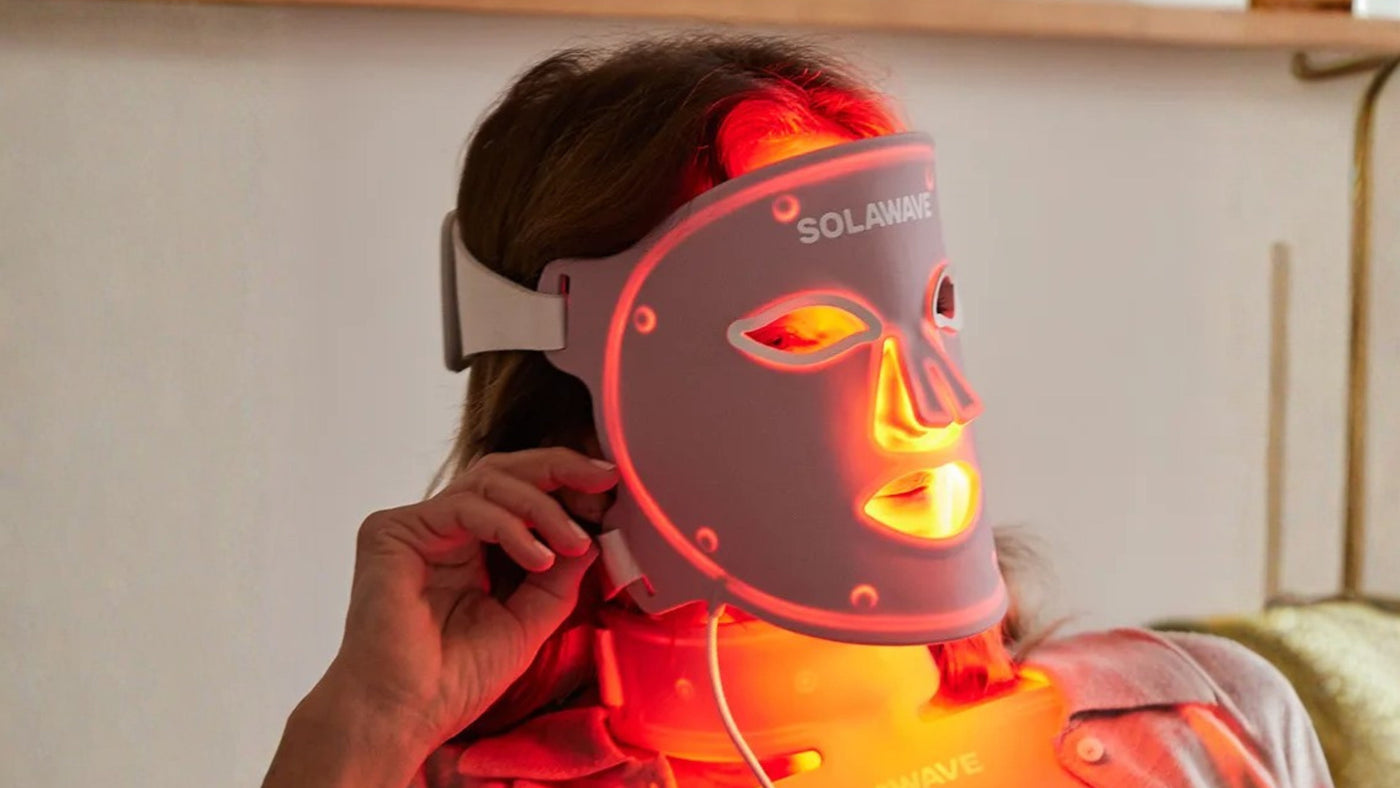
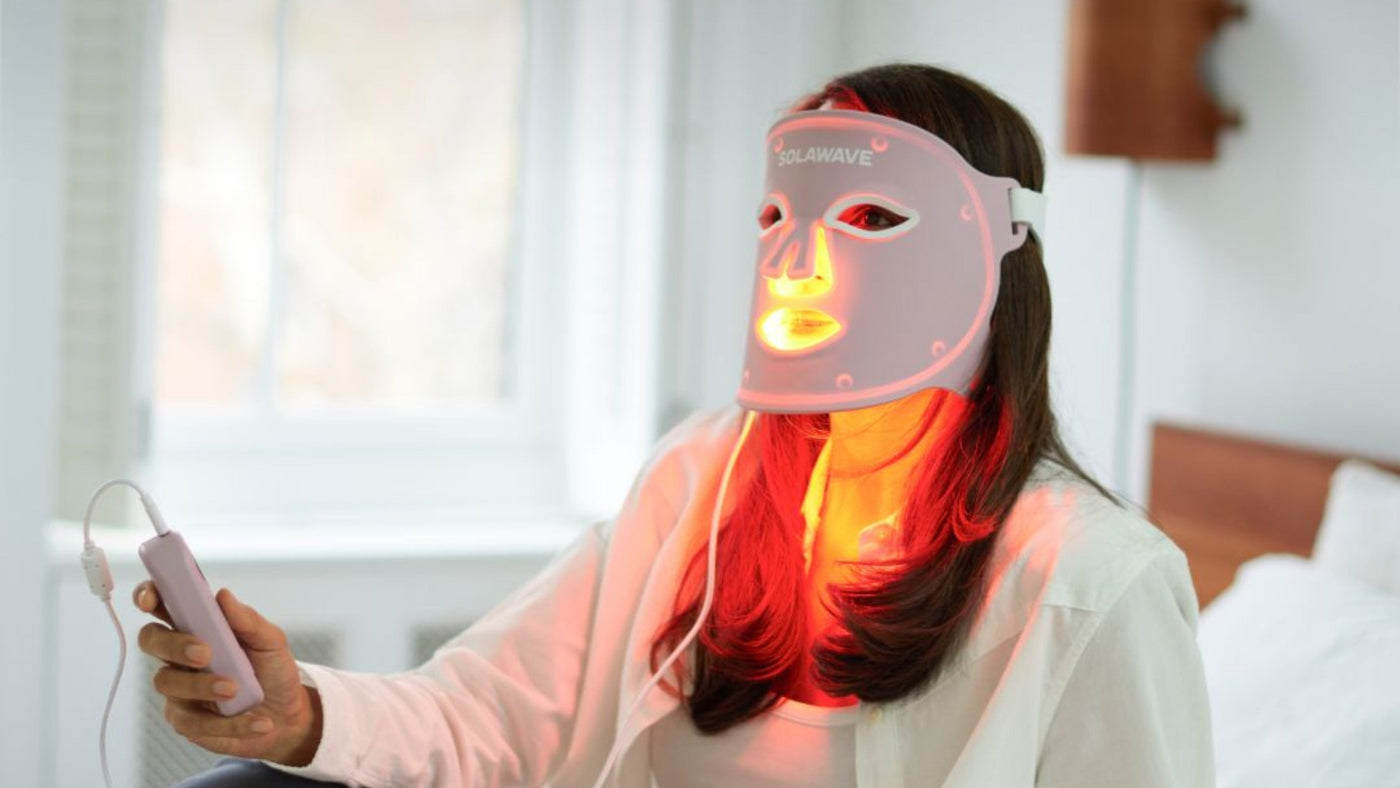
For full-face treatment, the Wrinkle Retreat Pro LED Face Mask features 320 medical-grade LEDs delivering four wavelengths of light therapy: Red (630nm), Deep Red (660nm), Amber (605nm), and Near-Infrared (830nm). Designed for full-face coverage, it provides comprehensive treatment in just 3-minute sessions.
On average, it can take between one and two weeks for acne pimples to clear on their own. With supportive treatments and a good skincare routine, you may help speed up your body's acne healing time. However, post-inflammatory hyperpigmentation can last up to 6 months or longer, depending on skin type and care.
Use gentle, fragrance-free cleansers and moisturize consistently. Ingredients like niacinamide or vitamin C may help with the appearance of uneven tone. Avoid harsh scrubs that can irritate healing skin.
Not all post-acne discoloration is permanent scarring. Post-inflammatory erythema (PIE) appears as pink or red marks, typically in fair skin tones. Post-inflammatory hyperpigmentation (PIH) appears as brown or purple patches, more common in deeper skin tones.
Both types of post-acne marks can fade on their own over time, though the process may take months. True acne scars involve textural changes like pitting, raised tissue, or permanent discoloration that won't fade without intervention.
Genetics plays a significant role in scarring. If you have a close blood relative who has acne scarring, your risk increases. People with deeper skin tones are more prone to hyperpigmentation, while those with inflammatory or cystic acne face a higher risk of textural scarring.
Delayed treatment is another major risk factor. The longer the breakouts remain inflamed, the more likely tissue damage will occur. Starting treatment early, even for mild acne, helps prevent progression to more severe forms. This is why acne scar prevention starts with addressing breakouts promptly.
Building a gentle, consistent skincare routine supports both acne treatment and acne scarring prevention. Your routine should focus on reducing inflammation, supporting healing, and protecting your skin barrier.
Morning routine: Cleanse gently, apply any prescribed treatments, moisturize, and apply broad-spectrum sunscreen.
Evening routine: Cleanse thoroughly, apply acne treatments, use red light therapy devices like the 4-in-1 Skincare Wand, moisturize, and spot treat active breakouts.
Consistency matters more than complexity. Using your routine every day, even when your skin looks clear, helps prevent new breakouts that could lead to scarring.
Consult a dermatologist if over-the-counter treatments aren't improving your acne after 8 to 12 weeks, you have painful cystic or nodular acne, breakouts are leaving dark marks that persist beyond 6 months, or acne is affecting your mental health. Dermatologists can prescribe stronger treatments that may help reduce the appearance of existing marks while preventing new ones.
Learning how to prevent acne scars requires a proactive approach that combines early treatment, gentle care, sun protection, and supportive therapies. By understanding acne healing time and implementing slow-healing acne solutions like red light therapy, you can significantly reduce your risk of developing lasting post acne marks. Remember that acne scar prevention is always easier than treatment, so starting your acne scarring prevention routine now, before scars have a chance to form, gives your skin the best chance at healing smoothly and maintaining an even, healthy appearance.
Ready to support your skin's healing? Shop Solawave devices today.
On average, individual breakouts take between one and two weeks to clear on their own. With treatment and consistent care, you may help speed acne healing time. Post-inflammatory marks can persist for several months, with hyperpigmentation sometimes lasting 6 months or longer, depending on skin type and treatment.
Red light therapy helps reduce the appearance of blemishes and supports the skin's natural healing process. Devices like the Solawave 4-in-1 Skincare Wand use FDA-cleared technology that may help improve skin texture and tone over time when used consistently as part of your routine.
Post-acne marks are temporary discoloration (red, pink, or brown) that fades over time without treatment. True acne scars involve permanent textural changes like pitting, raised tissue, or lasting discoloration that typically require professional intervention to improve.
Acne healing time varies based on genetics, hormonal factors, breakout severity, and treatment consistency. Severe or cystic acne takes longer to heal because lesions are intensely inflamed. With supportive treatment and slow-healing acne solutions like red light therapy, many people see noticeable changes within 6 to 12 weeks.
For best results, use red light therapy devices consistently as directed. The Solawave 4-in-1 Skincare Wand can be used daily as part of your skincare routine. Use with the LightBoost Activating Serum to activate all four technologies. Consistency helps support your skin's natural healing process and may help reduce the appearance of post-acne marks over time.