Rated 4.7 out of 5 stars
4.7 / 5


726,000+ customers
Free 60-Day Returns
1-Year Warranty
726,000+ customers
Free 60-Day Returns
1-Year Warranty

Two of the biggest names in skincare. One targets your pores. The other targets your cells. But can salicylic acid and red light therapy actually work together to deliver better results? The short answer is yes, but how and when you use them matters more than you might think.
Salicylic acid is a beta hydroxy acid, or BHA. Unlike water-soluble exfoliants that work on the surface, salicylic acid is oil-soluble, which means it can penetrate deep into your pores to dissolve the buildup of excess oil, dead skin cells, and bacteria that lead to breakouts.
Think of it this way. Salicylic acid is like a deep clean for your pores. It loosens the bonds holding dead cells to the surface, unclogs congested skin, and helps reduce inflammation. That's why it has been a go-to ingredient for acne-prone skin for decades. It also has mild anti-inflammatory properties, which makes it gentler than some other chemical exfoliants.
But here's the thing. Salicylic acid works on the surface and within the pores. It doesn't reach the deeper cellular processes where collagen production, tissue repair, and cellular regeneration happen. That's where red light therapy picks up.
Red light therapy, also called photobiomodulation, uses specific wavelengths of LED light to interact with your skin at the cellular level. When red light at 630nm reaches the mitochondria inside your skin cells, it triggers increased production of ATP, the energy molecule that powers cellular function. More ATP means more fuel for your body's natural regeneration processes.
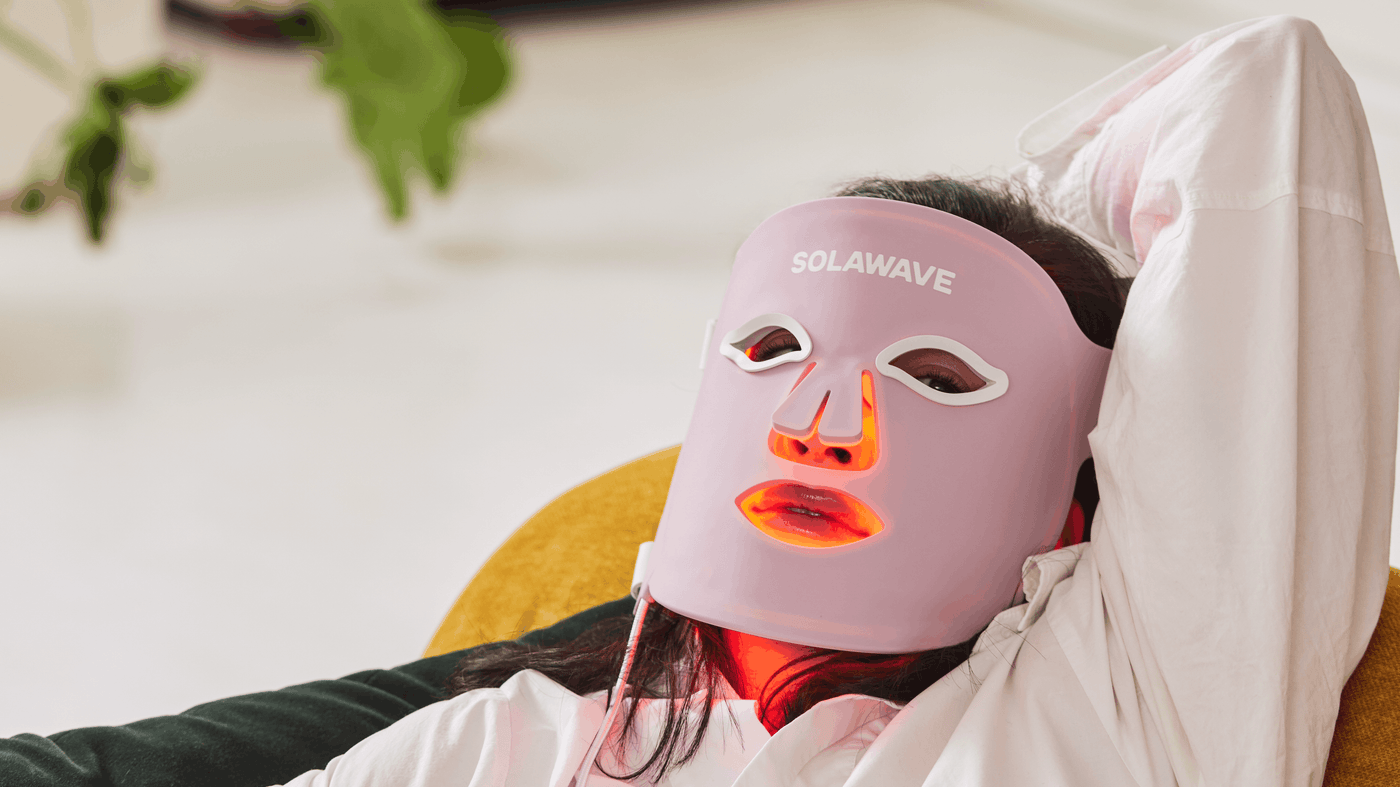
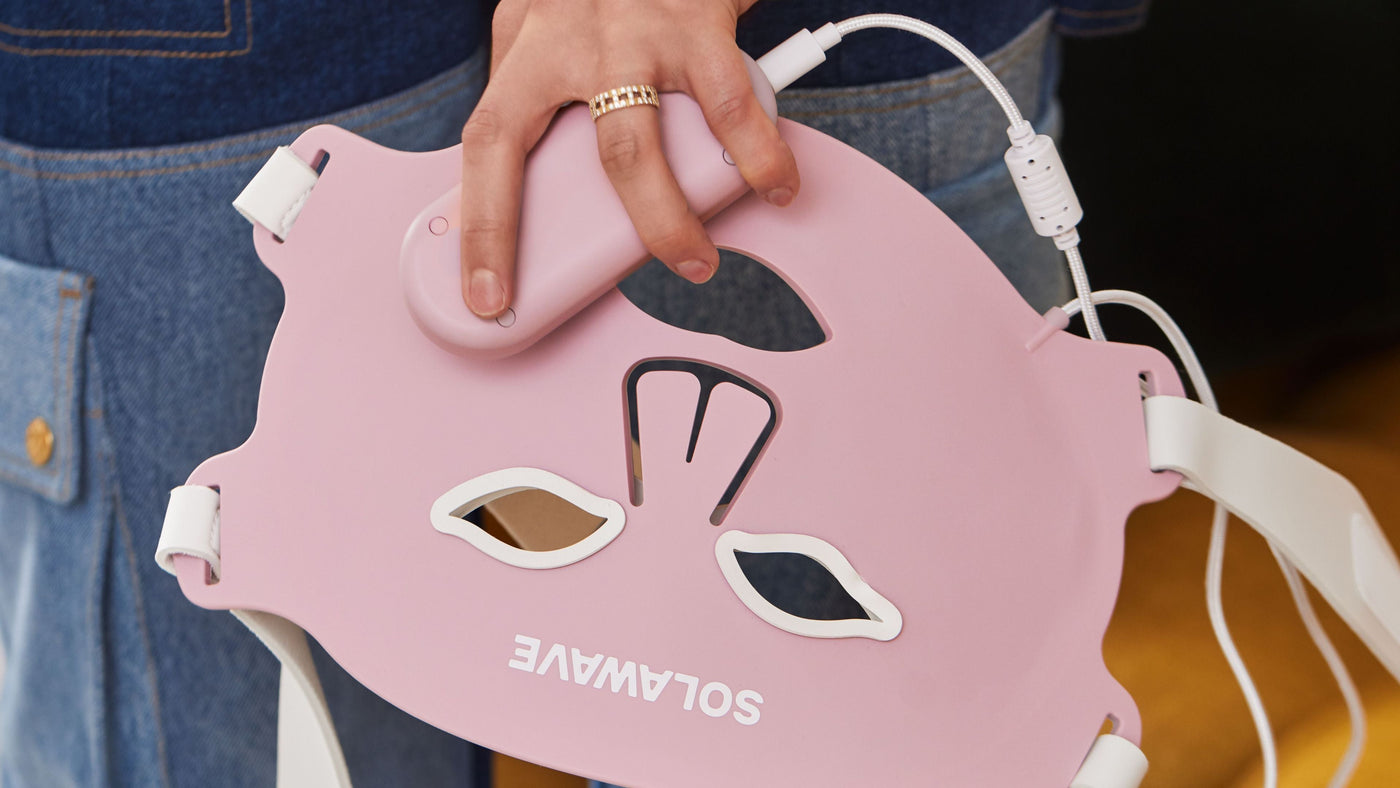
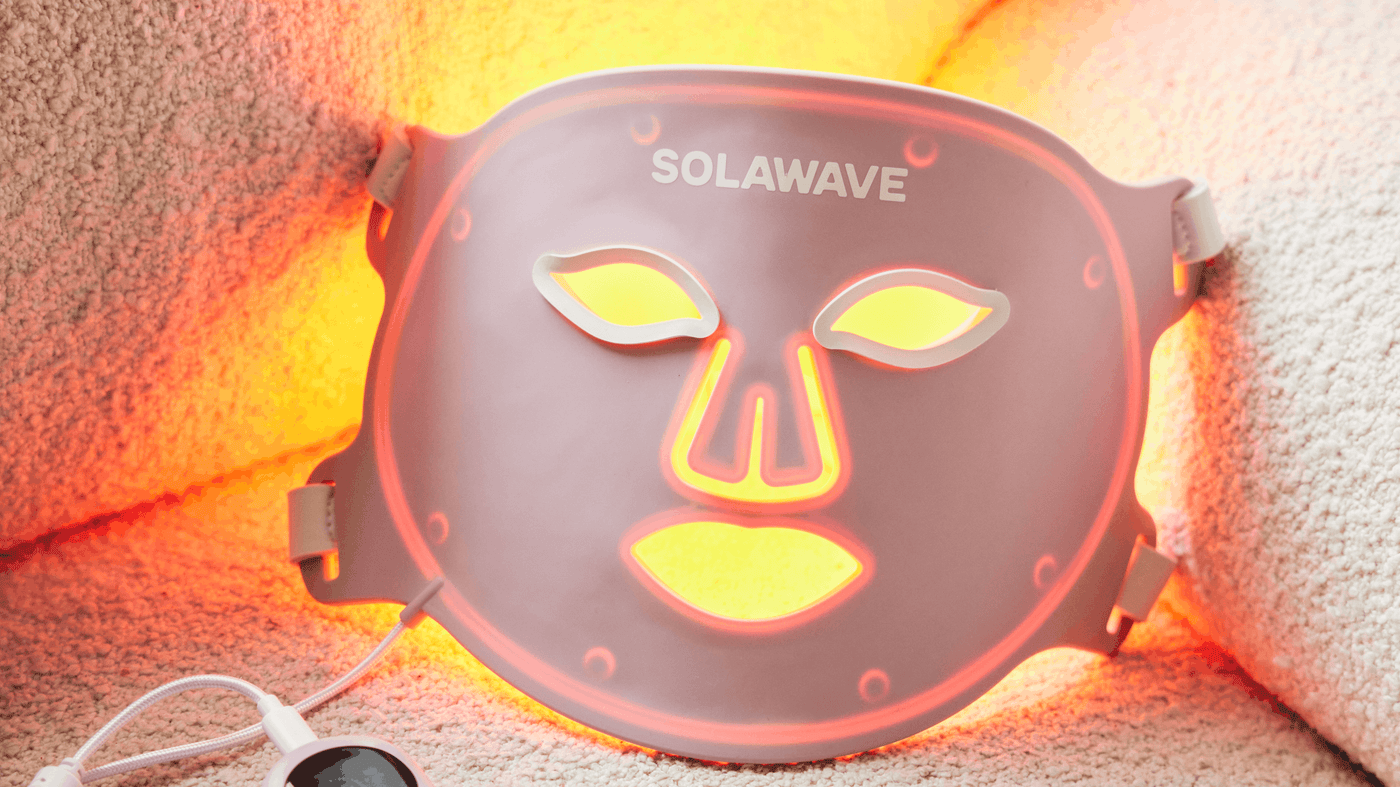
The result? Fibroblast cells ramp up collagen and elastin production. Inflammatory pathways calm down. Circulation improves, delivering more nutrients to your skin. This is the mechanism behind the Wrinkle Retreat Pro LED Face Mask, which uses 320 dual-core LEDs across four therapeutic wavelengths to visibly smooth fine lines, firm skin, and even tone.
In an independent 56-day clinical study of 30 participants, 100% showed visible reduction in fine lines and wrinkles, 100% showed visibly brighter skin, and 100% showed visible improvement in skin texture.
So while salicylic acid clears the path from the outside, red light therapy builds from the inside. They target completely different layers and mechanisms, which is exactly what makes them potentially complementary.
This is where it gets interesting. A published clinical study in the Journal of Clinical and Aesthetic Dermatology evaluated a combined blue and red light therapy mask used with and without topical salicylic acid for mild-to-moderate acne. The light therapy mask alone showed a 24.4% improvement in inflammatory acne lesions over 12 weeks, confirming that LED light therapy is a safe and effective treatment on its own.
Separate research comparing LED phototherapy and salicylic acid peels for inflammatory acne found that both approaches reduced comedones, papules, and pustules significantly. Combined red and blue light was particularly effective, and both treatments were well tolerated.
What the research tells us is that these two approaches attack acne and skin aging through completely different biological pathways. Salicylic acid handles the surface-level congestion. Red light therapy handles the cellular-level repair. When used as part of the same routine with proper timing, they can address skin concerns from multiple angles without working against each other.
Yes, and this is the part most people miss. Timing is everything.
Salicylic acid is an active exfoliant. Freshly exfoliated skin can be more reactive, even to gentle treatments. While red light therapy is non-UV, non-irritating, and pain-free, applying a strong acid immediately before your light therapy session isn't the best approach, especially for sensitive or reactive skin.
Here's the smarter play. Use salicylic acid at a different point in your routine. If you're doing your red light therapy session in the morning, use your salicylic acid treatment at night. Or use them on alternate days. The key is giving your skin a buffer so both treatments can do their best work without competing.
And when it's time for your device session, reach for a serum that's specifically formulated for light therapy. The LightBoost Wand Activating Serum is packed with hyaluronic acid, peptides, and the proprietary LightBoost Complex designed to amplify the visible effects of light therapy. It also serves as the required conductive medium for the 4-in-1 Skincare Wand's galvanic current technology, which drives serum actives deeper into the skin than passive application alone.
For mask users, the LightBoost Face & Neck Serum is a lightweight, fast-absorbing option powered by five biomimetic growth factors and two neuropeptides, designed specifically to pair with the Wrinkle Retreat Pro Face Mask or Neck & Chest Pro Mask.
You can learn more about which skincare ingredients enhance red light therapy and explore the best serum and light therapy combinations for all skin types on the Solawave blog.
If breakouts are what you're dealing with, the combination of salicylic acid in your broader routine and targeted light therapy can be especially powerful. Red light at 630nm reduces visible inflammation and redness around active breakouts. Blue light at 415nm goes after the bacteria that cause acne in the first place, destroying P. acnes at the source.
The Solawave Bye Acne spot treatment uses both wavelengths together in a 3-minute, FDA-cleared treatment that doesn't dry out your skin the way many traditional spot treatments do. Pair that with a salicylic acid cleanser or toner used at a separate time, and you're addressing acne from both the surface and the cellular level.
For a deeper look at how light therapy supports clearer skin, check out red light therapy for acne and what serum to use with red light therapy.
Salicylic acid and red light therapy are not rivals. They're teammates that play different positions. Use salicylic acid to keep your pores clear and your skin smooth. Use red light therapy to support collagen, calm inflammation, and boost radiance at the cellular level. Just separate them in your routine, and let each one do what it does best.
Results may vary. Individual results are not guaranteed.
It's best to separate them. Freshly exfoliated skin can be more reactive, so use salicylic acid at a different time of day or on alternate days from your red light therapy session for the best results.
No, salicylic acid does not block or reduce the effectiveness of LED red light therapy. LED devices emit non-UV wavelengths that penetrate the skin differently than ultraviolet light. Just avoid layering them in the same step.
Use the LightBoost Wand Activating Serum with the 4-in-1 Skincare Wand, or the LightBoost Face & Neck Serum with the Wrinkle Retreat Pro Face Mask. Both are formulated with the proprietary LightBoost Complex to amplify light therapy results.
Yes. They work through completely different mechanisms and can complement each other when used at separate times. Many dermatologists support using both as part of a well-rounded skincare approach.
The Bye Acne spot treatment combines blue light at 415nm and red light at 630nm to target acne-causing bacteria and reduce inflammation without drying your skin.
Research suggests that exfoliation with salicylic acid may reduce the skin's light reflectance, potentially allowing light to penetrate more effectively. However, this benefit comes from using salicylic acid as part of your broader routine, not applying it immediately before a session.