Rated 4.7 out of 5 stars
4.7 / 5


726,000+ customers
Free 60-Day Returns
1-Year Warranty
726,000+ customers
Free 60-Day Returns
1-Year Warranty

The skincare industry is experiencing a fundamental shift in philosophy. For decades, "anti-aging" dominated product labels, marketing campaigns, and consumer conversations. But in 2026, a new concept has emerged as the defining framework for how we think about skin health: resilience. This isn't just a rebranding exercise or marketing trend. The move toward skin resilience skincare represents a genuine evolution in our understanding of what healthy skin looks like and how to achieve it.
To understand why skin resilience vs anti-aging represents such a significant shift, we need to examine what was wrong with the old paradigm.
The term "anti-aging" frames skincare as a war against time, one you're destined to lose. This combative language creates anxiety rather than empowerment. Every wrinkle becomes a defeat. Every sign of maturity becomes evidence of failure. The psychology is fundamentally negative.
Beyond the mental health implications, the anti-aging framework often led to aggressive, damaging approaches. Harsh acids, over-exfoliation, and constant product switching in pursuit of the next miracle ingredient left many people with compromised, sensitized skin that looked worse, not better.
Anti-aging focused almost exclusively on appearance: fewer wrinkles, tighter skin, smaller pores. This emphasis on aesthetics overlooked the skin's primary functions as a protective organ. A face that "looks young" but has a damaged barrier, chronic inflammation, or impaired healing capacity isn't actually healthy.
The anti-aging approach treated all aging signs the same way, regardless of the underlying cause. A wrinkle from sun damage, a wrinkle from dehydration, and a wrinkle from repetitive expression received identical treatments. This ignored the complexity of skin biology and often led to ineffective or counterproductive results.
Perhaps most problematically, anti-aging reinforced the idea that looking older is inherently bad. This age-shaming affected people's self-esteem and relationship with their own faces. The message was clear: your natural appearance isn't good enough.
The skin resilience trend offers a fundamentally different approach. Rather than fighting against aging, resilience focuses on supporting skin's ability to function optimally, adapt to challenges, and recover from stressors.
Resilient skin is skin that:
This definition shifts focus from appearance to function. The beautiful outcome is that skin functioning at its best naturally looks healthier, more radiant, and yes, more youthful. But that appearance is a byproduct of health, not the primary goal.
According to dermatological research, skin that maintains strong barrier function, balanced inflammation responses, and efficient cellular communication ages more gracefully than skin that's been depleted by aggressive treatments. The science increasingly supports a protective, supportive approach over an aggressive, corrective one.
The skin resilience trend rests on five foundational concepts that guide product development, treatment approaches, and daily routines.
A resilient skin barrier is the foundation of skin health. This outermost layer of skin protects against environmental threats, retains moisture, and maintains the conditions internal skin layers need to function.
What compromises barrier integrity:
What supports barrier integrity:
The LightBoost Niacinamide Face and Neck Serum exemplifies this pillar, providing barrier-strengthening ingredients that support skin's natural protective function.
Resilient skin adapts to changing conditions without dramatic swings in oil production, sensitivity, or appearance. This adaptability depends on healthy cellular communication and balanced stress responses.
Signs of poor adaptive capacity:
Supporting adaptive capacity:
How quickly your skin bounces back from damage, whether from a blemish, sun exposure, or an irritating product, indicates its resilience. Efficient recovery prevents minor issues from becoming chronic problems.
What slows recovery:
What speeds recovery:
Red light therapy has emerged as a cornerstone of skin resilience skincare because it directly supports cellular energy production, enhancing skin's ability to recover and regenerate.
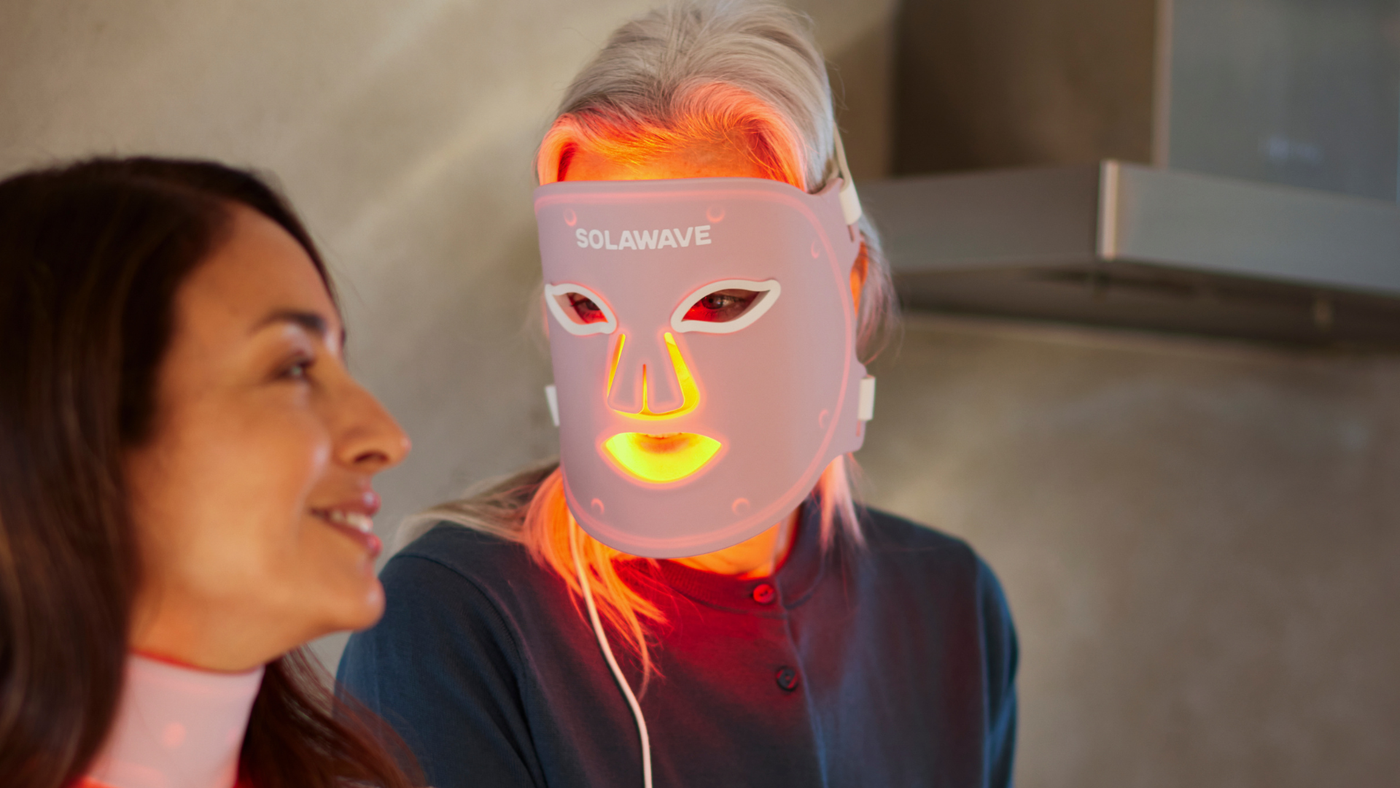
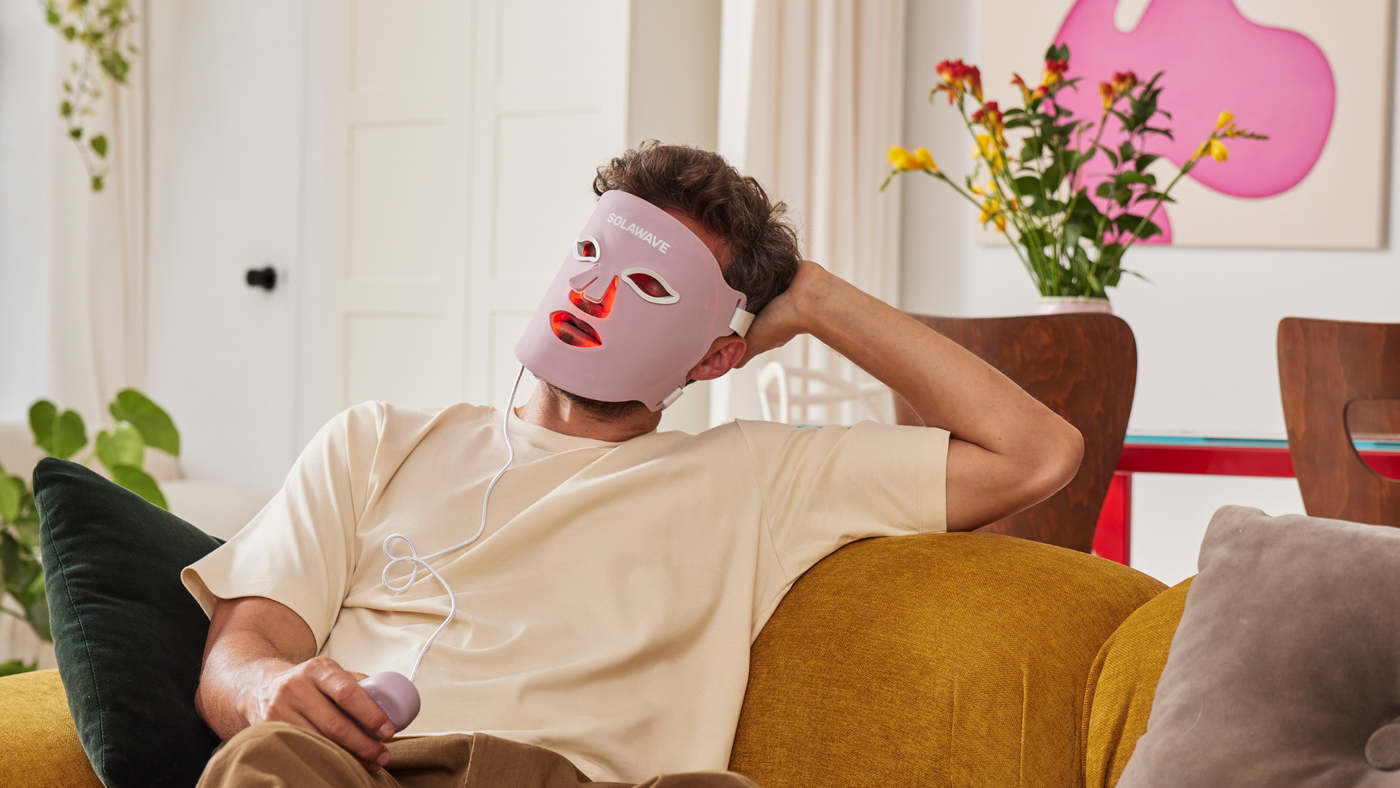
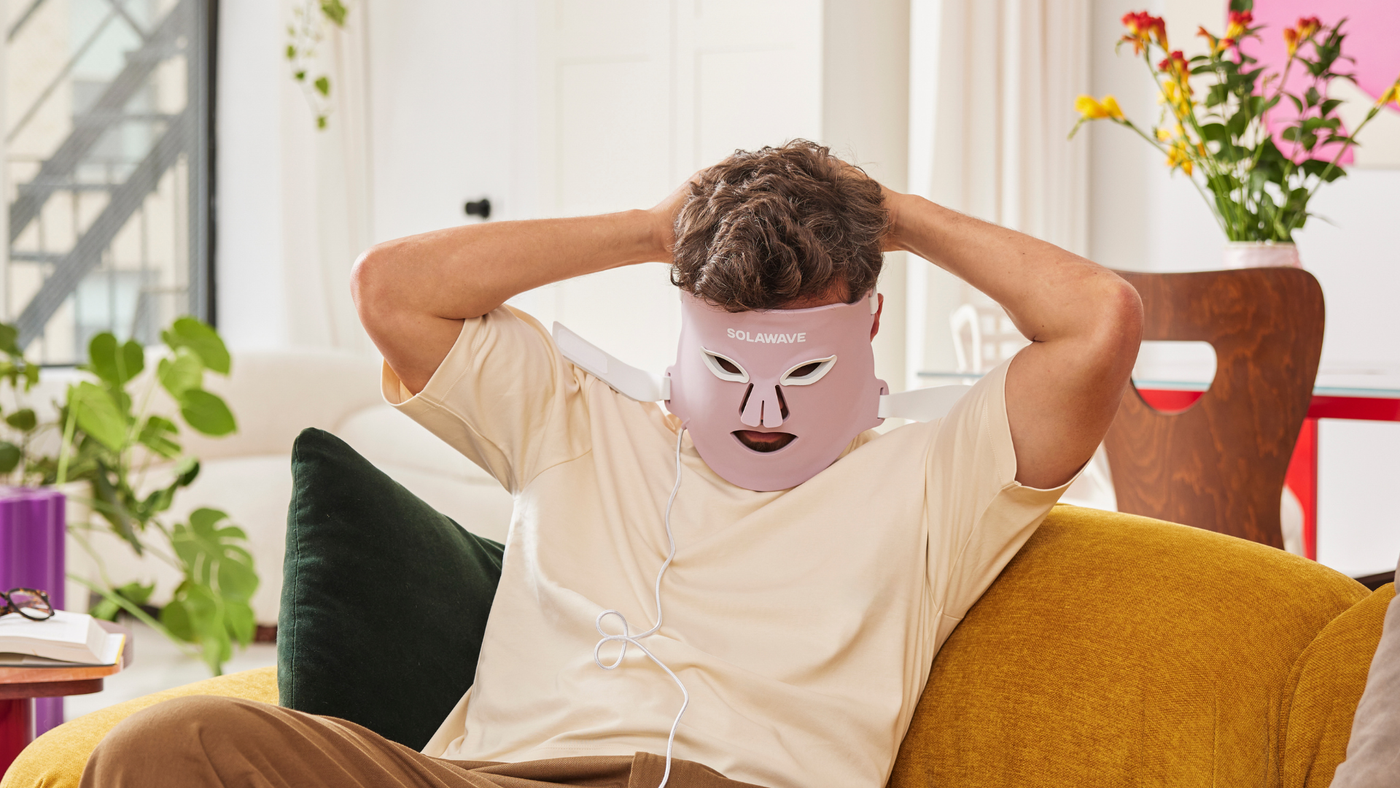
The Red Light Therapy Face Mask delivers four therapeutic wavelengths (Red 630nm, Deep Red 660nm, Amber 605nm, and Near-Infrared 830nm) through 320 medical-grade LEDs. FDA-cleared and designed for 3-minute sessions, it supports the cellular function that underlies skin resilience.
Inflammation isn't inherently bad. It's how skin responds to threats and initiates repair. But chronic, low-grade inflammation exhausts skin's resources and accelerates degradation. Resilient skin has balanced inflammatory responses: strong enough to address real threats, controlled enough not to cause collateral damage.
Signs of inflammatory imbalance:
Supporting inflammatory balance:
At the deepest level, skin resilience depends on healthy, energetic cells. Mitochondrial function, efficient protein production, and proper cell signaling all contribute to skin that performs optimally.
What depletes cellular vitality:
What supports cellular vitality:
The skin resilience trend is manifesting in concrete changes across the skincare industry.
Less is more: Products contain fewer active ingredients at more thoughtful concentrations. Rather than cramming every trendy ingredient into one serum, formulators focus on ingredients that work synergistically.
Barrier-first thinking: Even treatment products now consider barrier impact. Retinols come paired with barrier-supporting ingredients. Acids are formulated at gentler concentrations.
Microbiome awareness: Products increasingly consider the skin's microbial ecosystem. Harsh preservatives and antimicrobials are being replaced with gentler alternatives that don't disrupt beneficial bacteria.
The 12-step routine is dead. The future of skincare emphasizes streamlined routines that accomplish more with less. Each product serves a clear purpose, and layering is intentional rather than excessive.
A resilience-focused routine might include:
Devices that support skin function, rather than just delivering ingredients, are central to 2026 skincare trends. Red light therapy, in particular, exemplifies the resilience approach by enhancing cellular energy rather than forcing change from outside.
The red light therapy wand combines red light with facial massage, therapeutic warmth, and galvanic current for multi-modal support. The wand requires a water-based serum like the LightBoost Activating Serum to work properly and activate all four technologies.
The resilience framework naturally incorporates lifestyle factors, which are often ignored in anti-aging. Sleep, stress, nutrition, and movement are recognized as fundamental to skin health, not just nice-to-haves.
Translating the skin resilience trend into daily practice requires rethinking your approach.
Cleanse Gently: Use a mild, pH-balanced cleanser that removes overnight buildup without stripping your barrier. If your skin feels tight after cleansing, your cleanser is too harsh.
Layer Hydration: Apply hydrating ingredients (hyaluronic acid, glycerin) to damp skin. This supports barrier function and plumps skin for a healthy appearance.
Strengthen the Barrier: Use a serum or moisturizer containing niacinamide, ceramides, or fatty acids to actively support barrier integrity.
Protect: Apply broad-spectrum SPF 30 or higher. UV protection is essential for preserving skin resilience. Sun damage depletes the resources the skin needs to recover from other stressors.
The LightBoost Face and Neck Cream provides intensive hydration and barrier support for daytime protection.
Double Cleanse: Remove sunscreen and daily buildup thoroughly but gently. Oil cleanser followed by a water-based cleanser ensures clean skin without stripping.
Cellular Support: Use your red light therapy device. This is when you actively support the cellular function that underlies resilience. Use your face mask or wand with activating serum 3-5 times weekly.
Targeted Treatment: Apply any treatment products (retinol, peptides, growth factors) that support your specific goals. In a resilience framework, these treatments are supportive rather than aggressive.
Eye Care: The delicate eye area benefits from specialized support. The LightBoost Collagen Caffeine Eye Cream addresses this vulnerable zone with targeted ingredients.
For dedicated eye area treatment, the red light therapy eye mask provides therapeutic wavelengths to this sensitive area.
Seal and Repair: Finish with a moisturizer that locks in your treatments and supports overnight repair. Richer textures are appropriate for the evening.
Gentle Exfoliation (1-2x weekly): Use chemical exfoliants at moderate concentrations to support cellular turnover without compromising barrier integrity.
Hydrating Masks: Intensive hydration treatments replenish moisture reserves and support barrier function.
Extended Body Care: Skin resilience applies to more than your face. The Neck & Chest Rejuvenating Mask extends red light therapy benefits to commonly neglected areas.
|
Aspect |
Anti-Aging Approach |
Skin Resilience Approach |
|
Goal |
Look younger |
Function optimally |
|
Mindset |
Fight against time |
Work with biology |
|
Products |
More is better |
Quality over quantity |
|
Actives |
Maximum strength |
Effective concentration |
|
Barrier |
Secondary concern |
Primary foundation |
|
Success Metric |
Wrinkle reduction |
Overall skin health |
|
Timeline |
Quick fixes |
Long-term support |
|
Relationship with Aging |
Combat |
Accept and optimize |
The skin resilience trend isn't a temporary fad. It represents a maturation in how we understand and approach skin health.
As resilience becomes the framework, personalization becomes more meaningful. Rather than everyone using the same anti-wrinkle cream, products and routines will be tailored to individual resilience profiles based on genetics, lifestyle, and specific skin challenges.
Resilience naturally emphasizes prevention over correction. Supporting skin before problems develop is more effective than trying to reverse established damage.
Devices like red light therapy will become standard components of skincare routines, not premium add-ons. The ability to support cellular function directly, rather than only through topical products, represents a significant advancement.
All Solawave devices are FSA/HSA eligible and recommended by dermatologists, making the future of skincare accessible today.
The resilience framework is inherently more sustainable. Fewer products, used consistently over time, create less waste than the constant product-hopping that characterized the anti-aging era.
Perhaps most importantly, skin resilience skincare supports a healthier relationship with aging and appearance. When the goal is skin that functions well rather than skin that looks 20, the pressure eases. Self-acceptance becomes possible alongside skin improvement.
The shift from anti-aging to the skin resilience trend represents more than a change in marketing language. It reflects a fundamental evolution in how we understand skin health and our relationship with aging. By focusing on barrier integrity, adaptive capacity, recovery efficiency, balanced inflammation, and cellular vitality, skin resilience skincare creates skin that genuinely functions better and naturally looks better as a result. This approach is sustainable, psychologically healthier, and backed by emerging science. As 2026 skincare trends continue to unfold, the future of skincare clearly belongs to resilience. Understanding skin resilience vs anti-aging empowers you to make choices that support your skin for the long term, building a resilient skin barrier that serves you through whatever life brings.
Ready to embrace the skin resilience approach? Shop Solawave's skincare collection today.
Anti-aging focuses on reversing or hiding signs of aging, treating them as problems to fix. Skin resilience focuses on supporting skin's optimal function, including barrier integrity, recovery capacity, and cellular health. The appearance improvements from resilience come as a natural result of healthier skin, not as the primary goal.
Not at all. Skin that functions optimally naturally looks healthier, more radiant, and more youthful. The difference is that these appearance benefits come from genuine health improvements rather than surface-level fixes. Many people find they achieve better aesthetic results with a resilience approach than they did chasing anti-aging claims.
Red light therapy is a perfect example of resilience-focused technology. Rather than forcing change from outside, it supports cellular energy production, enhancing skin's natural ability to repair, regenerate, and adapt. This inside-out approach aligns perfectly with the resilience philosophy.
Not necessarily. Many products marketed as "anti-aging" contain ingredients that support resilience (retinoids, peptides, antioxidants). The key is how you use them. Incorporate them thoughtfully into a barrier-supportive routine rather than layering them aggressively. The framework matters more than the label.
Skin resilience is relevant at every age. Younger skin benefits from resilience-building practices that prevent future damage and maintain optimal function. Building resilience early creates a strong foundation that serves you throughout life. It's never too early or too late to focus on resilience.