Rated 4.7 out of 5 stars
4.7 / 5


726,000+ customers
Free 60-Day Returns
1-Year Warranty
726,000+ customers
Free 60-Day Returns
1-Year Warranty

Remember when a 12-step skincare routine was aspirational? When bathroom shelves groaned under the weight of essences, ampoules, serums, boosters, and mists? That era is officially over. Skinimalism 2026 has arrived, and it's proving that strategic minimalism beats product overload every time.
But this isn't about deprivation or giving up on great skin. The simplified skincare trend represents a maturation in how we think about skin health. It's the recognition that more products often mean more problems, and that intelligent technology can accomplish what ten mediocre products cannot. Welcome to the new era of fewer skincare products, better results.
To understand why skinimalism 2026 resonates so deeply, we need to examine what came before.
The 2010s and early 2020s saw skincare routines balloon in complexity. Influenced by K-beauty's multi-step approach and fueled by social media content that rewarded elaborate routines, consumers accumulated products at unprecedented rates.
The average skincare consumer owned 5-7 facial products in 2015. By 2022, that number had climbed to 12-15 products. Some enthusiasts maintained routines with 20 or more steps.
The underlying logic seemed sound: each ingredient addresses a specific concern, so more ingredients should mean more benefits. Target wrinkles with retinol. Fight dark spots with vitamin C. Hydrate with hyaluronic acid. Brighten with niacinamide. Exfoliate with acids. The product count grew with each new concern identified.
But the maximalist approach created problems nobody anticipated.
Barrier damage became epidemic as layering multiple active ingredients overwhelmed the skin's adaptive capacity. Dermatologists reported surging cases of "cosmetic intolerance syndrome," where previously healthy skin could no longer tolerate any products.
Ingredient conflicts emerged as routines grew more complex. Vitamin C and niacinamide were once thought to cancel each other out (now debunked, but the confusion persisted). Retinol and acids competed for the skin's attention. The more products in a routine, the higher the chance of counterproductive combinations.
Diminishing returns set in beyond a certain threshold. Skin can only absorb so much. Products applied later in lengthy routines often sat on the surface, doing little except potentially clogging pores.
The financial burden mounted as maintaining a 15-product routine became expensive. Consumers spent hundreds monthly replacing products, often before finishing them, lured by the next "holy grail" ingredient.
Environmental impact became impossible to ignore. More products meant more packaging, more shipping, more waste.
And then there was decision fatigue. Choosing from countless options and managing complex routines became exhausting. Skincare stopped being self-care and started being a chore.
The skinimalism 2026 movement isn't about neglecting your skin. It's about respecting it enough to stop overwhelming it.
Quality trumps quantity in the minimalist framework. One excellent product beats five mediocre ones. Investment shifts from accumulating products to selecting the right products.
Multi-functional formulations have become the standard, with products that accomplish multiple goals, reducing routine complexity without sacrificing results.
Technology integration plays a central role, as devices that enhance skin function replace products that merely add ingredients.
Barrier health comes first. Every product in a minimal routine must either support or at least not compromise barrier function.
And listening to skin becomes essential. Minimalism requires paying attention to what your skin actually needs rather than following generic routines.
A true skinimalism 2026 routine typically includes just 3-4 products in the morning (gentle cleanser or water only, one targeted serum, and moisturizer with SPF or separate SPF) and 4-5 products in the evening (cleanser with double cleanse if wearing SPF or makeup, treatment device like red light therapy, one treatment serum, and moisturizer).
That's it. No essence, toner, multiple serums, ampoule, eye cream, face oil, mist, and sleeping mask layered in sequence. Just thoughtfully selected products that accomplish clear goals.
The simplified skincare trend isn't anti-technology. Quite the opposite. Smart devices have become central to minimalist routines precisely because they deliver what products cannot.
Topical products work primarily at the skin surface. Even ingredients that penetrate deeper are limited in what they can accomplish. Devices like red light therapy work at the cellular level, enhancing mitochondrial function and supporting processes that products can't directly influence.
A red light therapy device doesn't conflict with your serum. It enhances your skin's ability to utilize whatever products you do use. There are no ingredient interactions to worry about, no layering order to remember.
From a financial perspective, a quality device is a one-time purchase that provides ongoing benefits. No monthly repurchasing, no running out at inconvenient times, no accumulating half-empty bottles.
Devices also deliver consistent treatment every session, while product efficacy varies based on formulation stability, application technique, and environmental factors.
And the sustainability angle matters too. One device replacing multiple products means less packaging, less shipping, and less waste over time.
Red light therapy has emerged as the cornerstone technology in skinimalism 2026 routines. Its appeal for minimalists is clear.
A single device addresses firmness, texture, fine lines, inflammation, and recovery, benefits that would otherwise require multiple products to target. By improving cellular energy production, red light therapy helps skin better utilize whatever products you do apply, making your minimal routine more effective. And you're not adding another layer of ingredients that might conflict with others. You're supporting the skin's own function.
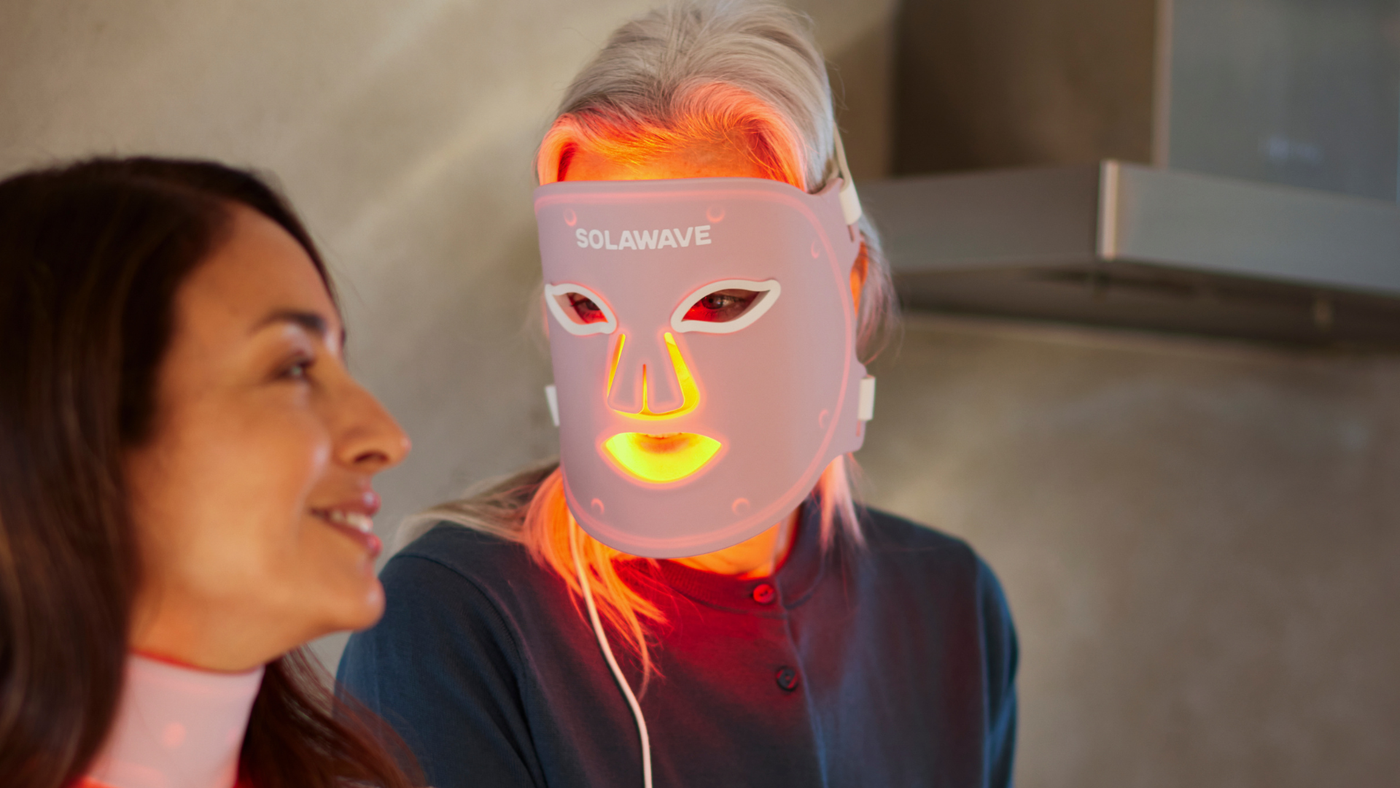
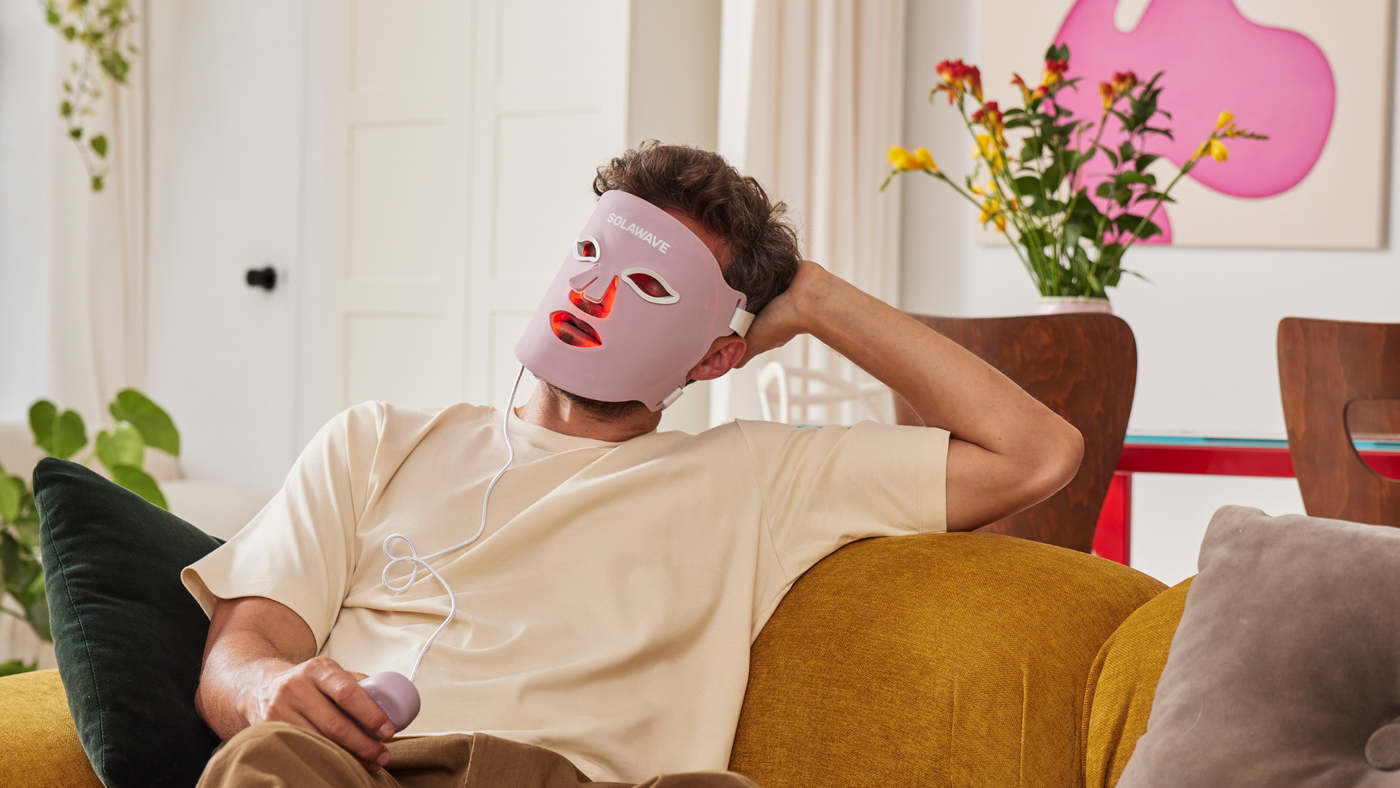
The Red Light Therapy Face Mask exemplifies minimalist technology. Featuring 320 medical-grade LEDs delivering four therapeutic wavelengths (Red 630nm, Deep Red 660nm, Amber 605nm, and Near-Infrared 830nm), it provides comprehensive treatment in just 3-minute sessions. FDA-cleared and hands-free, it integrates seamlessly into streamlined routines.
Ready to embrace fewer skincare products without sacrificing results? Here's how to build a routine that actually works.
Empty your skincare cabinet. Yes, all of it. Lay everything out and honestly assess what actually works (be honest), what you haven't finished in six months, what irritates your skin, what you're using out of habit rather than results, and what duplicates a function with another product.
Most people find they're using multiple products that do essentially the same thing, or products that aren't doing anything noticeable at all.
Skinimalism requires prioritization. You cannot target every possible skin concern with a minimal routine. Choose your top 2-3 priorities from options like hydration and barrier health, fine lines and firmness, brightness and even tone, acne and congestion, or sensitivity and redness.
Your product selection will focus on these priorities. Other concerns take a backseat or get addressed through device technology that provides broad benefits.
For each routine slot, choose one product that excels.
You need one gentle, pH-balanced cleanser for all purposes. If you wear heavy SPF or makeup, add an oil cleanser for an evening double-cleanse.
For your treatment serum, choose one that addresses your primary concern. This might be vitamin C for brightness and antioxidant protection, niacinamide for barrier support and overall skin health, retinol for anti-aging (used in the evening), or azelaic acid for redness and texture.
The LightBoost Activating Serum serves double duty in minimalist routines, providing hydration through hyaluronic acid while activating the technologies in your treatment devices.
For moisturizer, choose one that supports barrier function with a texture based on your skin type. The LightBoost Face and Neck Cream provides intensive hydration with barrier-supporting ingredients for both day and night use.
SPF is non-negotiable. Choose a formula you'll actually use daily.
For your treatment device, the red light therapy wand combines red light with facial massage, therapeutic warmth, and galvanic current for multi-benefit treatment with minimal routine complexity.
In the morning, cleanse (or splash with water if skin isn't oily), apply your single treatment serum, moisturize, and apply SPF.
In the evening, double cleanse if wearing SPF or makeup, use red light therapy for 3-5 minutes, apply your treatment serum, layer the LightBoost Niacinamide Face and Neck Serum for barrier support, and moisturize.
That's a complete routine. Five products plus one device replace fifteen products with better results.
The minimalist approach extends to specialty areas.
For eyes, rather than separate eye creams, use your regular serum and moisturizer around the eyes (avoiding direct contact with eyes). For targeted treatment, the red light therapy eye mask addresses this delicate area without adding another product. If you prefer a dedicated eye product, the LightBoost Collagen Caffeine Eye Cream serves as your single eye treatment.
For neck and chest, extend your facial products to these areas rather than buying separate formulations. For light therapy treatment, the Neck & Chest Rejuvenating Mask provides targeted coverage.
Beyond practical benefits, the simplified skincare trend offers psychological relief that maximalism never could.
When your routine is minimal, you're not constantly wondering if you're missing the latest miracle ingredient. You're not anxiously scanning new launches. You've made deliberate choices, and you're committed to them. According to dermatological research, simplified routines that respect barrier function often outperform complex regimens that compromise skin integrity.
Fewer products also mean fewer daily decisions. Your routine becomes automatic, freeing mental energy for things that matter more than which serum to apply.
When skincare is simple, it stops feeling like a chore and becomes actual self-care. Three minutes with a red light therapy mask is meditative. Twelve steps of product application are working.
Knowing exactly what you need and not constantly buying new products provides genuine financial relief. A minimal routine costs less to maintain, even with higher-quality individual products.
And minimalism aligns skincare with broader values around sustainability and conscious consumption. Less waste, less packaging, less shipping, less guilt.
Skinimalism 2026 isn't about eliminating everything. Certain elements remain essential.
You need to clean your skin, but one gentle cleanser suffices for most people. Reserve double-cleansing for evenings when you're removing SPF or makeup.
Daily SPF is non-negotiable regardless of routine philosophy. This is the single most important product for long-term skin health.
Skin needs moisture support, especially in challenging environments. At a minimum, a good moisturizer addresses this need.
Whether through a single serum or a device, some form of active treatment supports skin beyond basic maintenance. Red light therapy efficiently provides this without product complexity.
And every routine element should either actively support or at least not compromise barrier function. This is the organizing principle of minimalist skincare.
As you embrace fewer skincare products, watch out for these pitfalls.
Going too minimal too fast can shock your system. If you've been using 15 products, don't drop to 3 overnight. Your skin has adapted to what you've been providing. Gradually eliminate products over weeks.
Some people cut SPF to simplify routines, which is exactly the wrong move. Cut the fourth serum before you cut protection basics.
Skinimalism means strategic minimalism, not neglect. Your reduced routine should still address your skin's actual needs. If you're breaking out more or drying out, you've cut too much or cut the wrong things.
The minimal skincare routine template provides guidance, but your specific skin determines what you actually need. Someone with oily, acne-prone skin needs different products than someone with dry, mature skin, even if both have minimal routines.
And simplifying your routine may cause a transition period. Skin that's been over-treated needs time to recalibrate. Trust the process for 6-8 weeks before evaluating results.
Skinimalism 2026 isn't a temporary reaction to maximalist excess. It represents a permanent shift in how we approach skin health.
Expect devices to become even more central to minimalist routines. Multi-function devices that address multiple concerns in a single session align perfectly with minimalist values. All Solawave devices are FSA/HSA eligible and recommended by dermatologists, making professional-grade technology accessible for minimalist routines.
Product development is shifting toward multi-functional formulations that accomplish more per product. Expect fewer, better products rather than proliferating SKUs.
As minimalism matures, personalization becomes more important. Your minimal routine should be tailored to your specific needs, not copied from an influencer with different skin.
And minimalism and sustainability continue to converge. Expect refillable packaging, concentrated formulas, and transparency about environmental impact to become standard.
Skinimalism 2026 proves that more has never meant better in skincare. The simplified skincare trend succeeds because it aligns with how skin actually works: it functions best when supported rather than overwhelmed. By embracing fewer skincare products and integrating smart technology like red light therapy, you can achieve results that complex routines never delivered. A minimal skincare routine isn't about giving up on great skin. It's about finally achieving it through strategic simplicity. The products you don't use matter as much as the ones you do. Choose fewer, choose better, and let your skin breathe.
Ready to simplify your routine with smart technology? Shop Solawave's skincare collection today.
A complete skinimalism 2026 routine typically requires 4-6 products: cleanser, one treatment serum, moisturizer, SPF, and optionally a separate evening treatment product. Add one treatment device like red light therapy, and you have everything needed for healthy, improved skin.
The opposite is often true. When you use fewer products, each one can work more effectively without competition or conflict from other ingredients. Your skin isn't overwhelmed, so it can actually utilize what you're providing. Strategic minimalism often delivers better results than maximalist layering.
Start by eliminating duplicates (multiple serums targeting similar concerns), products you've had open for more than six months, products that sting or irritate, and products you're using out of habit rather than for visible results. Keep your most effective products and your protection basics like SPF and moisturizer.
Absolutely. Red light therapy devices provide anti-aging benefits like collagen stimulation and firmness improvement that would otherwise require multiple products. Pair with one well-chosen treatment serum (retinol or peptides) and consistent SPF, and you're addressing aging more effectively than a 12-product routine ever could.
Yes, and potentially beneficial. Over-treating acne-prone skin often worsens barrier function and increases inflammation, perpetuating breakouts. A minimal routine with one targeted acne treatment, barrier-supporting hydration, and red light therapy (which has anti-inflammatory benefits) can be more effective than aggressive multi-product approaches.