Rated 4.7 out of 5 stars
4.7 / 5


726,000+ customers
Free 60-Day Returns
1-Year Warranty
726,000+ customers
Free 60-Day Returns
1-Year Warranty
Navigating the world of vitamin A skincare can feel overwhelming. You have heard about retinol vs tretinoin vs retinoids, but understanding which one actually works for your skin concerns requires cutting through the confusion. Whether you are dealing with fine lines, uneven texture, or simply want to maintain healthy skin, knowing the difference between retinol and tretinoin helps you make an informed choice that delivers real results.
Retinoids are a family of vitamin A derivatives that have become the gold standard in skincare for addressing signs of aging, acne, and uneven skin tone. The term "retinoid" is an umbrella category that includes both prescription and over-the-counter options.
All retinoids work by accelerating cell turnover and stimulating collagen production. However, they vary significantly in strength, how quickly they work, and how your skin tolerates them. The key difference lies in how many conversion steps each type requires before becoming active in your skin. This retinoid skincare guide will help you understand your options.
When comparing prescription vs over the counter retinoids, the strength hierarchy matters significantly for both results and tolerability.
Tazarotene sits at the top as the strongest prescription retinoid, typically reserved for stubborn acne or advanced photoaging. Tretinoin (often sold as Retin-A) is retinoic acid in its active form. Your skin does not need to convert it, which means faster, more potent results. According to the Cleveland Clinic, tretinoin is a prescription medication used to treat acne and reduce the appearance of fine wrinkles and mottled skin discoloration. Prescription concentrations range from 0.025% to 0.1%.
Adapalene is a synthetic retinoid originally prescription-only but now available over the counter at 0.1% strength. It binds directly to skin receptors and is particularly effective for acne with less irritation than tretinoin.
Retinaldehyde (Retinal) requires just one conversion step to become retinoic acid, making it the strongest non-prescription option. It works faster than retinol but remains gentler than prescription alternatives.
Retinol is the most common over-the-counter option, available in concentrations from 0.25% to 1%. It requires multiple conversion steps in your skin before becoming active, which makes it gentler but slower to show results.
Retinyl Esters (like retinyl palmitate) are the weakest form, requiring the most conversions. Understanding this retinoid strength comparison helps you choose appropriately.
The right choice depends on your specific skin concerns, tolerance level, and timeline expectations.
Both tretinoin and retinol effectively address fine lines and wrinkles over time. The difference between retinol and tretinoin lies in speed and intensity. Tretinoin typically shows visible improvement within 8 to 12 weeks, while retinol may take 3 to 6 months for comparable results.
If you have sensitive skin or are new to vitamin A derivatives, starting with a low-concentration retinol allows your skin to build tolerance gradually.
Tretinoin was FDA-approved for acne treatment in 1971 and remains one of the most reliable prescription options for moderate to severe acne. Adapalene offers a middle ground, providing prescription-level efficacy with better tolerability.
All retinoids help with hyperpigmentation by accelerating cell turnover. Prescription options work faster, but consistent use of over-the-counter retinol also yields significant improvements over time.
Every retinoid comes with a potential adjustment period. Common experiences include dryness, flaking, and temporary sensitivity.
Start slowly by applying your retinoid 2 to 3 times per week initially, gradually increasing frequency as your skin adjusts. Buffer when needed by applying moisturizer before your retinoid to reduce irritation while your skin builds tolerance. Protect your skin barrier with daily SPF 30 or higher, as retinoids increase sun sensitivity. Be patient, as visible improvements typically require 8 weeks of consistent use at a minimum.
While retinoids work at the cellular level to promote turnover and collagen production, supporting your skin's overall health helps maximize results and minimize irritation. Red light therapy offers a complementary approach that works alongside your retinoid routine.
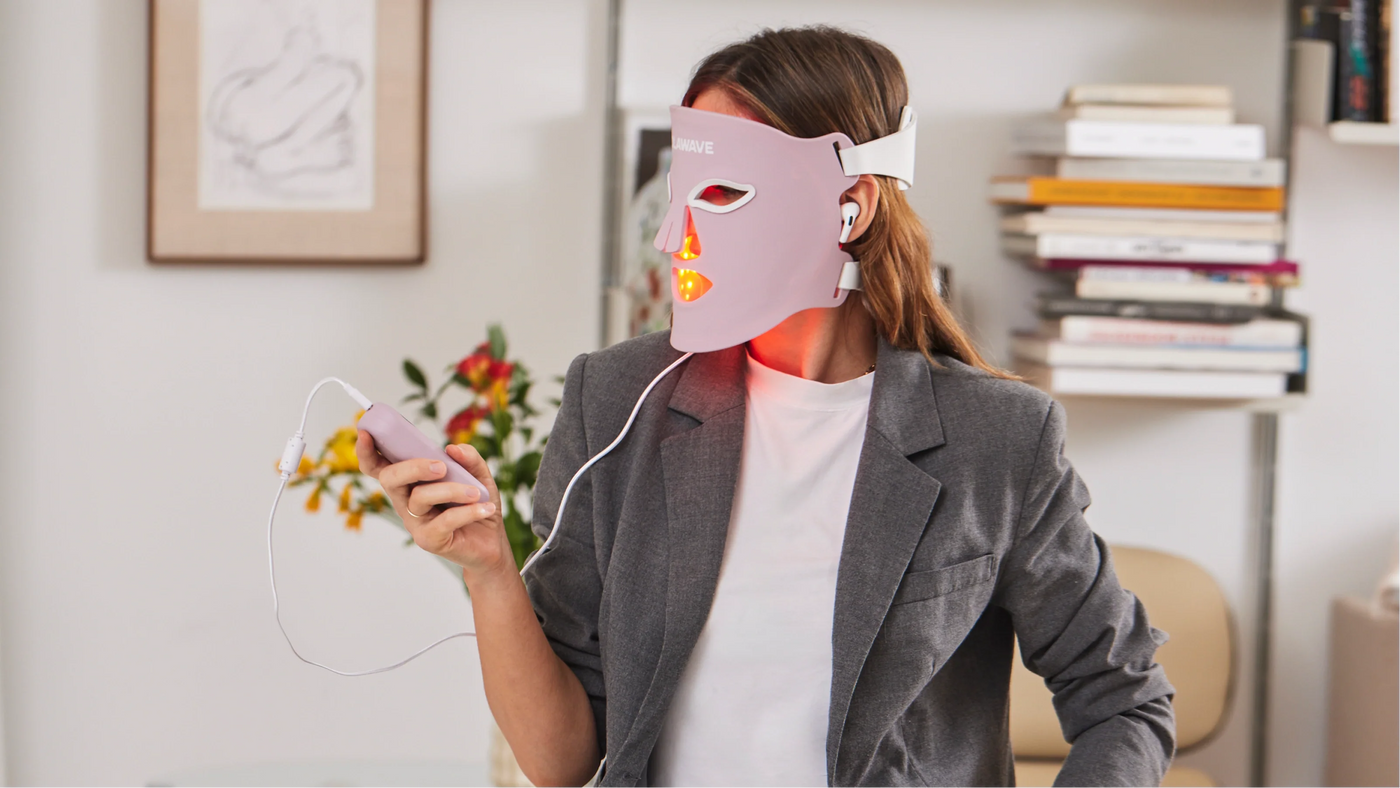
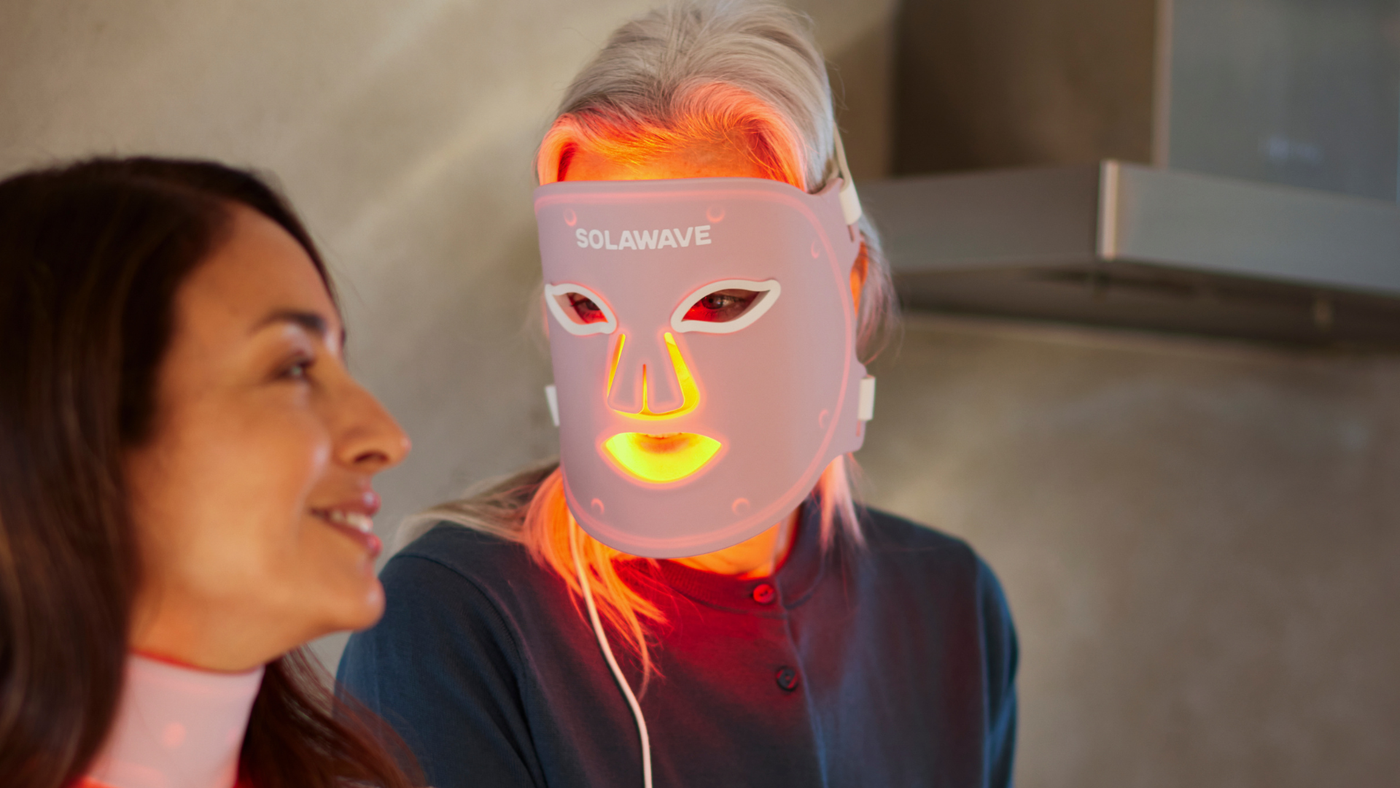
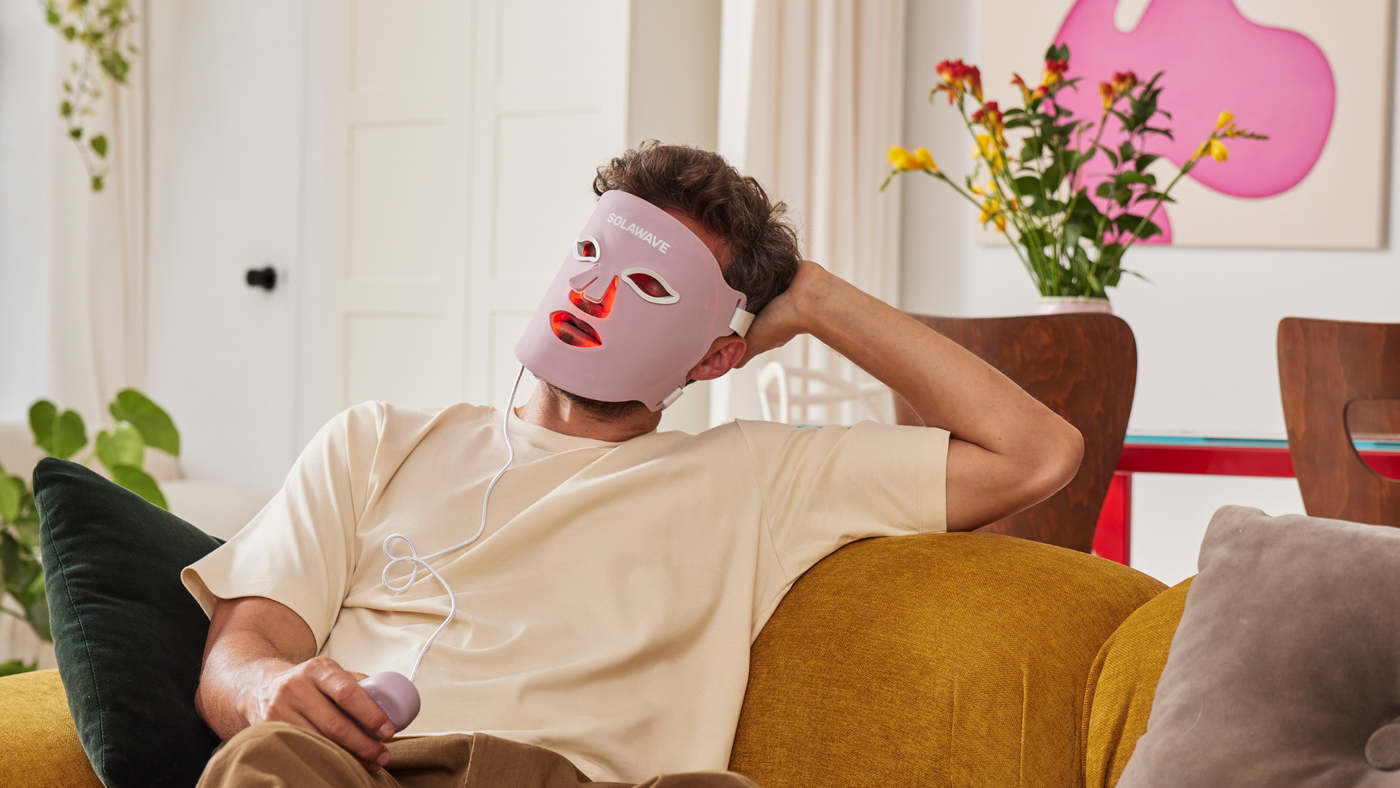
A red light therapy face mask delivers four wavelengths, including red light at 630nm and near-infrared at 830nm, in just 3-minute sessions. Red light therapy supports the skin's natural repair processes, which can be particularly beneficial when your skin is adjusting to retinoid use. Understanding how often to use LED face masks can help you build a sustainable routine.
For targeted treatment, a red light therapy wand combines red light therapy with therapeutic warmth, galvanic current, and facial massage. When used with the LightBoost Activating Serum, the wand helps active ingredients penetrate more effectively while providing soothing benefits. The serum is required for the wand to work properly and activate all four technologies. Learning what to apply before red light therapy ensures you maximize each session.
Solawave creates FDA-cleared light therapy devices backed by clinical research and over 27 beauty awards. With recommendations from dermatologists, Solawave offers a way to visibly enhance your skincare routine. More brands are launching without FDA clearance and murky safety protocols, so purchasing something FDA-cleared matters for both safety and results. All devices are FSA/HSA eligible. Browse the complete collection to find what works for you.
Understanding retinol vs tretinoin vs retinoids empowers you to choose the right vitamin A derivative for your skin. Prescription options like tretinoin deliver faster results but require medical guidance, while over-the-counter retinol offers a gentler entry point for beginners. Whichever you choose, consistency and patience are essential. Pairing your retinoid routine with supportive treatments like red light therapy can help you achieve optimal results while maintaining skin health.
Ready to support your retinoid routine? Shop Solawave devices today.
No. Using both simultaneously offers no additional benefit and significantly increases irritation risk. Choose one based on your skin's needs and tolerance level.
Tretinoin typically shows noticeable improvements in 8 to 12 weeks. Over-the-counter retinol may take 3 to 6 months for comparable results. Consistency matters more than concentration.
Starting with retinol is a sensible approach if you have never used retinoids. Building tolerance with a gentler formula helps you understand how your skin responds before considering prescription options.
Avoid combining retinoids with other potentially irritating actives like AHAs, BHAs, or vitamin C in the same routine. You can alternate them on different days once your skin tolerates retinoids well.
For sensitive skin, start with a low-concentration retinol (0.25% to 0.5%) or retinaldehyde. These gentler options allow your skin to build tolerance before considering stronger prescription vs over the counter retinoids.