Rated 4.7 out of 5 stars
4.7 / 5


726,000+ customers
Free 60-Day Returns
1-Year Warranty
726,000+ customers
Free 60-Day Returns
1-Year Warranty
You wake up, look in the mirror, and your face looks... swollen. Puffy under-eyes, a soft jawline, and skin that just doesn't look like you. Sound familiar? That puffiness isn't about what you ate last night (well, not entirely). It's about your lymphatic system, and learning how to move it can change the way your face looks and feels every single morning.
Your lymphatic system is essentially your body's drainage network. It moves fluid, waste, and toxins out of your tissues and back into circulation. Unlike your blood, which is pumped by your heart, lymphatic fluid has no pump. It relies entirely on movement, gravity, and muscle contractions to flow.
Your face has a dense network of lymph nodes, particularly along the jawline, behind the ears, and down the sides of the neck. When lymphatic flow slows down, whether from sleep position, dehydration, stress, or simply sitting still for too long, fluid accumulates in the facial tissues. The result is that puffy, heavy, bloated look that no amount of eye cream seems to fix.
According to Cleveland Clinic, lymphatic drainage massage uses gentle, rhythmic pressure to encourage the movement of lymph fluid through the body. When applied to the face, it can visibly reduce puffiness and help the skin look more sculpted and defined.
The short answer is yes. But the technique matters more than the pressure.
A lot of people assume that harder is better when it comes to facial massage. But lymphatic drainage is the opposite. The lymphatic vessels sit just beneath the skin's surface, so the pressure needs to be light. Think feather-light gliding, not deep-tissue kneading.
UCLA Health explains that lymphatic drainage massage can support the body's natural detoxification process and may help reduce swelling and fluid retention. When done consistently, especially in the morning when puffiness tends to peak, facial massage can make a noticeable difference in how sculpted and defined your face looks.
So does facial massage help with puffiness? The evidence says yes, as long as you're using the right technique and doing it regularly.
You don't need a professional appointment to get the benefits of lymphatic drainage. Here's a simple, step-by-step technique you can do at home with nothing but your hands and a few minutes.
Before you start on the face, you need to open up the drainage pathways in the neck. Using light, downward strokes, gently sweep from just below your ears down to your collarbone. Repeat 5 to 10 times on each side. This clears the "exit route" so that when you start moving fluid from the face, it has somewhere to go.
Place your fingertips at the center of your chin. Using gentle, sweeping motions, glide along your jawline toward your ears. The goal is to move fluid laterally, away from the center of the face and toward the lymph nodes near the ears. Repeat 5 to 10 times.
This area is where puffiness tends to be most visible. Using your ring fingers (they apply the least pressure naturally), gently sweep from the inner corner of your eye outward toward your temples. Then continue the stroke downward, past the ear and along the side of the neck toward the collarbone. Repeat 5 times on each side.
Starting at the center of your forehead, sweep outward toward your temples with light pressure. Then continue the stroke down the sides of your face, past the ears, and along the neck. This helps drain any fluid that's pooling along the brow and temple area.
Close the routine by repeating the neck strokes from Step 1. Gentle, downward sweeps from ears to collarbone, 5 to 10 times per side. This ensures all the fluid you've mobilized has a clear path out.
The entire routine takes about 5 minutes. Do it in the morning on clean skin, ideally with a lightweight serum for slip, and you'll see a visible difference in how lifted and defined your face looks.
Your hands are powerful on their own. But if you're wondering whether a facial massage tool can help lymphatic drainage, the answer is that the right device can make the process faster, more consistent, and more effective.
The key word there is "right." Not every tool on the market is designed with lymphatic drainage in mind. What you want is something that provides gentle, consistent vibration and warmth, two mechanisms that research suggests can support improved circulation and fluid movement in the skin.
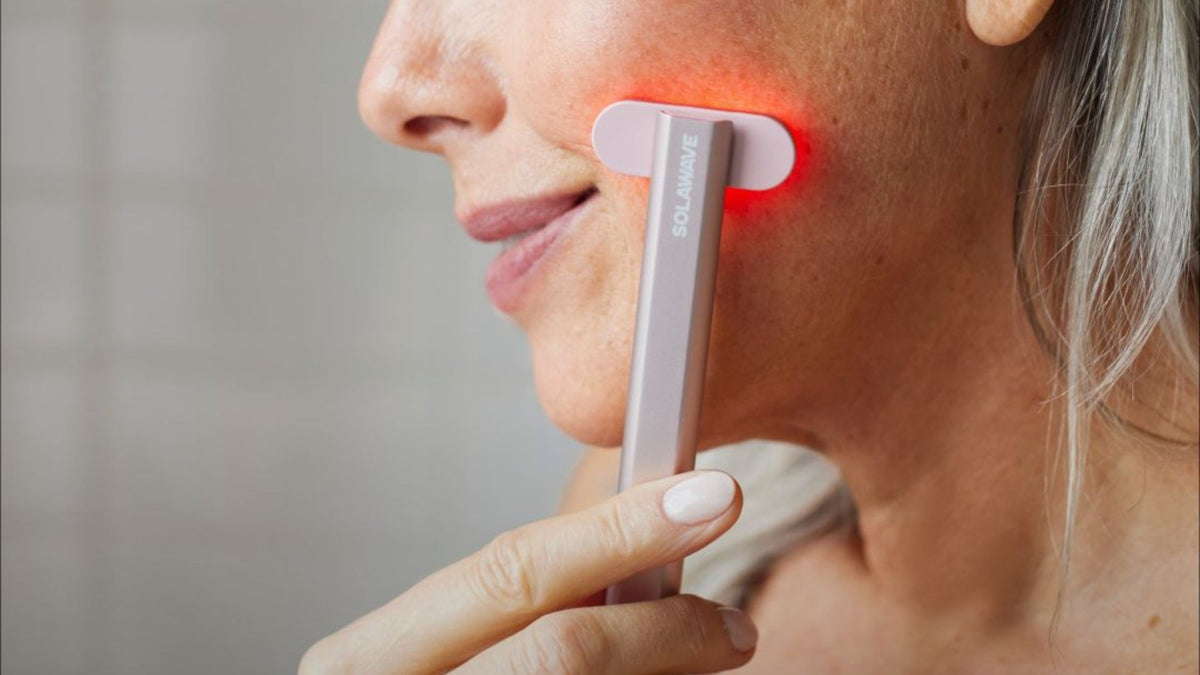
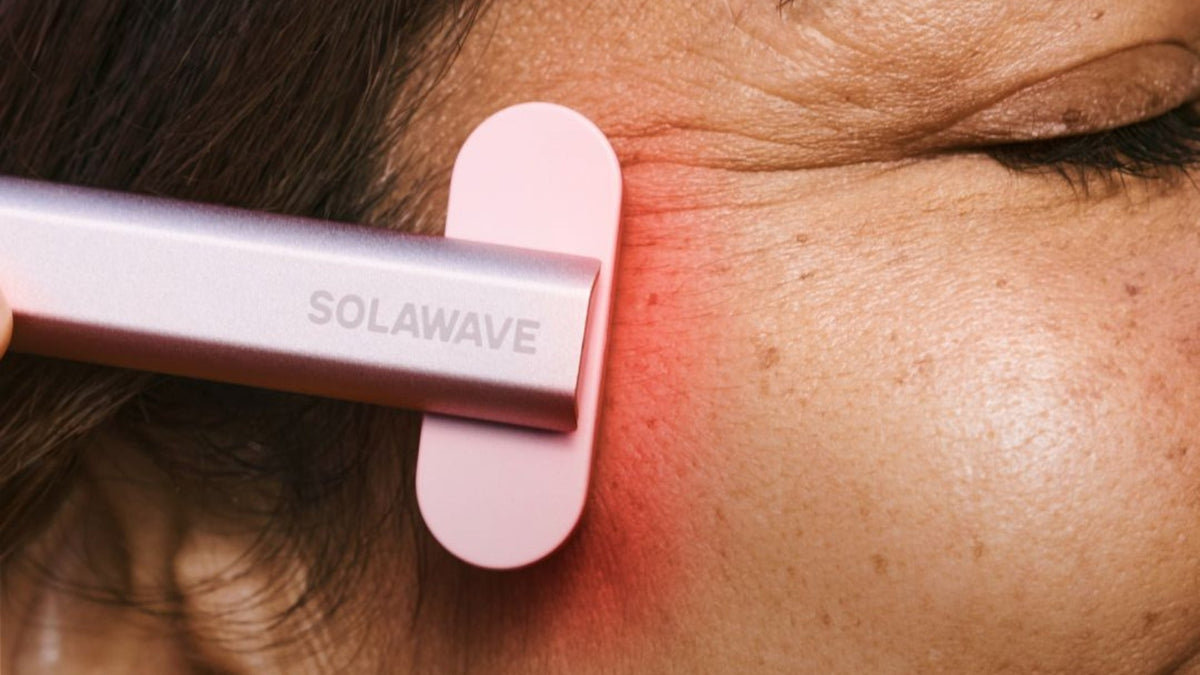
The Solawave 4-in-1 Skincare Wand combines facial massage vibration with therapeutic warmth, red light therapy at 630nm, and galvanic current in a single FDA-cleared device. The vibration technology stimulates the skin in a way that mimics the rhythmic pressure of professional lymphatic drainage, while the therapeutic warmth helps boost circulation and visibly reduce puffiness.
When you glide the wand in the same upward and outward motions described above, the device does some of the work for you. The consistent vibration means you don't have to worry about applying too much or too little pressure. And because the massage function works alongside red light therapy and galvanic current, you're also supporting collagen production and driving serum actives deeper into your skin at the same time.
For a more portable option, the 2-in-1 Skincare Mini offers red light therapy with therapeutic warmth in a compact, travel-ready format. It's a great entry point if you're new to at-home devices and want something simple you can use anywhere.
Mornings are the best time for lymphatic drainage because that's when fluid retention tends to be at its peak. Gravity has been working against you all night while you slept, and the lymph system hasn't had much movement to get things flowing.
That said, an evening session can also be beneficial, especially after a long day of sitting at a desk, traveling, or being under stress. Some people find that a quick drainage routine before bed helps reduce next-morning puffiness as well.
Consistency matters more than timing. A few minutes of gentle facial massage, 3 to 5 times per week, will deliver more visible results than one intense session per month.
Your face already knows how to drain itself. Sometimes it just needs a little help getting started.
Results may vary. Individual results are not guaranteed.
Start by opening the drainage pathways in the neck with light downward strokes. Then use gentle, sweeping motions from the center of the face outward toward the ears and down the neck. The entire routine takes about 5 minutes.
Yes. Light, rhythmic facial massage encourages lymphatic fluid to move away from the tissues where it pools, visibly reducing puffiness and creating a more sculpted, defined appearance over time.
The right tool can make the process easier and more consistent. Devices that combine gentle vibration with therapeutic warmth, like the Solawave 4-in-1 Skincare Wand, mimic the rhythmic pressure of professional drainage while adding skin-boosting benefits.
For best results, aim for 3 to 5 times per week. Mornings are ideal since fluid retention is typically highest after sleep, but evening sessions can also help reduce next-day puffiness.
Yes. Lymphatic drainage uses very gentle pressure and is non-invasive. It's safe for all skin types and tones. If you have a medical condition affecting your lymphatic system, consult your doctor first.
Many people notice a visible reduction in puffiness after a single session. For lasting improvements in facial definition and skin tone, consistent practice over several weeks delivers the best results.
 News
News