Rated 4.7 out of 5 stars
4.7 / 5


726,000+ customers
Free 60-Day Returns
1-Year Warranty
726,000+ customers
Free 60-Day Returns
1-Year Warranty
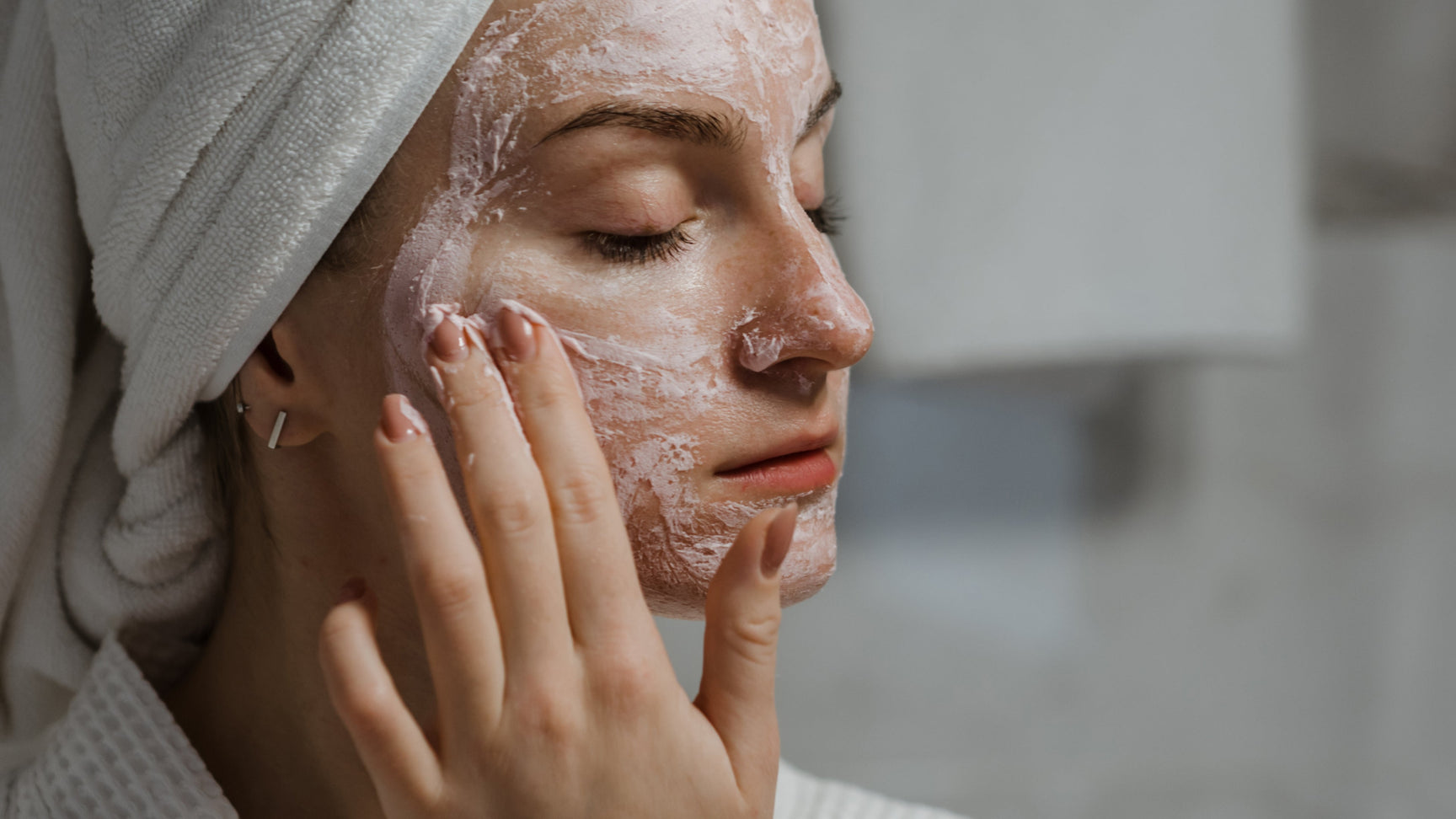
Sulfur smells weird. Let's just get that out of the way. But this old-school ingredient is having a major moment right now, and honestly? It deserves it. If you've been dealing with stubborn breakouts, oily skin, or redness that just won't quit, sulfur for skincare might be the missing piece in your routine.
Sulfur is a natural mineral that's been used in skincare for literally hundreds of years. Dermatologists have been reaching for it long before any of today's trendy actives existed. And clinical research continues to back up what they've known all along. It works.
Here's the simple version. Sulfur does three things really well. It fights the bacteria that cause breakouts. It gently loosens and removes dead skin cells that clog your pores. And it calms redness and swelling. That triple action is what makes it so useful for acne, rosacea, and other skin conditions where oil, bacteria, and inflammation are all playing a role.
The best part? It does all of this without being as harsh as some of the more aggressive acne-fighting ingredients out there.
Sulfur skincare benefits aren't new. But they're getting fresh attention because people are tired of products that promise clear skin and then leave their face dry, tight, and peeling.
Sulfur takes a different approach. It dries out individual blemishes and soaks up excess oil, but it doesn't strip your entire face the way some stronger treatments can. A published review found that side effects from topical sulfur are rare and usually limited to mild, temporary dryness at the application site. That's a pretty gentle track record for something that actually gets results.
It's also a great fit for people who can't use certain prescription acne treatments. If you're pregnant, nursing, or just sensitive to stronger actives, sulfur is one of the safer options to consider (though always check with your dermatologist first).
And for oily skin types? Sulfur is a natural oil absorber. It helps cut through that midday shine and keeps pores from getting congested with excess sebum. Think of it as a reset button for skin that just feels heavy and clogged.
There's also a gentle exfoliating benefit worth knowing about. Sulfur loosens the bonds between dead skin cells so they shed naturally instead of building up and mixing with oil inside your pores. Unlike rough physical scrubs that can scratch and irritate, sulfur does this work chemically and quietly. Your skin feels smoother without the redness that harsh exfoliation often leaves behind.
When you're shopping for the best sulfur products for acne, you'll find a few different formats. Cleansers, spot treatments, overnight masks, and leave-on creams are the most common. Concentrations usually range from about 1% to 10%.
If your breakouts are mild, a sulfur-based cleanser used a few times a week is a great starting point. For more stubborn spots, an overnight sulfur mask or a targeted spot treatment can help dry things out while you sleep.
A few things to watch for when choosing. Go fragrance-free when you can, since sulfur already has a strong smell on its own. Make sure the product doesn't combine sulfur with other intense drying agents in the same formula. And always patch test first, especially if your skin runs sensitive or reactive.
This is where your routine can really level up. Sulfur handles what's happening on the surface of your skin. It kills bacteria, clears pores, and absorbs oil. But a lot of the damage from breakouts, like inflammation, redness, and the marks they leave behind, happens deeper down. And that's where light therapy steps in.
Red light at 630 nm reaches below the skin's surface and supports your cells' natural ability to repair and regenerate. It helps calm inflammation and supports healthy collagen production, which can make a real difference for skin that's been through the wringer with acne.
Amber light at 605 nm works on visible redness and uneven tone, the kind of lingering irritation that sticks around even after a breakout heals.
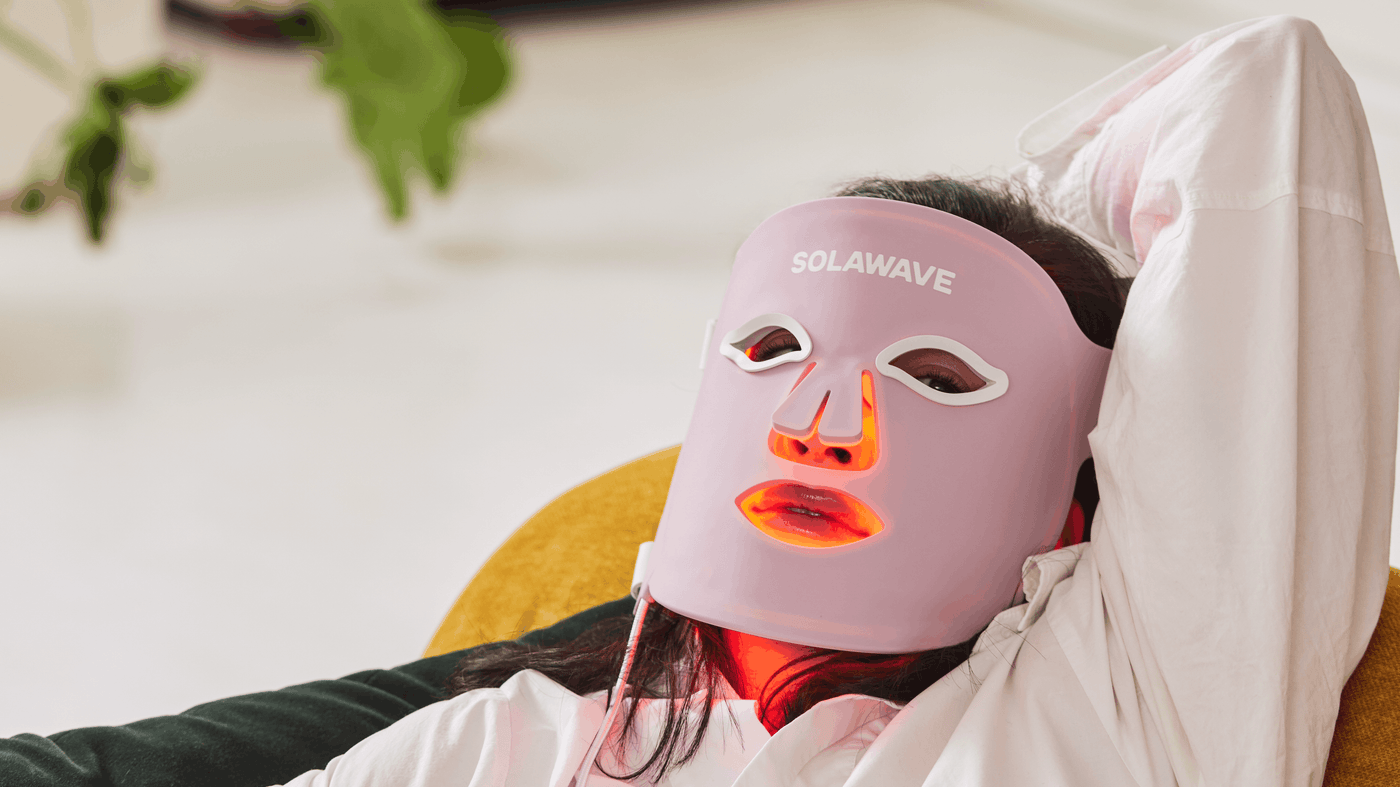
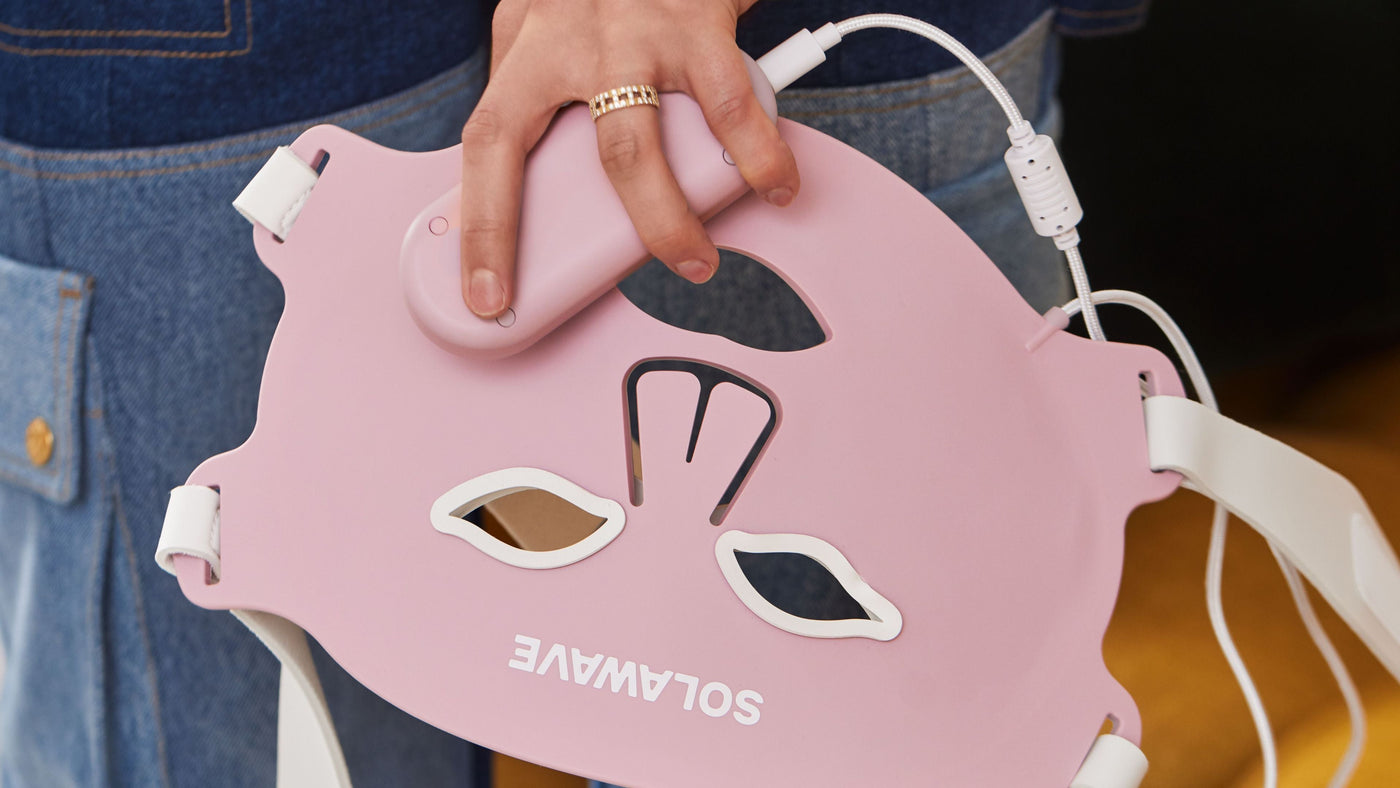
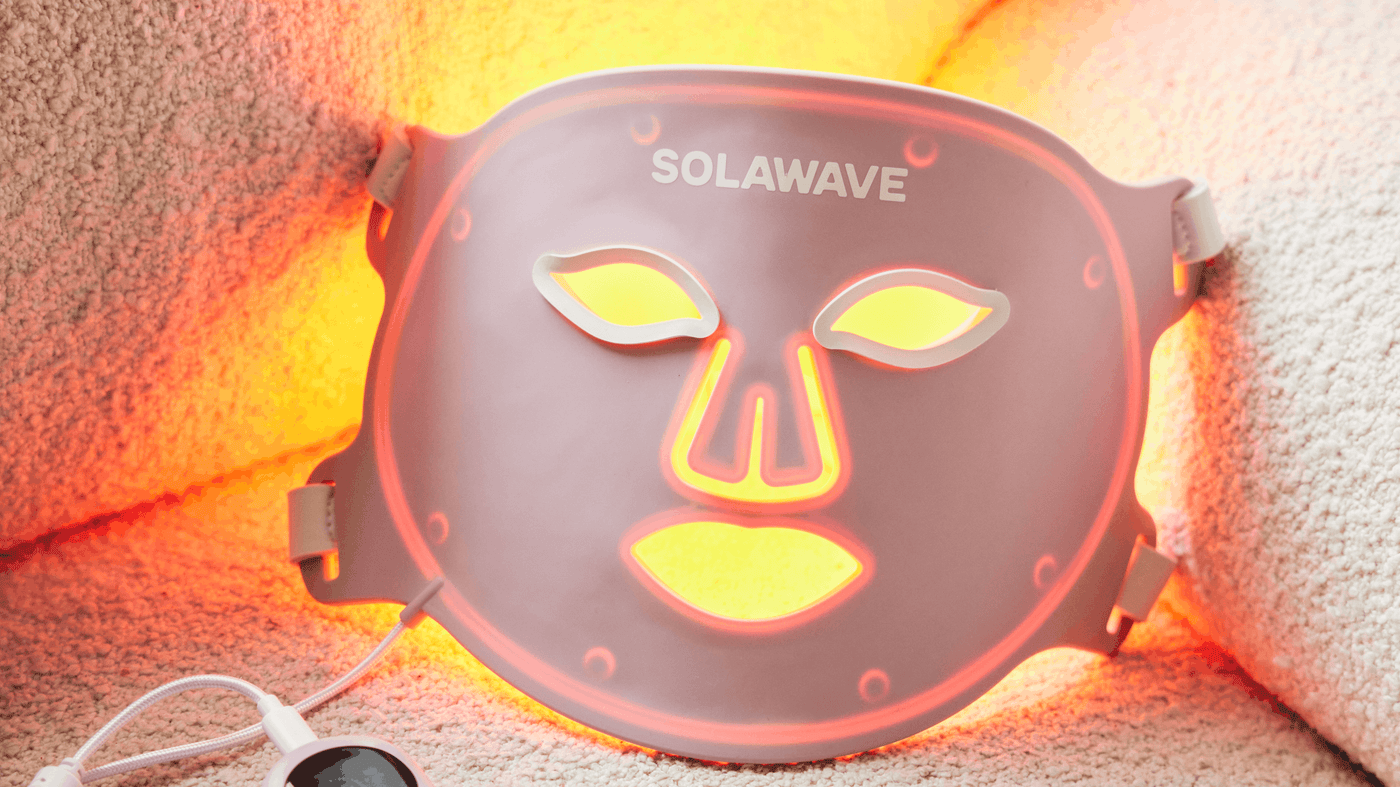
The Wrinkle Retreat Pro LED Face Mask delivers both of these wavelengths, plus deep red and near-infrared, across 320 LEDs with full-face coverage. Each session takes just 3 minutes.
For more targeted work on specific zones, the 4-in-1 Skincare Wand lets you focus red light therapy exactly where you need it. It also pairs therapeutic warmth and galvanic current to help your topical products absorb better, so your sulfur treatments and hydrating serums can do more.
The beauty of this pairing is that they don't compete. Sulfur works on the outside. Light therapy works on the inside. And since light therapy is completely non-drying and non-irritating, it never adds extra stress to skin that's already dealing with active breakouts. All Solawave devices are FDA-cleared, clinically tested, and backed by a 60-day money-back guarantee, so you can try them risk-free.
Sulfur is gentle compared to a lot of acne treatments, but it still absorbs oil aggressively. So you want to be smart about what you layer it with.
Avoid using sulfur at the same time as retinoids, benzoyl peroxide, or strong exfoliating acids. Doubling up on drying ingredients is a fast track to flaky, irritated skin.
Start with sulfur once or twice a week and see how your skin responds before increasing. And on days when your skin feels too sensitive for a sulfur treatment, your light therapy device is a perfect alternative. It keeps supporting your skin's healing process without adding any drying or irritation.
Smart skincare isn't about finding one miracle ingredient. It's about building a routine where everything works together. Sulfur handles the surface. Light therapy handles what's underneath. And your skin gets the benefit of both.
Yes. Sulfur fights acne-causing bacteria, absorbs excess oil, and gently clears dead skin cells that clog pores. It's especially helpful for blackheads, whiteheads, and mild-to-moderate breakouts.
Absolutely. Sulfur works on the skin's surface while red light therapy works beneath it to calm inflammation and support repair. They complement each other without doubling the drying effect.
Sulfur kills bacteria, reduces redness and swelling, controls excess oil, and gently exfoliates dead skin. It's effective for acne, rosacea, and seborrheic dermatitis, with a gentle side-effect profile.
Start with once or twice a week to see how your skin handles it. If everything looks good, you can gradually use it more often. Just don't layer it with other strong drying ingredients at the same time.
Yes. Clinical research supports sulfur's ability to calm facial redness and reduce the inflammation that comes with rosacea. It's one of the gentler treatment options for reactive, sensitive skin.
Skip using sulfur at the same time as retinoids, benzoyl peroxide, or high-concentration exfoliating acids. These combinations can cause excessive dryness and irritation. Light therapy is a non-drying option that pairs well with sulfur.
 News
News