Rated 4.7 out of 5 stars
4.7 / 5
Wrinkle Retreat Pro Face Mask


726,000+ customers
Free 60-Day Returns
1-Year Warranty
726,000+ customers
Free 60-Day Returns
1-Year Warranty
Waking up to a painful, swollen bump deep beneath your skin is never pleasant. Unlike regular pimples that appear on the surface, cystic acne forms painful nodules deep within the dermis, often leaving you frustrated and searching for answers. If you've been dealing with these stubborn, tender breakouts, you're far from alone. Acne affects up to 50 million Americans annually, with roughly 20% of those affected developing severe forms like cystic acne that can lead to scarring.
Knowing what cystic acne is and how it differs from other types of acne is the first step toward managing it effectively. Here's all you need to know about cystic acne in this complete cystic acne guide.
Cystic acne represents the most severe type of acne vulgaris. Unlike whiteheads and blackheads that form near the skin's surface, cystic acne develops when bacteria, oil, and dead skin cells become trapped deep within your pores, creating an infection in the dermis (your skin's middle layer).
Your skin responds with inflammation, creating large, painful, pus-filled cysts beneath the surface. These cysts can range from pea-sized to as large as a dime and often persist for weeks or months without proper treatment. The condition primarily affects areas with high concentrations of oil glands, particularly the face, but can also appear on your back, chest, and shoulders. What makes this form of acne particularly concerning is its potential to cause permanent scarring, making early intervention essential.
Several interconnected factors contribute to the development of cystic acne. Understanding these triggers can help you work with your healthcare provider to develop an effective management strategy.
Hormones: Androgens increase during puberty and stimulate your sebaceous glands to produce excess sebum (oil), which can clog pores and create an environment where acne-causing bacteria thrive. Hormonal changes during menstruation, pregnancy, or menopause can also trigger cystic breakouts in adults.
Bacteria: When pores become clogged with oil and dead skin cells, bacteria (particularly Cutibacterium acnes) multiply within the blocked follicle. This bacterial overgrowth triggers an inflammatory response deep within the skin, leading to painful cysts.
Genetics: Family history significantly influences your likelihood of developing cystic acne. If your parents or siblings experienced severe acne, you're more likely to face similar challenges.
Stress can trigger hormonal changes that worsen cystic acne. Certain medications (corticosteroids, lithium), high humidity, pore-clogging cosmetics, and friction from items like helmets or tight clothing may also contribute to breakouts.
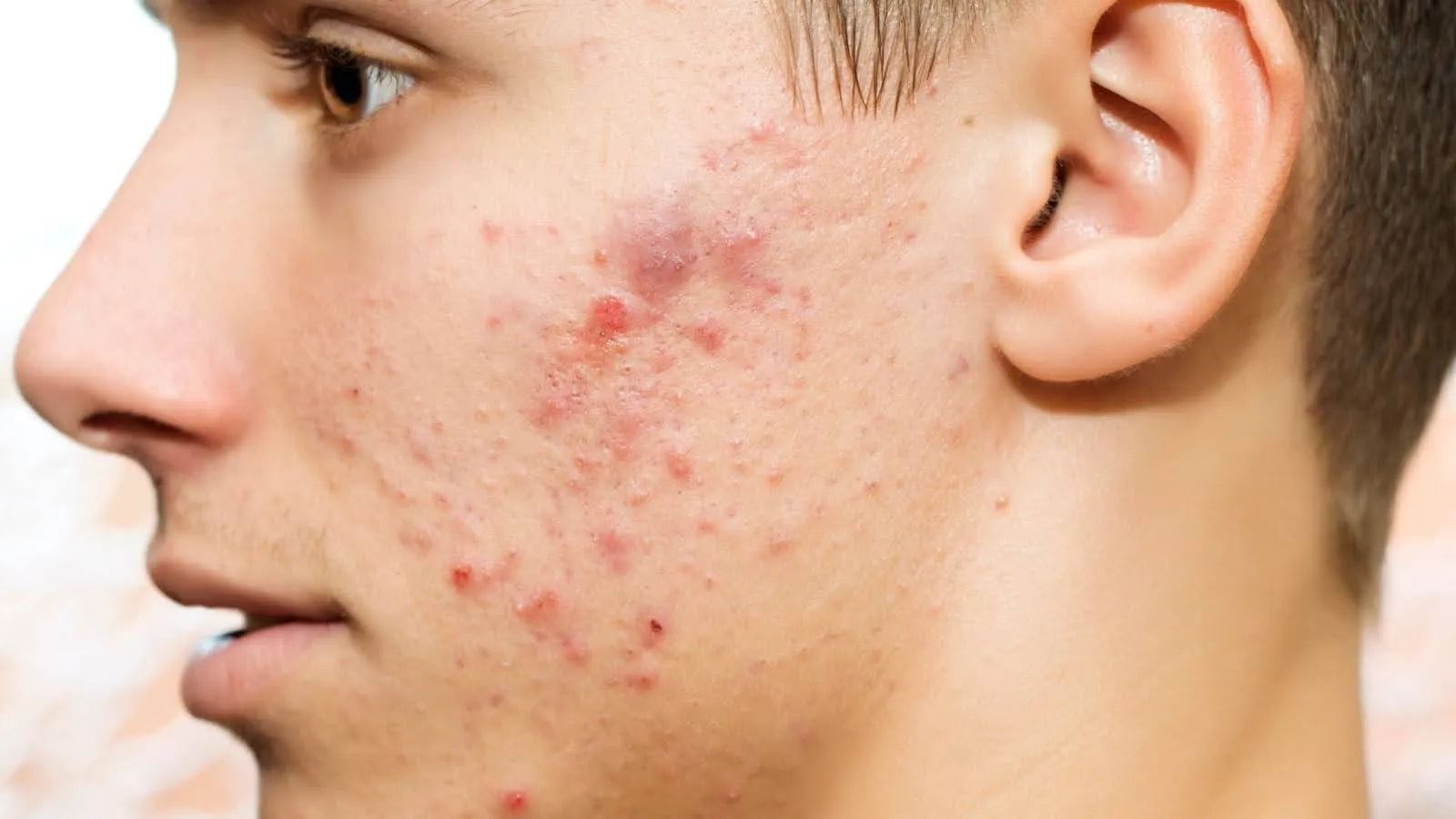
Cystic acne appears as red, inflamed lumps deep beneath the skin surface. These bumps may be as large as a quarter, feel soft and tender to the touch, and sometimes show visible whitish-yellow pus. The painful swelling extends far beyond typical surface pimples.
While most common on the face (especially cheeks, jawline, and chin), cystic acne can also develop on the back, shoulders, chest, and upper arms. Unlike regular pimples that resolve within days, cystic acne lesions typically persist for weeks or months. Without treatment, they often leave behind dark spots, pitting, or raised scars.
Because cystic acne forms deep within the skin and carries a high risk of scarring, professional medical treatment is essential. Over-the-counter products typically cannot penetrate deeply enough to address the underlying infection and inflammation.
Consult with a dermatologist or healthcare provider if you notice large, painful bumps beneath your skin, have acne that doesn't respond to over-the-counter treatments, experience emotional distress from breakouts, or notice signs of scarring. Early intervention can prevent permanent scarring and reduce the emotional burden often associated with severe acne.
Your healthcare provider may recommend various prescription treatments depending on your specific situation:
Topical Medications:
Oral Medications:
In-Office Procedures:
Treatment typically requires patience, as it can take three months or more to see significant improvement.
While professional treatment is necessary for cystic acne, certain at-home practices can support your skin's healing process and complement medical interventions.
Cleanse your face twice daily with a gentle, non-comedogenic cleanser. Avoid aggressive scrubbing, use lukewarm water, and pat your skin dry. Never attempt to pop, squeeze, or pick at cystic acne lesions, as this worsens scarring. Avoid pore-clogging makeup and harsh exfoliants.
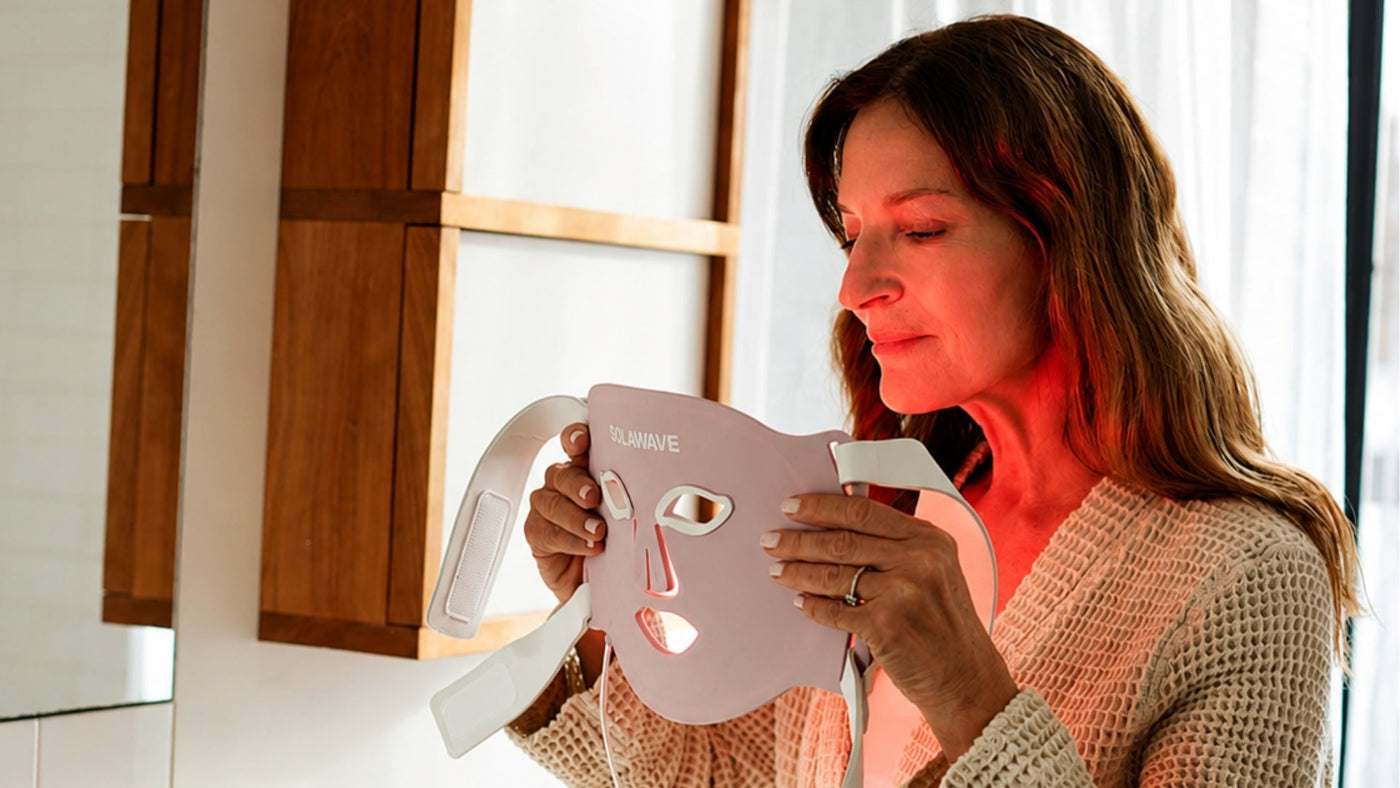
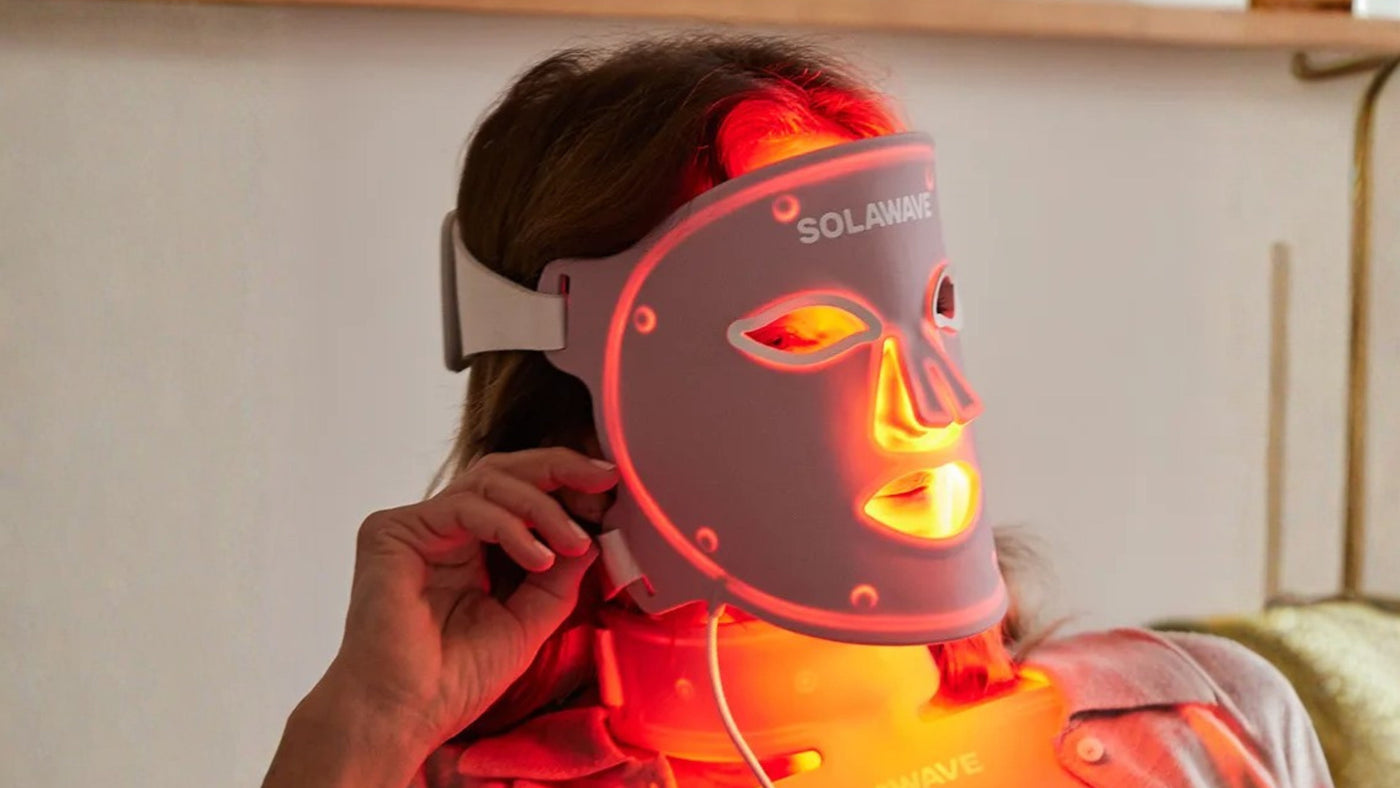
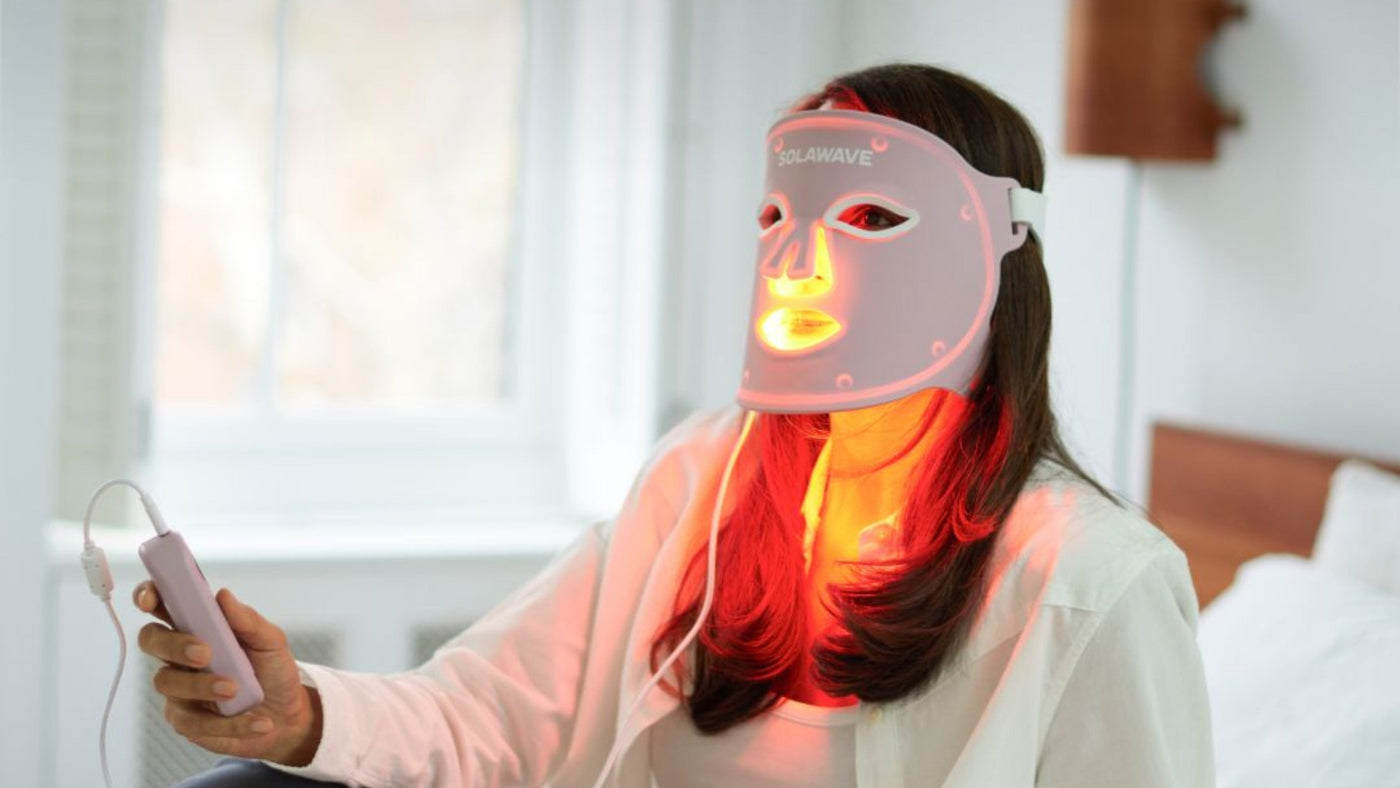
Consider incorporating FDA-cleared LED light therapy devices into your routine after consulting with your healthcare provider. The Wrinkle Retreat Pro LED Face Mask is FDA-cleared and features 320 medical-grade LEDs delivering four wavelengths of light therapy: Red (630nm), Deep Red (660nm), Amber (605nm), and Near-Infrared (830nm). Designed for full-face coverage, it provides treatment in just 3-minute sessions. Red light therapy may help reduce inflammation and support skin healing, though it should complement, not replace, professional medical treatment.
Maintaining consistent sleep, managing stress, and staying hydrated also support skin health during treatment.
While you can't always prevent cystic acne, certain strategies may help reduce frequency and severity. Maintain a consistent skincare routine with non-comedogenic products, remove makeup before bed, and wash your face after sweating. Clean items that come into contact with your face regularly (phones, pillowcases, glasses) and work with your healthcare provider to address hormonal imbalances.
Managing cystic acne involves more than treating physical symptoms. Connect with a skincare routine that includes gentle, supportive products designed to work alongside your medical treatment.
Understanding what cystic acne is empowers you to seek appropriate treatment and take control of your skin health. This severe form of acne requires professional medical intervention due to its deep formation within the skin and high risk of permanent scarring. While all you need to know about cystic acne may seem overwhelming at first, working with a dermatologist, maintaining gentle skincare practices, and incorporating supportive treatments like FDA-cleared light therapy can help you manage this challenging condition effectively. This cystic acne guide provides the foundation for understanding your skin, but personalized care from a healthcare provider remains essential for achieving clearer, healthier skin.
Ready to support your skin's healing journey? Shop Solawave devices today.
Cystic acne forms deep within the skin's dermis layer, creating large, painful, pus-filled nodules that can last for weeks or months. Regular acne typically appears closer to the skin's surface as whiteheads, blackheads, or small pimples. Cystic acne is more likely to cause permanent scarring and requires professional medical treatment rather than over-the-counter solutions.
While individual cysts may eventually heal without treatment, cystic acne rarely resolves completely on its own. Without proper treatment, cysts typically continue forming, often leading to permanent scarring. Professional intervention is strongly recommended to prevent scarring and manage the condition effectively.
No, cystic acne is not contagious. You cannot spread cystic acne to others through touch or contact. The condition results from a combination of hormonal factors, genetics, bacteria that naturally live on your skin, and excess oil production within your own pores.
Treatment timelines vary depending on severity and approach. Most people see improvement within three months of starting professional treatment, though complete clearance may take six months to a year. Isotretinoin treatment typically lasts four to six months but can provide long-term remission.
While diet alone doesn't cause cystic acne, certain foods may worsen symptoms in some individuals. High-glycemic foods and dairy products may trigger breakouts in susceptible people. Working with your healthcare provider to identify your personal triggers can help as part of a comprehensive treatment approach.